Embracing the Golden Years at Home
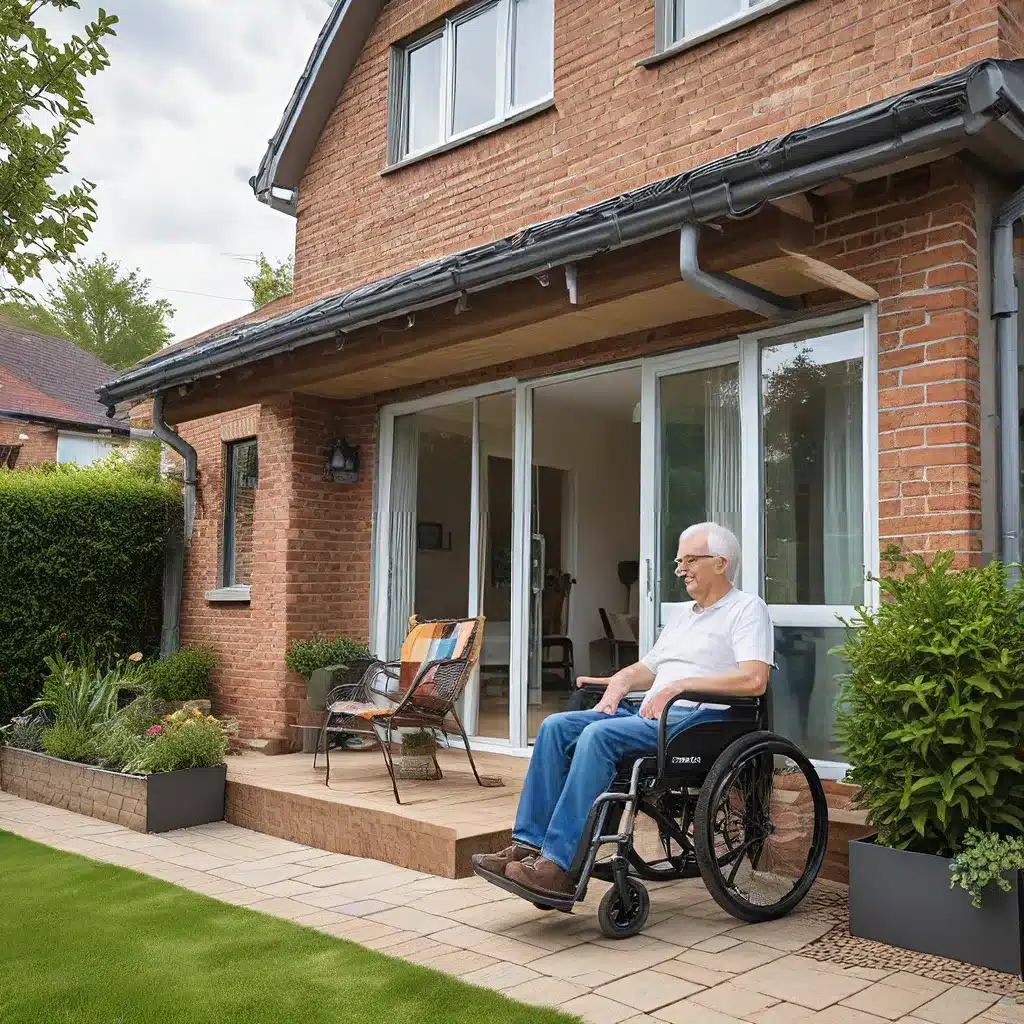
As we grow older, our homes become more than just a roof over our heads – they become the foundations of our independence, comfort, and cherished memories. Aging in place, the idea of comfortably residing in the familiar surroundings of our own homes as we get older, is a concept that’s rapidly gaining traction. And for good reason! By making strategic home modifications, we can transform our living spaces into havens of accessibility and safety, empowering us to maintain our independence and thrive in the twilight of our lives.
You see, I’ve always been a strong believer in the power of a home-centric lifestyle. There’s just something so profoundly reassuring about the thought of growing old within the familiar walls that have witnessed our triumphs and trials over the years. It’s where we’ve built a lifetime of connections, where our most cherished memories reside. So, when the time comes to plan for our golden years, the idea of abandoning that comfort and familiarity for an institutional setting simply doesn’t sit right with me.
Fortunately, with a little creativity and the right home extension ideas, we can make our homes work for us as we age. It’s all about embracing the principles of universal design – creating spaces that are accessible and functional for people of all ages and abilities. From widening doorways and installing grab bars to incorporating seamless transitions and intuitive lighting, the possibilities are endless.
Redefining Bathroom Bliss
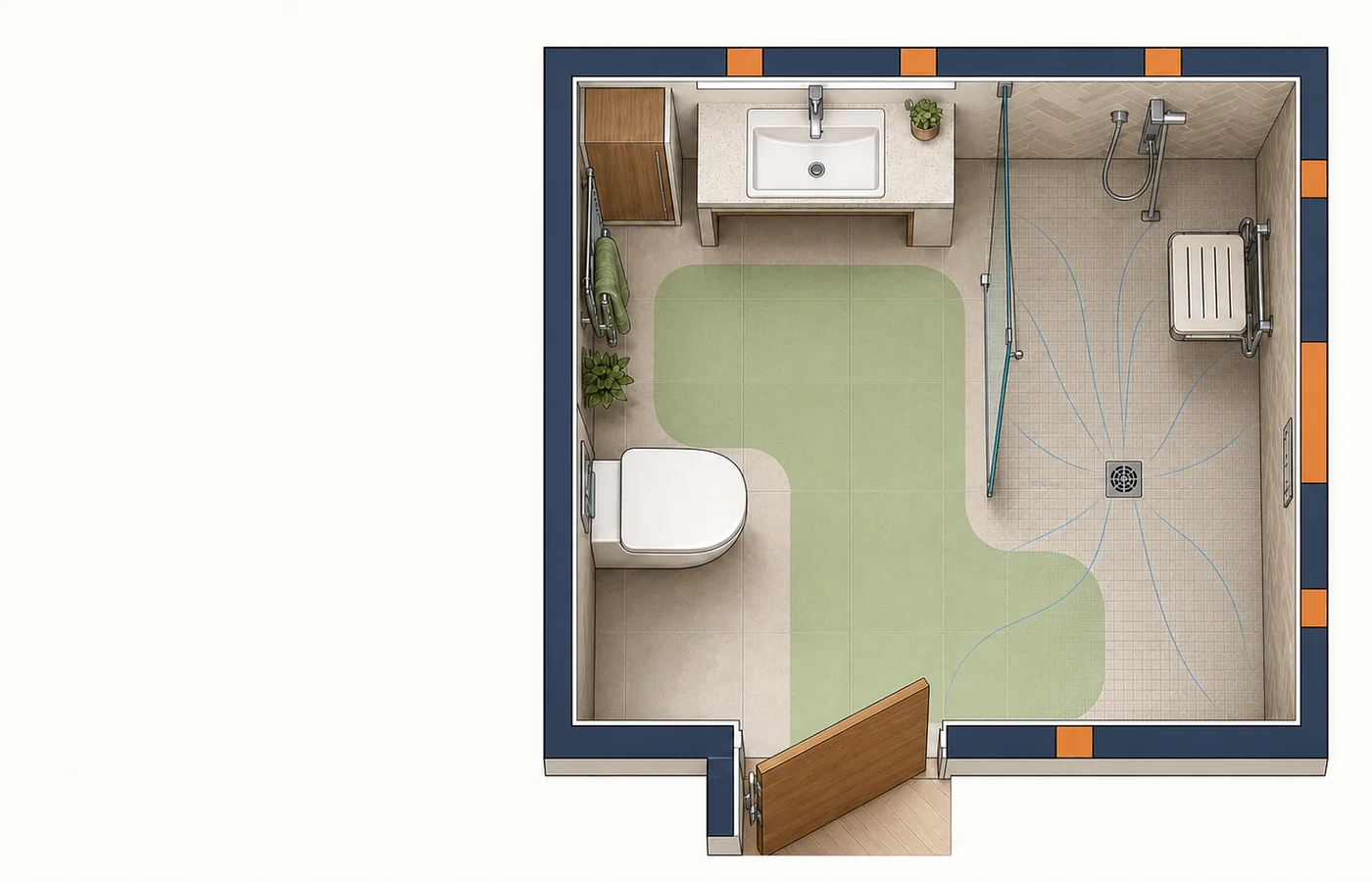
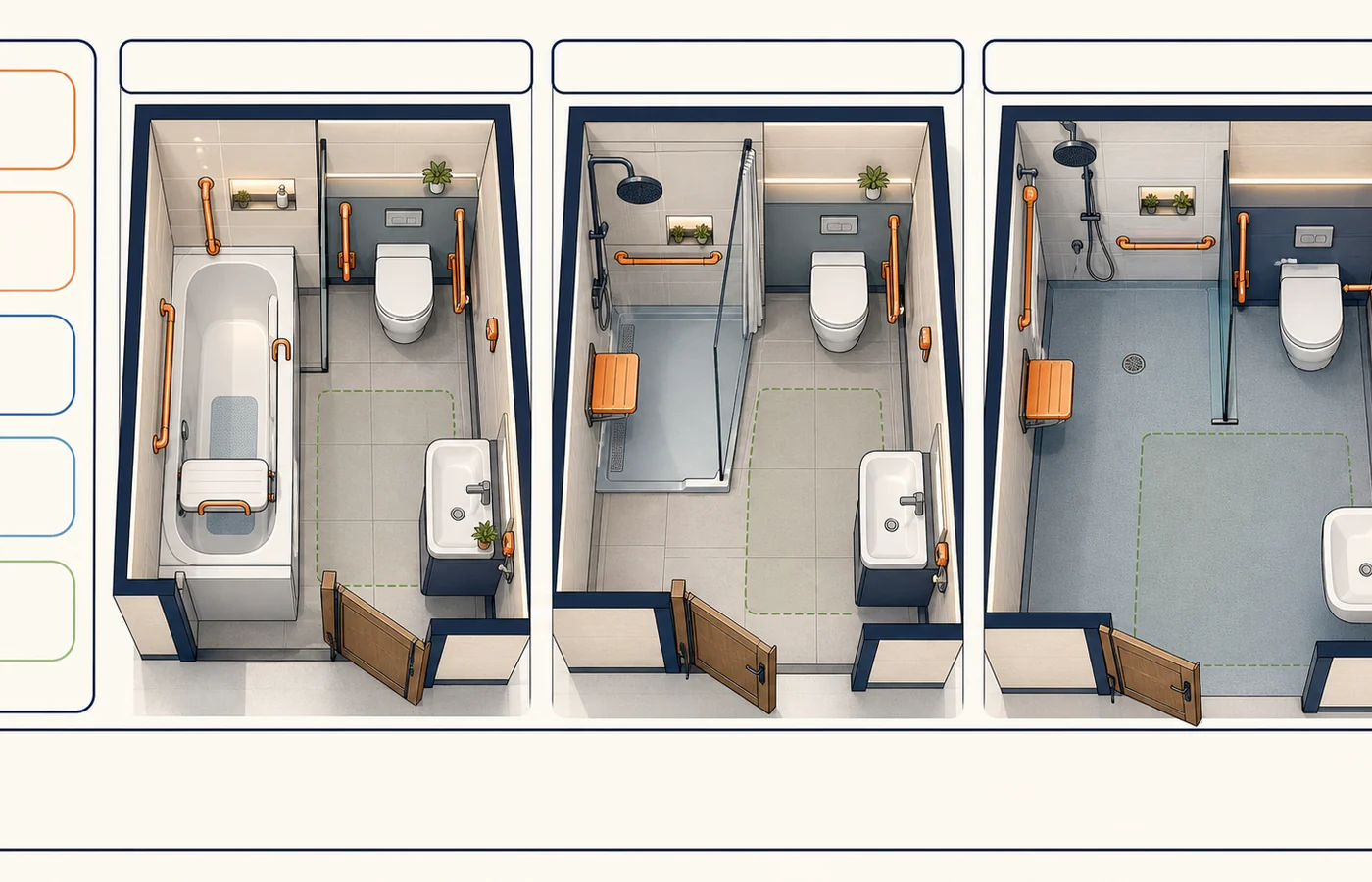
One of the most critical areas to tackle when it comes to aging in place? The bathroom, of course. Let’s be honest, navigating a cramped, ill-equipped bathroom can be a real challenge as we get older. But with a few strategic upgrades, we can transform this often-overlooked space into a sanctuary of comfort and safety.
Imagine a bathroom where the doorways are wide enough to accommodate a wheelchair or walker, and the floors are slip-resistant, reducing the risk of falls. Picture a shower area with a built-in bench and adjustable showerhead, allowing you to bathe with ease and dignity. And how about a vanity that’s designed at the perfect height, eliminating the need to strain or bend uncomfortably?
These are the kinds of accessibility-focused features that can make all the difference in helping us maintain our independence and well-being as we age. And the best part? They don’t have to come at the expense of style or aesthetics. With a little ingenuity, we can create bathrooms that are both functional and visually appealing – a true sanctuary where we can indulge in some much-needed pampering and self-care.
Bedroom Bliss: Crafting a Cozy, Accessible Retreat
Now, let’s turn our attention to another crucial space in our homes: the bedroom. This is where we recharge, where we find solace and respite from the demands of the day. And as we age, it’s essential that our bedrooms evolve to meet our changing needs.
Accessibility-focused home remodels often prioritize the creation of a ground-floor bedroom suite, ensuring easy access to other essential rooms like the kitchen and living area. After all, who wants to navigate a flight of stairs every time they need to retire for the night or start their day?
But it’s not just the location that matters – the design itself plays a crucial role in our comfort and safety. Think about things like adjustable bed frames, wide doorways, and ample space for mobility aids. And let’s not forget about the importance of proper lighting, whether it’s strategically placed lamps or motion-activated fixtures that illuminate our path.
By crafting a bedroom that caters to our evolving needs, we can create a truly restorative and nurturing environment. It’s a space where we can truly unwind, free from the worries of the day and the physical limitations that can come with aging.
Navigating the Home with Ease
But the accessibility-focused upgrades don’t stop at the bathroom and bedroom. Oh no, my friends – we’ve got to consider the entire home if we truly want to embrace the joys of aging in place.
Picture a home where the hallways are wide enough to accommodate a walker or wheelchair, and the floors are free of tripping hazards. Imagine a kitchen where the countertops are at the perfect height, and the appliances are intuitive and easy to operate. And what about the entryways – shouldn’t they be designed with features like ramps and automatic doors to make coming and going a breeze?
These may sound like small details, but they can make a world of difference in our daily lives. After all, the ability to move freely and confidently through our own homes is the foundation of our independence and well-being. And by incorporating these accessibility-focused elements into our home extensions and renovations, we’re not just creating a more functional living space – we’re investing in our long-term quality of life.
Tapping into Community Resources
Of course, the journey of aging in place isn’t just about the physical modifications to our homes. It’s also about tapping into the wealth of community resources and support systems that can help us thrive in our golden years.
Organizations like Habitat for Humanity have pioneered the Aging in Place program, collaborating with local service providers to evaluate individual needs and offer tailored solutions. From critical home repairs and modifications to connecting us with vital community services, these incredible initiatives are making a real difference in the lives of older adults.
And let’s not forget about the power of our own social networks. Whether it’s family, friends, or neighbors, the relationships we’ve cultivated over the years can be invaluable in helping us maintain our independence and well-being. After all, who better to lend a hand with everyday tasks or provide a listening ear when we need it most?
By embracing the wealth of resources and support systems available to us, we can create a truly holistic approach to aging in place – one that goes beyond just the physical aspects of our homes and truly nurtures our overall well-being.
Embracing the Future with Confidence
As I reflect on the exciting possibilities of aging in place, I can’t help but feel a sense of optimism and empowerment. Gone are the days when we had to resign ourselves to the confines of institutional living or reluctantly accept the limitations of our homes. With the right mindset and the right home extension ideas, we can proactively shape our living spaces to support our evolving needs and desires.
Sure, the road ahead may not be without its challenges, but I believe that by embracing the principles of universal design and tapping into the wealth of community resources available to us, we can create homes that truly nurture our independence and well-being as we age.
So, let’s not wait until it’s too late – let’s start planning and dreaming now. After all, our homes are the cornerstones of our lives, and they deserve to evolve alongside us. Who knows, maybe that home extension you’ve been considering could be the key to unlocking a new and vibrant chapter of your life. The possibilities are endless, my friends, so let’s embrace them with open arms and a renewed sense of purpose.