As I step into the Westbeth Center for the Arts, I’m immediately struck by the warmth and vibrancy of this extraordinary place. The friendly faces, the beautiful facade, and the uniqueness of the courtyard with its half-moon balconies, sculpture, and round cement platforms – it’s like stepping into a labyrinth of creativity, community, and innovation.
But Westbeth’s story is more than just a beautiful art sanctuary. It’s a pioneering tale of adaptive reuse, a transformative approach that has reshaped the very fabric of urban living. And as I delve deeper into this remarkable journey, I can’t help but feel a sense of awe and inspiration.
From Industrial Giants to Creative Hubs
The roots of Westbeth’s transformation stretch back to the 1960s, a time of profound change in New York City and the world. It was in this era of music, arts, and staggering political and social upheaval that the former Bell Telephone Laboratories complex, a sprawling collection of buildings on the Greenwich Village waterfront, underwent a remarkable metamorphosis.
The precipitating factor was the growing needs of the Western Electric Bell Telephone Company, which had outgrown its offices and workshops in the area. As the company shifted its operations to a larger space in New Jersey, the opportunity for a radical reimagining of the site arose.
Pioneering the Loft Conversion Concept
The adaptive reuse process was undertaken from 1968 to 1970 by a dedicated team of community workers and architects who were passionate about innovation and community building. What they created was nothing short of revolutionary – a live-work haven for artists, where duplex apartments and long corridors were designed to bring people closer together as neighbors.
The notion of converting an obsolete and abandoned industrial complex into a vibrant, live-work space for artists was a radical concept at the time. As soon as the Westbeth project was announced, its pioneering character was widely recognized by the government, architectural, and mainstream press.
A Mosaic of Creativity and Community
Westbeth’s significance extends beyond its pioneering role in loft conversions. It has also been recognized for its community planning and development, becoming the first and largest publicly and privately financed conversion of an industrial complex into housing for artists in the United States.
The list of notable residents who have called Westbeth home is a true testament to its legacy. From journalists and photographers to actors and dancers, this vibrant community has nurtured some of the most influential creative minds of our time. Bettye Lane, Diane Arbus, Vin Diesel, and Merce Cunningham are just a few of the luminaries who have graced these hallowed halls.
But Westbeth’s impact extends beyond its famous residents. It has also served as a hub for LGBTQ+ communities, with the Congregation Beit Simchat Torah, New York’s LGBTQ+ synagogue, finding a home in the complex for over 40 years.
Adapting to the Changing Tides
The story of Westbeth is not without its challenges, however. The Hurricane Sandy disaster in 2012 tested the resilience of this remarkable community, as the basement, a labyrinth of residents’ storage spaces and machinery, was flooded for several days.
Yet, in the face of adversity, the Westbeth community rallied together, with employees and artists braving the water to rescue their artworks. It was a testament to the spirit of community that has defined Westbeth since its inception.
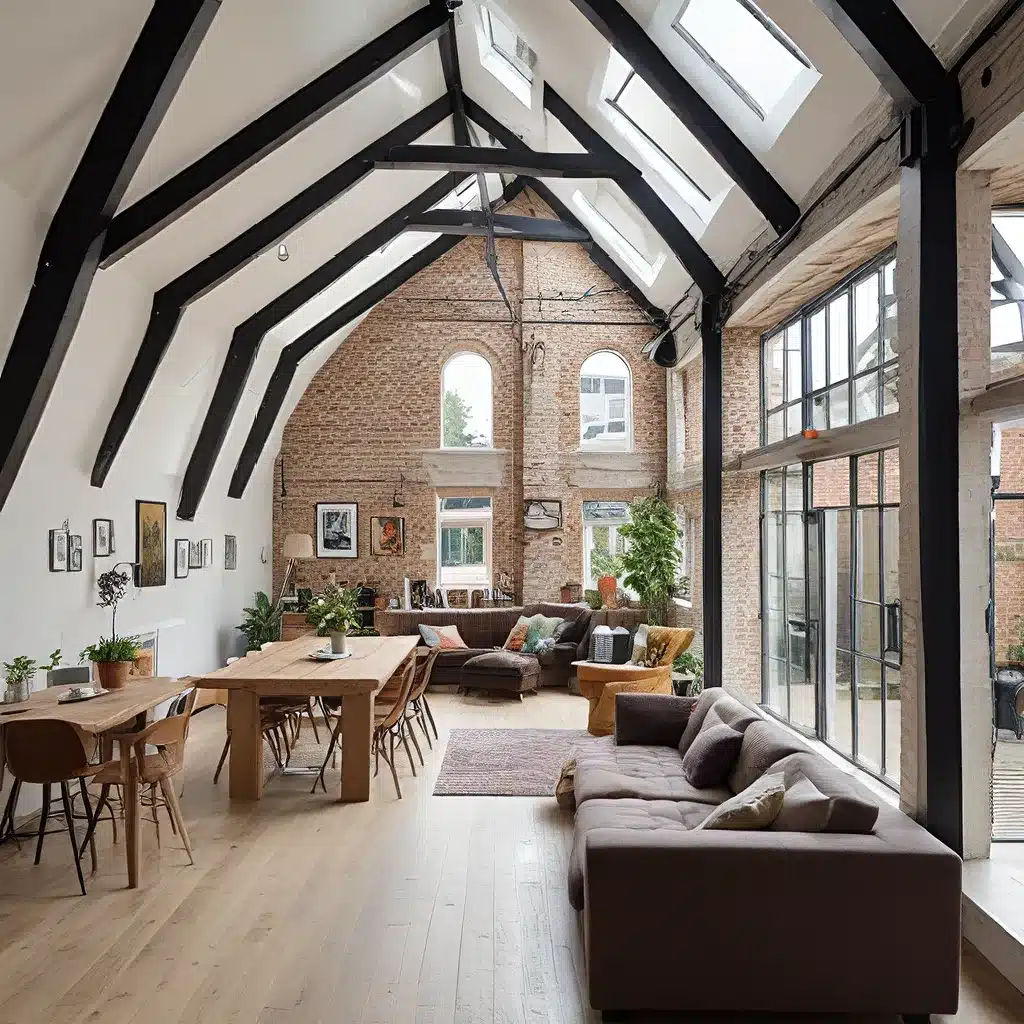
As the years have passed, the Fashion District in Toronto has undergone its own remarkable transformation, with many former factories and industrial spaces being converted into offices, galleries, and eateries that retain their factory ambience with exposed brick walls, wood-beamed ceilings, and wood plank floors.
The Enduring Legacy of Westbeth
As I walk through the Westbeth complex, I can’t help but marvel at the enduring legacy of this pioneering project. Fifty years and counting, this remarkable live-work haven for artists continues to inspire and captivate, serving as a shining example of what can be achieved when creativity, community, and adaptive reuse converge.
As I bid farewell to Westbeth, I can’t help but feel a deep sense of gratitude for the visionaries who dared to think outside the box and transform an industrial relic into a vibrant, thriving hub of creativity and community. It’s a testament to the enduring power of adaptive reuse, and a reminder that the possibilities for reinventing our living spaces are truly limitless.