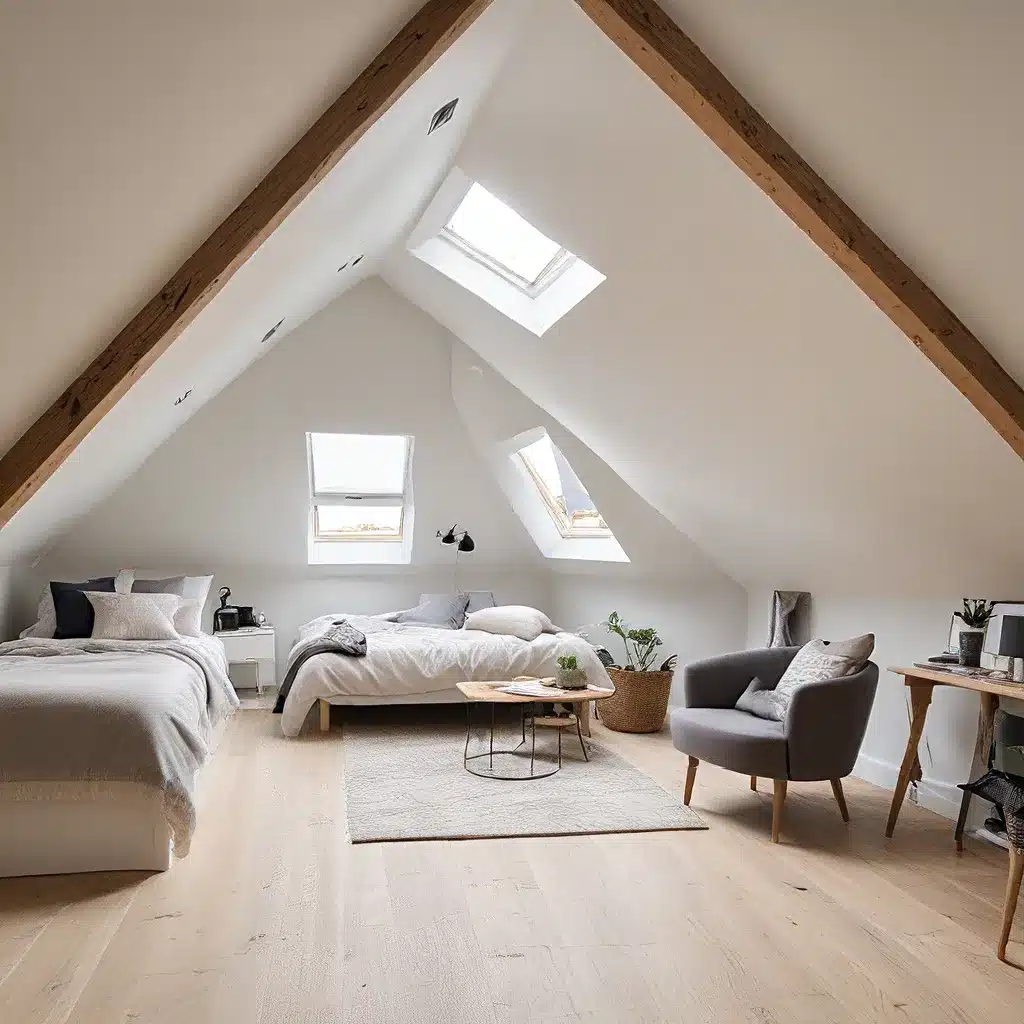
As a self-proclaimed bathroom aficionado, I’ve been itching to share my expertise on another home renovation project that’s near and dear to my heart – the almighty loft conversion. Now, I know what you’re thinking – “Joan, you’ve got your hands full with that zen bathroom of yours, why take on another massive undertaking?” Well, my friends, when it comes to maximizing the potential of our humble abodes, I simply can’t resist a good challenge.
Let me paint you a picture. Imagine an underutilized, forgotten space above your heads – a veritable goldmine of untapped square footage, waiting to be transformed into the bedroom, office, or sanctuary of your dreams. That, my friends, is the beauty of the loft conversion. It’s like adding an entirely new room to your home, without the hassle and expense of a full-blown addition.
Now, I’ll be the first to admit that tackling a loft conversion project on your own is no easy feat. There are structural considerations, building permits, and a whole host of technical details to navigate. But fear not, my fellow DIY enthusiasts – with a little elbow grease, a dash of creativity, and a healthy dose of patience, you too can conquer the loft conversion game.
In this comprehensive guide, I’ll walk you through the entire process, from assessing the suitability of your loft to installing that all-important staircase. We’ll delve into the nitty-gritty of roof structure modifications, fire safety upgrades, and energy-efficient insulation. And of course, I’ll share some of my personal design inspirations and money-saving tips to help you turn your attic into a space that exceeds your wildest dreams.
So, are you ready to transform your underutilized loft into a functional, stylish, and value-adding asset to your home? Strap in, my friends, because this is going to be one wild ride.
Evaluating Your Loft’s Suitability: The First Step to Conversion Success
Before you even begin dreaming up the perfect loft layout, it’s crucial to take a step back and assess the suitability of your attic space. After all, not every loft is created equal, and you don’t want to get halfway through the project only to discover that your roof structure or ceiling height isn’t quite up to snuff.
The first order of business is to examine the roof type. Older homes, built before the 1960s, often feature traditional cut rafter roofs that are relatively easy to convert, as they have less obstruction in the central void. On the other hand, modern homes with Fink trusses can be a bit trickier, as the W-shaped bracing can block the roof space.
Next, let’s talk about height. The minimum recommended ceiling height for a loft conversion is around 2.2 to 2.4 meters for a traditional roof, and 2.4 to 2.6 meters for a modern trussed roof. If your loft doesn’t quite meet these standards, don’t despair – there are ways to raise the roof (both figuratively and literally) to create the necessary headroom.
Of course, it’s not just the roof that you need to consider. What about those pesky chimneys or water tanks that might be hogging your precious loft real estate? Fear not, my friends – with a bit of strategic planning, you can often relocate or remove these obstacles to open up the space.
And let’s not forget about that all-important roof felt. This weatherproofing layer is crucial for ensuring your loft stays dry and cozy, so be sure to check the condition of your existing felt before diving in.
Choosing the Right Loft Conversion Option for Your Home
Now that you’ve assessed the structural suitability of your loft, it’s time to start thinking about the type of conversion that’s right for you. The three main options are internal loft conversions, dormer loft conversions, and loft conversions that require altering the roof structure.
Internal loft conversions, also known as Velux loft conversions, are often the most budget-friendly and DIY-friendly option. These involve installing roof lights or Velux windows, insulating the attic, and strengthening the floor – with minimal changes to the roof itself.
If you’re looking to maximize your space, a dormer loft conversion might be the way to go. These can come in single, full-width, or even L-shaped varieties, and they allow you to create additional headroom and floor area by extending the roof outwards.
And for those of you who really want to go all out, a loft conversion that alters the roof structure might be the perfect choice. This could involve replacing hipped roofs with gables, installing a mansard roof, or even swapping out the entire roof structure for a prefabricated option. Just keep in mind that these more extensive projects often require planning permission and professional intervention.
As you weigh your options, consider factors like your budget, the purpose of your new loft space, and the architectural style of your home. With a little creativity and a keen eye for detail, you can find the perfect loft conversion solution to suit your needs.
Tackling the Nitty-Gritty: Structural Modifications and Safety Upgrades
Alright, now that you’ve got the big-picture planning out of the way, it’s time to dive into the technical nitty-gritty of your loft conversion project. Hold onto your hard hats, folks, because things are about to get real.
First up, let’s talk about structural modifications. Chances are, your loft has some internal support structures for the roof, and those are going to need to be removed and replaced to create a clean, open space. Don’t worry, this isn’t as daunting as it sounds – with a bit of careful planning and strategic beam placement, you can easily create the headroom and floor support you need.
And speaking of the floor, you’ll also need to reinforce the existing ceiling joists to ensure your new loft space can handle the added weight of furnishings, occupants, and all the other goodies you plan to squeeze in up there. This could involve sistering the joists or installing support beams – just be sure to consult a structural engineer to make sure you’re doing it right.
But wait, there’s more! Fire safety is a crucial consideration when converting your loft, especially if it’s going to become a bedroom or home office. This means upgrading your staircase to meet fire code requirements, installing mains-powered smoke alarms, and ensuring proper separation between the new loft space and the rest of your home.
And let’s not forget about insulation and ventilation. Keeping your loft cozy and energy-efficient is a must, so be sure to research the best insulation materials and ventilation systems to meet your needs. Trust me, you don’t want to end up with a sauna up there (unless that’s your thing, of course).
I know, I know – it’s a lot to wrap your head around. But with the right planning, attention to detail, and expert guidance (when needed), you can tackle even the most daunting loft conversion challenges.
Designing Your Dream Loft Retreat
Alright, now that we’ve got all the structural and safety considerations out of the way, it’s time to get creative! This is where the real fun begins, my friends.
First and foremost, let’s talk lighting. Proper illumination is key to creating a warm, inviting atmosphere in your new loft space. Think track lighting, recessed fixtures, and strategically placed windows or skylights to maximize natural light. And don’t forget about task lighting for those late-night study sessions or reading binges.
Next up, flooring. You want something durable, easy-to-install, and visually appealing – so why not consider hardwood, laminate, or even plush carpeting? And don’t forget to factor in soundproofing if you’re converting your loft into a bedroom or home office.
When it comes to walls and ceilings, embrace the unique angles and architectural features of your loft. Sloped ceilings and dormer windows can add character and charm to your space, so get creative with your paint colors, wall coverings, and trim details.
And let’s not forget about furniture and decor! This is where you can really put your personal stamp on the space. Opt for space-saving pieces like built-in wardrobes and multipurpose ottomans, and don’t be afraid to mix and match styles to create a one-of-a-kind look.
Oh, and let’s not forget about heating and cooling. Upgrading your HVAC system or installing a dedicated unit for the loft can help ensure your new space is comfortable and energy-efficient all year round.
The key to designing your dream loft retreat is to embrace the unique challenges of the space and have fun with the process. With a little creativity and a keen eye for detail, you can transform that forgotten attic into the ultimate personal haven.
Navigating the Challenges: Tips and Tricks for a Successful Loft Conversion
Now, I’d be remiss if I didn’t share a few tips and tricks to help you navigate the inevitable challenges that come with a loft conversion project. After all, the last thing you want is to end up with a costly disaster on your hands.
First and foremost, don’t be afraid to ask for help. While DIY-ing your loft conversion can be incredibly rewarding, there are certain tasks that are best left to the professionals. Electrical work, structural modifications, and plumbing are all areas where it’s worth investing in expert guidance.
And speaking of professionals, be sure to do your due diligence when it comes to finding the right builders and contractors for the job. Check reviews, ask for references, and don’t be afraid to get multiple quotes to ensure you’re getting the best value for your money.
Another crucial tip? Plan, plan, plan. Loft conversions are complex projects, and the more you can anticipate and prepare for potential roadblocks, the smoother the process will be. From securing the necessary permits to sourcing materials well in advance, attention to detail is key.
And let’s not forget about budgeting. Loft conversions can be pricey, so it’s important to set a realistic budget and stick to it. That means factoring in contingency funds for unexpected expenses and researching cost-saving measures like DIY-ing certain tasks or sourcing materials from discount suppliers.
Finally, be patient and embrace the journey. Loft conversions don’t happen overnight, and there will inevitably be setbacks and challenges along the way. But if you approach the project with a positive attitude and a willingness to adapt, you’ll be well on your way to loft conversion excellence.
The Rewards of Loft Conversion: Increased Space, Value, and Comfort
Now, I know what you’re thinking – with all the planning, preparation, and potential headaches, is a loft conversion really worth it? Well, my friends, let me tell you – the rewards of this home transformation project are well worth the effort.
First and foremost, additional living space. By converting your loft, you’re essentially adding a brand-new room to your home – one that can be tailored to your specific needs and lifestyle. Whether you envision a cozy bedroom, a productive home office, or a multi-purpose retreat, that extra square footage can be a game-changer for your family.
And let’s not forget about the financial benefits. A well-executed loft conversion can increase the value of your home substantially, making it a smart investment in the long run. In fact, studies have shown that a loft conversion can boost your home’s resale value by as much as 20%. Not too shabby, right?
But the rewards don’t stop there. Transforming your loft can also lead to improved energy efficiency and better insulation, which can translate to lower utility bills and a more comfortable living environment. And let’s not forget about the personal satisfaction that comes with creating a space that’s uniquely your own.
So, are you ready to take the plunge and unlock the full potential of your home? With a little elbow grease, a dash of creativity, and a whole lot of determination, you can turn that forgotten attic into the oasis you’ve always dreamed of. Who knows, you might even inspire your neighbors to follow suit and transform their own lofts into something truly spectacular.