The Unexpected Joys of Loft Living
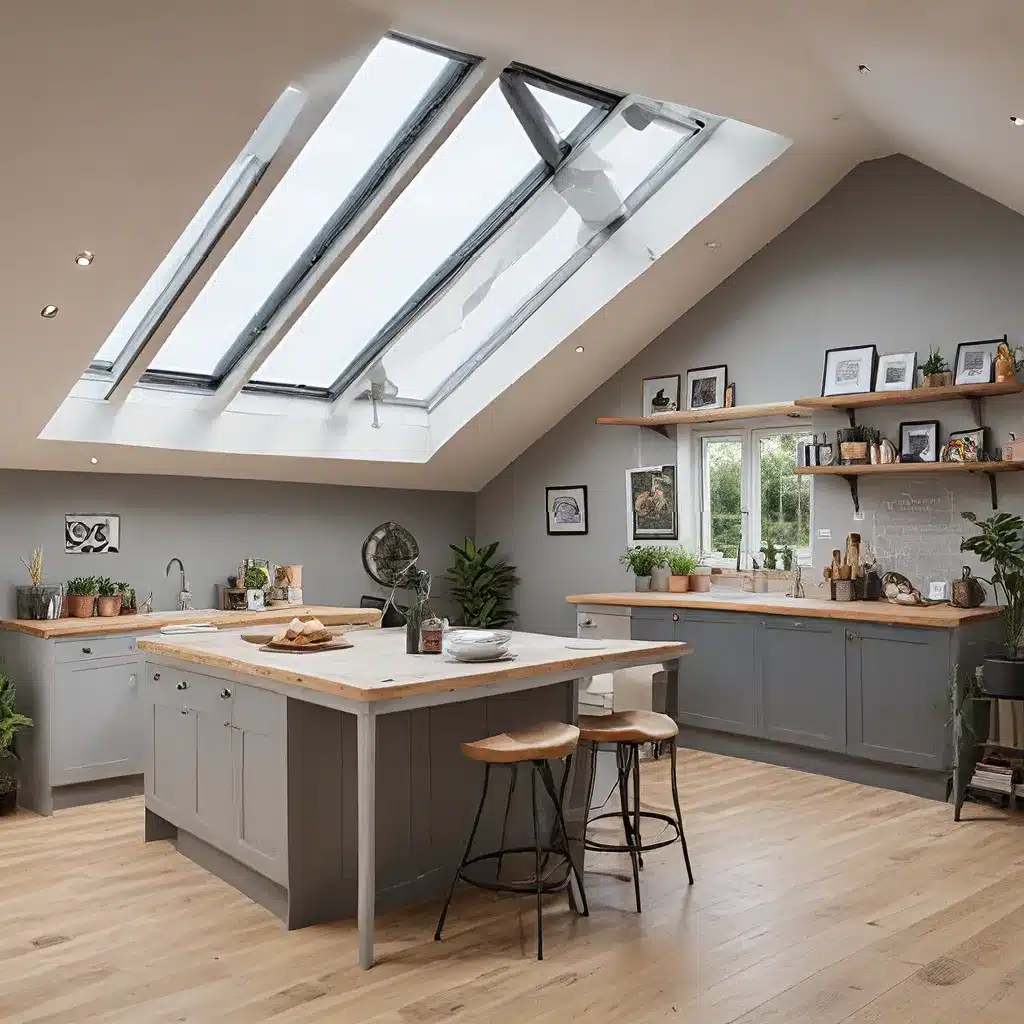
I’ll never forget the day I first stepped into my new loft space. It was like stepping into a whole new world – a blank canvas waiting to be transformed into something truly extraordinary. As I gazed up at the soaring ceilings and the warm, natural light filtering in through the skylights, I could practically feel the creative juices flowing.
ABC Home had done an incredible job, and I was eager to put my own stamp on the space. Where others might have seen just an empty attic, I saw endless possibilities. This was my chance to create a sanctuary that was uniquely mine, a space that would reflect my personality and lifestyle.
Architectural Marvels: Pushing the Boundaries of Loft Design
As I dove into researching loft conversion ideas, I was amazed by the innovative designs and cutting-edge approaches that were redefining the very concept of loft living. From sleek, modernist transformations to heritage-inspired renovations, the architectural landscape of loft conversions was truly awe-inspiring.
One project that particularly caught my eye was the Kendeda Building for Innovative Sustainable Design at Georgia Tech. This ambitious undertaking was pushing the boundaries of sustainable design, incorporating a range of salvaged materials like nail-laminated decks, slate tiles, and storm-felled oak to create a truly unique and environmentally conscious living space.
As I delved deeper into the world of loft conversions, I discovered that the possibilities were truly endless. From adaptive reuse strategies to cutting-edge design methodologies, the architects and designers in my local area were continuously pushing the boundaries of creativity and innovation.
Navigating the Regulatory Landscape
Of course, embarking on a loft conversion project isn’t as simple as just having a vision and running with it. There are a number of regulatory hurdles to navigate, from planning permissions to building regulations. But with the right guidance and expertise, these challenges can be overcome.
S3DA Design had some great insights on the importance of understanding the local regulations and requirements. They mentioned that in some cases, there may not be enough head height in the loft to accommodate a full conversion, but there are creative solutions like lowering the ceiling or using thinner insulation to maximize the available space.
Collaborating with experienced professionals who understand the nuances of the local planning and building codes can make all the difference in ensuring a smooth and compliant project. And let’s be honest, no one wants to end up in a situation where their dream loft space doesn’t pass inspection!
Embracing Sustainable Solutions
As I continued to research and plan my loft conversion, I became increasingly aware of the importance of sustainability in modern architecture. Architects and designers in my area were leading the charge, incorporating eco-friendly materials, energy-efficient solutions, and passive design strategies into their loft conversion projects.
The Kendeda Building was a prime example of this, with its emphasis on salvaged materials and minimizing waste. But I also discovered that there were plenty of other innovative approaches, from green roofs and solar panels to water harvesting systems and natural ventilation.
Sustainability wasn’t just a buzzword in the world of loft conversions – it was a core principle that was shaping the way we approach the design and construction of these spaces. And as a conscientious homeowner, it was a priority for me as well.
Blending the Old and the New
One of the things that really captured my imagination was the way in which loft conversions were able to seamlessly blend the old and the new. In my local area, I saw projects that beautifully preserved the historic charm of the original structures while incorporating sleek, modern design elements.
It was like witnessing a dance between the past and the present, where the timeless elegance of traditional architecture was given a contemporary twist. From minimalist interiors adorned with sleek finishes to period features meticulously restored, the architects in my area had a remarkable ability to navigate the interplay between aesthetic and functionality.
As I contemplated my own loft conversion, I couldn’t help but be inspired by this harmonious fusion of old and new. I wanted to create a space that felt timeless, a sanctuary where the history of the building would be honored and celebrated alongside my own vision for the future.
Unlocking the Potential of Loft Spaces
One of the most exciting aspects of loft conversions is the sheer versatility of the spaces they create. Whether you’re looking to maximize your living area, carve out a dedicated home office, or transform your loft into a luxurious master suite, the possibilities are truly endless.
S3DA Design had some great insights on the practical applications of loft conversions, from cozy guest bedrooms to stylish home gyms. And as I delved deeper into the world of loft living, I discovered that the personal touch was just as important as the functional considerations.
After all, this was my space – a sanctuary that I could tailor to suit my unique lifestyle and preferences. Whether I wanted to create a tranquil meditation retreat or a vibrant entertainment hub, the loft conversion was my canvas to paint with creativity and imagination.
The Transformative Power of Architectural Vision
As I continued to research and plan my loft conversion, I was continually inspired by the transformative power of architectural vision. The case studies I encountered, from The Kendeda Building to the heritage-inspired renovations in my local area, were a testament to the remarkable abilities of architects and designers to transform the ordinary into the extraordinary.
It was awe-inspiring to see how ordinary loft spaces were elevated into extraordinary living environments that reflected the unique character of the local community. And as I imagined my own loft conversion taking shape, I couldn’t wait to be a part of this transformative journey.
Embracing the Future of Loft Conversions
As I dove deeper into the world of loft conversions, I couldn’t help but be excited about the boundless possibilities that lay ahead. With emerging trends, technological innovations, and paradigm shifts constantly reshaping the architectural landscape, the future of loft living was truly thrilling to contemplate.
From adaptive reuse strategies to cutting-edge design methodologies, the architects and designers in my local area were continuously pushing the boundaries of creativity and innovation. And as a homeowner, I couldn’t wait to see how these visionary approaches would shape the trajectory of loft conversions in the years to come.
As I stood in my loft space, gazing up at the soaring ceilings and natural light, I felt a deep sense of excitement and anticipation. This was my chance to be a part of something truly special – to create a space that would reflect my personality and lifestyle, while pushing the boundaries of what was possible in the world of home design.
So, whether you’re a seasoned architect, a prospective homeowner, or an enthusiast of architectural innovation, I invite you to join me on this transformative journey of spatial reinvention and aesthetic discovery. The future of loft conversions is ours to shape, and the possibilities are limitless.