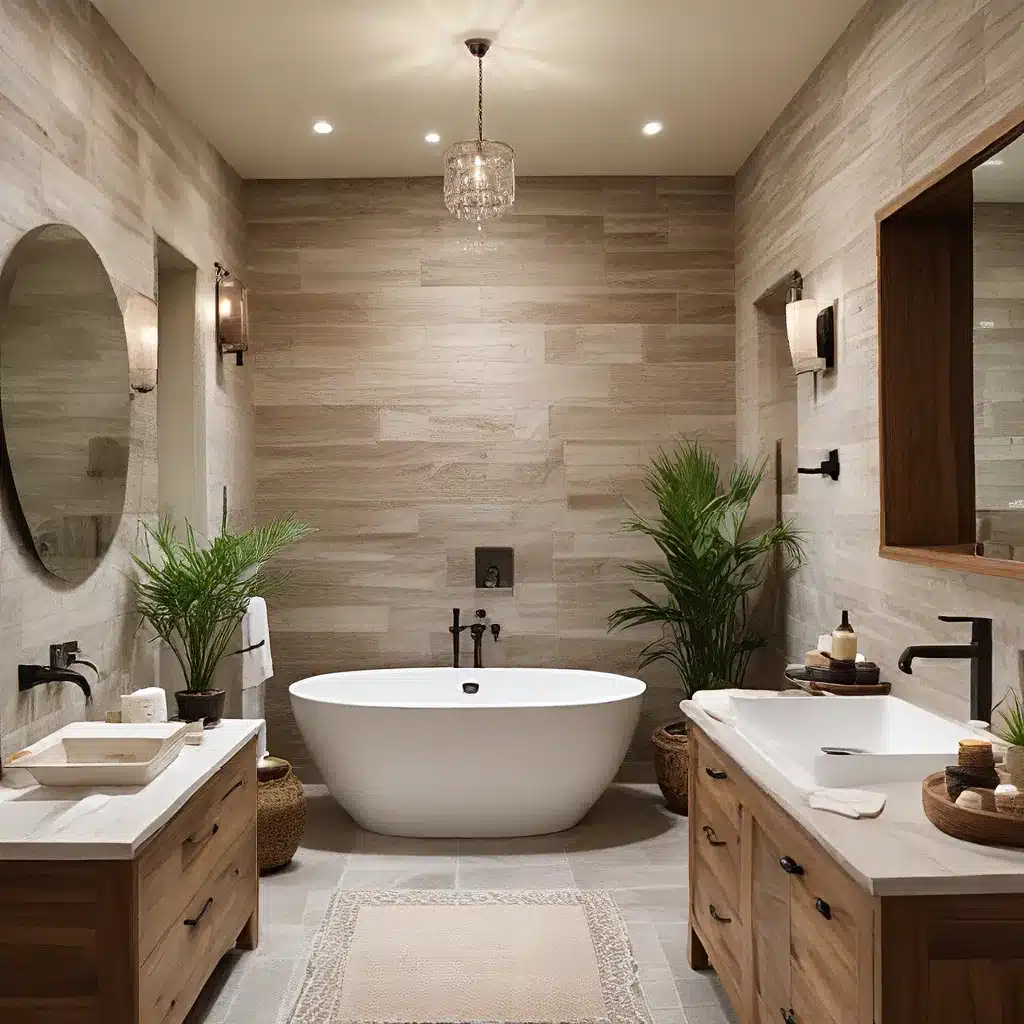
Introduction to Spa-Inspired Bathrooms
In the United Kingdom, the concept of transforming ordinary bathrooms into luxurious, spa-like retreats has gained significant traction. Homeowners across the country, from bustling cities to quiet countryside towns, are increasingly seeking ways to create sanctuaries within their homes. This trend reflects a growing emphasis on self-care and the desire to have a personal oasis away from the stresses of daily life.
Spa-inspired bathrooms offer more than just aesthetic appeal; they provide a functional space for relaxation and rejuvenation. By incorporating elements commonly found in high-end spas, homeowners can enjoy the benefits of a luxury experience without leaving their homes. This approach to bathroom design not only enhances the quality of life for current residents but can also add substantial value to a property.
The UK market for bathroom renovations has responded to this trend with a wide array of products and services tailored to create these spa-like environments. From advanced water systems to eco-friendly materials, the options available to homeowners have expanded significantly. However, it’s essential to navigate these choices carefully, considering factors such as budget, space constraints, and compliance with UK building regulations.
1. Freestanding Baths: The Centrepiece of Relaxation
Freestanding baths have become a hallmark of spa-inspired bathrooms, offering both visual appeal and practical luxury. These standalone tubs come in various styles, from classic clawfoot designs to sleek, modern shapes, allowing homeowners to choose an option that best fits their aesthetic preferences and space requirements.
When selecting a freestanding bath, it’s crucial to consider the structural implications. UK building regulations require that floors can support the weight of a filled bath, which can be significant. Homeowners should consult with a structural engineer or a qualified bathroom fitter to ensure their floor can handle the load. This is particularly important in older properties or when installing a bath on upper floors.
The installation process for freestanding baths can be more complex than traditional built-in models. Proper plumbing arrangements are essential, and in some cases, floor reinforcement may be necessary. It’s advisable to work with a professional bathroom fitter who is familiar with UK regulations and can ensure that all installations meet the required standards.
2. Rainfall Showers: Bringing the Outdoors In
Rainfall showers offer a luxurious bathing experience that mimics the sensation of standing in warm rain. These oversized showerheads are typically mounted on the ceiling or on an extended arm to provide a drenching flow of water from above. The effect is both invigorating and relaxing, making it a popular choice for spa-inspired bathrooms.
When installing a rainfall shower, several factors need consideration. The water pressure in UK homes can vary significantly, and some systems may require a pump to ensure adequate flow. Additionally, the plumbing infrastructure must be capable of handling the increased water volume. This may involve upgrading pipes or installing a thermostatic mixer valve to regulate temperature and pressure.
Energy efficiency is another important consideration. While rainfall showers can use more water than standard models, many modern designs incorporate flow restrictors or aerators to reduce consumption without compromising the experience. Homeowners should look for products that comply with UK water efficiency standards to balance luxury with sustainability.
3. Heated Flooring: Comfort Underfoot
Heated flooring is a luxury that transforms the bathroom experience, providing warmth and comfort underfoot. In the UK, where chilly mornings are common, this feature is particularly appreciated. Underfloor heating systems come in two main types: electric and water-based (hydronic).
Electric systems are often easier to install, especially in retrofit projects, as they don’t require significant changes to existing floor heights. They consist of heating mats or cables installed directly under the flooring material. Water-based systems, while more complex to install, can be more energy-efficient in the long run, especially when connected to a heat pump or other renewable energy source.
When considering heated flooring, it’s essential to factor in the impact on overall bathroom design. The system will raise the floor height slightly, which may affect door clearances and transitions to other rooms. Additionally, the choice of flooring material is crucial, as some materials conduct heat better than others. Tiles and stone are excellent options, while thick carpets or wooden floors may reduce efficiency.
4. Steam Showers: Home Spa Experience
Steam showers bring the luxury of a steam room into the home bathroom, offering therapeutic benefits and a truly spa-like experience. These enclosed shower units are designed to be vapour-tight, with a steam generator that produces warm, moist air.
Installing a steam shower requires careful planning and adherence to UK building regulations. The enclosure must be completely sealed to prevent moisture from escaping into the rest of the bathroom. This includes using appropriate materials for walls, ceiling, and door that can withstand high humidity and temperature fluctuations.
Proper ventilation is crucial when incorporating a steam shower. UK building regulations mandate adequate ventilation in bathrooms to prevent mould growth and structural damage from excess moisture. This may involve installing a powerful extractor fan or a dedicated ventilation system designed for high-humidity environments.
5. Natural Materials: Bringing the Outdoors Inside
Incorporating natural materials into bathroom design creates a serene, spa-like atmosphere that connects the space with nature. Materials such as stone, wood, and bamboo can add texture, warmth, and a sense of luxury to the bathroom.
When using natural materials in UK bathrooms, it’s essential to consider the high-humidity environment. Some woods, for instance, may warp or rot if not properly treated or maintained. Opting for materials specifically designed for bathroom use, such as marine-grade plywood or water-resistant hardwoods like teak, can ensure longevity and compliance with building standards.
Stone is a popular choice for bathroom surfaces, offering durability and a wide range of aesthetic options. However, some stones are more porous than others and may require regular sealing to prevent water damage and staining. When selecting stone for bathroom use, it’s important to consider slip resistance, particularly for flooring applications, to comply with UK safety standards.
6. Skylights and Large Windows: Natural Light and Views
Natural light plays a crucial role in creating a spa-like atmosphere in bathrooms. Skylights and large windows can transform a space, making it feel more open and connected to the outdoors. In the UK, where natural light can be limited during certain seasons, maximising daylight in bathrooms is particularly valuable.
When planning to install skylights or large windows in a bathroom, several factors must be considered. UK building regulations have specific requirements for thermal performance and ventilation. Double or triple-glazed units are often necessary to meet energy efficiency standards and prevent heat loss.
Privacy is another important consideration, especially for ground-floor bathrooms or those overlooked by neighbouring properties. Solutions such as frosted glass, smart glass that can be switched from transparent to opaque, or strategically placed windows can maintain privacy without sacrificing natural light.
7. Neutral Colour Palettes: Calming Ambiance
Neutral colour schemes are a hallmark of spa-inspired bathrooms, creating a calm and serene atmosphere. Soft whites, warm beiges, and gentle greys are popular choices that can make a space feel larger and more relaxing. These colours also provide a timeless backdrop that can easily be updated with accessories or accent colours.
When selecting paints and finishes for a UK bathroom, it’s crucial to choose products specifically formulated for high-humidity environments. Moisture-resistant paints and anti-mould additives can help prevent common bathroom issues such as peeling paint or mildew growth.
For tiling, large-format tiles in neutral tones can create a sense of space and luxury. However, it’s important to ensure that the subfloor and wall structures are capable of supporting the weight of larger tiles. Additionally, proper waterproofing measures must be in place to comply with UK building regulations and prevent water damage to the underlying structure.
8. Luxurious Towel Warmers: Comfort and Function
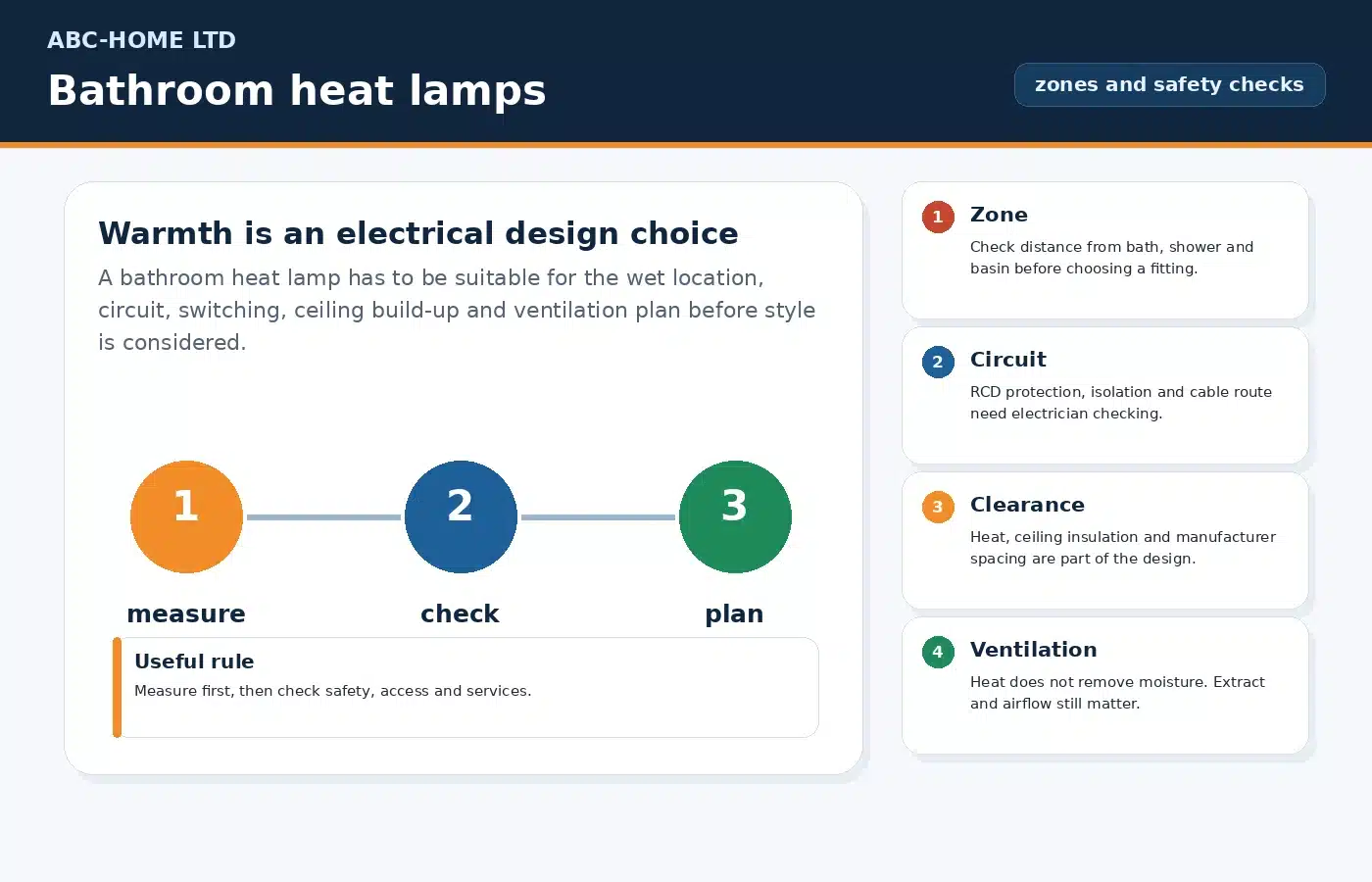
Towel warmers, also known as heated towel rails, are a popular feature in UK bathrooms, offering both functionality and luxury. These fixtures not only keep towels warm and dry but also contribute to overall bathroom heating, particularly useful in the UK’s often damp climate.
When selecting a towel warmer, homeowners have several options to consider. Electric models offer flexibility in terms of installation and can be used independently of the central heating system. Hydronic models, connected to the home’s hot water system, can be more energy-efficient but may require more extensive installation work.
It’s important to choose a towel warmer that complies with UK electrical safety standards and is suitable for use in bathroom environments. The installation should be carried out by a qualified professional to ensure compliance with regulations regarding electrical fixtures in wet areas.
9. Smart Technology: Enhancing the Spa Experience
Incorporating smart technology into bathroom design can significantly enhance the spa-like experience. From voice-controlled lighting and temperature settings to programmable shower systems, technology can add convenience and luxury to daily routines.
When integrating smart technology into UK bathrooms, it’s crucial to consider water and electrical safety. All electrical installations must comply with Part P of the Building Regulations, which sets out safety standards for electrical work in homes. This often requires the use of low-voltage systems or the installation of appropriate isolation switches.
Smart water management systems can also contribute to sustainability goals. Features such as leak detection sensors and water usage monitors can help homeowners conserve water and detect potential issues early, aligning with the UK’s increasing focus on water efficiency in buildings.
10. Biophilic Design: Connecting with Nature
Biophilic design, which incorporates natural elements into built environments, is gaining popularity in spa-inspired bathrooms. This approach can include the use of living plants, natural textures, and organic shapes to create a connection with nature and promote wellbeing.
When introducing plants into UK bathrooms, it’s important to choose species that thrive in high-humidity, low-light conditions. Proper drainage and ventilation are essential to prevent mould growth and water damage. Some popular options include ferns, bamboo, and certain orchid varieties.
For those concerned about maintenance, artificial plants or nature-inspired artwork can provide similar benefits without the care requirements. When selecting materials and finishes, options that mimic natural textures, such as wood-grain tiles or stone-effect surfaces, can contribute to the biophilic aesthetic while meeting practical bathroom requirements.
11. Minimalist Storage Solutions: Clutter-Free Serenity
A key aspect of creating a spa-like bathroom is maintaining a clutter-free environment. Minimalist storage solutions that keep everyday items out of sight contribute to a sense of calm and order. In UK homes, where space is often at a premium, clever storage design is particularly valuable.
Built-in cabinets and recessed shelving can maximise storage without encroaching on floor space. When planning such installations, it’s important to consider the structure of the walls and any potential impact on plumbing or electrical systems. In older UK properties, where walls may be uneven or made of materials like lathe and plaster, special care may be needed to ensure secure fixings.
For items that need to be easily accessible, consider sleek, wall-mounted options such as floating vanities or magnetically attached containers. These solutions can provide necessary storage while maintaining a clean, uncluttered look that aligns with spa-inspired design principles.
12. Acoustic Considerations: Sound and Silence
Creating a truly spa-like environment in a bathroom involves considering not just visual elements but also acoustic properties. In UK homes, where bathrooms are often in close proximity to living areas or bedrooms, sound insulation can be particularly important for privacy and relaxation.
When renovating a bathroom, consider incorporating sound-absorbing materials into the design. Acoustic tiles or panels can be used on walls or ceilings to reduce echo and create a more serene atmosphere. These materials should be suitable for use in high-humidity environments to prevent moisture-related issues.
For those installing audio systems in their bathrooms, waterproof speakers and controls designed for wet environments are essential. Any electrical installations must comply with UK regulations for bathroom zones, which dictate where and how electrical equipment can be installed based on proximity to water sources.
13. Sustainable Materials and Practices
Sustainability is an increasingly important consideration in UK bathroom design, aligning with both environmental concerns and building regulations. Incorporating eco-friendly materials and energy-efficient fixtures can create a spa-like atmosphere while minimising environmental impact.
When selecting materials, look for options with strong environmental credentials. Recycled glass tiles, sustainable wood products, and low-VOC paints are all options that can contribute to a healthier indoor environment. It’s important to verify that these materials meet UK standards for use in bathrooms, particularly in terms of water resistance and durability.
Water-saving fixtures, such as dual-flush toilets and low-flow taps, can significantly reduce water consumption without compromising the spa experience. Many of these products now come with stylish designs that enhance the overall aesthetic of the bathroom. When installing new plumbing fixtures, ensure they comply with UK water efficiency standards and are installed by a qualified professional.
14. Lighting Layers: Setting the Mood
Thoughtful lighting design is crucial in creating a spa-like atmosphere in the bathroom. A layered approach to lighting, combining ambient, task, and accent lighting, can provide both functionality and ambiance.
In UK bathrooms, where natural light may be limited, artificial lighting plays a particularly important role. LED lighting has become increasingly popular due to its energy efficiency and versatility. When installing lighting in bathrooms, it’s essential to adhere to IP (Ingress Protection) ratings specified in UK electrical regulations to ensure safety in wet environments.
Dimmer switches and colour-changing LED systems can add flexibility, allowing users to adjust the lighting to suit different moods or times of day. However, any electrical work in bathrooms must be carried out by a qualified electrician to ensure compliance with Part P of the Building Regulations.
15. Personalised Touches: Making It Your Own
While spa-inspired bathrooms often follow certain design principles, adding personalised touches can make the space truly unique and reflective of the homeowner’s tastes. This can include artwork, decorative accessories, or custom-made elements that contribute to the overall aesthetic and functionality of the space.
When incorporating personal items into a bathroom design, it’s important to consider the humid environment. Artwork should be properly sealed or framed to protect against moisture damage. For textiles such as rugs or curtains, choose materials that are mould-resistant and easy to clean.
Custom-made elements, such as bespoke vanities or shower enclosures, can be tailored to fit the specific dimensions and style of the bathroom. When commissioning custom work, ensure that the materials and construction methods comply with UK building standards for bathroom use.
Conclusion
Creating a spa-inspired bathroom involves careful consideration of design elements, materials, and technologies that can transform an ordinary space into a luxurious retreat. From freestanding baths and rainfall showers to smart technology and sustainable practices, there are numerous ways to enhance the bathroom experience.
When undertaking a bathroom renovation in the UK, it’s crucial to balance aesthetic desires with practical considerations and regulatory compliance. Working with qualified professionals, such as those found at ABC Home, can help ensure that your spa-inspired bathroom not only looks beautiful but also meets all necessary safety and building standards.
By thoughtfully incorporating these elements and personalising the space to suit individual preferences, homeowners can create a bathroom that offers a daily dose of luxury and relaxation, right in the comfort of their own homes.