Understanding the Concept of Spa-Inspired Bathrooms
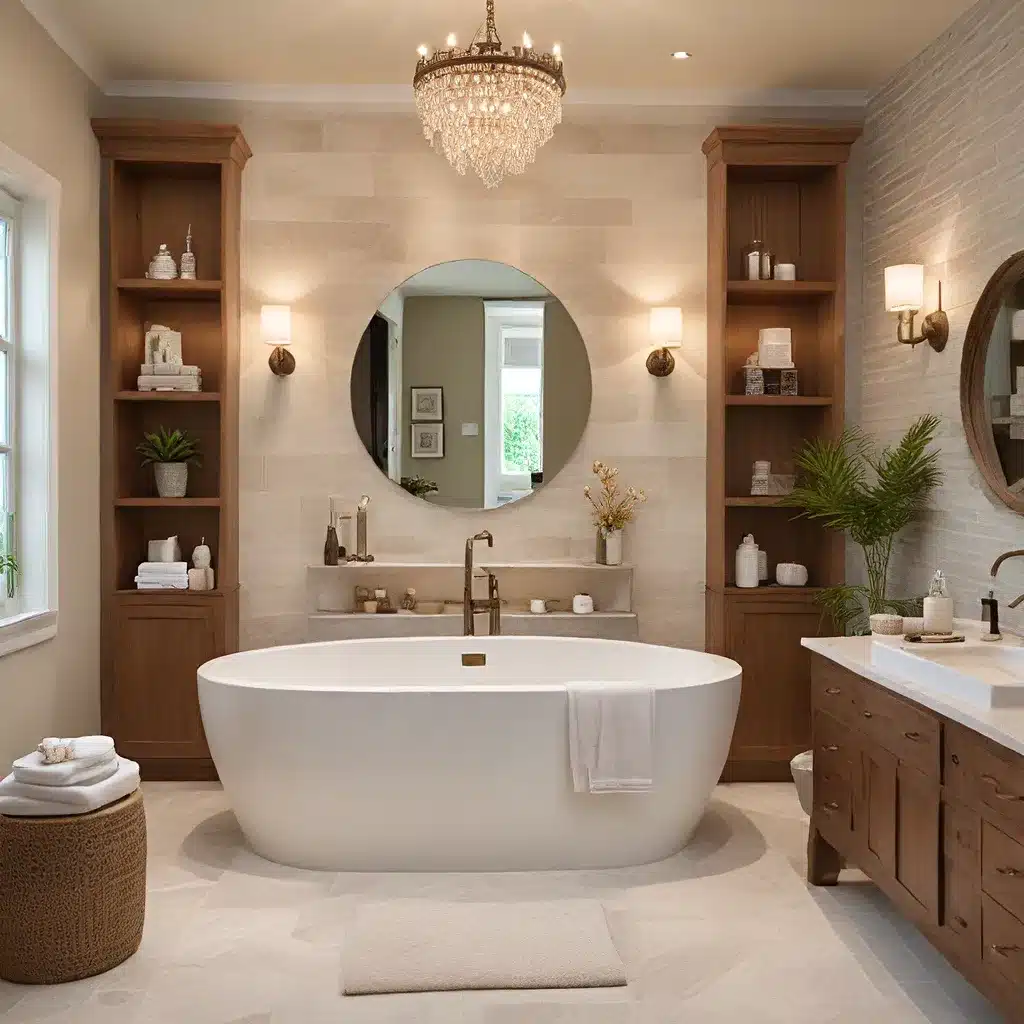
The modern bathroom has evolved far beyond its basic functional purpose. In recent years, there has been a growing trend towards creating bathroom spaces that offer a retreat-like atmosphere, mirroring the tranquil environment of a high-end spa. This shift reflects a broader change in how we perceive our living spaces, particularly in the United Kingdom, where the emphasis on home improvement and wellness has gained significant traction.
A spa-inspired bathroom is characterised by its ability to promote relaxation and rejuvenation. It combines thoughtful design elements, carefully selected materials, and a harmonious blend of aesthetics and functionality. The goal is to create an environment that not only meets practical needs but also provides a sanctuary for mental and physical refreshment.
In the UK, this concept has taken root in both urban and rural settings, with homeowners and property developers recognising the value of a well-designed bathroom. The appeal lies not just in the immediate enjoyment of the space, but also in the potential increase in property value. According to recent market analyses, a high-quality bathroom renovation can yield a return on investment of up to 70% in certain areas of the UK.
Key Elements of a Spa-Inspired Bathroom
Colour Palette and Lighting
The foundation of a spa-inspired bathroom lies in its colour scheme and lighting design. Soft, muted tones are typically favoured, with shades of white, beige, and light grey being particularly popular. These colours create a sense of spaciousness and cleanliness, essential attributes of a spa-like environment.
Natural light plays a crucial role in enhancing the spa atmosphere. Where possible, large windows or skylights should be incorporated to allow ample daylight. For artificial lighting, a layered approach is recommended. This includes:
- Ambient lighting: Soft, diffused overhead lighting to provide general illumination.
- Task lighting: Focused lighting around mirrors and vanity areas for grooming activities.
- Accent lighting: Subtle lighting features to highlight architectural elements or create a relaxing ambiance.
Dimmer switches are a valuable addition, allowing for adjustable lighting levels to suit different moods and times of day.
Materials and Textures
The choice of materials in a spa-inspired bathroom is crucial for creating the right atmosphere. Natural materials are often preferred for their tactile qualities and connection to the outdoors. Some popular options include:
| Material | Benefits | Considerations |
|---|---|---|
| Natural stone (e.g., marble, slate) | Luxurious appearance, durability | Higher cost, requires sealing |
| Wood | Warmth, natural feel | Must be treated for moisture resistance |
| Glass | Creates sense of openness, easy to clean | Can be cold to touch, requires frequent cleaning |
| Porcelain tiles | Durable, wide range of designs | Can be slippery when wet |
Textural elements are equally important. Incorporating a mix of smooth and textured surfaces can add depth and interest to the space. For example, combining polished marble countertops with textured wall tiles or a wooden vanity can create a pleasing contrast.
Fixtures and Fittings
The selection of fixtures and fittings in a spa-inspired bathroom should prioritise both aesthetics and functionality. High-quality, water-efficient fixtures are not only visually appealing but also align with UK building regulations regarding water conservation.
Some key elements to consider include:
-
Bathtub: A freestanding tub can serve as a striking focal point. Options range from classic clawfoot designs to modern sculptural pieces.
-
Shower: A walk-in shower with a rainfall showerhead can provide a luxurious bathing experience. Consider including additional features such as body jets or a handheld shower option.
-
Toilet: Choose a model with clean lines and a quiet flush mechanism. Wall-hung toilets are popular for their sleek appearance and ease of cleaning.
-
Sink and vanity: A double vanity with ample storage can enhance both functionality and aesthetic appeal. Vessel sinks or undermount designs are common choices in spa-inspired bathrooms.
-
Taps and hardware: Opt for high-quality, durable finishes such as brushed nickel or oil-rubbed bronze. Ensure all fittings comply with UK water regulations.
When selecting these elements, it’s important to consider the overall design cohesion. Mixing different styles can disrupt the serene atmosphere you’re aiming to create.
Layout and Space Optimisation
Designing for Flow and Functionality
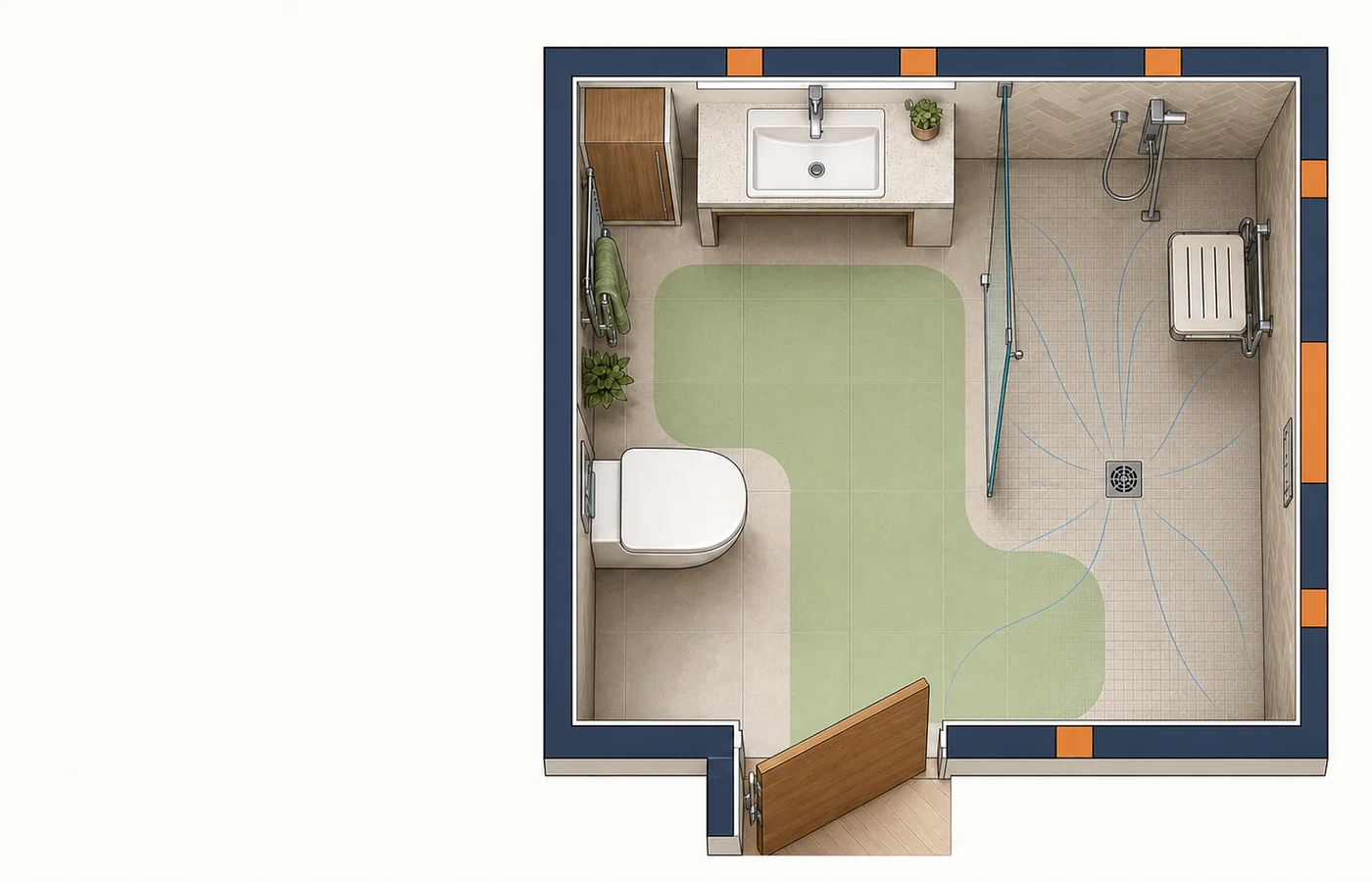
The layout of a spa-inspired bathroom should promote a sense of calm and effortless movement. This begins with a thoughtful floor plan that considers the placement of each element in relation to others. The goal is to create a space that feels open and uncluttered, even in smaller bathrooms.
Key considerations for layout design include:
- Traffic flow: Ensure there’s ample space to move between fixtures without obstruction.
- Focal point: Determine a central feature, such as a freestanding bath or a large window, and arrange other elements around it.
- Symmetry and balance: While perfect symmetry isn’t necessary, a balanced arrangement of fixtures and features can enhance the feeling of calm.
In the UK, where bathrooms are often compact, clever space utilisation is crucial. Consider the following strategies:
- Use corner fixtures to maximise floor space
- Install wall-mounted units to create the illusion of more floor area
- Incorporate multi-functional elements, such as a shower-bath combination
It’s also important to adhere to UK building regulations regarding minimum space requirements for bathroom fixtures. For example, there should be at least 600mm of clear space in front of the WC and 700mm in front of the washbasin.
Storage Solutions
Effective storage is essential in maintaining the clutter-free environment characteristic of a spa-like bathroom. Hidden storage options help preserve the clean lines and open feel of the space. Consider:
- Vanity units: Choose designs with ample drawer and cupboard space.
- Recessed shelving: Built-in niches in shower areas or above the bath provide storage without protruding into the room.
- Medicine cabinets: Modern, sleek designs can provide hidden storage behind mirrors.
- Towel warmers: These serve a dual purpose of storage and comfort.
When planning storage, think vertically as well as horizontally. Tall cabinets or shelving units can maximise storage in a small footprint.
Accessibility Considerations
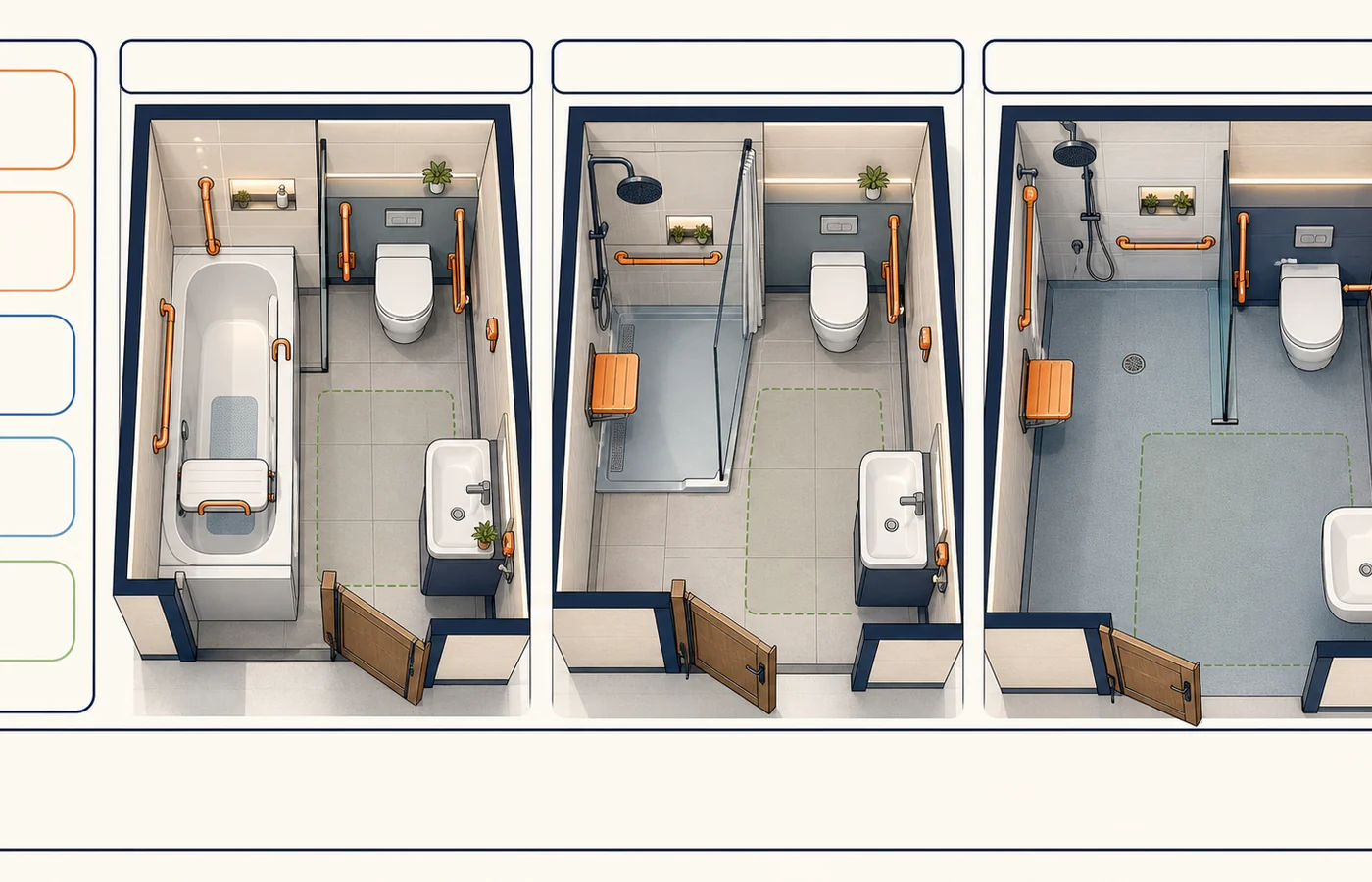
While creating a luxurious spa-like atmosphere, it’s crucial not to overlook accessibility. In the UK, building regulations require consideration for users with varying abilities. Some key points to address include:
- Ensuring doorways are wide enough (minimum 800mm) for wheelchair access
- Installing grab bars near the toilet and in the shower area
- Considering a walk-in shower with a low or no threshold
- Choosing lever-style taps that are easy to operate
These features can be integrated seamlessly into the design, maintaining the spa aesthetic while enhancing functionality for all users.
Heating and Ventilation
Underfloor Heating
Underfloor heating is an excellent addition to a spa-inspired bathroom, providing even, comfortable warmth underfoot. In the UK, where chilly mornings are common, this feature can significantly enhance the bathroom experience.
There are two main types of underfloor heating systems:
- Water-based (wet) systems: These circulate warm water through pipes beneath the floor.
- Electric (dry) systems: These use electric heating cables or mats.
While water-based systems are generally more energy-efficient for larger areas, electric systems are often preferred for bathrooms due to their easier installation and lower profile, which is beneficial when retrofitting existing spaces.
When installing underfloor heating, it’s important to consider:
- The type of flooring material (natural stone and tiles are ideal conductors)
- Insulation requirements to maximise efficiency
- Integration with the home’s overall heating system
- Compliance with Part L of the UK Building Regulations regarding energy efficiency
Effective Ventilation Strategies
Proper ventilation is crucial in a bathroom to prevent moisture build-up, which can lead to mould growth and damage to fixtures and finishes. In the UK, building regulations (specifically Part F) stipulate minimum ventilation requirements for bathrooms.
Effective ventilation strategies include:
-
Extractor fans: These should be capable of extracting at least 15 litres of air per second. Consider models with humidity sensors for automatic operation.
-
Window ventilation: If the bathroom has a window, ensure it can be opened for natural ventilation. However, this alone is usually not sufficient to meet regulations.
-
Heat recovery ventilation: These systems extract moist air while recovering heat, improving energy efficiency.
-
Passive ventilation: In some cases, trickle vents or air bricks can supplement mechanical ventilation.
It’s important to position ventilation outlets to effectively remove steam and odours. Typically, they should be placed high on walls or in the ceiling, away from the door to encourage airflow across the room.
Towel Warmers and Radiators
Heated towel rails serve both practical and aesthetic purposes in a spa-inspired bathroom. They keep towels warm and dry while contributing to the overall heating of the space. When selecting a towel warmer, consider:
- Size and heat output in relation to the room size
- Design compatibility with the overall aesthetic
- Dual-fuel options that can operate on central heating or electricity
- Energy efficiency ratings
In larger bathrooms, additional radiators may be necessary to maintain comfortable temperatures. These can be designed to complement the spa-like atmosphere, with sleek, minimalist styles available.
Water Efficiency and Sustainability
Water-Saving Fixtures
In line with UK building regulations and environmental concerns, incorporating water-efficient fixtures is essential in a modern bathroom design. This not only reduces water consumption but can also lead to significant savings on water bills.
Key water-saving features to consider include:
-
Dual-flush toilets: These allow users to choose between a full or reduced flush, typically saving 4-6 litres per flush compared to older models.
-
Low-flow showerheads: Modern designs can reduce water flow without compromising the shower experience. Look for models with a flow rate of 8 litres per minute or less.
-
Aerated taps: These mix air with water to maintain pressure while reducing flow. They can cut water usage by up to 50% compared to standard taps.
-
Sensor-operated taps: While more common in commercial settings, these can be an excellent choice for family bathrooms, preventing taps from being left running.
When selecting these fixtures, ensure they comply with the Water Supply (Water Fittings) Regulations 1999, which set standards for water efficiency in the UK.
Greywater Recycling Systems
Greywater recycling is an innovative approach to water conservation that’s gaining traction in the UK. These systems collect water from sinks, showers, and baths, treat it, and repurpose it for toilet flushing or garden irrigation.
While the initial installation cost can be significant, greywater systems can reduce household water consumption by up to 30%. When considering a greywater system, it’s important to:
- Consult with a specialist to ensure the system is appropriate for your property
- Check local planning regulations, as some systems may require approval
- Consider the maintenance requirements and ongoing costs
Sustainable Materials and Practices
Incorporating sustainable materials and practices in your bathroom renovation not only benefits the environment but can also contribute to a healthier living space. Consider the following:
-
Recycled and reclaimed materials: Look for tiles made from recycled glass or reclaimed wood for vanities.
-
Low-VOC paints and sealants: These reduce indoor air pollution and are particularly important in enclosed spaces like bathrooms.
-
Energy-efficient lighting: LED lights use significantly less energy than traditional bulbs and have a longer lifespan.
-
Locally sourced materials: This reduces transportation emissions and supports local businesses.
-
Sustainable wood: If using wood, choose products certified by the Forest Stewardship Council (FSC) to ensure responsible sourcing.
When selecting materials and fixtures, consider their entire lifecycle, including production, transportation, use, and eventual disposal or recycling.
Luxury Features and Technology
Smart Bathroom Technology
The integration of smart technology in bathrooms is a growing trend, offering enhanced comfort, efficiency, and luxury. Some innovative features to consider include:
-
Smart mirrors: These can incorporate features like LED lighting, demisting functions, and even built-in displays for news or weather updates.
-
Digital shower controls: Allowing precise temperature and flow control, with options for pre-set personalised shower experiences.
-
Automatic taps and soap dispensers: Enhancing hygiene and water efficiency through touch-free operation.
-
Smart toilets: Features can include automatic flushing, self-cleaning functions, and heated seats.
-
Connected scales and health monitors: For those interested in tracking health metrics as part of their daily routine.
When incorporating smart technology, ensure compatibility with UK electrical standards and consider the need for professional installation to comply with regulations.
Luxury Shower and Bath Features
To truly capture the spa experience, consider incorporating luxury features in your shower and bath areas:
-
Rainfall showerheads: Providing a gentle, immersive shower experience.
-
Body jets: Multiple water jets positioned at different heights for a massaging effect.
-
Chromotherapy lighting: Colour-changing LED lights in the shower or bath area for mood enhancement.
-
Steam shower: A enclosed shower unit that can generate steam for a sauna-like experience.
-
Whirlpool or air jet baths: Offering hydrotherapy benefits for relaxation and muscle relief.
-
Heated bath surfaces: Ensuring comfort when entering and exiting the bath.
When selecting these features, consider water and energy usage to balance luxury with efficiency. Also, ensure that any electrical components are installed in compliance with UK regulations for bathroom electrics (Part P of the Building Regulations).
Audio-Visual Elements
Incorporating audio-visual elements can enhance the sensory experience of your spa-inspired bathroom:
-
Waterproof speakers: For enjoying music or podcasts while bathing or showering.
-
Integrated television: Carefully positioned screens, often behind waterproof glass, for entertainment during long soaks.
-
Mood lighting: Programmable LED systems that can change colour and intensity to suit different moods or times of day.
-
Digital art displays: Waterproof digital frames that can display changing artworks or scenic views.
When installing these elements, it’s crucial to work with a qualified electrician to ensure all components meet IP (Ingress Protection) ratings appropriate for bathroom use and comply with UK electrical safety standards.
Regulatory Compliance and Building Considerations
UK Building Regulations for Bathrooms
When undertaking a bathroom renovation in the UK, it’s essential to adhere to the relevant building regulations. These regulations ensure safety, accessibility, and efficiency in bathroom design and construction. Key areas to consider include:
-
Part G – Sanitation, Hot Water Safety and Water Efficiency: This covers the provision of adequate sanitary facilities, hot water safety, and water efficiency measures.
-
Part F – Ventilation: Ensures proper ventilation to prevent moisture-related issues.
-
Part P – Electrical Safety: Governs the installation of electrical fixtures in bathrooms.
-
Part M – Access to and Use of Buildings: Addresses accessibility requirements, particularly relevant for ground floor bathrooms or homes designed for elderly or disabled residents.
-
Part L – Conservation of Fuel and Power: Relates to energy efficiency in heating and lighting systems.
It’s advisable to consult with a building control officer or a certified bathroom designer to ensure full compliance with these regulations.
Planning Permission and Listed Buildings
In most cases, internal bathroom renovations do not require planning permission. However, there are exceptions:
- If you’re extending your property to accommodate a new bathroom
- If you’re making significant changes to a listed building
- If your property is in a conservation area with specific restrictions
For listed buildings, even internal changes may require Listed Building Consent. It’s crucial to check with your local planning authority before commencing any work.
Professional Certifications and Warranties
When hiring professionals for your bathroom renovation, look for relevant certifications and warranties:
-
Gas Safe Register: Essential for any work involving gas heating systems.
-
NICEIC or ELECSA certification: For electrical work in bathrooms.
-
FMB (Federation of Master Builders) membership: Indicates a reputable building contractor.
-
Manufacturers’ warranties: Ensure all fixtures and fittings come with appropriate warranties.
-
Insurance-backed guarantees: Offer protection in case the contractor goes out of business.
Always verify the credentials of any professionals you hire and ensure they provide detailed written quotes and contracts.
Cost Considerations and Budgeting
Estimating Renovation Costs
The cost of creating a spa-inspired bathroom can vary widely depending on the scale of the project, the quality of materials, and the specific features included. As of September 2024, in the UK, you might expect the following cost ranges:
| Renovation Level | Estimated Cost Range (GBP) | Description |
|---|---|---|
| Basic Refresh | £3,000 – £7,000 | Simple updates to fixtures, paint, and accessories |
| Mid-Range Renovation | £7,000 – £15,000 | New fixtures, some layout changes, quality finishes |
| High-End Transformation | £15,000 – £30,000+ | Luxury fixtures, significant layout changes, custom features |
These estimates include labour costs but can vary depending on your location in the UK and the complexity of the work required.
Budgeting Strategies
To effectively budget for your bathroom renovation:
-
Prioritise key elements: Decide which features are must-haves and which are nice-to-haves.
-
Get multiple quotes: Obtain detailed quotes from at least three reputable contractors.
-
Allow for contingencies: Set aside 10-20% of your budget for unexpected costs.
-
Consider long-term savings: Investing in energy-efficient fixtures can lead to lower utility bills over time.
-
Explore financing options: Look into home improvement loans or remortgaging if necessary.
-
Phase the renovation: If budget is tight, consider completing the project in stages.
Remember to factor in additional costs such as temporary accommodation if the renovation will make your bathroom unusable for an extended period.
Return on Investment
While a spa-inspired bathroom can significantly enhance your quality of life, it’s also worth considering the potential return on investment (ROI) if you plan to sell your property in the future. In the UK property market, a well-designed bathroom renovation can typically recoup 60-70% of its cost in increased property value.
Factors that can positively impact ROI include:
- High-quality, timeless design choices
- Energy-efficient fixtures and appliances
- Adherence to current trends without being overly trendy
- Proper execution and finish quality
To maximise potential ROI, focus on creating a space that appeals to a broad range of potential buyers while still maintaining the luxurious, spa-like atmosphere.
Maintenance and Longevity
Cleaning and Care for Spa-Like Bathrooms
Maintaining the pristine condition of a spa-inspired bathroom is crucial for preserving its luxurious feel and ensuring the longevity of its features. Here are some key maintenance considerations:
- Natural stone surfaces:
- Clean with pH-neutral cleaners to avoid etching or discolouration.
- Seal annually to protect against stains and water damage.
-
Avoid abrasive cleaning tools that can scratch the surface.
-
Glass shower enclosures:
- Use a squeegee after each use to prevent water spots and soap scum build-up.
-
Apply a water-repellent coating annually for easier cleaning.
-
High-end fixtures:
- Clean with soft cloths and mild, non-abrasive cleaners to maintain finish.
-
Address any leaks or drips promptly to prevent water damage and mineral build-up.
-
Wood elements:
- Regularly check and maintain seals to protect against moisture damage.
-
Use wood-specific cleaners and avoid excessive water exposure.
-
Grout and tile:
- Clean grout lines regularly with a soft brush and appropriate cleaner.
-
Consider applying a grout sealer annually, especially in high-moisture areas.
-
Smart technology:
- Follow manufacturer guidelines for cleaning and maintenance.
- Keep software updated for optimal performance and security.
Establish a regular cleaning routine and address any issues promptly to maintain the bathroom’s spa-like ambiance and functionality.
Long-Term Care and Renovations
To ensure your spa-inspired bathroom remains a luxurious retreat for years to come, consider the following long-term care strategies:
-
Regular inspections: Conduct thorough inspections every 6-12 months to identify any potential issues early.
-
Sealant and grout maintenance: Reapply sealants and replace grout as needed, typically every 2-3 years.
-
Ventilation system servicing: Have extractor fans and ventilation systems professionally cleaned and serviced annually.
-
Plumbing check-ups: Schedule professional plumbing inspections every 2-3 years to catch any hidden issues.
-
Update technology: Keep smart features updated and replace outdated technology as needed.
-
Refresh decor: Periodically update smaller elements like towels, bath mats, and accessories to maintain a fresh look.
By staying proactive with maintenance and making minor updates as needed, you can extend the life of your bathroom and delay the need for major renovations.
Sustainable Practices in Bathroom Maintenance
Incorporating sustainable practices in your bathroom maintenance routine not only benefits the environment but can also lead to cost savings over time:
-
Use eco-friendly cleaning products: Opt for biodegradable, non-toxic cleaners to reduce chemical exposure and environmental impact.
-
Implement water-saving habits: Fix leaks promptly and consider installing water-saving devices like tap aerators.
-
Energy-efficient lighting: Replace bulbs with LED options as they burn out.
-
Responsible waste management: Properly dispose of or recycle old fixtures, packaging, and cleaning product containers.
-
Choose durable, long-lasting materials: When replacements are necessary, opt for high-quality, sustainable materials that will stand the test of time.
-
Regular maintenance of water-efficient fixtures: Ensure low-flow showerheads and dual-flush toilets continue to operate at peak efficiency.
By adopting these practices, you can maintain your spa-like bathroom while minimising its environmental footprint.
Personalisation and Styling
Incorporating Personal Elements
While adhering to the principles of spa-inspired design, it’s important to infuse your bathroom with personal touches that reflect your individual style and preferences. This personalisation can transform the space from a generic luxury bathroom into a truly bespoke retreat. Consider the following approaches:
-
Artwork selection: Choose waterproof art pieces that resonate with your taste and complement the overall design. Abstract pieces or nature photography often work well in spa-like settings.
-
Colour accents: While maintaining a serene base palette, introduce subtle colour accents through towels, bath mats, or decorative items that reflect your personal colour preferences.
-
Signature scents: Select aromatherapy diffusers or candles with fragrances that you find particularly relaxing or uplifting.
-
Meaningful objects: Incorporate small decorative items that hold personal significance, such as souvenirs from travels or family heirlooms, as long as they can withstand bathroom humidity.
-
Custom storage solutions: Design storage units that cater to your specific needs and daily routines, ensuring everything has its designated place.
-
Personalised technology: If incorporating smart features, customise settings to align with your preferences, such as preferred shower temperatures or morning playlist.
Remember, the goal is to create a space that feels uniquely yours while maintaining the calm, luxurious atmosphere of a spa retreat.
Styling for Different Aesthetics
While spa-inspired bathrooms often lean towards a minimalist aesthetic, there’s room to adapt the concept to different design styles. Here are some approaches to styling your spa-like bathroom to align with various aesthetics:
- Contemporary:
- Clean lines and geometric shapes
- Monochromatic colour schemes with occasional bold accents
- Sleek, handleless cabinetry
-
Large-format tiles or seamless surfaces
-
Traditional:
- Classic fixtures with ornate details
- Warm, rich colour palettes
- Freestanding clawfoot tub as a centrepiece
-
Detailed millwork and crown moulding
-
Rustic:
- Natural, raw materials like wood and stone
- Earthy colour schemes
- Vessel sinks made from natural materials
-
Exposed beams or reclaimed wood accents
-
Coastal:
- Light, airy colour palette with blues and sandy tones
- Natural textures like rope or driftwood
- Shiplap or beadboard wall treatments
-
Sea-inspired decorative elements
-
Industrial:
- Exposed pipework and fixtures
- Concrete or metal surfaces
- Utilitarian lighting fixtures
- Monochromatic colour scheme with metal accents
Whichever aesthetic you choose, ensure it aligns with the overall style of your home for a cohesive feel.
Seasonal Updates and Refresh Ideas
Keeping your spa-inspired bathroom feeling fresh and current doesn’t always require major renovations. Consider these ideas for seasonal updates:
- Spring refresh:
- Introduce light, fresh colours through new towels and bath mats
- Add potted plants or fresh flowers for a touch of nature
-
Replace heavy winter scents with light, floral fragrances
-
Summer cool:
- Swap out dark textiles for crisp whites and blues
- Incorporate coastal-inspired accessories
-
Use light, citrusy scents for a refreshing atmosphere
-
Autumn warmth:
- Introduce warm, rich tones through textiles and accessories
- Add plush bath rugs for comfort on cooler mornings
-
Use scents like cinnamon or vanilla for a cosy feel
-
Winter luxe:
- Incorporate metallic accents for a festive touch
- Add extra layers of softness with fluffy towels and robes
-
Use deep, warming scents like cedarwood or pine
-
Year-round updates:
- Rotate artwork seasonally
- Update small decor items like soap dispensers or toothbrush holders
- Refresh shower curtains or window treatments for an instant change
These seasonal touches can keep your bathroom feeling current and aligned with the changing moods of the year, enhancing the spa-like experience throughout the seasons.
Conclusion
Creating a spa-inspired bathroom is more than just a design trend; it’s an investment in your daily wellbeing and your home’s value. By carefully considering elements such as layout, materials, fixtures, and personalisation, you can transform an ordinary bathroom into a luxurious retreat that offers relaxation and rejuvenation.
Remember to balance aesthetic choices with practical considerations like water efficiency, energy conservation, and adherence to UK building regulations. Regular maintenance and thoughtful updates will ensure your spa-like bathroom remains a sanctuary for years to come.
Whether you’re undertaking a full renovation or making smaller updates, the key is to create a space that feels serene, luxurious, and uniquely yours. With the right approach, your bathroom can become more than just a functional space – it can be a daily escape, a personal spa experience within the comfort of your own home.
For professional assistance in bringing your spa-inspired bathroom vision to life, consider reaching out to experienced bathroom fitters. Visit our home page to explore how we can help you create your perfect bathroom sanctuary.