Understanding the Potential of Loft Conversions
Loft conversions have become an increasingly popular choice for homeowners in the UK seeking to expand their living space without the need for external extensions. These transformations of previously underutilised attic areas can add significant value to a property while providing additional functional rooms. In Aberdeen and across the UK, the trend towards maximising existing home footprints has led to a surge in loft conversion projects.
The appeal of loft conversions lies in their ability to work within the existing structure of a home. By repurposing the often-neglected attic space, homeowners can create additional bedrooms, home offices, or recreational areas without altering the external appearance of their property. This approach not only preserves the architectural integrity of the neighbourhood but also often bypasses the need for planning permission, making it an attractive option for those looking to expand their living space quickly and efficiently.
However, undertaking a loft conversion is not without its challenges. Homeowners must consider structural implications, building regulations, and the practicalities of creating a comfortable living space in what was once a storage area. The process requires careful planning, design expertise, and a thorough understanding of UK building standards to ensure the new space is safe, functional, and compliant with all relevant regulations.
Regulatory Landscape for Loft Conversions in the UK
Building Regulations and Planning Permission
In the UK, loft conversions are subject to stringent building regulations designed to ensure safety, structural integrity, and energy efficiency. As of September 2024, most loft conversions fall under ‘permitted development rights’, meaning they do not require planning permission. However, this is contingent on the conversion meeting specific criteria:
- The additional space must not exceed 40 cubic metres for terraced houses or 50 cubic metres for detached and semi-detached houses.
- The conversion must not extend beyond the plane of the existing roof slope at the front of the house.
- No part of the extension can be higher than the highest part of the existing roof.
- Materials used in external work must be similar in appearance to those of the existing house.
It’s important to note that these rules may vary in conservation areas or for listed buildings, where stricter regulations often apply. In such cases, homeowners should consult with their local planning authority before proceeding with any work.
Structural Considerations and Safety Standards
The structural integrity of the existing building is paramount when planning a loft conversion. UK building regulations require that the new floor can support the increased load and that the existing structure can bear the additional weight. This often necessitates the installation of new support beams and potentially the reinforcement of existing walls and foundations.
Fire safety is another critical aspect of loft conversion regulations. The new space must have adequate means of escape in case of fire, which typically involves installing fire-resistant doors and ensuring there is a clear escape route. Additionally, smoke alarms must be fitted on every storey of the house, including the new loft space.
Energy Efficiency and Insulation Requirements
As part of the UK’s commitment to reducing carbon emissions, loft conversions must meet current energy efficiency standards. This includes installing adequate insulation to prevent heat loss and ensure the space is comfortable year-round. The specific requirements for insulation thickness and thermal performance are outlined in the building regulations and may vary depending on the type of roof and construction method used.
Design Considerations for Modern Loft Conversions
Maximising Space and Light
One of the primary challenges in loft conversion design is making the most of the available space while ensuring adequate headroom and natural light. Clever design solutions can help overcome these obstacles:
- Dormer windows: These projections from the existing roof slope can significantly increase usable floor space and headroom.
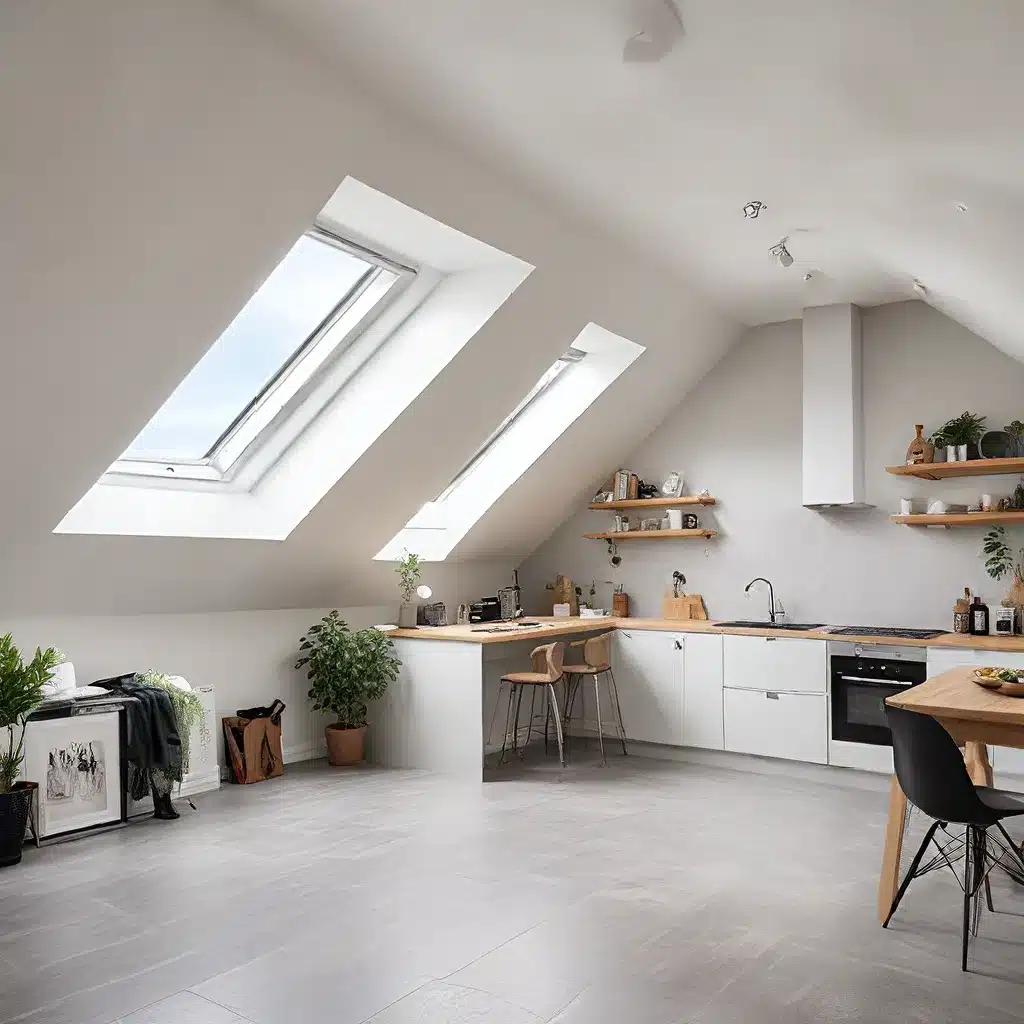
- Roof lights: Installing skylights or roof windows can flood the space with natural light without altering the external roofline.
- Open-plan layouts: Removing internal walls where possible can create a sense of spaciousness and improve light distribution.
Integrating with Existing Architecture
A well-designed loft conversion should seamlessly blend with the existing architecture of the home. This involves careful consideration of both internal and external aesthetics:
- Matching materials: Using roofing materials and finishes that complement the existing structure helps maintain visual coherence.
- Staircase design: The new staircase should be integrated thoughtfully, both in terms of its placement within the existing floor plan and its style in relation to the home’s interior design.
- Interior finishes: Choosing wall coverings, flooring, and fixtures that harmonise with the rest of the house creates a cohesive look.
Functional Layout Planning
The specific use intended for the loft space will greatly influence its design. Common configurations include:
- Bedroom with en-suite: Maximising privacy and convenience for a master suite or guest room.
- Home office: Creating a quiet, productive workspace separated from the main living areas.
- Multi-purpose room: Designing flexible spaces that can adapt to changing needs over time.
Careful consideration of storage solutions is also crucial in loft conversions, where sloped ceilings and irregular shapes can present challenges. Built-in storage units, under-eaves cupboards, and custom furniture can help make the most of every nook and cranny.
Cost Management and Budgeting for Loft Conversions
Estimating Project Costs
The cost of a loft conversion can vary widely depending on the scale and complexity of the project. As of September 2024, typical costs for loft conversions in the UK range from £30,000 to £50,000 for a basic conversion, while more complex projects with high-end finishes can exceed £80,000.
Here’s a breakdown of potential costs for different types of loft conversions:
| Conversion Type | Estimated Cost Range (GBP) |
|---|---|
| Roof light | £30,000 – £40,000 |
| Dormer | £40,000 – £60,000 |
| Hip-to-gable | £45,000 – £65,000 |
| Mansard | £55,000 – £80,000+ |
These estimates include materials, labour, and standard fixtures and fittings. However, costs can increase significantly with high-end materials, bespoke design elements, or complex structural work.
Factors Affecting Costs
Several factors can influence the overall cost of a loft conversion:
- Property location: Labour and material costs can vary significantly across different regions of the UK.
- Structural changes: The need for extensive reinforcement or alterations to the existing structure can add substantial costs.
- Access: Difficult access to the property or loft space may increase labour costs and time.
- Plumbing and electrics: Installing new bathroom facilities or complex electrical systems will add to the overall expense.
- Finish quality: The choice of materials, fixtures, and fittings can greatly impact the final cost.
Financing Options and Return on Investment
For many homeowners, financing a loft conversion requires careful consideration. Common options include:
- Remortgaging: Leveraging existing home equity to fund the project.
- Home improvement loans: Specific loans designed for property renovations.
- Personal savings: Using accumulated savings to avoid interest charges.
When considering the financial implications of a loft conversion, it’s important to factor in the potential return on investment. In many areas of the UK, a well-executed loft conversion can add 20% or more to the value of a property. This can make it a sound investment, particularly in areas with high property values.
Sustainable Building Practices in Loft Conversions
Energy-Efficient Design
Incorporating energy-efficient design principles into loft conversions not only helps reduce environmental impact but can also lead to significant long-term cost savings for homeowners. Key considerations include:
- High-performance insulation: Using materials with excellent thermal properties to minimise heat loss.
- Double or triple-glazed windows: Reducing heat transfer and improving overall thermal efficiency.
- Smart heating controls: Installing zoned heating systems to manage temperature more effectively in the new space.
Sustainable Materials and Construction Methods
The choice of materials can significantly impact the sustainability of a loft conversion project. Options to consider include:
- Recycled or reclaimed materials: Using salvaged timber or recycled insulation where possible.
- Low-VOC paints and finishes: Opting for products with reduced volatile organic compounds to improve indoor air quality.
- Locally sourced materials: Reducing transport emissions and supporting local economies.
Renewable Energy Integration
For homeowners looking to further enhance the sustainability of their loft conversion, integrating renewable energy systems can be an attractive option. Solar panels, for example, can be incorporated into the new roof design, potentially offsetting a significant portion of the home’s energy consumption.
Managing the Loft Conversion Process
Selecting the Right Professionals
Choosing experienced and reputable professionals is crucial for the success of a loft conversion project. Key roles to consider include:
- Architect or designer: To create detailed plans and ensure the design meets both aesthetic and functional requirements.
- Structural engineer: To assess and plan for the structural implications of the conversion.
- Building contractor: To carry out the construction work to the required standards.
- Building control officer: To inspect the work at various stages and ensure compliance with regulations.
When selecting professionals, it’s advisable to:
- Check qualifications and accreditations
- Review past projects and client testimonials
- Obtain detailed quotes from multiple providers
- Ensure all necessary insurance and warranties are in place
Project Timeline and Milestones
A typical loft conversion project can take anywhere from 6 to 12 weeks, depending on the complexity of the work. A basic project timeline might look like this:
- Design and planning: 2-4 weeks
- Obtaining necessary approvals: 2-8 weeks (if planning permission is required)
- Structural work: 2-3 weeks
- First fix (electrics, plumbing): 1-2 weeks
- Insulation and plastering: 1-2 weeks
- Second fix and finishing: 2-3 weeks
It’s important to build in contingency time for unforeseen issues or delays, particularly when working with older properties where unexpected structural problems may be discovered during the conversion process.
Minimising Disruption to Daily Life
Living in a home undergoing a loft conversion can be challenging. To minimise disruption:
- Establish clear communication channels with the building team
- Set realistic expectations for noise levels and working hours
- Create temporary storage solutions for items displaced from the attic
- Consider alternative arrangements for particularly disruptive phases of the project
Future-Proofing Your Loft Conversion
Adaptable Design for Changing Needs
When planning a loft conversion, it’s wise to consider how the space might be used in the future. Incorporating flexibility into the design can ensure the conversion remains valuable and functional for years to come. This might include:
- Installing adequate electrical outlets and data points to accommodate various uses
- Designing the layout to allow for easy reconfiguration
- Considering the potential for future bathroom installations by roughing in plumbing
Smart Home Integration
Integrating smart home technology into a loft conversion can enhance its functionality and efficiency. Options to consider include:
- Smart lighting systems for improved energy efficiency and ambiance control
- Automated climate control to maintain comfortable temperatures
- Security features such as smart locks and cameras
Accessibility Considerations
While not always immediately necessary, considering accessibility in the design of a loft conversion can be beneficial in the long term. This might involve:
- Installing wider doorways to accommodate potential future mobility needs
- Planning for the possibility of adding a small lift or stairlift in the future
- Ensuring bathroom designs can be easily adapted for accessibility if needed
Conclusion
Loft conversions offer a unique opportunity to expand living space and add value to a property without the need for external extensions. By carefully considering regulatory requirements, design principles, cost management, and sustainability factors, homeowners in the UK can create beautiful and functional spaces that enhance their homes for years to come.
As with any significant home improvement project, the key to a successful loft conversion lies in thorough planning, professional execution, and attention to detail. By following the guidelines and considerations outlined in this article, homeowners can navigate the complexities of loft conversions with confidence, creating spaces that are not only compliant with UK building regulations but also tailored to their specific needs and aspirations.
For those considering a loft conversion, the journey from planning to completion can be both exciting and rewarding. With the right approach and professional support, the transformation of an underutilised attic into a valuable living space can significantly enhance both the functionality and value of a home.
For more information on home extensions and conversions, visit ABC Home’s extension and conversion page to explore additional resources and expert advice tailored to UK homeowners.