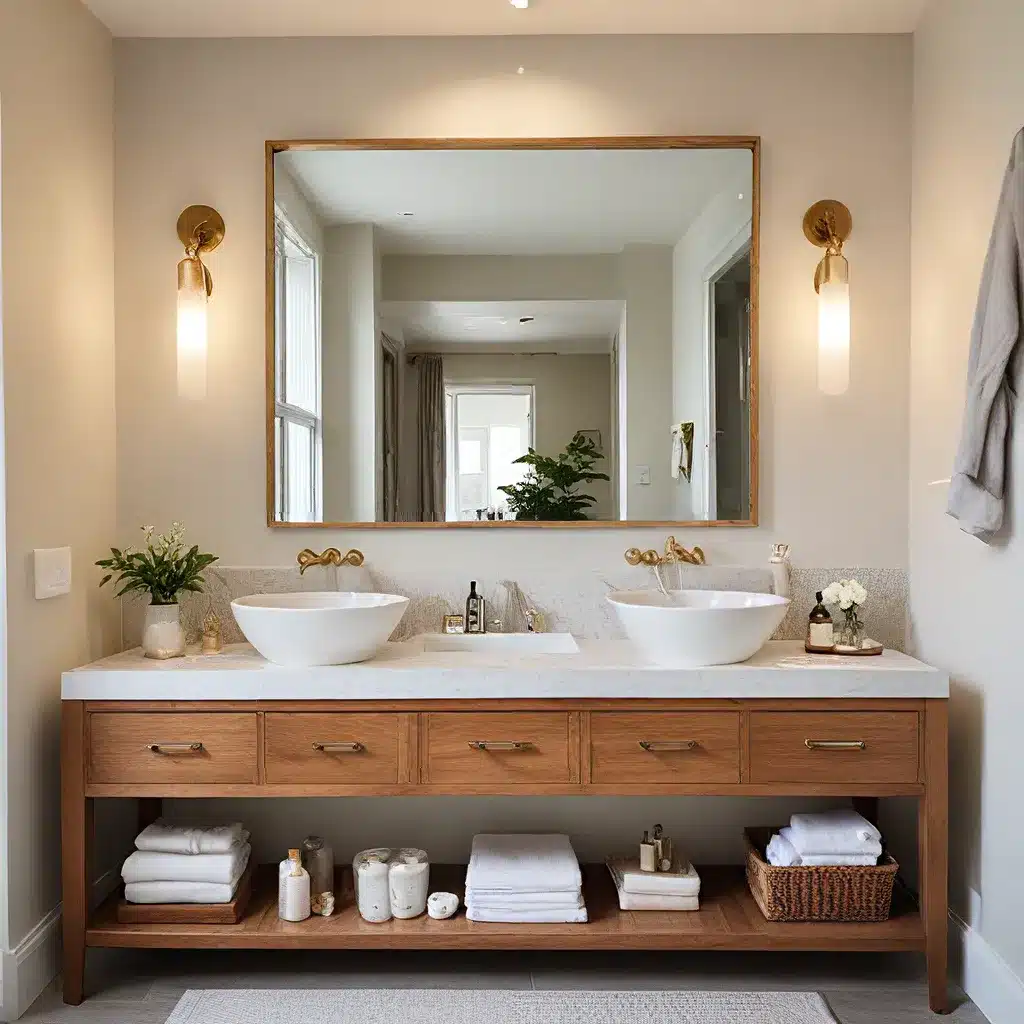
Understanding the Spa-Inspired Bathroom Trend in British Design
The concept of transforming one’s bathroom into a spa-like retreat has gained significant traction in the UK. This trend reflects a growing desire among British homeowners to create spaces that offer relaxation and rejuvenation within their own homes. The spa-inspired bathroom design emphasises calm, tranquillity, and a sense of luxury that was once only associated with high-end hotels and dedicated spa facilities.
In recent years, UK homeowners have shown increased interest in upgrading their bathrooms to incorporate elements that evoke a spa-like atmosphere. This shift is partly driven by the fast-paced nature of modern life and the need for a personal sanctuary where one can unwind after a long day. Additionally, as awareness of mental health and well-being grows, more people are recognising the importance of creating spaces within their homes that promote relaxation and self-care.
The spa-inspired bathroom trend in British design often incorporates natural materials, soothing colour palettes, and advanced fixtures that combine functionality with luxurious comfort. These elements work together to create an environment that feels removed from the stresses of everyday life, offering a daily retreat without the need to leave home.
Key Elements of a Spa-Inspired Vanity Area
When creating a spa-inspired vanity area in a UK bathroom, several key elements contribute to achieving the desired ambiance and functionality. These components work together to elevate the space from a purely utilitarian area to one that promotes relaxation and enhances the overall bathroom experience.
Lighting Design for Ambiance and Functionality
Lighting plays a crucial role in setting the mood for a spa-inspired vanity area. In UK bathrooms, a layered lighting approach is often recommended to provide both ambiance and functionality. This typically includes:
- Task lighting: Positioned around the mirror to provide clear, shadow-free illumination for grooming tasks.
- Ambient lighting: Soft, diffused lighting that creates a warm glow throughout the space, often achieved through wall sconces or recessed ceiling lights.
- Accent lighting: Used to highlight architectural features or decorative elements, adding depth and interest to the room.
Many UK homeowners are opting for dimmable LED lights, which offer energy efficiency and the flexibility to adjust the brightness to suit different moods and times of day. Some are also incorporating colour-changing LED systems that allow for customisable lighting scenarios, further enhancing the spa-like atmosphere.
Material Selection for Vanity Surfaces
The choice of materials for vanity surfaces significantly impacts both the aesthetic and practical aspects of the spa-inspired bathroom. In the UK, popular material choices include:
- Natural stone: Materials like marble, granite, or limestone offer a luxurious look and durability. However, they require regular sealing to maintain their appearance.
- Engineered quartz: A low-maintenance option that provides the look of natural stone with added durability and stain resistance.
- Solid surface materials: These offer seamless integration and are highly customisable, allowing for unique designs and easy maintenance.
When selecting materials, UK homeowners should consider factors such as water resistance, ease of cleaning, and compatibility with the overall design scheme. It’s also important to choose materials that comply with British Standards for bathroom installations to ensure safety and longevity.
Storage Solutions for a Clutter-Free Space
Effective storage is essential for maintaining the clean, uncluttered look associated with spa-inspired bathrooms. In UK homes, where space can often be at a premium, clever storage solutions are particularly valuable. Some popular options include:
- Floating vanities: These create a sense of spaciousness and allow for easy cleaning underneath.
- Built-in cabinetry: Custom-designed to maximise storage while maintaining a sleek appearance.
- Hidden compartments: Integrated into mirrors or walls to keep toiletries and personal items out of sight.
By incorporating these storage solutions, homeowners can keep their vanity areas organised and maintain the serene atmosphere essential to a spa-inspired space.
Colour Schemes and Textures for a Calming Atmosphere
The choice of colour scheme and textures plays a significant role in creating a calming, spa-like atmosphere in UK bathrooms. When selecting colours and materials, it’s important to consider how they will interact with natural and artificial light, as well as their impact on the perceived size and temperature of the space.
Soothing Colour Palettes
Spa-inspired bathrooms typically feature colour palettes that evoke a sense of tranquillity and relaxation. In the UK, popular colour choices for these spaces include:
- Soft neutrals: Shades of white, cream, and beige create a clean, serene backdrop.
- Cool blues and greens: These colours are reminiscent of water and nature, promoting a sense of calm.
- Warm earth tones: Soft browns, taupes, and warm greys add warmth and comfort to the space.
When applying these colours, consider using a 60-30-10 rule: 60% of the space in a dominant colour, 30% in a secondary colour, and 10% in an accent colour. This balance helps create visual interest while maintaining a cohesive look.
Incorporating Natural Textures
To enhance the spa-like feel, incorporating natural textures can add depth and interest to the space. Some ways to introduce texture include:
- Wood elements: Using wood for vanity cabinets or decorative accents adds warmth and a connection to nature.
- Stone tiles: Textured stone tiles on floors or accent walls create a luxurious, organic feel.
- Woven textiles: Incorporating items like bamboo blinds or natural fibre rugs adds softness and visual interest.
When selecting textures, consider their practicality in a bathroom environment. Ensure that materials are suitable for use in humid conditions and can withstand regular cleaning.
Balancing Smooth and Textured Surfaces
Creating a harmonious balance between smooth and textured surfaces is key to achieving a sophisticated spa-like atmosphere. This can be achieved by:
- Contrasting materials: Pairing smooth, glossy surfaces like polished chrome fixtures with rough, textured tiles or wallcoverings.
- Layering textures: Using a variety of textured elements in similar tones to create depth without overwhelming the space.
- Incorporating reflective surfaces: Using mirrors or glass elements to bounce light and create a sense of openness.
By carefully considering colour schemes and textures, UK homeowners can create a vanity area that not only looks beautiful but also promotes a sense of calm and relaxation.
Upgrading Fixtures for a Luxurious Feel
To truly capture the essence of a spa-like experience in a UK bathroom, upgrading fixtures is essential. These elements not only enhance the functionality of the space but also contribute significantly to the overall aesthetic and feel of luxury.
High-End Taps and Faucets
Selecting the right taps and faucets can dramatically elevate the look and feel of a vanity area. In the UK market, there are several options to consider:
- Waterfall faucets: These create a cascading water effect, adding a touch of elegance and a soothing sound to the bathroom.
- Touchless faucets: Offering both convenience and hygiene benefits, these are becoming increasingly popular in UK homes.
- Vintage-inspired designs: For those seeking a classic look, brass or copper finishes in traditional styles can add character.
When choosing taps and faucets, it’s important to consider water pressure compatibility and ensure they meet UK water regulations. The Water Regulations Advisory Scheme (WRAS) approval is a good indicator of compliance.
Luxury Sinks and Basins
The sink or basin is often a focal point of the vanity area. Upgrading to a luxury option can significantly enhance the spa-like atmosphere. Popular choices in the UK include:
- Vessel sinks: These sit on top of the vanity counter, creating a striking visual impact.
- Undermount sinks: Offering a sleek, seamless look that’s easy to clean.
- Integrated sinks: Custom-made to blend seamlessly with the countertop material.
When selecting a sink, consider factors such as ease of cleaning, durability, and compatibility with the chosen faucets and overall design scheme.
Mirror and Lighting Integration
Integrating mirrors with lighting can create a stunning focal point while providing practical illumination. Some options to consider include:
- Backlit mirrors: These provide even, flattering light and create a floating effect.
- Smart mirrors: Featuring built-in lighting, demisting functions, and sometimes even integrated speakers or displays.
- Adjustable magnifying mirrors: Offering practicality for grooming tasks while maintaining a sleek appearance.
When installing integrated mirror and lighting systems, it’s crucial to comply with UK electrical safety standards for bathrooms. Always consult a qualified electrician for installation to ensure safety and compliance with regulations.
By carefully selecting and upgrading these key fixtures, UK homeowners can create a vanity area that not only looks luxurious but also provides enhanced functionality and a true spa-like experience.
Incorporating Technology for Enhanced Comfort
In the pursuit of creating a spa-like experience in UK bathrooms, incorporating modern technology can significantly enhance comfort and convenience. These technological additions can transform a standard vanity area into a sophisticated, user-friendly space that caters to personal preferences and needs.
Smart Mirrors and Lighting Systems
Smart mirrors and lighting systems are at the forefront of bathroom technology, offering both functionality and ambiance. In the UK market, these systems often include:
- Voice-activated controls: Allowing users to adjust lighting or access information hands-free.
- Integrated displays: Providing weather updates, news, or even allowing users to stream media while getting ready.
- Customisable lighting scenes: Offering pre-set lighting configurations for different times of day or activities.
When installing smart systems, it’s crucial to ensure they are compatible with UK voltage standards and have appropriate IP ratings for bathroom use. Professional installation is recommended to ensure safety and optimal performance.
Heated Elements for Comfort
Incorporating heated elements can significantly enhance the comfort of a bathroom, especially during the UK’s colder months. Popular options include:
- Heated towel rails: Providing warm, dry towels and adding a touch of luxury to the bathroom experience.
- Underfloor heating: Offering consistent warmth underfoot and helping to reduce moisture in the room.
- Heated mirrors: Preventing fogging and ensuring clear visibility even after hot showers.
When installing heated elements, it’s important to consider energy efficiency and running costs. Many UK homeowners opt for systems that can be programmed to operate only during peak usage times to optimise energy consumption.
Water Temperature and Pressure Controls
Advanced water temperature and pressure control systems can elevate the everyday grooming routine to a spa-like experience. Some options available in the UK market include:
- Digital shower controls: Allowing precise temperature and flow adjustments, often with pre-set options for different users.
- Thermostatic mixer taps: Maintaining consistent water temperature regardless of pressure fluctuations.
- Water-saving technologies: Incorporating aerators or flow restrictors to maintain performance while reducing water consumption.
When selecting these systems, ensure they are compatible with UK plumbing standards and water pressure. It’s also worth considering products that carry the Water Label, which indicates water efficiency.
By thoughtfully incorporating these technological elements, UK homeowners can create a vanity area that not only looks luxurious but also provides an enhanced, personalised experience reminiscent of high-end spas.
Sustainable and Eco-Friendly Options
As environmental awareness grows in the UK, many homeowners are seeking sustainable and eco-friendly options for their spa-inspired vanity upgrades. These choices not only contribute to a more environmentally responsible home but can also lead to long-term cost savings and improved energy efficiency.
Water-Saving Fixtures
Incorporating water-saving fixtures is a key aspect of creating an eco-friendly bathroom. In the UK, where water conservation is increasingly important, options include:
- Low-flow taps: These reduce water flow without compromising performance, typically using aerators to maintain pressure.
- Dual-flush toilets: Offering different flush volumes for liquid and solid waste, significantly reducing water usage.
- Greywater systems: Advanced setups that recycle water from sinks for use in toilet flushing.
When selecting water-saving fixtures, look for products with the Water Label, which provides clear information on water consumption and performance.
Energy-Efficient Lighting
Energy-efficient lighting not only reduces electricity consumption but can also enhance the ambiance of the space. Popular options in the UK include:
- LED lighting: Offering long life spans and low energy consumption.
- Motion sensors: Automatically turning lights on and off to prevent unnecessary usage.
- Daylight harvesting systems: Adjusting artificial light levels based on available natural light.
When installing new lighting, ensure compliance with Part L of the UK Building Regulations, which sets standards for energy efficiency in buildings.
Sustainable Materials
Choosing sustainable materials for vanity construction and decor can significantly reduce the environmental impact of a bathroom renovation. Options to consider include:
- Reclaimed wood: For vanity units or decorative elements, adding character while reducing demand for new timber.
- Recycled glass countertops: Offering durability and unique aesthetics while repurposing waste materials.
- Low-VOC paints and finishes: Reducing indoor air pollution and associated health risks.
When selecting materials, look for certifications such as FSC (Forest Stewardship Council) for wood products or Cradle to Cradle for overall sustainability.
Here’s a comparison table of common vanity materials and their sustainability attributes:
| Material | Durability | Recyclability | Maintenance | Environmental Impact |
|---|---|---|---|---|
| Reclaimed Wood | High | Moderate | Moderate | Low |
| Recycled Glass | High | High | Low | Low |
| Bamboo | Moderate | High | Low | Low |
| Concrete | High | Moderate | Low | Moderate |
| Plastic Laminate | Moderate | Low | Low | High |
By incorporating these sustainable and eco-friendly options, UK homeowners can create a spa-inspired vanity area that not only provides luxury and relaxation but also aligns with environmental values and contributes to a more sustainable home.
Maintenance and Care for Long-Lasting Beauty
To preserve the luxurious feel and appearance of a spa-inspired vanity area, proper maintenance and care are essential. In the UK, where humidity levels can vary significantly, it’s particularly important to establish a regular cleaning and maintenance routine to protect surfaces and fixtures from moisture damage and wear.
Daily Cleaning Routines
Establishing a simple daily cleaning routine can prevent the build-up of soap scum, water spots, and other common bathroom issues. Recommended practices include:
- Wiping down surfaces: Use a microfibre cloth to quickly wipe vanity tops, taps, and sinks after use to prevent water spots and soap residue.
- Ventilation: Ensure proper ventilation by using extractor fans or opening windows after showers to reduce humidity and prevent mould growth.
- Drying wet areas: Use a squeegee or towel to dry shower screens and mirrors to prevent water marks and limescale build-up.
Weekly Deep Cleaning
A more thorough cleaning session should be conducted weekly to maintain the spa-like appearance:
- Surface disinfection: Use appropriate cleaning products for each surface type, ensuring they are suitable for use in UK bathrooms.
- Grout cleaning: Pay special attention to tile grout, using a soft brush and suitable cleaner to prevent discoloration and mould growth.
- Hardware polishing: Clean and polish taps, shower heads, and other metal fixtures to maintain their shine and prevent limescale build-up.
Periodic Maintenance Tasks
Some tasks should be performed periodically to ensure the longevity of your spa-inspired vanity area:
- Sealing natural stone: If using natural stone surfaces, reseal them annually or as recommended by the manufacturer to protect against staining and water damage.
- Checking for leaks: Regularly inspect under-sink areas and around fixtures for any signs of leaks or water damage.
- Updating silicone seals: Replace silicone seals around sinks and baths every few years to maintain water-tightness and prevent mould growth.
Professional Maintenance
For certain aspects of vanity maintenance, it’s advisable to seek professional help:
- Plumbing checks: Have a qualified plumber conduct annual checks on pipework and water systems to ensure efficiency and prevent leaks.
- Electrical safety: Engage a certified electrician to inspect bathroom electrics every few years, ensuring compliance with UK regulations.
- Professional deep cleaning: Consider hiring professionals for periodic deep cleaning of hard-to-reach areas or specialised surfaces.
By following these maintenance guidelines, UK homeowners can ensure their spa-inspired vanity areas remain beautiful and functional for years to come, protecting their investment and maintaining the luxurious feel of the space.
Cost Considerations and Budgeting
When planning a spa-inspired vanity upgrade in the UK, careful consideration of costs and budgeting is essential. The price range for such projects can vary widely depending on the chosen materials, fixtures, and extent of the renovation. Understanding potential costs and setting a realistic budget can help homeowners achieve their desired outcome without financial strain.
Estimating Project Costs
The cost of a spa-inspired vanity upgrade can vary significantly based on several factors:
- Scale of renovation: A simple refresh with new fixtures and paint will cost less than a complete remodel involving structural changes.
- Quality of materials: High-end materials like natural stone or bespoke cabinetry will increase costs substantially.
- Technology integration: Smart mirrors, advanced lighting systems, and high-tech faucets can add significant costs to the project.
As a rough guide, here’s a breakdown of potential costs for different levels of vanity upgrades in the UK:
| Upgrade Level | Estimated Cost Range (GBP) | What It Typically Includes |
|---|---|---|
| Basic Refresh | £500 – £2,000 | New taps, mirror, lighting, and paint |
| Mid-Range Upgrade | £2,000 – £5,000 | New vanity unit, countertop, fixtures, and basic tiling |
| Luxury Remodel | £5,000 – £15,000+ | Custom cabinetry, high-end materials, smart technology, and extensive tiling |
Budgeting Strategies
To effectively budget for a spa-inspired vanity upgrade, consider the following strategies:
- Prioritise elements: Identify which aspects of the upgrade are most important and allocate more of the budget to these areas.
- Research costs: Obtain multiple quotes for materials and labour to ensure competitive pricing.
- Consider long-term value: Invest in quality materials and craftsmanship that will stand the test of time, potentially saving money on future repairs or replacements.
- Plan for contingencies: Set aside 10-20% of the total budget for unexpected costs or changes during the project.
Financing Options
For larger projects, homeowners may need to consider financing options. Common approaches in the UK include:
- Home improvement loans: Unsecured personal loans specifically for home renovations.
- Remortgaging: Releasing equity from the property to fund improvements.
- Credit cards: Suitable for smaller upgrades, especially if 0% interest periods are available.
When considering financing, it’s important to compare interest rates and terms from multiple providers and ensure that repayments are affordable within the household budget.
Cost-Saving Tips
To maximise the budget without compromising on the spa-inspired aesthetic, consider these cost-saving measures:
- Retain existing layout: Keeping plumbing and electrical points in their current locations can significantly reduce costs.
- Mix high-end and budget materials: Use luxury materials sparingly as feature elements, complemented by more affordable options elsewhere.
- DIY where possible: Undertake simpler tasks like painting or installing hardware yourself, but leave complex work to professionals.
- Shop smart: Look for end-of-line sales, ex-display models, or negotiate package deals when purchasing multiple items.
By carefully considering costs, setting a realistic budget, and exploring various financing and cost-saving options, UK homeowners can achieve a luxurious spa-inspired vanity upgrade that enhances both their daily routine and their home’s value.
Regulatory Compliance and Planning Permission
When undertaking a spa-inspired vanity upgrade in the UK, it’s crucial to ensure compliance with local building regulations and, in some cases, obtain necessary planning permissions. Understanding these requirements can help avoid legal issues and ensure the safety and quality of the renovation.
Building Regulations
Building regulations in the UK set standards for design, construction, and alterations to ensure health, safety, and energy efficiency. For bathroom renovations, key areas of compliance include:
- Electrical safety: All electrical work must comply with Part P of the Building Regulations. This typically requires a certified electrician for installations in bathrooms.
- Ventilation: Adequate ventilation must be provided to prevent dampness and mould growth, as per Part F of the Building Regulations.
- Water efficiency: New fittings must meet water efficiency standards outlined in Part G of the Building Regulations.
- Structural changes: Any alterations affecting the structure of the building must comply with Part A of the Building Regulations.
Planning Permission
In most cases, internal bathroom renovations do not require planning permission. However, permission may be necessary if:
- The property is a listed building.
- The renovation involves extending the property.
- The work affects the external appearance of the building.
It’s advisable to check with the local planning authority if there’s any doubt about the need for planning permission.
Building Control Approval
For significant renovations, Building Control approval may be required. This involves:
- Submitting plans to the local authority building control or an approved inspector.
- Arranging inspections at various stages of the work.
- Obtaining a completion certificate upon successful final inspection.
Professional Certifications
Certain aspects of the renovation may require work by certified professionals:
- Gas Safe registered engineers for any work involving gas appliances.
- NICEIC or ELECSA registered electricians for electrical installations.
- WRAS approved plumbers for work on water systems.
Specific Considerations for Spa-Inspired Features
When incorporating spa-like features, additional regulations may apply:
- Waterproofing: Ensure proper tanking (waterproofing) in wet areas to prevent water damage.
- Slip resistance: Floor tiles in wet areas should meet slip resistance standards.
- Lighting zones: Bathroom lighting must adhere to specific IP ratings based on proximity to water sources.
Documentation and Warranties
Keep records of all work carried out, including:
- Receipts and invoices for materials and labour.
- Certificates of compliance for electrical and plumbing work.
- Warranties for fixtures and appliances.
These documents can be valuable for insurance purposes and if you decide to sell your property in the future.
By ensuring compliance with UK building regulations and obtaining necessary approvals, homeowners can proceed with their spa-inspired vanity upgrades with confidence, knowing that their renovations are safe, legal, and up to standard. Consulting with local authorities or a qualified building professional can provide clarity on specific requirements for your project.
Conclusion: Creating Your Personal Oasis
A spa-inspired vanity upgrade offers UK homeowners the opportunity to transform their bathrooms into personal sanctuaries of relaxation and rejuvenation. By carefully considering elements such as lighting, materials, colour schemes, and sustainable options, it’s possible to create a space that not only looks luxurious but also promotes well-being and tranquillity.
Key takeaways for a successful spa-inspired vanity upgrade include:
- Thoughtful design: Prioritise a cohesive design that balances aesthetics with functionality.
- Quality materials: Invest in durable, high-quality materials that will stand the test of time and daily use.
- Sustainable choices: Opt for eco-friendly options that reduce environmental impact and may offer long-term cost savings.
- Regulatory compliance: Ensure all aspects of the renovation adhere to UK building regulations and standards.
- Proper maintenance: Establish a regular care routine to preserve the beauty and functionality of your upgraded space.
Remember that creating a spa-like atmosphere extends beyond physical elements. Consider incorporating soft music, aromatherapy, or plants to enhance the sensory experience of your bathroom.
Ultimately, a well-executed spa-inspired vanity upgrade can add significant value to your home while providing a daily retreat from the stresses of modern life. By balancing luxury with practicality, and personal taste with timeless design principles, you can create a space that offers comfort, relaxation, and a touch of indulgence every day.
For professional assistance with your bathroom renovation project, consider reaching out to experienced contractors who specialise in luxury bathroom designs. You can find reputable professionals and additional inspiration for your spa-inspired vanity upgrade at ABC Home.
With careful planning, attention to detail, and a focus on creating a space that reflects your personal needs and preferences, your spa-inspired vanity upgrade can become the highlight of your home, offering a daily dose of luxury and tranquillity for years to come.