The Rise of Loft Conversions in the UK
Loft conversions have become increasingly popular in the United Kingdom as homeowners seek to maximise their living space without the need for relocation. This trend has been driven by a combination of factors, including rising property prices, the desire for additional living areas, and the potential to increase property value.
In recent years, the UK housing market has seen a significant shift towards home improvements rather than moving house. Loft conversions offer a cost-effective solution to create extra bedrooms, home offices, or recreational spaces within existing properties. This approach not only provides more living space but also often proves to be a sound investment, potentially increasing a property’s value by up to 20%.
The appeal of loft conversions extends beyond mere practicality. Many homeowners view these projects as an opportunity to express their creativity and personalise their living spaces. From contemporary open-plan designs to traditional dormers, loft conversions can be tailored to suit various architectural styles and personal preferences.
Understanding UK Building Regulations for Loft Conversions
Before embarking on a loft conversion project, it is crucial to understand and comply with UK building regulations. These regulations are in place to ensure the safety, energy efficiency, and structural integrity of the converted space.
Planning Permission and Permitted Development
In many cases, loft conversions fall under ‘permitted development’ rights, meaning they do not require formal planning permission. However, this is subject to certain conditions:
- The total area of additional roof space must not exceed 40 cubic metres for terraced houses or 50 cubic metres for detached and semi-detached houses.
- No part of the extension should be higher than the highest part of the existing roof.
- The materials used should be similar in appearance to the existing house.
- Side-facing windows must be obscure-glazed and non-opening unless the parts that open are more than 1.7 metres above the floor.
It is important to note that these rights do not apply to flats, maisonettes, or houses in designated areas such as conservation areas or Areas of Outstanding Natural Beauty. In such cases, planning permission will be required.
Building Regulations Approval
Regardless of whether planning permission is needed, all loft conversions must comply with building regulations. Key areas covered by these regulations include:
- Structural stability: Ensuring the existing structure can support the additional weight of the conversion.
- Fire safety: Installing appropriate fire-resistant doors, smoke alarms, and escape routes.
- Insulation and energy efficiency: Meeting current standards for thermal insulation and energy conservation.
- Ventilation: Providing adequate ventilation to prevent condensation and maintain air quality.
- Stairs: Ensuring safe access to the new living space with properly designed stairs.
Obtaining building regulations approval involves submitting detailed plans to the local authority or using an approved inspector. Regular inspections will be carried out during the construction process to ensure compliance.
Design Considerations for Exceptional Loft Conversions
Creating an exceptional loft conversion requires careful planning and consideration of various design elements. The goal is to strike a balance between functionality, aesthetics, and compliance with building regulations.
Maximising Space and Light
One of the primary challenges in loft conversions is making the most of available space while ensuring adequate headroom. Clever design solutions can help overcome these limitations:
- Dormer windows: These projections from the existing roof slope can significantly increase usable floor space and headroom.
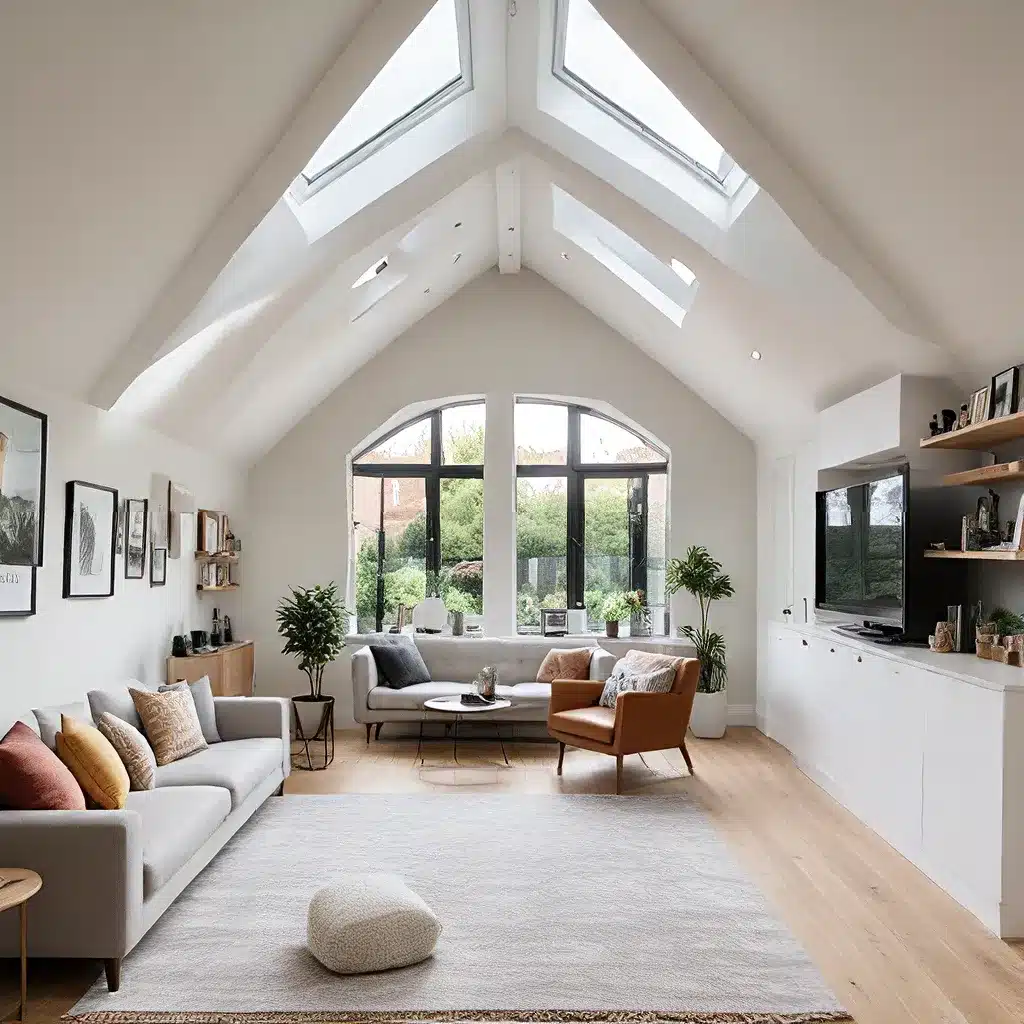
- Roof lights: Skylights or Velux windows can flood the space with natural light without altering the external roof profile.
- Creative storage solutions: Built-in wardrobes, under-eaves storage, and multi-functional furniture can maximise space efficiency.
Structural Considerations
The structural integrity of the loft conversion is paramount. Key considerations include:
- Roof structure: Assess whether the existing roof structure needs reinforcement or replacement.
- Floor joists: Ensure the floor can support the additional load of the conversion.
- Party wall agreements: If the work affects a shared wall, a party wall agreement with neighbours may be necessary.
Energy Efficiency and Insulation
Modern building regulations place significant emphasis on energy efficiency. Loft conversions must meet stringent insulation requirements:
| Element | U-value (W/m²K) |
|---|---|
| Roof | 0.18 |
| Walls | 0.28 |
| Floor | 0.22 |
Proper insulation not only ensures compliance but also contributes to lower energy bills and improved comfort.
Innovative Design Features for Loft Conversions
To truly create an exceptional loft conversion, consider incorporating innovative design features that enhance both functionality and aesthetic appeal.
Multi-functional Spaces
Given the often limited space in loft conversions, designing multi-functional areas can maximise utility:
- Bedroom/office combinations: Incorporate a fold-away desk or a built-in workspace within a bedroom setting.
- Guest room/storage solutions: Use pull-out beds or sofa beds to create flexible guest accommodation that can double as storage when not in use.
- En-suite bathrooms: Integrate compact en-suite facilities to increase the versatility of bedroom spaces.
Sustainable and Eco-friendly Elements
Incorporating sustainable features not only reduces environmental impact but can also lead to long-term cost savings:
- Solar panels: If the roof orientation is suitable, consider integrating solar panels to generate electricity or heat water.
- Green roofing: For flat roof sections, green roofing can provide insulation, reduce water runoff, and create a visually appealing feature.
- Rainwater harvesting: Systems can be installed to collect and reuse rainwater for non-potable purposes.
Innovative Lighting Solutions
Effective lighting design can dramatically enhance the ambiance and functionality of a loft conversion:
- LED strip lighting: Use recessed LED strips to create the illusion of more space and highlight architectural features.
- Smart lighting systems: Implement programmable lighting to adjust ambiance and save energy.
- Light tubes: For areas where windows are not feasible, light tubes can channel natural light from the roof into the space below.
Cost Considerations and Budgeting
Understanding the financial aspects of a loft conversion is crucial for effective project planning. Costs can vary significantly based on the scope and complexity of the project.
Average Costs for Different Types of Loft Conversions
The following table provides a rough estimate of costs for various loft conversion types in the UK as of September 2024:
| Conversion Type | Estimated Cost Range (GBP) |
|---|---|
| Roof light | £20,000 – £40,000 |
| Dormer | £30,000 – £60,000 |
| Hip-to-gable | £40,000 – £65,000 |
| Mansard | £45,000 – £75,000 |
These figures are indicative and can vary based on factors such as location, property size, and specific design requirements.
Factors Affecting Cost
Several elements can impact the overall cost of a loft conversion:
- Structural changes: Extensive modifications to the existing roof structure will increase costs.
- Quality of materials: Higher-end finishes and materials will naturally be more expensive.
- Complexity of design: Intricate designs or bespoke features will add to the project cost.
- Additional features: En-suite bathrooms, custom storage solutions, or high-end windows will increase the budget.
- Location: Labour and material costs can vary significantly across different regions of the UK.
Cost-saving Strategies
While it’s important not to compromise on quality or safety, there are ways to manage costs effectively:
- Careful planning: Thorough planning and design can help avoid costly changes during construction.
- Phased approach: Consider completing the conversion in stages if budget constraints are an issue.
- Material selection: Opt for mid-range materials that offer a balance between quality and cost.
- Energy efficiency: While initially more expensive, investing in high-quality insulation and energy-efficient systems can lead to long-term savings.
Project Management and Timeline
Effective project management is key to ensuring a smooth and successful loft conversion process. A typical loft conversion project can take anywhere from 6 to 12 weeks, depending on the complexity and scale of the work involved.
Key Stages of a Loft Conversion Project
- Initial consultation and survey: 1-2 weeks
- Design and planning: 2-4 weeks
- Obtaining necessary approvals: 4-8 weeks (if planning permission is required)
- Structural work: 2-3 weeks
- First fix (electrics, plumbing): 1-2 weeks
- Insulation and plastering: 1-2 weeks
- Second fix and finishing: 2-3 weeks
Choosing the Right Professionals
Selecting the right team is crucial for the success of your loft conversion project. Consider the following when choosing professionals:
- Architects: Look for RIBA (Royal Institute of British Architects) registered architects with experience in loft conversions.
- Builders: Choose FMB (Federation of Master Builders) registered contractors with a strong portfolio of loft conversion projects.
- Surveyors: Opt for RICS (Royal Institution of Chartered Surveyors) accredited surveyors for structural assessments.
Managing the Project
To ensure your loft conversion project runs smoothly:
- Maintain clear communication: Regular meetings with your project team can help address issues promptly.
- Keep detailed records: Document all decisions, changes, and communications throughout the project.
- Be prepared for disruption: Loft conversions can be disruptive to daily life. Plan accordingly and consider alternative arrangements if necessary.
- Stay flexible: While adhering to the plan is important, be prepared to adapt to unforeseen circumstances.
Showcasing Exceptional Design Transformations
Exceptional loft conversions can truly transform a property, creating unique and inspiring living spaces. Here are some examples of innovative design solutions that have yielded remarkable results:
Case Study 1: Victorian Terrace Transformation
In a Victorian terrace house, a loft conversion was undertaken to create a master suite with stunning views over the city. Key features included:
- A large dormer window to maximise headroom and natural light
- A freestanding bath positioned to take advantage of the views
- Bespoke storage solutions integrated into the eaves
- A small juliet balcony providing outdoor access
The project seamlessly blended modern design with the property’s period features, resulting in a luxurious retreat within the existing footprint of the house.
Case Study 2: Contemporary Open-Plan Living
A detached property saw its loft space converted into an open-plan living area, incorporating:
- A striking glass gable end to flood the space with light
- A mezzanine level accessed by a floating staircase
- Underfloor heating for energy-efficient comfort
- A kitchenette for convenient entertaining
This conversion created a versatile space that could serve as a home office, guest suite, or recreational area, significantly enhancing the property’s functionality and value.
Case Study 3: Eco-Friendly Family Room
An environmentally conscious family opted for a loft conversion that prioritised sustainability:
- Solar panels integrated into the roof design
- Triple-glazed windows for optimal insulation
- A living green roof section for improved biodiversity and insulation
- Recycled and sustainable materials used throughout
The result was a bright, airy family room that minimised environmental impact while providing a comfortable and healthy living space.
Overcoming Common Challenges in Loft Conversions
While loft conversions offer excellent opportunities to expand living space, they can present unique challenges. Understanding and addressing these issues is crucial for a successful project.
Limited Headroom
One of the most common challenges in loft conversions is achieving adequate headroom. UK building regulations require a minimum height of 2.2 metres for at least 50% of the floor area. Strategies to overcome this include:
- Lowering the ceiling of the floor below (if structurally feasible)
- Raising the roof height (subject to planning permission)
- Using dormer windows to increase usable floor space
- Clever design solutions such as built-in furniture in areas with lower headroom
Structural Limitations
Existing roof structures may not always be suitable for conversion without significant modifications. Common issues include:
- Inadequate load-bearing capacity of existing joists
- Presence of trussed rafters, which require more extensive structural alterations
- Insufficient lateral support for new floor structures
These challenges can be addressed through careful structural engineering, potentially involving the installation of steel beams or the reconfiguration of the roof structure.
Access and Staircase Design
Incorporating a staircase that complies with building regulations while minimising the impact on the floor below can be challenging. Solutions include:
- Space-saving staircase designs such as spiral or alternating tread stairs (subject to approval)
- Positioning the staircase over existing stairs to minimise loss of space
- Using dormers or roof lights to create headroom at the top of the stairs
Natural Light and Ventilation
Ensuring adequate natural light and ventilation in a loft conversion is essential for creating a comfortable living space. Approaches to this challenge include:
- Strategic placement of roof windows and dormers
- Use of sun tubes to bring light into darker areas
- Installation of mechanical ventilation systems to ensure air quality
Fire Safety Compliance
Meeting fire safety regulations is crucial in loft conversions. Key considerations include:
- Installing fire-resistant doors
- Ensuring adequate escape routes
- Fitting smoke alarms and, where necessary, sprinkler systems
- Using fire-resistant materials for structural elements and insulation
Future Trends in Loft Conversions
As we look towards the future, several trends are emerging in the field of loft conversions, driven by changes in technology, lifestyle, and environmental concerns.
Smart Home Integration
The integration of smart home technology is becoming increasingly popular in loft conversions. This includes:
- Automated lighting and climate control systems
- Voice-activated home assistants
- Smart security systems
- Energy management solutions
These technologies not only enhance comfort and convenience but can also contribute to improved energy efficiency.
Sustainable and Energy-Efficient Design
With growing emphasis on environmental sustainability, future loft conversions are likely to incorporate more eco-friendly features:
- Advanced insulation materials with improved thermal performance
- Integrated renewable energy systems such as solar tiles
- Greywater recycling systems
- Use of sustainable and locally sourced materials
Flexible and Adaptable Spaces
As working from home becomes more common, loft conversions are increasingly being designed with flexibility in mind:
- Modular furniture systems that can easily transform spaces
- Soundproofing solutions for home office setups
- Integrated technology hubs for seamless connectivity
- Adaptable lighting systems to suit different activities
Biophilic Design Elements
Incorporating elements of nature into loft conversions is gaining popularity:
- Living walls or vertical gardens
- Large skylights or floor-to-ceiling windows to connect with the outdoors
- Use of natural materials such as wood and stone
- Integration of water features for a calming atmosphere
Virtual Reality in Design and Planning
The use of virtual reality (VR) technology in the design and planning phase of loft conversions is becoming more prevalent:
- VR walkthroughs of proposed designs
- Ability to visualise different layout options and finishes
- Enhanced client engagement in the design process
- Improved accuracy in spatial planning
Conclusion
Loft conversions represent a significant opportunity for homeowners in the UK to enhance their living spaces, increase property value, and adapt their homes to changing needs. By carefully considering design elements, adhering to building regulations, and embracing innovative solutions, it is possible to create truly exceptional loft conversions that transform underutilised spaces into stunning and functional areas.
As we look to the future, the integration of smart technologies, sustainable practices, and flexible design principles will continue to shape the landscape of loft conversions. These developments promise to deliver spaces that are not only beautiful and practical but also environmentally responsible and adaptable to evolving lifestyles.
For those considering a loft conversion, thorough planning, professional guidance, and a clear vision are key to achieving outstanding results. With the right approach, a loft conversion can be a rewarding investment that enhances both the quality of life and the value of a property for years to come.
For more information on home extensions and conversions, visit ABC Home for expert advice and inspiration.