Understanding Biophilic Design in Bathroom Spaces
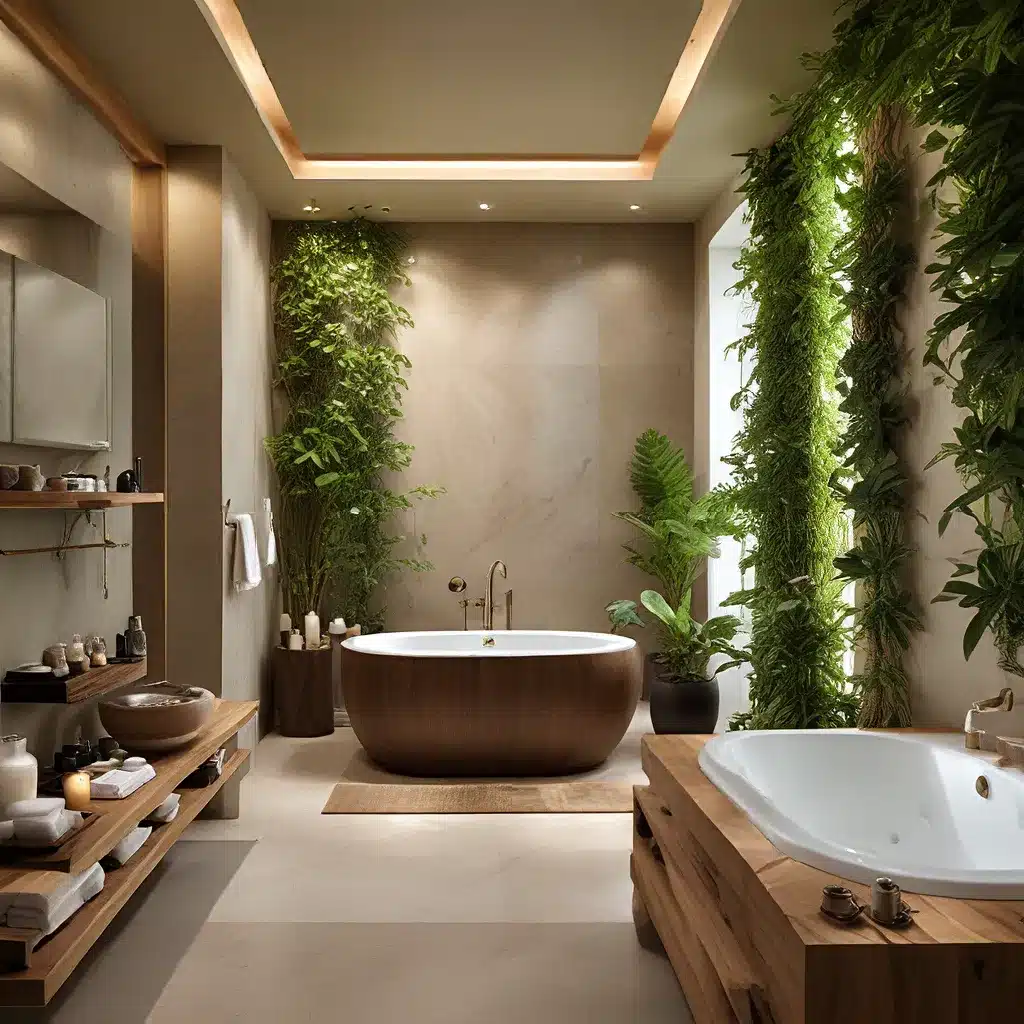
Biophilic design is an approach that seeks to connect building occupants more closely to nature. In the context of bathroom design, this concept has gained significant traction in the UK construction industry, particularly for creating spa-like environments in residential settings. The principle behind biophilic design is rooted in the innate human affinity for natural elements and their positive impact on well-being.
In the UK, where urban living often distances people from nature, incorporating biophilic elements into bathroom design can create a sanctuary within the home. This approach not only enhances aesthetic appeal but also contributes to improved mental health and stress reduction. Research indicates that exposure to natural elements, even in indoor settings, can lower blood pressure, improve cognitive function, and increase overall satisfaction with living spaces.
For builders and contractors in Aberdeen and across the UK, understanding and implementing biophilic design principles in bathroom renovations can provide a competitive edge. Clients are increasingly seeking bathrooms that offer more than just functionality, desiring spaces that promote relaxation and connection with nature. By mastering these design elements, professionals can deliver high-value projects that meet the growing demand for wellness-focused home improvements.
Key Elements of Biophilic Bathroom Design
Natural Light and Views
Maximising natural light is a cornerstone of biophilic bathroom design. In the UK, where daylight can be limited, especially during winter months, creative solutions are essential. Large windows, skylights, and light tubes can dramatically increase the amount of natural light entering the bathroom. When privacy is a concern, frosted glass or strategically placed windows at eye level can maintain a connection with the outdoors while ensuring privacy.
For bathrooms without direct access to natural light, advances in lighting technology offer alternatives. Full-spectrum LED lights that mimic natural daylight can be installed, providing the benefits of sunlight even in windowless spaces. These lights can be programmed to change throughout the day, mimicking the natural progression of sunlight and supporting the body’s circadian rhythms.
Incorporating views of nature, where possible, further enhances the biophilic experience. This might involve positioning a bathtub near a window overlooking a garden or installing a living wall that can be viewed from the shower. In urban settings where natural views are limited, large-format nature photography or digital screens displaying dynamic natural scenes can serve as alternatives.
Natural Materials and Textures
The use of natural materials is fundamental to creating a biophilic bathroom environment. Stone, wood, and organic textiles not only look appealing but also provide tactile experiences that connect users to nature. In the UK market, locally sourced materials can add an extra layer of sustainability and regional character to bathroom designs.
Stone options such as slate, limestone, or granite can be used for flooring, countertops, or accent walls. These materials bring the texture and variability of natural landscapes into the bathroom. Wood, when properly treated to withstand moisture, adds warmth and organic beauty. Bamboo, known for its sustainability and water-resistant properties, is an excellent choice for bathroom furniture or flooring.
Textural variety is key in biophilic design. Combining smooth surfaces with rough textures mimics the diversity found in nature. This can be achieved through the use of river rocks in shower floors, rough-hewn stone sinks, or towels made from organic cotton or bamboo fibres. The interplay of textures not only enhances visual interest but also provides a multi-sensory experience reminiscent of natural environments.
Water Features and Sounds
Water is a central element in bathroom design, and biophilic principles emphasise its natural flow and sound. Beyond standard fixtures, incorporating water features can transform a bathroom into a tranquil oasis. Options range from simple wall-mounted fountains to more elaborate waterfall showers or freestanding water walls.
The sound of flowing water has been shown to have calming effects, reducing stress and promoting relaxation. In spa-inspired bathrooms, programmable showerheads that offer various flow patterns can mimic rainfall or gentle streams. For a more subtle approach, small tabletop fountains or even digital sound systems playing nature sounds can enhance the auditory experience.
When designing water features, it’s crucial to consider water efficiency, especially given the UK’s focus on conservation. Low-flow fixtures and water-recycling systems can be incorporated to create sustainable biophilic bathrooms that align with environmental regulations and eco-conscious consumer preferences.
Incorporating Plant Life in Bathroom Design
Selecting Suitable Plants for Bathroom Environments
Introducing living plants into bathroom spaces is a direct way to connect with nature. However, the high humidity and often limited light in bathrooms require careful plant selection. Species that thrive in tropical or subtropical environments are typically well-suited to bathroom conditions in the UK.
Ferns, such as the Boston fern or bird’s nest fern, are excellent choices for their ability to purify air and tolerate high humidity. Orchids can add a touch of elegance and do well in the warm, moist environment of a bathroom. For low-light situations, snake plants and ZZ plants are hardy options that require minimal care.
When selecting plants, consider the specific conditions of the bathroom, including available light, temperature fluctuations, and the level of care the homeowner is willing to provide. Vertical garden systems or hanging planters can maximise space in smaller bathrooms while creating striking visual displays.
Maintenance and Care Considerations
While plants offer numerous benefits, they also require proper care to thrive in bathroom settings. Adequate drainage is crucial to prevent water damage to surfaces. Use saucers or self-watering planters to manage excess water, and ensure that any mounted or hanging systems are securely installed to bear the weight of plants and soil.
Ventilation plays a key role in plant health and preventing mould growth. UK building regulations require adequate ventilation in bathrooms, which benefits both plants and overall air quality. Mechanical ventilation systems or windows that can be opened regularly help maintain a healthy environment for both plants and humans.
For busy homeowners or those concerned about maintenance, consider low-maintenance options such as air plants or preserved moss walls. These alternatives provide the aesthetic benefits of greenery without the need for frequent care.
Artificial Alternatives and Their Benefits
In situations where live plants are not feasible, high-quality artificial plants can provide visual benefits without the maintenance requirements. Modern artificial plants are often indistinguishable from their live counterparts and can be used to create lush, green spaces in areas where natural light or regular care is limited.
Preserved plants offer another alternative, bridging the gap between live and artificial options. These are real plants that have been treated to maintain their appearance without the need for water or light. While more expensive initially, they can provide a long-lasting, low-maintenance solution for bringing nature into the bathroom.
When using artificial or preserved plants, attention to detail is key. Choose high-quality products that mimic the texture and variability of real plants. Combining these with other natural elements, such as stone or wood, can create a convincing biophilic environment that requires minimal upkeep.
Colour Schemes and Their Impact on Biophilic Design
Natural Colour Palettes
Colour plays a crucial role in creating a nature-inspired bathroom environment. Natural colour palettes drawn from outdoor landscapes can evoke a sense of calm and connection to the natural world. In the UK, where the landscape ranges from rugged coastlines to rolling countryside, there’s a wealth of inspiration for biophilic colour schemes.
Earth tones such as warm browns, soft greens, and muted blues can form the foundation of a nature-inspired colour palette. These colours can be applied to larger surfaces like walls and floors to create a soothing backdrop. Complementary accents in colours like sage green, ocean blue, or sandy beige can add depth and interest to the space.
When selecting colours, consider the psychological effects they may have on bathroom users. Greens are associated with growth and renewal, blues with calmness and clarity, and earthy browns with grounding and stability. By thoughtfully combining these hues, designers can create spaces that not only look natural but also promote well-being.
Integrating Colour with Natural Materials
The interplay between colour and natural materials is key to successful biophilic design. When using stone or wood elements, the inherent colours and patterns of these materials should be considered as part of the overall colour scheme. For example, the warm tones of oak or cedar can be complemented by cool blues or greens to create a balanced, nature-inspired palette.
Paint colours can be selected to enhance the natural beauty of materials used in the bathroom. For instance, a pale grey-green wall colour can accentuate the veining in marble tiles or complement the rich tones of walnut cabinetry. When using bold natural stones or wood grains, neutral wall colours can provide a calm backdrop that allows these materials to take centre stage.
Textiles and accessories offer opportunities to introduce additional colours that reflect nature’s diversity. Towels, bath mats, or shower curtains in colours inspired by flowers, leaves, or water can add vibrant accents to the space without overwhelming the natural aesthetic.
Lighting and Its Effect on Colour Perception
Lighting plays a critical role in how colours are perceived in the bathroom. Natural daylight is ideal for rendering colours accurately, but in the UK’s often overcast climate, supplementary lighting is usually necessary. The type and colour temperature of artificial lighting can significantly impact the appearance of colours in the space.
LED lighting with adjustable colour temperature allows for flexibility in creating different moods throughout the day. Cooler light temperatures (around 5000K) mimic daylight and can energise the space in the morning, while warmer tones (around 2700K) create a relaxing atmosphere for evening baths.
Consider how different lighting scenarios will affect the chosen colour scheme. Test paint colours and material samples under various lighting conditions to ensure they maintain their intended effect throughout the day and night. Dimmable lighting options provide additional control over the ambiance and can enhance the biophilic experience by simulating natural light transitions.
Sustainable Practices in Biophilic Bathroom Design
Water Conservation Techniques
Water conservation is a critical aspect of sustainable bathroom design, aligning with both biophilic principles and UK environmental regulations. Implementing water-saving features not only reduces environmental impact but can also lead to significant cost savings for homeowners.
Low-flow fixtures are a cornerstone of water conservation in bathrooms. In the UK, regulations specify maximum flow rates for taps and showers. Designers should select fixtures that meet or exceed these standards without compromising user experience. Dual-flush toilets, which offer different flush volumes for liquid and solid waste, can reduce water usage by up to 67% compared to older models.
Greywater recycling systems represent an advanced approach to water conservation. These systems collect water from sinks and showers, treat it, and repurpose it for toilet flushing or garden irrigation. While initial installation costs can be higher, the long-term water savings and reduced environmental impact make them an attractive option for eco-conscious homeowners.
Energy-Efficient Solutions
Energy efficiency in bathroom design encompasses lighting, heating, and ventilation systems. LED lighting, as previously mentioned, not only provides flexible colour options but also consumes significantly less energy than traditional incandescent or fluorescent bulbs. Motion sensors or timed switches can further reduce energy waste by ensuring lights are only on when needed.
Underfloor heating systems, popular in UK bathrooms, can be more energy-efficient than traditional radiators when properly installed and controlled. These systems provide even heat distribution and can be powered by renewable energy sources such as heat pumps or solar panels.
Proper insulation and draught-proofing are essential for maintaining comfortable temperatures efficiently. This is particularly important in older UK properties where heat loss can be significant. Insulating pipes, walls, and floors not only conserves energy but also prevents condensation issues common in bathrooms.
Eco-Friendly Material Selection
Selecting environmentally responsible materials is crucial in biophilic bathroom design. Reclaimed or sustainably sourced wood, recycled glass tiles, and low-impact concrete alternatives are examples of materials that can reduce the environmental footprint of a bathroom renovation.
When choosing natural stone, consider locally sourced options to reduce transportation emissions. Certifications such as the Forest Stewardship Council (FSC) for wood products ensure that materials come from responsibly managed sources.
Paint and finish selections also impact environmental sustainability. Low-VOC (Volatile Organic Compound) paints and natural oil finishes reduce indoor air pollution and are safer for both installers and occupants. Water-based sealants for natural stone surfaces offer durability with lower environmental impact compared to solvent-based alternatives.
Regulatory Compliance and Biophilic Design
UK Building Regulations and Bathroom Design
Implementing biophilic design in UK bathrooms must be done in accordance with current building regulations. The Building Regulations 2010, with subsequent amendments, set out requirements for various aspects of bathroom construction and renovation.
Part G of the Building Regulations covers sanitation, hot water safety, and water efficiency. This includes specifications for minimum water efficiency standards in new builds and certain types of renovations. Designers must ensure that fixtures and fittings meet these standards while still providing the sensory experiences central to biophilic design.
Part F addresses ventilation requirements, which are crucial in maintaining a healthy environment for both occupants and any plant life included in the design. Mechanical ventilation systems must meet specific air flow rates, and natural ventilation options must provide adequate air exchange to prevent moisture-related issues.
Planning Permissions and Listed Buildings
In some cases, biophilic bathroom renovations may require planning permission, particularly if they involve structural changes or affect the external appearance of a building. This is especially relevant for properties in conservation areas or listed buildings, where alterations are more strictly controlled.
For listed buildings, any changes, including internal renovations, typically require Listed Building Consent. This process ensures that historical and architectural significance is preserved. Biophilic design elements must be thoughtfully integrated to complement the building’s heritage while meeting modern functional needs.
Local planning authorities can provide guidance on specific requirements and restrictions. It’s advisable to consult with planning officials early in the design process to avoid potential conflicts or delays.
Accessibility Considerations
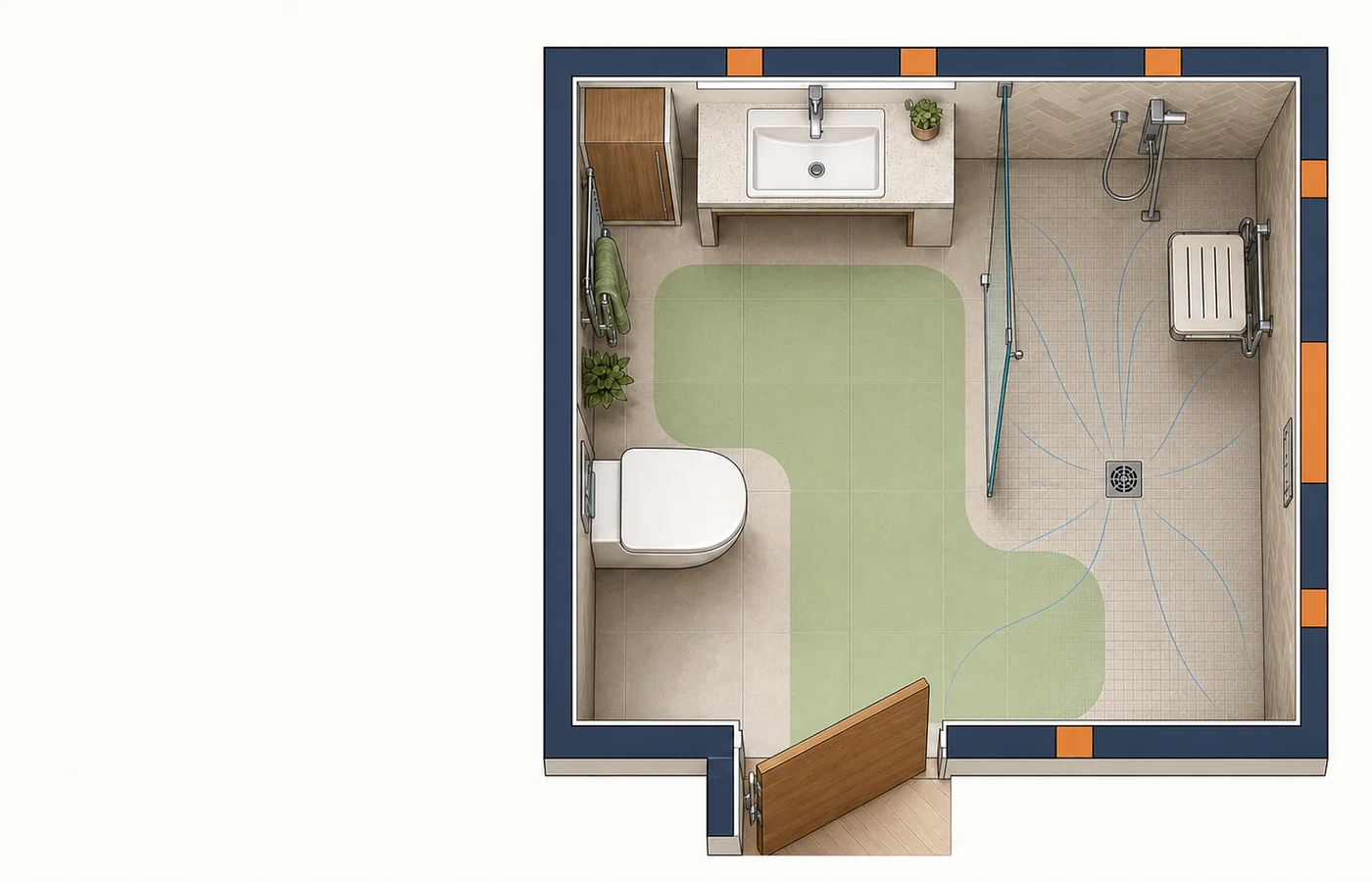
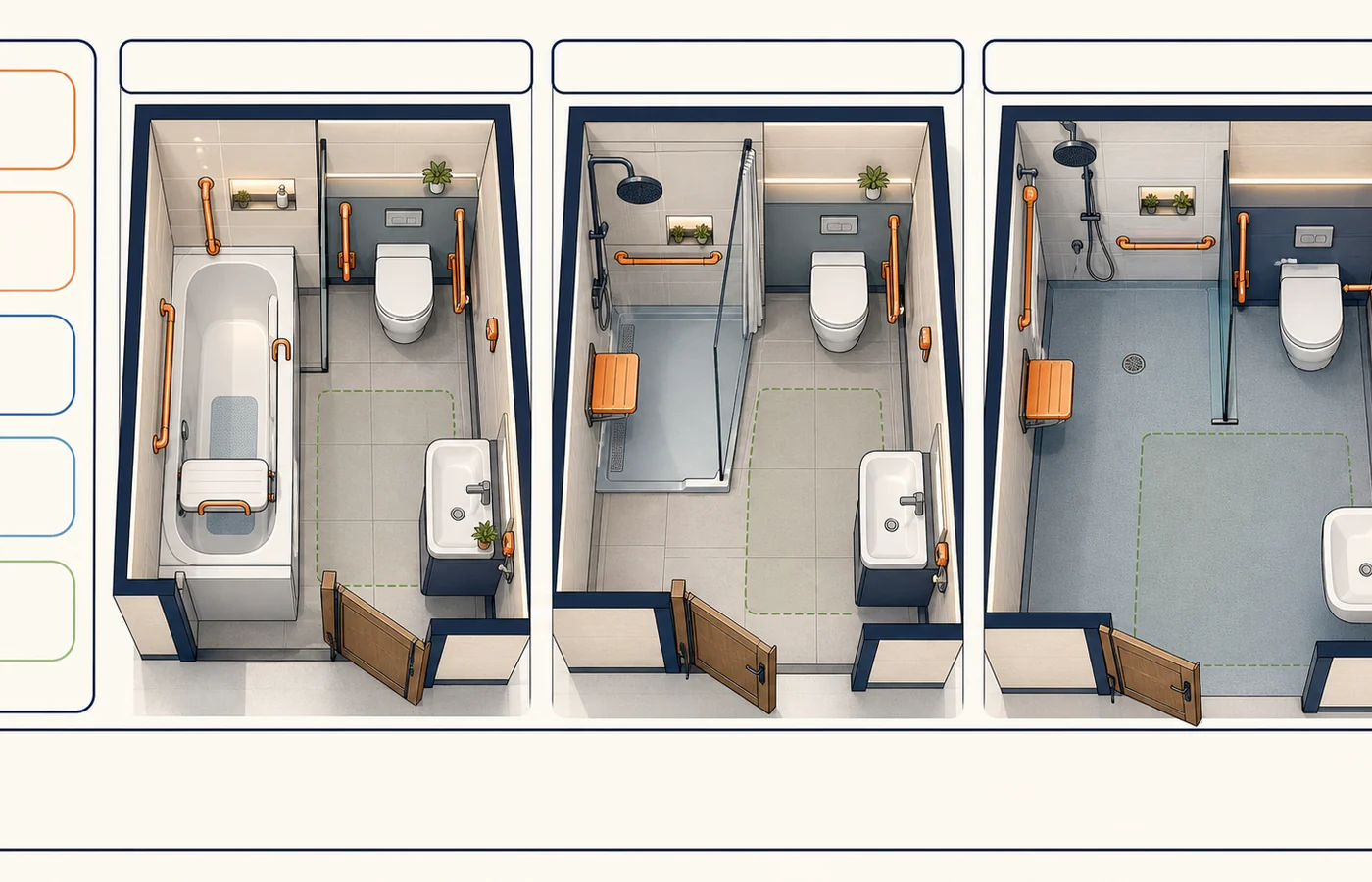
Inclusive design principles should be incorporated alongside biophilic elements to ensure bathrooms are accessible to all users. Part M of the Building Regulations sets out requirements for accessibility in dwellings, including specifications for bathroom layouts and fixtures.
Features such as level-access showers, grab bars, and adequate clear floor space can be integrated into biophilic designs without compromising aesthetic goals. For example, a walk-in shower with a pebble floor not only provides a sensory connection to nature but can also offer improved accessibility compared to a traditional tub.
When designing for accessibility, consider how biophilic elements might enhance the user experience for individuals with varying abilities. Tactile natural materials, contrasting colours for improved visibility, and ergonomic fixtures can contribute to both accessibility and biophilic design objectives.
Cost Considerations and Return on Investment
Budgeting for Biophilic Bathroom Renovations
Incorporating biophilic design elements into bathroom renovations can vary widely in cost, depending on the scope of work and materials chosen. It’s important to establish a realistic budget that balances the desired natural elements with practical constraints.
Here’s a breakdown of potential costs for various biophilic design elements:
| Element | Estimated Cost Range (GBP) |
|---|---|
| Large windows or skylights | £500 – £3,000+ |
| Natural stone flooring | £50 – £100 per m² |
| Living wall system | £200 – £1,000 per m² |
| High-quality artificial plants | £50 – £500 per plant |
| Water feature | £200 – £2,000+ |
| Sustainable wood cabinetry | £1,000 – £5,000+ |
These figures are approximate and can vary based on factors such as quality, size of the bathroom, and specific design choices. Labour costs, which can range from £150 to £250 per day for skilled tradespeople in the UK, should also be factored into the overall budget.
When budgeting, prioritise elements that offer the most impact for the investment. For example, maximising natural light through larger windows or skylights can transform the space and may be worth allocating a larger portion of the budget.
Long-Term Savings and Energy Efficiency
While initial costs for biophilic bathroom renovations may be higher than standard renovations, long-term savings can offset this investment. Energy-efficient fixtures and systems can lead to reduced utility bills over time.
For instance, LED lighting, which is often used to highlight natural elements in biophilic design, can use up to 75% less energy than traditional incandescent bulbs. Over a 10-year period, this could result in savings of £100 to £300 per fixture in energy costs alone.
Water-saving fixtures, another common feature in biophilic bathrooms, can significantly reduce water consumption. A household in the UK could save approximately £100 per year on water bills by installing water-efficient taps and showerheads.
Impact on Property Value
Biophilic bathroom designs can positively impact property values, especially in urban areas where connections to nature are limited. While specific data on the value added by biophilic bathrooms in the UK is limited, real estate professionals report that well-designed, nature-inspired spaces can be a strong selling point.
A survey by the Royal Institution of Chartered Surveyors (RICS) found that high-quality bathroom renovations can increase a property’s value by 3-5%. Biophilic elements that create a spa-like atmosphere may push this percentage even higher, particularly in luxury markets.
When considering return on investment, it’s important to balance trendy design elements with timeless natural features. Stone surfaces, quality wood finishes, and ample natural light are likely to have enduring appeal and value.
Case Studies: Successful Biophilic Bathroom Projects in the UK
Urban Apartment Transformation
In a compact London flat, a small bathroom was transformed into a biophilic oasis. The design incorporated a skylight to maximise natural light, which not only brightened the space but also allowed for the introduction of light-loving plants.
Key features of the renovation included:
- A living wall system installed on one side of the shower, featuring a variety of ferns and air plants.
- Pebble flooring in the shower area, providing a massage-like sensation underfoot.
- A small water feature integrated into the vanity, creating a soothing ambient sound.
- Sustainable bamboo cabinetry and shelving for storage.
The project cost approximately £15,000, including all materials and labour. The homeowners reported a significant improvement in their daily routine and overall well-being, citing the bathroom as a favourite space for relaxation.
Country Home Renovation
A Victorian cottage in the Cotswolds underwent a bathroom renovation that seamlessly blended period features with biophilic design principles. The project aimed to create a luxurious, nature-inspired space while respecting the property’s heritage.
The renovation included:
- Restoration of original sash windows, with the addition of plantation shutters for privacy.
- Installation of a freestanding copper bathtub, positioned to take advantage of garden views.
- Use of locally sourced limestone for flooring and wall cladding.
- Integration of a heated towel rail disguised as a branch-like sculpture.
- Introduction of a bespoke vanity unit crafted from reclaimed oak.
The total cost of the renovation was £25,000. The property’s value increased by an estimated 4%, with estate agents highlighting the unique bathroom as a key selling point.
Eco-Hotel Bathroom Design
A boutique eco-hotel in the Lake District implemented biophilic design principles across all guest bathrooms. The project focused on creating immersive natural experiences while maintaining high standards of sustainability.
Features of the bathroom designs included:
- Floor-to-ceiling windows with smart glass technology, allowing guests to switch between clear views and privacy.
- Rainfall showers with aromatherapy options, using locally sourced essential oils.
- Living moss walls that required minimal maintenance but provided maximum visual impact.
- Water-efficient fixtures that exceeded regulatory requirements without compromising performance.
- Lighting systems that mimicked natural daylight cycles, supporting guests’ circadian rhythms.
The hotel invested £500,000 in renovating 20 bathrooms. Since the renovation, the hotel has seen a 15% increase in bookings and has received numerous awards for its innovative, eco-friendly design.
Implementing Biophilic Design: Practical Tips for Builders and Contractors
Collaborating with Designers and Architects
Successful implementation of biophilic bathroom design often requires close collaboration between builders, designers, and architects. Builders should engage early in the design process to provide input on feasibility, cost implications, and potential challenges.
Key points for effective collaboration include:
- Regular communication throughout the project to ensure design intent is maintained during construction.
- Sharing knowledge of local building materials and techniques that can enhance biophilic elements.
- Proposing alternative solutions when original design elements prove impractical or cost-prohibitive.
- Staying informed about the latest biophilic design trends and technologies to offer valuable suggestions.
Builders can also benefit from developing relationships with suppliers of natural and sustainable materials. This network can be invaluable when sourcing unique items for biophilic projects.
Overcoming Common Challenges
Implementing biophilic design in bathrooms can present unique challenges. Here are some common issues and strategies to address them:
- Moisture Control: High humidity levels can affect natural materials and plant life.
-
Solution: Ensure proper ventilation systems are in place and select moisture-resistant materials.
-
Limited Natural Light: Not all bathrooms have access to windows or skylights.
-
Solution: Use full-spectrum LED lighting and mirrors to enhance available light.
-
Space Constraints: Smaller bathrooms may struggle to accommodate natural elements.
-
Solution: Utilise vertical space for plant walls or opt for compact water features.
-
Maintenance Concerns: Clients may worry about upkeep of living elements.
-
Solution: Offer low-maintenance plant options or high-quality artificial alternatives.
-
Budget Limitations: Natural materials can be costly.
- Solution: Prioritise key biophilic elements and blend with more affordable options where necessary.
Training and Skill Development
As biophilic design gains popularity, builders and contractors should invest in training to develop relevant skills. This might include:
- Workshops on sustainable building practices and materials.
- Courses on integrating technology with natural elements in bathroom design.
- Certifications in green building standards such as BREEAM or WELL Building Standard.
Builders can also benefit from hands-on experience with specialised techniques, such as installing living walls or working with unconventional natural materials. Many suppliers offer training sessions on their products, which can be an excellent way to gain practical knowledge.
By developing expertise in biophilic design implementation, builders can position themselves as specialists in this growing market niche. This expertise can lead to higher-value projects and increased client satisfaction.
For more information on innovative bathroom design and fitting services, visit ABC Home’s bathroom fitting page.
Conclusion: The Future of Biophilic Bathroom Design in the UK
As awareness of the benefits of biophilic design grows, it’s likely to become an increasingly important aspect of bathroom renovations and new builds in the UK. The combination of wellness benefits, sustainability, and aesthetic appeal positions biophilic bathrooms as a significant trend in residential and commercial design.
Builders and contractors who develop expertise in this area will be well-positioned to meet growing demand. By staying informed about emerging technologies, materials, and design approaches, professionals can offer innovative solutions that create truly transformative bathroom spaces.
The future of biophilic bathroom design in the UK is likely to see:
- Increased integration of smart home technology with natural elements.
- Greater emphasis on water and energy conservation through innovative fixture design.
- More widespread use of locally sourced, sustainable materials.
- Continued research into the health benefits of biophilic spaces, potentially influencing building regulations.
As the construction industry adapts to changing environmental regulations and consumer preferences, biophilic design principles offer a way to create bathrooms that are not only functional and beautiful but also support well-being and sustainability. By embracing these principles, builders and contractors can contribute to healthier, more nature-connected living spaces across the UK.