Understanding the Current UK Housing Landscape
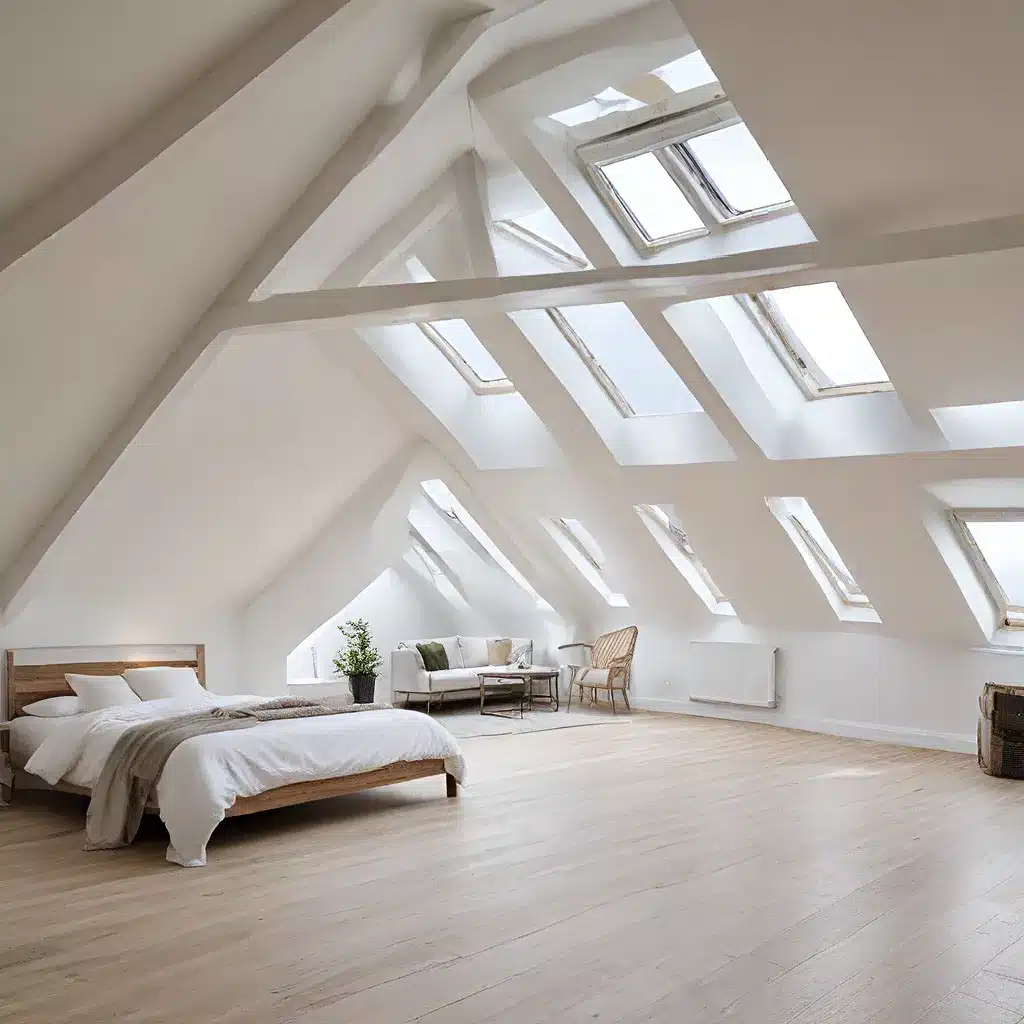
The United Kingdom’s housing market continues to present challenges for homeowners and potential buyers alike. As of September 2024, the demand for additional living space remains high, particularly in urban areas where property prices have steadily increased over the past few years. This situation has led many homeowners to consider loft conversions as a viable option for expanding their living space without the need to relocate.
In Aberdeen and other UK cities, the trend towards maximising existing property footprints has gained significant traction. Local councils have reported a marked increase in planning applications for loft conversions, reflecting a broader national trend. This surge in interest is not only driven by the need for more space but also by the potential to add value to properties in a competitive market.
The UK government has recognised the importance of home improvements in addressing housing shortages. Recent policy updates have aimed to streamline the planning process for certain types of conversions, including loft adaptations. These changes have made it easier for homeowners to undertake such projects, provided they adhere to building regulations and local planning guidelines.
Regulatory Framework for Loft Conversions in the UK
Planning Permission and Building Regulations
Loft conversions in the UK are subject to a complex regulatory framework that aims to ensure safety, structural integrity, and compliance with local planning policies. As of 2024, many loft conversions fall under ‘permitted development’ rights, which means they do not require full planning permission. However, this is contingent on meeting specific criteria:
- The total area of additional roof space must not exceed 40 cubic metres for terraced houses or 50 cubic metres for detached and semi-detached houses.
- No part of the extension should be higher than the highest part of the existing roof.
- No verandas, balconies, or raised platforms are permitted without specific planning permission.
- Side-facing windows must be obscure-glazed and non-opening unless the opening parts are more than 1.7 metres above the floor level.
It’s important to note that these rules can vary depending on local authority guidelines and whether the property is in a conservation area or a listed building. Homeowners are advised to check with their local planning department before commencing any work.
Building Regulations Approval
While planning permission may not always be necessary, building regulations approval is mandatory for all loft conversions. This ensures that the structural changes are safe and meet energy efficiency standards. Key areas covered by building regulations include:
- Structural stability
- Fire safety and means of escape
- Staircase design and access
- Sound insulation
- Electrical safety
- Energy efficiency and insulation
To obtain building regulations approval, detailed plans and calculations must be submitted to the local authority or an approved inspector. Inspections will be carried out at various stages of the conversion process to ensure compliance.
Energy Efficiency Requirements
In line with the UK’s commitment to reducing carbon emissions, loft conversions must meet stringent energy efficiency standards. As of September 2024, the following requirements are in place:
- Roof insulation must achieve a U-value of 0.15 W/m²K or lower.
- New windows and doors must have a U-value of 1.4 W/m²K or lower.
- Any newly created habitable rooms must have controlled ventilation systems to maintain air quality and prevent condensation.
Compliance with these regulations not only ensures legal adherence but also contributes to lower energy bills and a reduced carbon footprint for the property.
Innovative Design Approaches for Loft Conversions
Maximising Space Utilisation
Modern loft conversion designs focus on making the most of available space, often in creative and unexpected ways. Architects and designers are employing several innovative techniques to achieve this:
-
Multi-functional Furniture: Built-in storage solutions and convertible furniture pieces are becoming increasingly popular. For example, stairs with integrated drawers or beds with storage compartments underneath can significantly increase the usable space in a loft conversion.
-
Mezzanine Levels: In lofts with sufficient headroom, introducing a mezzanine level can create additional floor space for sleeping or work areas while maintaining an open, airy feel.
-
Dormer Windows: These projections from the existing roof slope not only increase headroom but also flood the space with natural light, making the area feel larger and more inviting.
Sustainable Materials and Technologies
The push towards sustainability in construction has led to the adoption of eco-friendly materials and technologies in loft conversions:
-
Recycled Insulation: Materials such as recycled plastic bottles or sheep’s wool are being used as effective, sustainable alternatives to traditional insulation.
-
Sustainable Timber: FSC-certified wood products are increasingly specified for structural elements and finishes, ensuring responsible sourcing.
-
Solar Integration: The installation of solar panels or solar tiles during the conversion process is becoming more common, allowing homeowners to generate their own renewable energy.
Smart Home Integration
The integration of smart home technologies is transforming loft conversions into highly efficient and comfortable living spaces:
-
Automated Climate Control: Smart thermostats and zoned heating systems allow for precise temperature management in the loft space, which can be particularly beneficial given the unique thermal characteristics of attic rooms.
-
Intelligent Lighting: Programmable LED lighting systems can adjust brightness and colour temperature throughout the day, enhancing comfort and energy efficiency.
-
Remote Monitoring: Integration of security cameras and sensors enables homeowners to monitor and control their loft space remotely, adding an extra layer of security and convenience.
Cost Considerations and Financial Planning
Budgeting for a Loft Conversion
The cost of a loft conversion can vary significantly depending on the scale and complexity of the project. As of September 2024, typical costs for loft conversions in the UK range from £30,000 to £70,000. Here’s a breakdown of potential costs:
| Conversion Type | Estimated Cost Range (GBP) |
|---|---|
| Velux Conversion | £30,000 – £40,000 |
| Dormer Conversion | £40,000 – £55,000 |
| Hip-to-Gable Conversion | £45,000 – £65,000 |
| Mansard Conversion | £50,000 – £70,000 |
These figures are indicative and can vary based on factors such as property location, materials used, and the level of finish required. It’s advisable to obtain multiple quotes from reputable contractors and to factor in a contingency of 10-20% for unexpected costs.
Financing Options
Several financing options are available for homeowners looking to fund their loft conversion projects:
-
Remortgaging: Many homeowners choose to release equity from their property by remortgaging. Current interest rates and terms should be carefully considered.
-
Home Improvement Loans: Specialised loans for home improvements are offered by various UK banks and building societies, often with competitive interest rates for those with good credit scores.
-
Personal Savings: Using personal savings can be the most cost-effective option, avoiding interest charges associated with borrowing.
-
Government Schemes: As of 2024, some local authorities offer grants or low-interest loans for home improvements that increase energy efficiency, which may apply to certain aspects of loft conversions.
Return on Investment
Loft conversions typically offer a good return on investment in terms of increased property value. Recent data from UK property experts suggests that a well-executed loft conversion can add between 10% and 20% to the value of a home. However, it’s important to consider the ceiling price for properties in the local area to ensure the investment is proportionate to potential returns.
Project Management and Construction Process
Planning and Design Phase
The success of a loft conversion project often hinges on thorough planning and design. This phase typically involves:
-
Initial Survey: A structural engineer or architect will assess the existing roof structure and determine the feasibility of the conversion.
-
Design Development: Working closely with the homeowner, professionals will create detailed plans that meet both the client’s needs and regulatory requirements.
-
Obtaining Necessary Approvals: This includes submitting plans for building regulations approval and, where necessary, planning permission.
Construction Timeline
The construction phase of a loft conversion typically follows this general timeline:
-
Preparation (1-2 weeks): This includes erecting scaffolding and making the work area safe.
-
Structural Work (2-3 weeks): Involves strengthening the floor, adding roof supports, and creating new openings for windows or dormers.
-
Roof Alterations (1-2 weeks): If required, this includes adding dormers or changing the roof profile.
-
Internal Construction (3-4 weeks): This covers insulation, plastering, electrics, and plumbing.
-
Finishing (2-3 weeks): Final decorating, fitting of fixtures and fittings, and any bespoke carpentry work.
-
Inspections and Sign-off (1 week): Final inspections by building control and addressing any issues raised.
The entire process typically takes between 8 to 12 weeks, depending on the complexity of the project and any unforeseen issues that may arise.
Managing Disruption
Loft conversions can be disruptive to daily life. Effective project management includes strategies to minimise this disruption:
-
Phased Construction: Breaking the project into stages can help contain mess and noise to specific areas of the house.
-
Dust Control: Using dust sheets and sealing off work areas can help contain debris.
-
Scheduling Noisy Work: Coordinating with neighbours and scheduling the noisiest work during agreed-upon hours can help maintain good relations.
-
Temporary Storage: Arranging for off-site storage of furniture and belongings from the affected areas can create more space for work to proceed efficiently.
Sustainable Building Practices in Loft Conversions
Energy-Efficient Design Principles
Incorporating energy-efficient design principles into loft conversions not only complies with building regulations but also contributes to long-term cost savings and environmental sustainability. Key considerations include:
-
Passive Solar Design: Positioning windows to maximise natural light and heat gain in winter while providing adequate shading for summer months.
-
Thermal Mass: Using materials with high thermal mass, such as concrete or stone, to help regulate temperature fluctuations.
-
Airtightness: Ensuring the loft space is well-sealed to prevent heat loss through air leakage, while also incorporating controlled ventilation systems.
Renewable Energy Integration
Loft conversions present an opportunity to integrate renewable energy systems into the home:
-
Solar Photovoltaic Panels: The roof space created by a loft conversion is often ideal for installing solar panels, which can significantly reduce electricity bills.
-
Solar Thermal Systems: These can be integrated to provide hot water, potentially covering a significant portion of a household’s hot water needs.
-
Heat Recovery Ventilation: These systems can be particularly effective in well-insulated loft spaces, providing fresh air while recapturing heat that would otherwise be lost.
Sustainable Material Selection
Choosing sustainable materials for loft conversions can significantly reduce the environmental impact of the project:
-
Reclaimed Materials: Using reclaimed timber for flooring or beams not only adds character but also reduces demand for new resources.
-
Low-VOC Products: Selecting paints, varnishes, and adhesives with low volatile organic compound (VOC) content improves indoor air quality.
-
Natural Insulation Materials: Options such as sheep’s wool, hemp, or recycled cotton offer excellent thermal properties with a lower environmental impact than synthetic alternatives.
Future Trends in Loft Conversion Technology
Prefabrication and Modular Construction
The use of prefabricated components in loft conversions is gaining traction in the UK construction industry. This approach offers several advantages:
-
Reduced On-Site Construction Time: Much of the work is completed off-site, minimising disruption to the household.
-
Improved Quality Control: Factory-built components often have higher precision and consistency compared to on-site construction.
-
Reduced Waste: Prefabrication allows for more efficient use of materials, reducing on-site waste.
Advanced Insulation Technologies
Innovations in insulation materials are revolutionising the energy efficiency of loft conversions:
-
Aerogel Insulation: Ultra-thin yet highly effective, aerogel insulation can provide excellent thermal performance without sacrificing valuable space.
-
Phase Change Materials (PCMs): These materials can absorb and release heat at specific temperatures, helping to maintain a stable internal environment.
-
Vacuum Insulated Panels (VIPs): Although currently expensive, VIPs offer superior insulation performance in a thin profile, potentially becoming more accessible in the future.
Digital Tools and Virtual Reality in Design
The use of digital tools is transforming the planning and design process for loft conversions:
-
3D Modelling and BIM: Building Information Modelling (BIM) allows for detailed 3D representations of the proposed conversion, helping homeowners visualise the end result and identify potential issues early in the design process.
-
Virtual Reality (VR) Walkthroughs: VR technology enables homeowners to ‘walk through’ their proposed loft conversion before construction begins, allowing for informed decision-making and reducing the likelihood of post-construction changes.
-
Augmented Reality (AR) for On-Site Visualisation: AR apps can overlay digital information onto the physical space, helping contractors and homeowners understand how proposed changes will look in real-time.
Addressing Common Challenges in Loft Conversions
Structural Considerations
One of the primary challenges in loft conversions is ensuring the existing structure can support the additional load. Key considerations include:
-
Load-Bearing Walls: Identifying and reinforcing load-bearing walls is critical. In some cases, steel beams may need to be installed to distribute the weight effectively.
-
Floor Joists: Existing floor joists often need to be strengthened or replaced to support the new living space and comply with building regulations.
-
Roof Structure: The original roof structure may need modification, particularly if dormers or other alterations are planned.
Engaging a structural engineer early in the project is essential to address these issues effectively and ensure the conversion meets all safety standards.
Natural Light and Ventilation
Maximising natural light and ensuring adequate ventilation can be challenging in loft spaces:
-
Roof Windows: Strategically placed roof windows or skylights can dramatically improve natural light. However, their positioning must be carefully considered to maintain privacy and avoid overheating.
-
Dormer Windows: While effective for increasing headroom and light, dormers must be designed to complement the existing roof structure and comply with planning regulations.
-
Mechanical Ventilation: In well-insulated loft spaces, mechanical ventilation systems with heat recovery (MVHR) can be essential for maintaining air quality and preventing condensation.
Space Constraints
Working within the confines of an existing roof space presents unique challenges:
-
Headroom: Building regulations require a minimum head height of 2.2 metres over at least 50% of the floor area. Creative solutions such as lowering ceilings in rooms below or altering the roof structure may be necessary.
-
Staircase Placement: Finding the right location for a staircase that meets building regulations while minimising the impact on existing living spaces can be complex.
-
Storage Solutions: Incorporating storage into eaves and other awkward spaces requires careful planning and often custom-built solutions.
Legal and Insurance Considerations
Party Wall Agreements
For semi-detached or terraced houses, loft conversions often require a Party Wall Agreement with neighbouring properties. This legal document outlines the scope of work and protects both parties from potential disputes. Key points include:
-
Notification Period: Homeowners must give at least two months’ notice to affected neighbours before work begins.
-
Surveyor Appointment: If neighbours do not consent to the work, independent surveyors may need to be appointed to create a Party Wall Award.
-
Damage Liability: The agreement should clearly state who is responsible for any damage that may occur during the conversion process.
Building Control and Certification
Ensuring compliance with building regulations is crucial for the safety and legality of the loft conversion:
-
Inspections: Building control officers will conduct inspections at key stages of the project to ensure compliance with regulations.
-
Completion Certificate: Upon successful completion, a certificate will be issued, which is important for legal and insurance purposes.
-
Energy Performance Certificate (EPC): An updated EPC may be required following the conversion, reflecting the improved energy efficiency of the property.
Insurance Implications
Loft conversions can have significant implications for home insurance:
-
Notifying Insurers: Homeowners should inform their insurance provider about the planned conversion before work begins.
-
Coverage During Construction: Existing policies may not cover the property during major renovations, necessitating temporary construction insurance.
-
Post-Conversion Adjustments: The increased value and living space resulting from the conversion will likely require an adjustment to the insurance policy.
Maintenance and Long-Term Care
Regular Inspections
To ensure the longevity and safety of a loft conversion, regular inspections are essential:
-
Roof Integrity: Annual checks for any signs of leaks or damage to roofing materials, especially around skylights and dormers.
-
Insulation Performance: Periodic assessment of insulation effectiveness, particularly in older conversions, to maintain energy efficiency.
-
Structural Stability: Regular checks for any signs of movement or stress in load-bearing elements.
Energy Efficiency Monitoring
Maintaining the energy efficiency of the loft conversion helps control costs and ensures comfort:
-
Thermal Imaging: Periodic thermal imaging surveys can identify areas of heat loss that may require attention.
-
Smart Meter Data: Analysing energy consumption data can help identify any unexpected increases in usage that might indicate efficiency issues.
-
Ventilation System Maintenance: Regular cleaning and servicing of ventilation systems, particularly MVHR units, is crucial for maintaining air quality and efficiency.
Updating and Upgrading
As technology and building standards evolve, consider periodic updates to the loft conversion:
-
Lighting Upgrades: Replacing older light fittings with more energy-efficient LED options can reduce energy consumption.
-
Window Replacements: As window technology improves, replacing older units with more thermally efficient models can enhance comfort and reduce heat loss.
-
Smart Home Integration: Retrofitting smart home technologies can improve energy management and overall functionality of the space.
By addressing these long-term care aspects, homeowners can ensure their loft conversion remains a valuable and efficient part of their home for years to come.
For more information on home extensions and conversions, visit https://abc-home.co.uk/home-extension-conversion/ for expert advice and services.