Understanding the Spa Design Landscape in the UK
The spa industry in the United Kingdom has experienced significant growth in recent years, with an increasing number of homeowners and businesses seeking to create tranquil spaces for relaxation and wellness. As of September 2024, the demand for well-designed spas that balance functionality with aesthetics has reached new heights, particularly in urban centres like Aberdeen. This trend has led to a renewed focus on innovative design approaches that merge practicality with visual appeal.
In the UK, spa design must adhere to strict building regulations and safety standards. These regulations cover various aspects, including ventilation, water systems, electrical safety, and accessibility. Designers and builders must navigate these requirements while still creating spaces that evoke a sense of calm and luxury.
The current economic climate has also influenced spa design trends. With the average cost of a high-end spa installation ranging from £50,000 to £200,000, depending on size and features, there is a growing emphasis on cost-effective solutions that do not compromise on quality or aesthetics. This has led to an increased interest in modular designs and multi-functional spaces that offer flexibility and value for money.
Regulatory Compliance in Spa Construction
Building Regulations and Planning Permission
Before embarking on a spa design project in the UK, it is essential to understand the regulatory landscape. As of 2024, all spa construction projects must comply with the Building Regulations 2010 (as amended) and may require planning permission, depending on the scale and location of the project.
Key areas of regulatory focus include:
- Structural integrity
- Fire safety
- Ventilation and air quality
- Energy efficiency
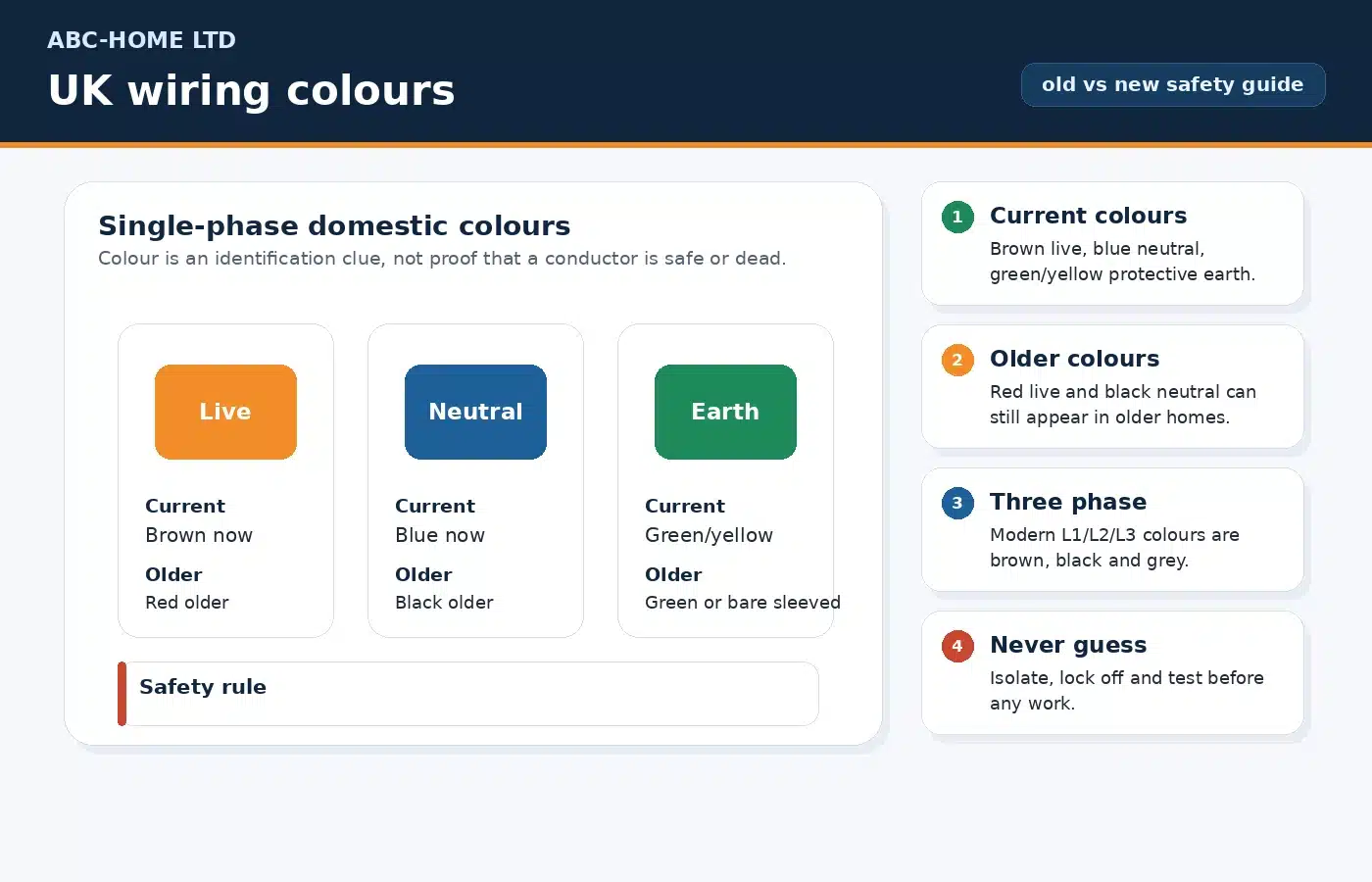
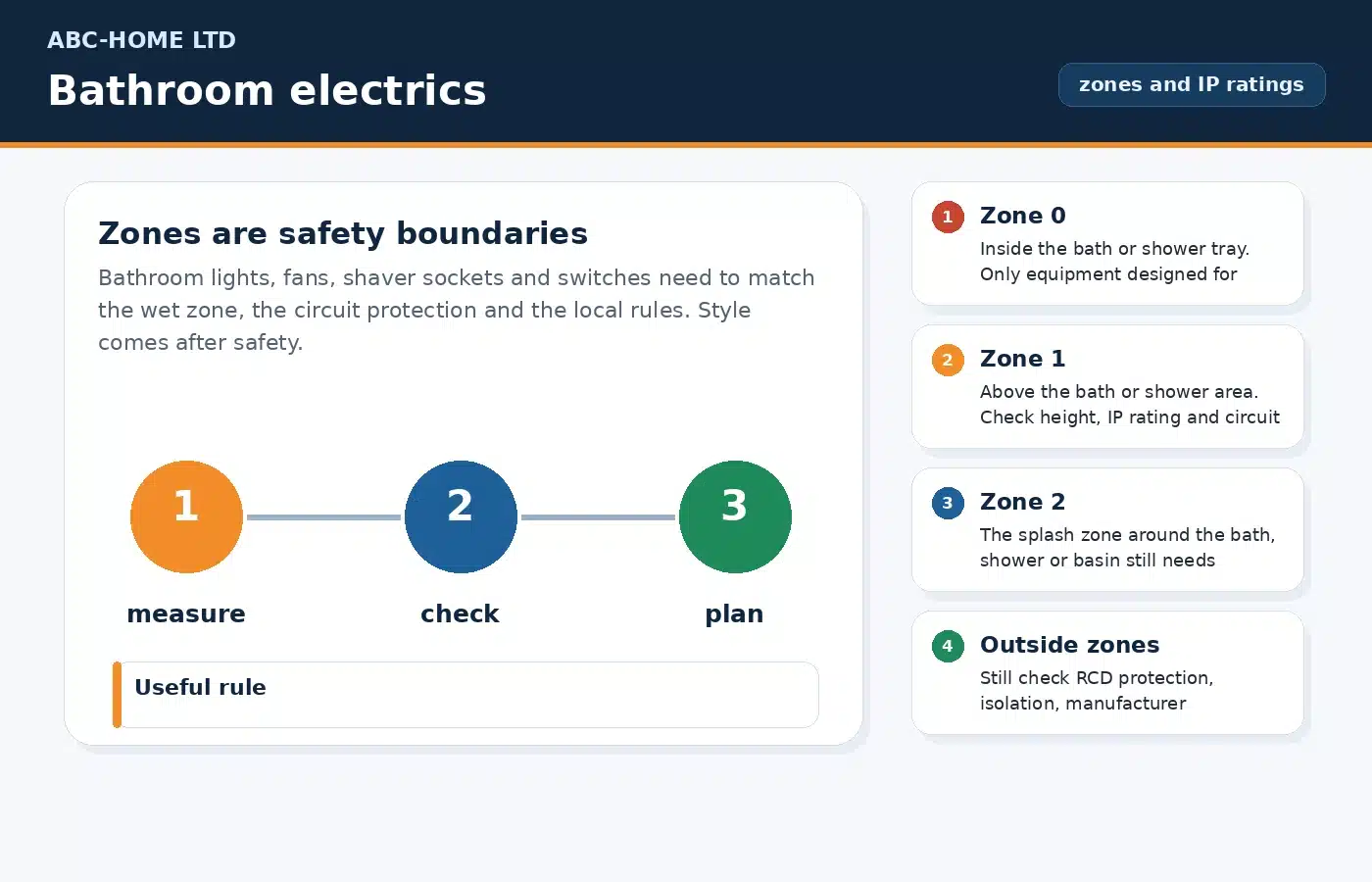
- Electrical safety
- Water safety and hygiene
Local authorities in areas like Aberdeen may have additional requirements or restrictions, particularly for projects in conservation areas or listed buildings. It is advisable to consult with a local planning officer early in the design process to ensure compliance and avoid costly alterations later.
Water Safety and Hygiene Standards
Water safety is paramount in spa design. The Water Supply (Water Fittings) Regulations 1999 govern the design and installation of water systems in the UK. For spa facilities, this includes specific requirements for:
- Backflow prevention
- Water temperature control
- Filtration systems
- Chemical treatment of water
Additionally, spa designers must consider the Health and Safety Executive (HSE) guidelines on the control of legionella bacteria in water systems. Regular risk assessments and maintenance procedures should be incorporated into the design to ensure ongoing compliance and safety.
Accessibility Requirements
In line with the Equality Act 2010, spa facilities must be designed to be accessible to all users, including those with disabilities. This includes considerations such as:
- Step-free access where possible
- Adequate turning space for wheelchair users
- Accessible changing facilities and toilets
- Clear signage and tactile surfaces
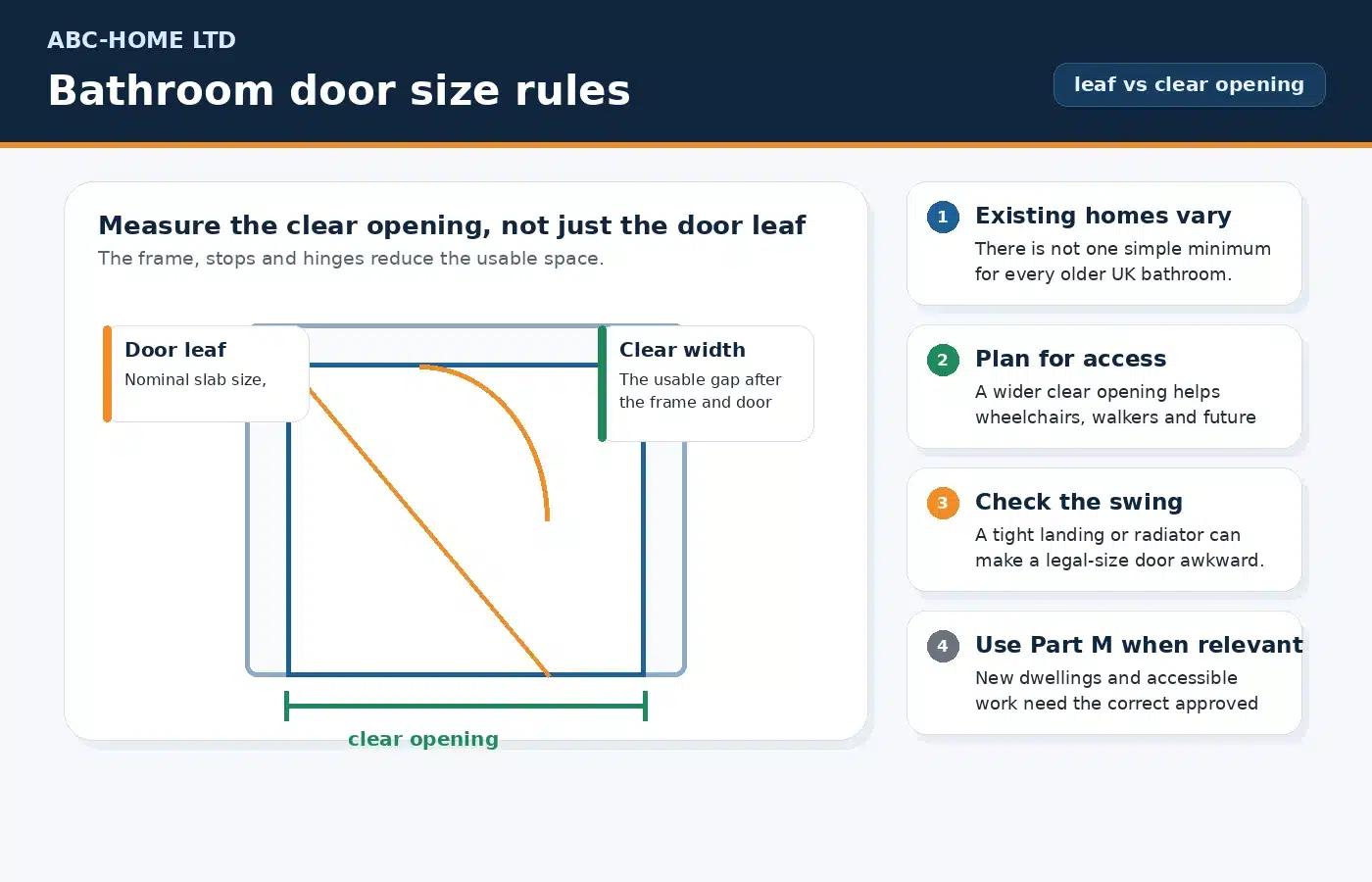
Designers should refer to the latest edition of Approved Document M of the Building Regulations for detailed guidance on accessibility requirements.
Integrating Aesthetics with Functionality
Minimalist Design Principles
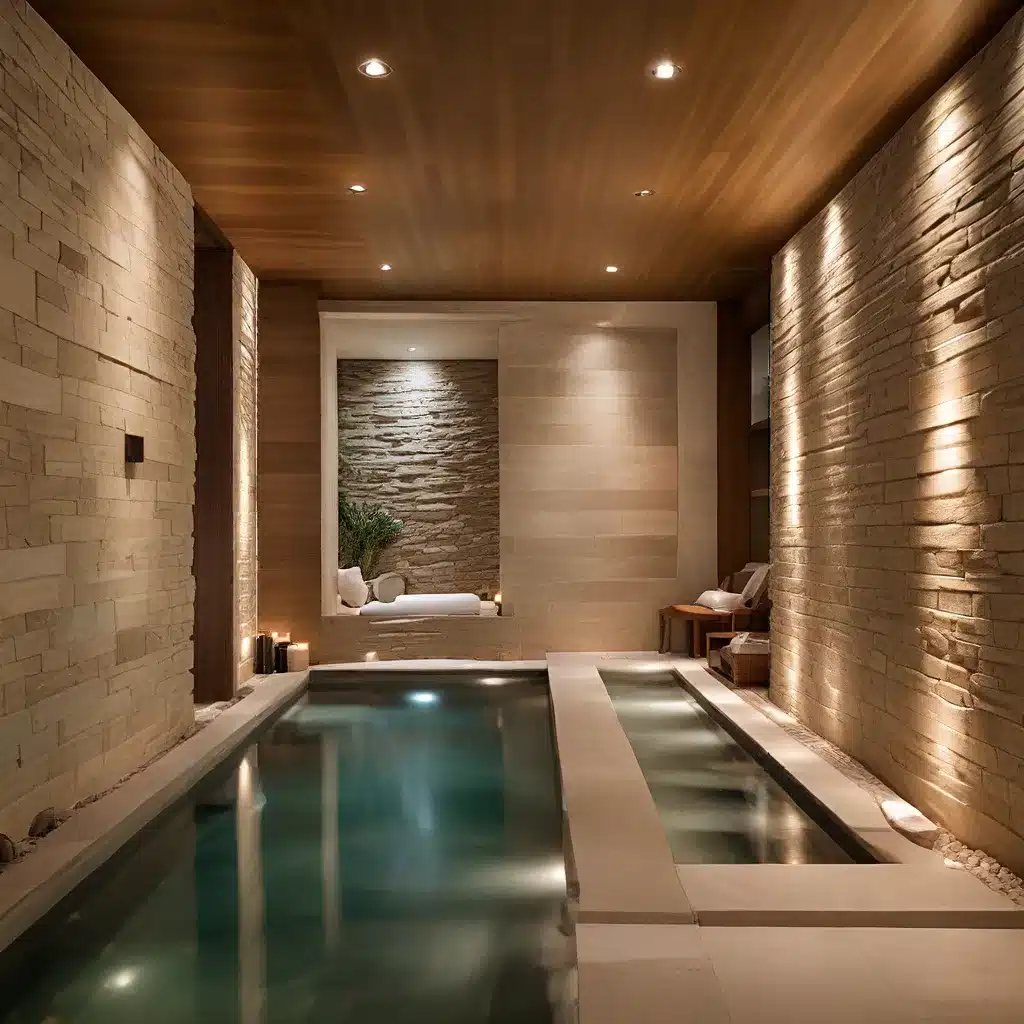
The fusion of minimalist design principles with functional spa elements has gained popularity in the UK market. This approach emphasises clean lines, uncluttered spaces, and a neutral colour palette, creating an environment conducive to relaxation and rejuvenation.
Key aspects of minimalist spa design include:
- Use of natural materials such as wood, stone, and bamboo
- Simple, geometric shapes in architectural elements and fixtures
- Hidden storage solutions to maintain a clutter-free appearance
- Strategic lighting design to create ambiance without visual clutter
When implementing minimalist design, it is crucial to balance aesthetics with the practical requirements of a spa environment. For example, non-slip surfaces are essential for safety but must be integrated seamlessly into the overall design scheme.
Biophilic Design Elements
Incorporating elements of nature into spa design has been shown to enhance the relaxation experience and promote well-being. Biophilic design principles can be applied in various ways:
- Indoor plants and living walls
- Natural light through skylights or large windows
- Water features such as fountains or indoor streams
- Use of organic textures and patterns in materials and finishes
When integrating biophilic elements, designers must consider the maintenance requirements and potential impact on humidity levels within the spa environment. Proper ventilation and moisture control systems are essential to prevent issues such as mould growth or material degradation.
Multi-functional Spaces
To maximise the value and efficiency of spa facilities, many UK designers are creating multi-functional spaces that can adapt to different uses. This approach allows for a wider range of services to be offered within a limited footprint.
Examples of multi-functional spa design include:
- Movable partitions to create flexible treatment rooms
- Convertible relaxation areas that can host yoga or meditation classes
- Hydrotherapy pools with adjustable features for different therapies
When designing multi-functional spaces, careful consideration must be given to storage solutions, equipment versatility, and ease of transition between different configurations. This ensures that the space remains aesthetically pleasing while meeting the practical needs of various spa treatments and activities.
Material Selection for Durability and Aesthetics
Waterproof and Moisture-Resistant Options
Selecting appropriate materials for a spa environment is crucial for both longevity and maintaining a luxurious aesthetic. Materials must withstand high humidity, frequent water exposure, and regular cleaning.
Some suitable options include:
| Material | Advantages | Considerations | Average Cost (GBP/m²) |
|---|---|---|---|
| Porcelain tiles | Durable, water-resistant, variety of designs | Requires professional installation | £30 – £100 |
| Natural stone | Luxurious appearance, unique patterns | Higher maintenance, may require sealing | £50 – £200 |
| Engineered wood | Moisture-resistant, natural look | Less water-resistant than tiles | £40 – £80 |
| Vinyl | Cost-effective, easy to clean | May lack premium feel | £20 – £50 |
When selecting materials, designers should consider not only their aesthetic properties but also their slip resistance, ease of maintenance, and compatibility with underfloor heating systems, which are popular in UK spa designs.
Sustainable and Eco-friendly Materials
Sustainability has become a key consideration in UK spa design. Clients are increasingly seeking eco-friendly options that align with their values and contribute to a healthier environment.
Sustainable material choices may include:
- Reclaimed or sustainably sourced wood
- Recycled glass tiles
- Low-VOC paints and sealants
- Bamboo flooring or wall cladding
When specifying sustainable materials, it is important to verify their performance characteristics and ensure they meet the necessary standards for use in a spa environment. Designers should also consider the overall lifecycle impact of materials, including their production, transportation, and eventual disposal or recycling.
Innovative Surfaces for Spa Environments
Advancements in material technology have led to the development of innovative surfaces specifically designed for spa environments. These materials offer enhanced performance while maintaining a high-end aesthetic.
Examples include:
- Antimicrobial surfaces that inhibit the growth of bacteria and fungi
- Self-cleaning glass that reduces maintenance requirements
- Heat-responsive tiles that change colour with temperature
- Sound-absorbing panels that enhance the acoustic environment
While these innovative materials can add significant value to a spa design, their cost implications must be carefully considered. Designers should weigh the long-term benefits against initial investment costs and ensure that any new materials comply with relevant UK building standards and regulations.
Lighting Design for Ambiance and Functionality
Natural Light Integration
Maximising natural light is a key principle in modern spa design, contributing to both energy efficiency and the overall wellbeing of spa users. In the UK climate, where daylight can be limited, especially during winter months, thoughtful integration of natural light is essential.
Strategies for natural light integration include:
- Large windows or floor-to-ceiling glazing
- Skylights and roof lanterns
- Light wells and atriums
- Translucent partitions that allow light to penetrate deeper into the space
When incorporating large glazed areas, designers must consider the thermal performance of the glass to maintain comfortable temperatures and meet energy efficiency requirements. Solar control glazing or external shading devices may be necessary to prevent overheating in summer months.
Artificial Lighting Solutions
Artificial lighting plays a crucial role in creating the desired ambiance and supporting various spa functions. A well-designed lighting scheme should be flexible, allowing for different moods and activities throughout the day.
Key considerations for artificial lighting in spa design include:
- Colour temperature: Warmer tones (2700K-3000K) for relaxation areas, cooler tones (4000K-5000K) for treatment rooms
- Dimming capabilities: To adjust light levels for different times of day and activities
- Accent lighting: To highlight architectural features or artwork
- Task lighting: For specific treatment areas or reception desks
- Underwater lighting: For pools and water features
LED lighting has become the standard in UK spa design due to its energy efficiency, long lifespan, and versatility. When specifying LED fixtures, designers should ensure they meet the requirements of the Energy Technology List (ETL) for enhanced capital allowances.
Circadian Lighting Systems
An emerging trend in spa lighting design is the use of circadian lighting systems, which mimic the natural progression of daylight to support the body’s internal clock. These systems can be particularly beneficial in spaces with limited natural light.
Circadian lighting typically involves:
- Adjusting colour temperature throughout the day
- Gradually changing light intensity to simulate sunrise and sunset
- Integrating with building management systems for automated control
While circadian lighting can enhance the spa experience and potentially improve user wellbeing, it requires careful planning and integration with other building systems. Designers should work closely with lighting specialists and consider the additional costs associated with these advanced systems, which can range from £5,000 to £20,000 for a medium-sized spa facility.
Water Features and Hydrotherapy Integration
Types of Water Features
Water features are integral to spa design, creating a multi-sensory experience that enhances relaxation and aesthetic appeal. Popular water features in UK spas include:
- Decorative fountains
- Waterfalls and cascades
- Reflection pools
- Bubble walls
- Mist features
When selecting water features, designers must consider factors such as:
- Water consumption and efficiency
- Noise levels and acoustic impact
- Maintenance requirements
- Integration with the overall design theme
It’s important to note that all water features must comply with the Water Supply (Water Fittings) Regulations 1999, which govern the prevention of waste, misuse, undue consumption, and contamination of water supplies.
Hydrotherapy Pool Design
Hydrotherapy pools are a central element in many UK spa designs, offering therapeutic benefits and a focal point for relaxation. Key considerations in hydrotherapy pool design include:
- Water temperature control (typically 32-36°C)
- Jet placement and intensity options
- Depth variations for different activities
- Access points, including steps and handrails
- Surrounding deck materials for safety and comfort
Designers must ensure that hydrotherapy pools meet the stringent safety standards set out in BS EN 17125:2018 – Domestic spas/whirlpool spas/hot tubs – Safety requirements and test methods. This includes requirements for water treatment, electrical safety, and suction entrapment prevention.
Energy-efficient Water Systems
With increasing focus on sustainability and rising energy costs in the UK, designing energy-efficient water systems for spas has become paramount. Strategies for improving energy efficiency include:
- Heat recovery systems to capture and reuse waste heat
- Variable speed pumps that adjust to demand
- High-efficiency filtration systems
- Automated chemical dosing for optimal water quality
Designers should also consider the integration of renewable energy sources, such as solar thermal panels or heat pumps, to further reduce the carbon footprint of spa facilities. The initial investment in these technologies can be significant, but they often provide long-term cost savings and may be eligible for government incentives.
| Technology | Initial Cost Range (GBP) | Estimated Annual Savings (GBP) | Payback Period (Years) |
|---|---|---|---|
| Heat recovery system | £10,000 – £30,000 | £2,000 – £5,000 | 3-7 |
| Variable speed pumps | £1,500 – £3,000 per pump | £500 – £1,500 | 2-4 |
| Solar thermal panels | £4,000 – £8,000 | £300 – £600 | 7-15 |
| Air source heat pump | £7,000 – £15,000 | £1,000 – £2,000 | 5-10 |
These figures are approximate and can vary based on specific project requirements and energy prices. Designers should conduct detailed cost-benefit analyses to determine the most appropriate solutions for each spa project.
Ventilation and Air Quality Management
HVAC System Design for Spa Environments
Proper ventilation and air quality management are critical in spa environments to ensure comfort, hygiene, and compliance with UK building regulations. The design of heating, ventilation, and air conditioning (HVAC) systems for spas must address several unique challenges:
- High humidity levels
- Temperature variations between different spa areas
- Removal of chemical odours and airborne contaminants
- Energy efficiency requirements
HVAC systems for spas should be designed in accordance with CIBSE Guide B2: Ventilation and ductwork, which provides specific guidance for swimming pools and similar high-humidity environments. Key considerations include:
- Dehumidification capacity to maintain relative humidity below 60%
- Air distribution to prevent condensation on surfaces
- Fresh air supply rates to meet occupancy requirements
- Heat recovery to minimise energy consumption
Designers should also consider the use of zoned systems that allow for independent control of different spa areas, optimising comfort and energy efficiency.
Natural Ventilation Strategies
While mechanical ventilation is often necessary for spa environments, incorporating natural ventilation strategies can improve air quality and reduce energy consumption. Natural ventilation options include:
- Operable windows and skylights
- Wind towers or thermal chimneys
- Double-skin façades with ventilated cavities
When implementing natural ventilation, designers must carefully consider the UK climate, which can be unpredictable and often damp. Hybrid systems that combine natural and mechanical ventilation may offer the best solution, providing flexibility and resilience.
Air Purification Technologies
To maintain high air quality standards in spa environments, designers are increasingly incorporating advanced air purification technologies. These systems can help remove pollutants, allergens, and odours, contributing to a healthier and more pleasant spa atmosphere.
Common air purification technologies include:
- HEPA filtration
- UV-C light disinfection
- Photocatalytic oxidation
- Bipolar ionisation
When selecting air purification systems, designers should consider:
- Efficacy against relevant contaminants
- Energy consumption
- Maintenance requirements
- Noise levels
- Integration with existing HVAC systems
It’s important to note that while air purification technologies can be beneficial, they should not be relied upon as the sole means of maintaining air quality. Proper ventilation and source control of pollutants remain fundamental to creating a healthy spa environment.
Acoustic Design for Relaxation
Sound Insulation Techniques
Creating a peaceful atmosphere is essential in spa design, and effective sound insulation plays a crucial role in achieving this. Designers must consider both external noise intrusion and internal sound transmission between different spa areas.
Key sound insulation techniques include:
- Double or triple glazing for external windows
- Acoustic seals on doors
- Floating floors to reduce impact sound transmission
- Mass-loaded vinyl barriers in walls and ceilings
- Acoustic baffles and panels in high-ceilinged areas
When implementing sound insulation measures, designers should refer to Approved Document E of the Building Regulations, which sets out minimum standards for sound insulation in buildings. For high-end spa facilities, exceeding these minimum standards is often desirable to create a truly tranquil environment.
Background Music and Sound Masking
Carefully selected background music can enhance the spa experience, promoting relaxation and masking unwanted noise. When designing audio systems for spas, consider:
- Zoned audio systems for different areas
- High-quality, waterproof speakers for wet areas
- Concealed speaker placement for a seamless aesthetic
- Integration with building management systems for centralised control
Sound masking systems, which produce a low-level ambient sound similar to airflow, can also be effective in creating a sense of privacy and reducing distractions in treatment rooms and relaxation areas.
Water Sound Design
The sound of water can be a powerful tool in creating a relaxing atmosphere. When designing water features, consider the acoustic properties of different water movements:
- Gentle cascades for a soothing background sound
- Droplet features for a meditative effect
- Bubbling or gurgling sounds for a playful atmosphere
The placement of water features should be carefully considered to ensure that the sound enhances rather than dominates the space. Acoustic modelling software can be useful in predicting the sound distribution and impact of water features within the spa environment.
Technology Integration for Enhanced User Experience
Smart Control Systems
The integration of smart technology in spa design has become increasingly common, offering enhanced user experiences and improved operational efficiency. Smart control systems can manage various aspects of the spa environment, including:
- Lighting scenes
- Temperature and humidity levels
- Audio-visual systems
- Water features and hydrotherapy equipment
When implementing smart control systems, designers should prioritise user-friendly interfaces and ensure compatibility with existing building management systems. The cost of smart control systems can vary widely, typically ranging from £5,000 to £50,000 depending on the scale and complexity of the installation.
Digital Wellness Tracking
Digital wellness tracking is an emerging trend in spa design, allowing users to monitor and optimise their spa experience. This may include:
- Wearable devices that track physiological responses to treatments
- Interactive displays providing personalised wellness recommendations
- Mobile apps for booking treatments and accessing spa information
When incorporating digital wellness features, designers must consider data privacy and security, ensuring compliance with the UK General Data Protection Regulation (GDPR). It’s also important to provide options for users who prefer a tech-free experience.
Virtual Reality Relaxation Spaces
Virtual reality (VR) technology is being explored as a way to enhance relaxation and provide immersive experiences in spa settings. VR relaxation spaces might offer:
- Guided meditation in virtual natural environments
- Customisable virtual scenery for relaxation areas
- Interactive wellness education experiences
While VR technology can add a unique element to spa design, it should be implemented thoughtfully to complement rather than detract from the physical spa environment. Designers should consider the spatial requirements for VR installations and ensure that hygiene protocols are in place for shared VR equipment.
Sustainability and Energy Efficiency
Renewable Energy Integration
Incorporating renewable energy sources into spa design can significantly reduce operational costs and environmental impact. Common renewable energy options for UK spas include:
- Solar photovoltaic panels for electricity generation
- Solar thermal systems for water heating
- Ground source or air source heat pumps for space heating and cooling
- Biomass boilers for heating in rural areas
When considering renewable energy systems, designers should conduct a thorough feasibility study, taking into account factors such as:
- Available space and orientation for solar installations
- Ground conditions for heat pump installations
- Local planning restrictions and conservation area guidelines
- Grid connection capacity for feed-in tariffs
It’s important to note that while renewable energy systems can offer long-term cost savings, they often require significant upfront investment. Designers should explore available government incentives, such as the Renewable Heat Incentive (RHI), to help offset initial costs.
Water Conservation Measures
Water conservation is a critical aspect of sustainable spa design. Strategies for reducing water consumption include:
- Low-flow showerheads and taps
- Dual-flush toilets
- Greywater recycling systems for non-potable uses
- Rainwater harvesting for landscape irrigation
Designers should also consider the water efficiency of spa equipment, such as hydrotherapy pools and steam rooms. Regular maintenance and leak detection systems can help prevent water waste over time.
Sustainable Materials and Construction Practices
The selection of sustainable materials and adoption of eco-friendly construction practices can significantly reduce the environmental impact of spa projects. Consider:
- Locally sourced materials to reduce transportation emissions
- Recycled or reclaimed materials where appropriate
- Low-VOC paints, adhesives, and sealants
- Prefabricated elements to reduce on-site waste
Construction waste management plans should be implemented to minimise landfill waste. Designers can refer to BREEAM (Building Research Establishment Environmental Assessment Method) guidelines for best practices in sustainable construction.
Cost Management and Return on Investment
Budget Planning for Spa Projects
Effective cost management is crucial for successful spa projects. When developing a budget, consider the following key areas:
- Design and consultancy fees
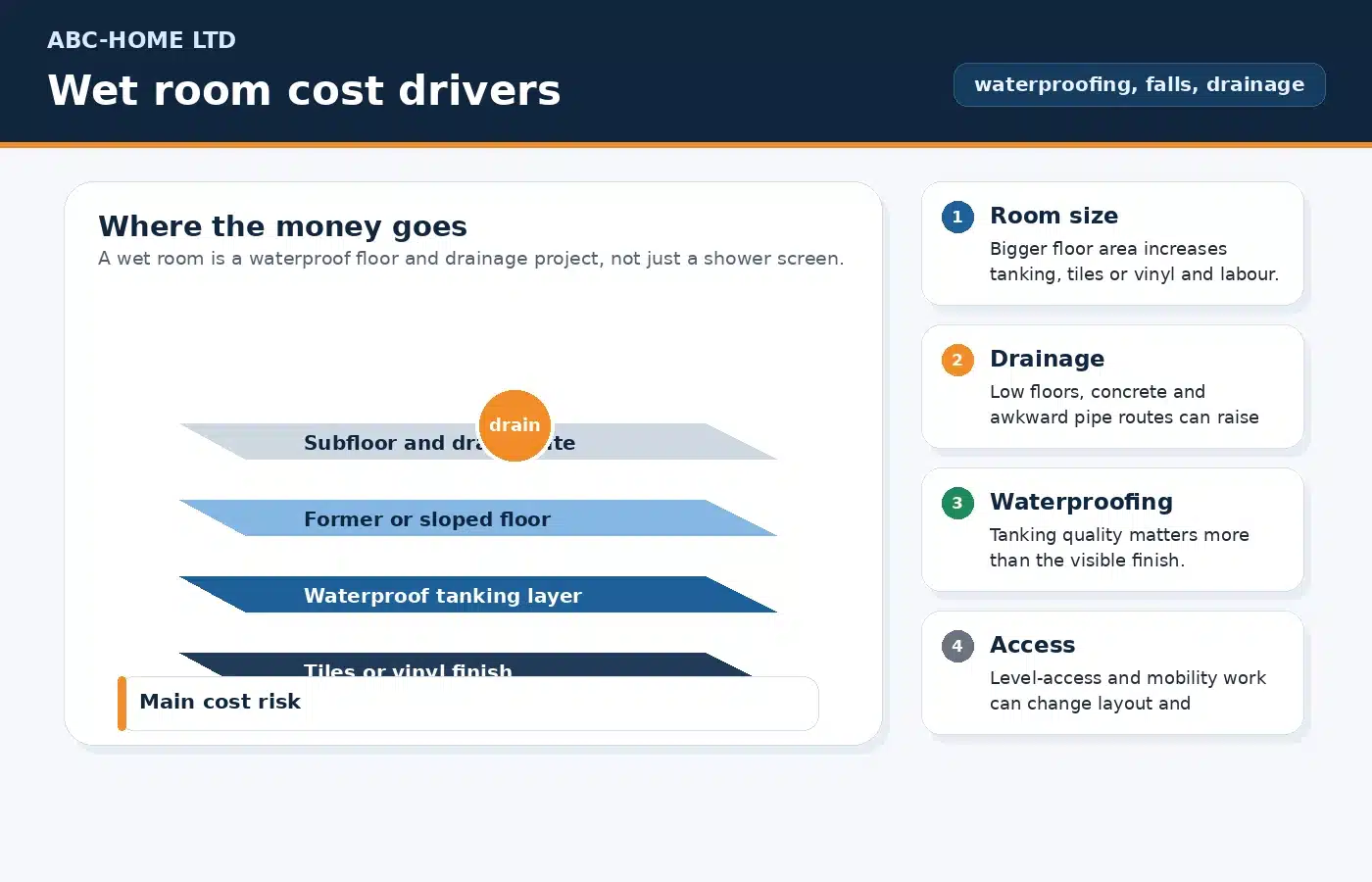
- Construction and fit-out costs
- Specialist equipment and technology
- Landscaping and external works
- Regulatory compliance and certifications
- Marketing and pre-opening expenses
It’s advisable to allocate a contingency of 10-15% of the total budget to account for unforeseen expenses or changes during the project.
Phased Implementation Strategies
For larger spa projects or those with budget constraints, phased implementation can be an effective strategy. This approach allows for:
- Spreading costs over a longer period
- Testing market demand before full implementation
- Refinement of design based on initial phases
When planning a phased approach, designers should ensure that each phase can function independently while allowing for seamless integration of future elements.
ROI Calculations for Spa Facilities
Calculating the return on investment (ROI) for spa facilities involves considering various factors:
- Projected revenue from treatments and memberships
- Operational costs, including staffing and utilities
- Marketing and customer acquisition costs
- Financing costs for initial investment
A typical ROI calculation might look like this:
ROI = (Net Profit / Total Investment) x 100
For example, if a spa project with a total investment of £500,000 generates an annual net profit of £100,000:
ROI = (100,000 / 500,000) x 100 = 20%
This would indicate a 20% annual return on investment.
It’s important to note that ROI can vary significantly based on location, market conditions, and the specific offerings of the spa. Designers should work closely with financial advisors to develop realistic projections and business plans.
Conclusion
Designing a spa that balances function and aesthetics requires a holistic approach that considers regulatory compliance, user experience, sustainability, and financial viability. By carefully integrating these elements, designers can create harmonious hideaways that offer relaxation, rejuvenation, and a strong return on investment.
As the spa industry continues to evolve, staying informed about the latest technologies, materials, and design trends is crucial. However, the fundamental principles of creating a peaceful, efficient, and sustainable environment remain constant. By focusing on these core aspects while embracing innovation, designers can create spa spaces that meet the diverse needs of users and operators alike.
For more information on how to bring your spa design vision to life, including expert bathroom fitting services, visit https://abc-home.co.uk/bathroom-fitting/. Our team of specialists can help you navigate the complexities of spa design and create a truly harmonious hideaway.