Understanding the Potential of Loft Conversions
Loft conversions have become an increasingly popular option for homeowners in the UK seeking to expand their living space without moving house. These transformations of previously underutilized attic areas can add significant value to a property while providing tailored spaces for various purposes. In Aberdeen and across the UK, the trend of converting lofts into functional rooms has gained momentum, offering a practical solution to the growing demand for extra space in urban and suburban homes.
The appeal of loft conversions lies in their versatility. From additional bedrooms and home offices to entertainment spaces and studios, the possibilities are vast. Homeowners can make the most of their property’s footprint by extending upwards, often avoiding the complexities associated with ground-level extensions. This upward expansion not only maximizes living area but can also enhance the overall aesthetics and energy efficiency of a home.
However, undertaking a loft conversion is not a decision to be made lightly. It requires careful planning, adherence to building regulations, and consideration of various factors such as structural integrity, insulation, and natural light. As we explore the intricacies of loft conversions, we’ll examine the key aspects that homeowners and builders need to consider to ensure a successful project that complies with UK standards and meets the evolving needs of modern lifestyles.
Assessing Feasibility: Is Your Loft Suitable for Conversion?
Before embarking on a loft conversion project, it’s essential to determine whether your attic space is suitable for transformation. Several factors come into play when assessing the feasibility of a conversion, and understanding these can save time, money, and potential disappointment down the line.
Headroom and Floor Space
One of the primary considerations is the available headroom in your loft. UK building regulations stipulate that the minimum head height for a habitable room should be 2.2 meters over at least 50% of the floor area. Measure from the top of the ceiling joists to the underside of the ridge beam to determine if your loft meets this requirement. If the headroom is insufficient, solutions such as raising the roof or lowering the ceiling of the room below might be necessary, though these can significantly increase costs and complexity.
Floor space is another crucial factor. A minimum of 5.5 square meters of floor space with the required head height is typically needed to create a usable room. Consider the shape of your roof and any obstructions like chimney stacks or water tanks that might impact the usable floor area.
Roof Structure and Load-Bearing Capacity
The existing roof structure plays a vital role in determining the feasibility and cost of a loft conversion. Traditional rafter and purlin roofs are often easier to convert than trussed roofs, which may require more extensive structural modifications. An assessment by a structural engineer is essential to determine if the current structure can support the additional load of a conversion or if reinforcement is needed.
Load-bearing walls and foundations must also be evaluated to ensure they can handle the increased weight. This assessment might involve examining the ground floor and foundations, particularly in older properties where subsidence or previous alterations could be a concern.
Access and Fire Safety
Creating safe and compliant access to your new loft space is a critical consideration. Building regulations require a permanent staircase for loft conversions, and the positioning of this staircase can significantly impact the design and usability of both the loft and the floor below. The staircase must meet specific requirements regarding width, headroom, and fire safety.
Fire safety is paramount in loft conversions. The new space must have adequate means of escape in case of fire, which often involves installing fire doors and ensuring that windows are large enough and accessible for emergency egress. The entire property may need to be brought up to current fire safety standards as part of the conversion process.
Planning Permission and Permitted Development
While many loft conversions fall under permitted development rights, meaning they don’t require planning permission, it’s crucial to check with your local planning authority before proceeding. Factors such as the property type, location (especially in conservation areas), and the extent of the proposed changes can affect whether planning permission is needed.
Even under permitted development, there are restrictions on how much you can extend the roof space. For example, additional roof space created must not exceed 40 cubic meters for terraced houses or 50 cubic meters for detached and semi-detached houses. Any alterations must not extend beyond the plane of the existing roof slope facing the highway.
Environmental Considerations
Energy efficiency and environmental impact are increasingly important factors in home improvements. A loft conversion presents an opportunity to enhance your home’s thermal performance. Consider the type and thickness of insulation you’ll use, as well as the efficiency of any new windows or skylights. These elements not only affect the comfort of the new space but also impact the overall energy consumption of your home.
Natural light and ventilation are also key considerations. Well-placed windows, skylights, or sun tubes can reduce the need for artificial lighting and improve air quality. However, their positioning must be carefully planned to maintain privacy and comply with building regulations.
By thoroughly assessing these factors, you can determine whether a loft conversion is a viable option for your home. A professional survey by an architect or loft conversion specialist can provide a comprehensive evaluation and help you make an informed decision about proceeding with your project.
Planning Your Loft Conversion: Design and Layout Considerations
Once you’ve determined that your loft is suitable for conversion, the next step is to plan the design and layout of your new space. This phase is crucial in ensuring that the finished conversion not only meets your needs but also complies with building regulations and maximizes the available space.
Defining the Purpose of Your Loft Space
The intended use of your loft conversion will significantly influence its design. Common purposes include:
- Additional bedroom
- Home office
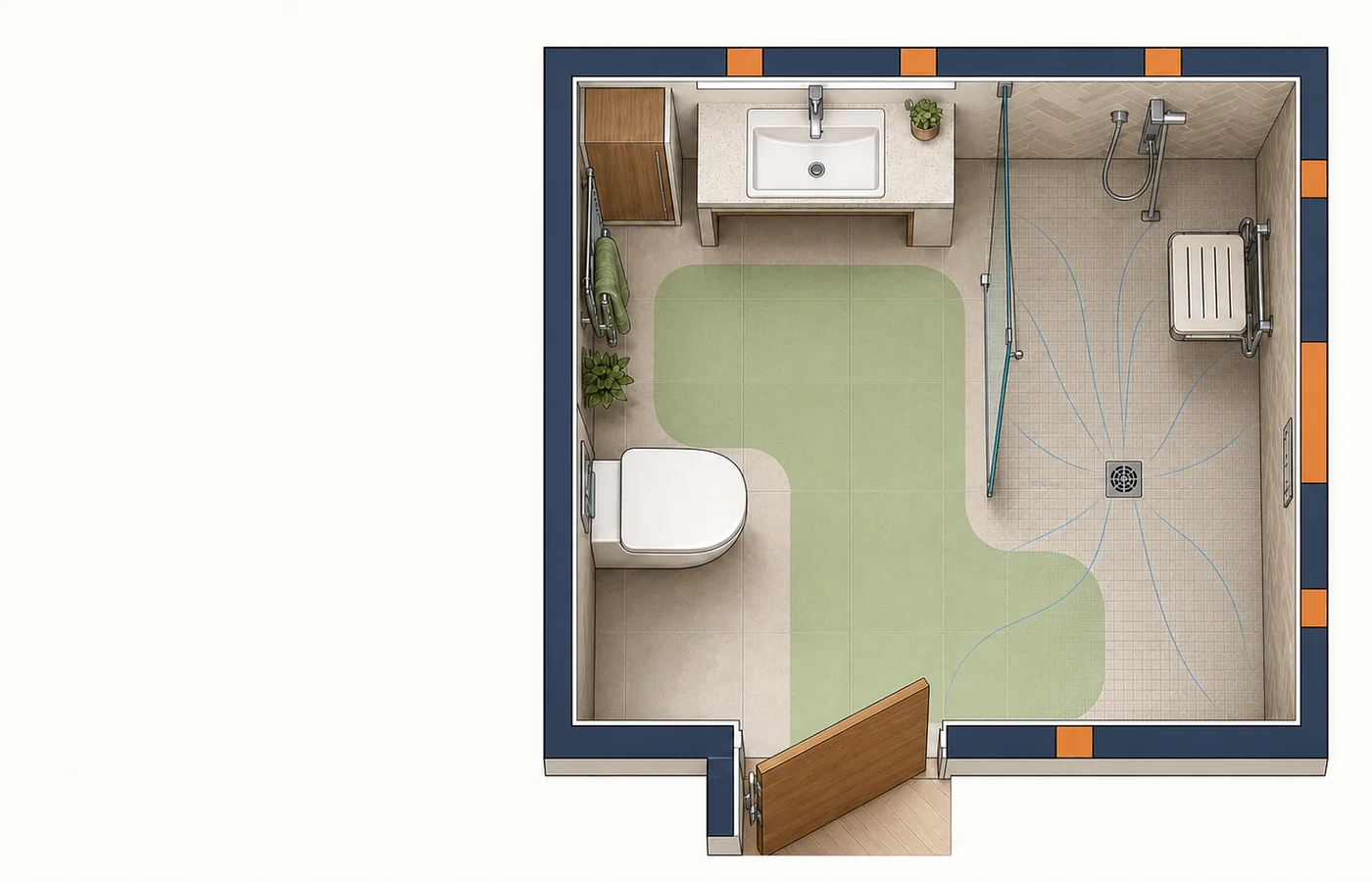
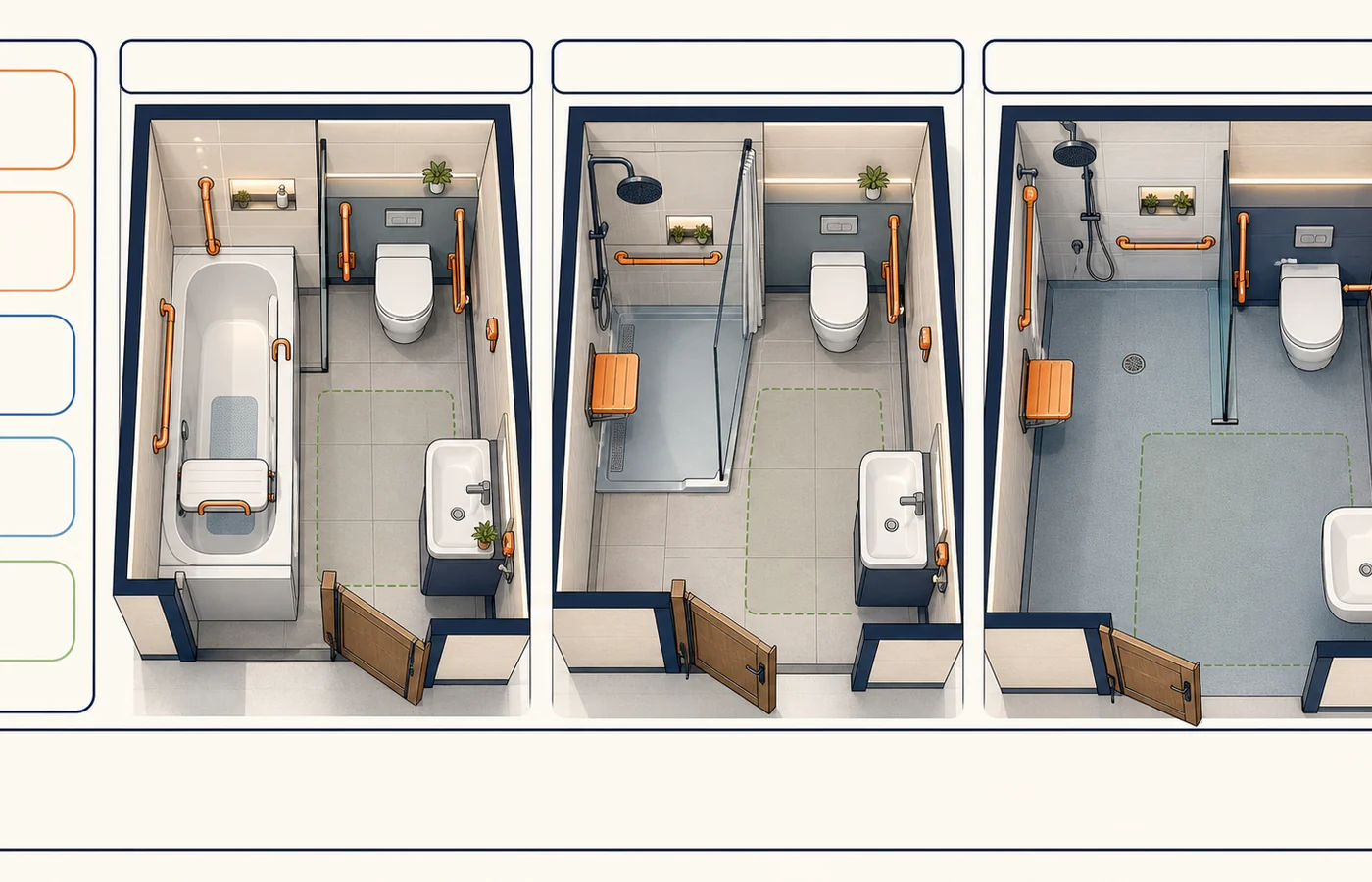
- Bathroom or en-suite
- Playroom
- Home gym
- Studio or creative space
Each of these uses comes with specific requirements in terms of layout, storage, lighting, and utilities. For example, a bedroom might require built-in wardrobes and an en-suite bathroom, while a home office might need extra electrical outlets and data points for computer equipment.
Maximizing Space and Light
Loft spaces often have unique shapes and angles that can present challenges in terms of space utilization. Here are some strategies to make the most of your loft conversion:
-
Use of dormers: Dormer windows can significantly increase usable floor space and headroom. They also provide natural light and ventilation.
-
Built-in storage: Custom-built storage solutions can make use of awkward spaces under eaves or in corners.
-
Multifunctional furniture: Consider furniture that serves multiple purposes, such as sofa beds or desks with built-in storage.
-
Skylights and roof windows: These can flood the space with natural light and create a sense of openness.
-
Open-plan design: Where possible, an open-plan layout can make the space feel larger and more flexible.
Structural Considerations
The structural aspects of your loft conversion are critical and should be planned in consultation with a structural engineer. Key considerations include:
-
Floor reinforcement: The existing ceiling joists may need to be strengthened to support the new floor.
-
Roof alterations: If raising the roof or adding dormers, careful planning is needed to ensure structural integrity.
-
Load-bearing walls: Identify which walls are load-bearing and plan any alterations accordingly.
-
Staircase placement: The new staircase must be carefully positioned to minimize impact on the floor below while providing safe access to the loft.
Building Regulations and Safety Features
Your loft conversion must comply with UK building regulations. Some key areas to consider include:
-
Fire safety: This includes fire-resistant doors, smoke alarms, and escape routes.
-
Insulation: Adequate insulation is crucial for energy efficiency and comfort.
-
Ventilation: Proper ventilation is essential to prevent condensation and maintain air quality.
-
Structural stability: Ensure the conversion doesn’t compromise the overall structure of the house.
-
Sound insulation: This is particularly important if the loft is to be used as a bedroom or workspace.
Electrical and Plumbing Considerations
Planning the electrical and plumbing layout early is essential:
-
Electrical supply: Consider the number and placement of outlets, lighting fixtures, and any special electrical needs.
-
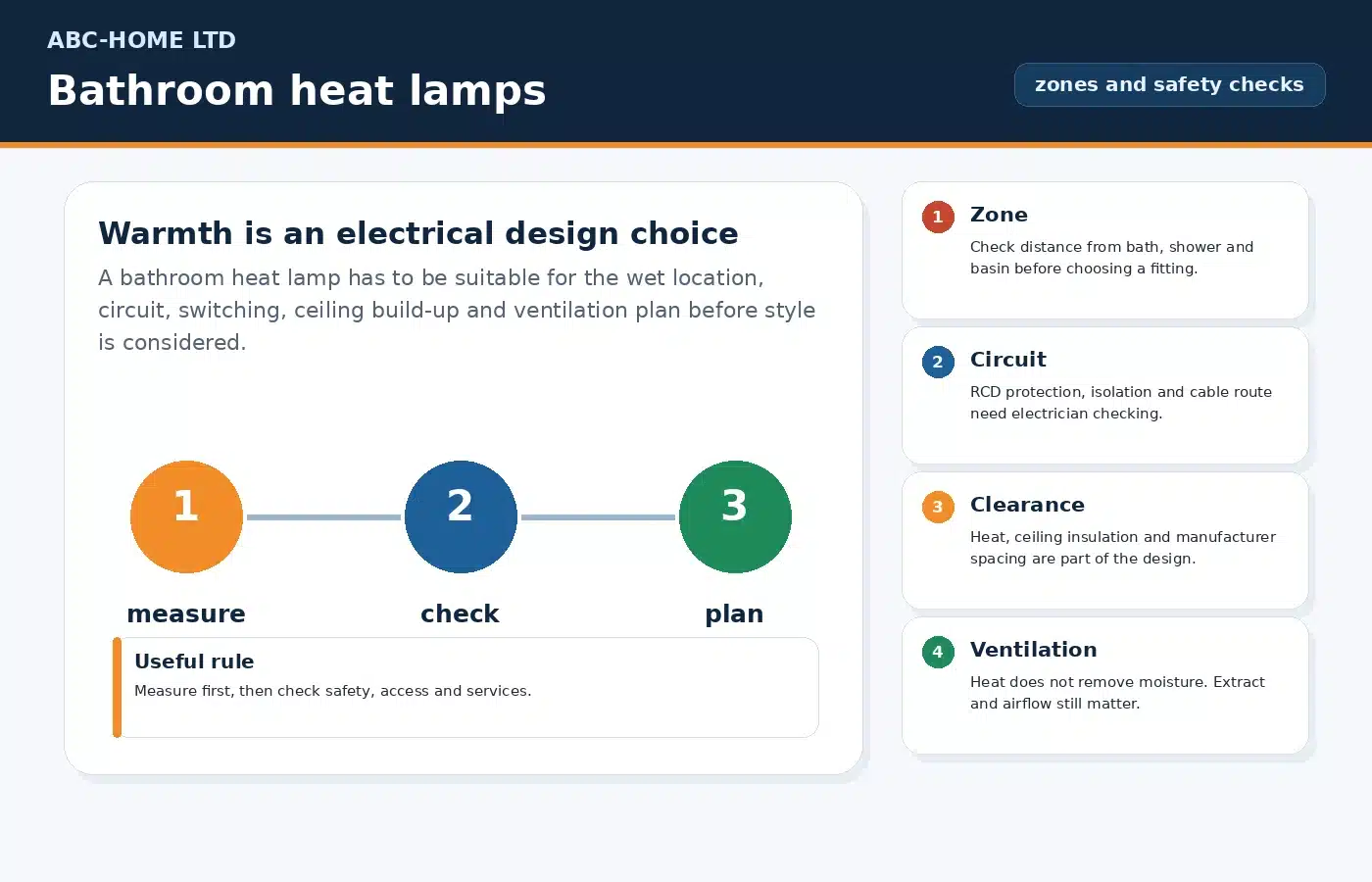
Heating: Decide how the new space will be heated, whether by extending the existing system or installing a separate solution.
-
Plumbing: If including a bathroom or kitchenette, plan the plumbing layout carefully to minimize disruption to existing pipework.
Natural Light and Windows
The placement of windows is crucial in a loft conversion:
-
Roof windows: These are often the most straightforward option and can be positioned to maximize light at different times of the day.
-
Dormer windows: While more complex, these can add significant space and light.
-
Gable end windows: If your property has a gable end, this can be an excellent location for a larger window.
Storage Solutions
Effective storage is key to maintaining a clutter-free loft space:
-
Eaves storage: The space under the eaves can be used for built-in cupboards or drawers.
-
Bespoke furniture: Custom-made furniture can be designed to fit the unique angles of your loft.
-
Hidden storage: Consider incorporating storage into features like staircases or under-floor areas.
Aesthetic Considerations
While functionality is paramount, the aesthetics of your loft conversion shouldn’t be overlooked:
-
Flooring: Choose flooring that complements the purpose of the room and works well with the subfloor structure.
-
Wall finishes: Consider how different wall treatments can affect the feeling of space and light.
-
Colour schemes: Lighter colours can help make the space feel larger and brighter.
-
Exposed beams: If structurally possible, exposed beams can add character to the space.
By carefully considering these design and layout aspects, you can create a loft conversion that not only meets your practical needs but also enhances the overall value and appeal of your home. Remember, professional input from architects and designers can be invaluable in navigating these decisions and ensuring your vision aligns with practical and regulatory requirements.
Navigating UK Building Regulations for Loft Conversions
Adhering to UK building regulations is a critical aspect of any loft conversion project. These regulations are in place to ensure that the conversion is safe, energy-efficient, and meets minimum standards for habitable spaces. Understanding and complying with these regulations from the outset can help avoid costly mistakes and ensure a smooth approval process.
Building Control Approval
Before commencing work on your loft conversion, you must obtain building control approval. This can be done through your local authority’s building control department or through an approved inspector. The process typically involves:
- Submitting detailed plans of the proposed conversion
- Paying the required fees
- Receiving inspections at various stages of the build
- Obtaining a completion certificate upon successful final inspection
It’s advisable to engage with building control early in the planning process to ensure your designs meet all necessary requirements.
Structural Safety
Ensuring the structural integrity of your loft conversion is paramount. Key regulations include:
-
Floor strength: The new floor must be able to support a minimum imposed load of 1.5kN/m² for living spaces or 0.25kN/m² for loft spaces used only for storage.
-
Roof structure: Any alterations to the roof structure must be approved by a structural engineer and comply with regulations regarding load-bearing capacity.
-
Wall strength: Existing walls may need reinforcement to support additional loads from the conversion.
-
Foundations: In some cases, existing foundations may need to be strengthened to support the additional weight of the conversion.
Fire Safety
Fire safety is a crucial consideration in loft conversions. Regulations stipulate:
-
Fire resistance: The new floor and any walls enclosing the staircase must have 30 minutes of fire resistance.
-
Escape routes: There must be a protected escape route from the loft to an external door, typically achieved through fire doors and a protected stairway.
-
Fire detection: Mains-powered, interlinked smoke alarms must be installed on each floor of the property, including the new loft space.
-
Emergency egress: Windows in loft conversions must be large enough to serve as emergency exits, with a minimum clear opening of 0.33m² and at least 450mm in height and width.
Stairs and Access
The new staircase to the loft must comply with specific regulations:
-
Width: The minimum width of the stairs should be 800mm.
-
Pitch: The maximum pitch (steepness) of the stairs is 42 degrees.
-
Headroom: There must be at least 2m of headroom above the pitch line of the stairs.
-
Handrails: A handrail is required on at least one side if the stairs are less than 1m wide, and on both sides if wider.
Insulation and Energy Efficiency
Loft conversions must meet current energy efficiency standards:
-
Roof insulation: The roof should achieve a U-value of 0.18 W/m²K or better.
-
Wall insulation: Any newly constructed walls should have a U-value of 0.28 W/m²K or better.
-
Windows and doors: These should have a U-value of 1.6 W/m²K or better for roof windows and 1.4 W/m²K for other windows and doors.
-
Air tightness: The conversion should be designed to minimize air leakage.
Ventilation
Proper ventilation is essential to prevent condensation and maintain air quality:
-
Background ventilation: Trickle vents in windows or other means of controlled background ventilation are required.
-
Purge ventilation: Windows or rooflights should provide adequate opening for rapid ventilation.
-
Extraction: If including a bathroom or kitchen area, mechanical extraction must be provided.
Sound Insulation
Sound insulation is important, especially if the loft is to be used as a bedroom:
-
Floor: The new floor construction should achieve a minimum airborne sound insulation of 40 dB Rw.
-
Walls: Party walls shared with neighboring properties should have adequate sound insulation.
Electrical Safety
All electrical work must comply with Part P of the Building Regulations:
-
Certification: Most electrical work in loft conversions must be carried out by a registered electrician or be certified by building control.
-
Circuit protection: Adequate circuit protection devices must be installed.
-
Lighting: Energy-efficient lighting should be used where possible.
Water and Drainage
If including bathroom facilities:
-
Water supply: Ensure adequate water pressure and supply to new fixtures.
-
Drainage: New drainage must connect properly to the existing system and be correctly ventilated.
-
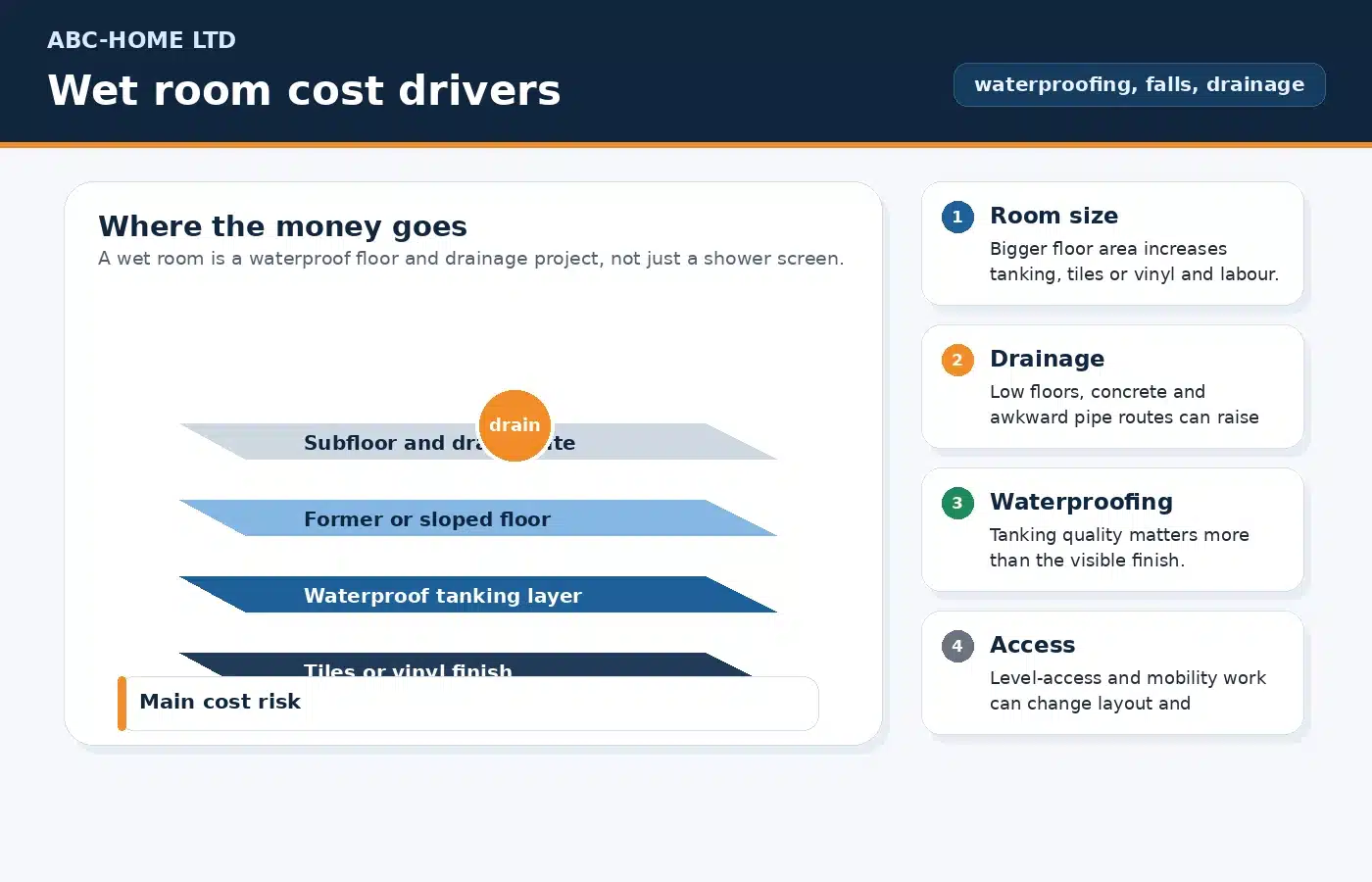
Waterproofing: Adequate waterproofing measures must be in place in wet areas.
Glazing
Any new windows or glazed areas must comply with safety standards:
-
Safety glass: Any glazing within 800mm of floor level must be safety glass.
-
Thermal performance: Glazing must meet the required energy efficiency standards.
Party Wall Agreement
If your loft conversion involves work on a party wall shared with neighbors, you may need to serve a Party Wall Notice and obtain a Party Wall Agreement before commencing work.
Navigating these regulations can be complex, and it’s often beneficial to work with an experienced architect or loft conversion specialist who can ensure your project complies with all relevant regulations. Remember, building control officers are there to help ensure the safety and quality of your conversion, not to hinder the process. Open communication with building control throughout the project can help ensure a smooth approval process and a successful loft conversion that meets all necessary standards.
Cost Considerations and Budgeting for Loft Conversions
Understanding the costs involved in a loft conversion is crucial for effective project planning and management. The expenses can vary widely depending on factors such as the size and complexity of the conversion, the quality of materials used, and the location of the property. As of September 2024, here’s a comprehensive overview of the costs you might expect for a loft conversion in the UK, with a focus on Aberdeen and surrounding areas.
Types of Loft Conversions and Their Costs
The type of conversion you choose significantly impacts the overall cost. Here’s a breakdown of common types and their approximate price ranges:
- Roof Light Conversion
- Simplest type, involving adding skylights, flooring, and a staircase
-
Estimated cost: £20,000 – £40,000
-
Dormer Conversion
- Involves adding a dormer window to increase usable floor space
-
Estimated cost: £30,000 – £60,000
-
Hip-to-Gable Conversion
- Extends the sloping side of the roof outwards to create more internal space
-
Estimated cost: £40,000 – £65,000
-
Mansard Conversion
- Most extensive type, altering the angle of the roof slope
- Estimated cost: £45,000 – £75,000
Breakdown of Costs
To better understand where your money goes in a loft conversion project, here’s a general breakdown of costs:
| Item | Percentage of Total Cost |
|---|---|
| Structural work and roofing | 25-35% |
| Windows and skylights | 10-15% |
| Staircase installation | 8-12% |
| Insulation and plastering | 10-15% |
| Electrics and lighting | 5-10% |
| Plumbing and heating | 5-10% |
| Flooring | 5-8% |
| Painting and finishing | 3-5% |
| Professional fees (architect, structural engineer) | 8-12% |
Additional Cost Factors
Several factors can influence the final cost of your loft conversion:
-
Property Location: Costs in Aberdeen and other urban areas may be higher than in rural locations due to increased labor and material transportation costs.
-
Structural Modifications: If significant structural changes are needed, such as reinforcing the existing floor or modifying the roof structure, costs can increase substantially.
-
Interior Finishes: High-end finishes, custom-built furniture, or luxury fixtures will add to the overall cost.
-
Plumbing Requirements: Adding a bathroom or en-suite to your loft conversion can significantly increase costs due to additional plumbing work.
-
Energy Efficiency Measures: While initially more expensive, investing in high-quality insulation and energy-efficient windows can lead to long-term savings on energy bills.
-
Planning Permission: If your conversion requires planning permission, there will be associated fees and potentially costs for any required modifications to meet planning requirements.
-
Party Wall Agreements: If your property is semi-detached or terraced, you may need a Party Wall Agreement with your neighbors, which incurs additional costs.
Budgeting Tips
To effectively budget for your loft conversion:
-
Get Multiple Quotes: Obtain detailed quotes from at least three reputable contractors to compare costs and services.
-
Include a Contingency Fund: Set aside 10-20% of your budget for unexpected expenses or changes during the project.
-
Prioritize Essential Elements: Identify must-have features and those that can be added later if budget allows.
-
Consider Long-Term Value: Invest in quality materials and energy-efficient solutions that may cost more upfront but offer long-term savings and value.
-
Phase the Project: If budget is tight, consider completing the conversion in stages, focusing on essential structural work first.
-
Explore Financing Options: Look into options such as home improvement loans or remortgaging to fund your project.
Cost-Saving Strategies
While it’s important not to compromise on quality or safety, there are ways to potentially reduce costs:
-
Stick to a Simple Design: Complex designs with multiple dormers or intricate roof alterations will increase costs.
-
Use Standard Materials: Opting for standard materials rather than bespoke options can be more cost-effective.
-
Timing: Consider scheduling your project during off-peak seasons when contractors may offer more competitive rates.
-
DIY Where Possible: While major structural work should be left to professionals, you may be able to handle some aspects of finishing and decorating yourself.
-
Reuse Existing Features: Where possible, incorporate existing features like windows or storage solutions to reduce costs.
-
Energy Efficiency Grants: Research available grants or incentives for energy-efficient home improvements that could offset some costs.
Return on Investment
When budgeting for a loft conversion, it’s worth considering the potential return on investment:
- On average, a well-executed loft conversion can add 15-20% to the value of your property.
- In Aberdeen and similar urban areas where space is at a premium, this percentage could be even higher.
- The added living space can make your property more attractive to potential buyers if you decide to sell in the future.
Professional Fees
Don’t forget to factor in professional fees:
- Architect or designer fees: 3-7% of the project cost
- Structural engineer fees: £500 – £1,000
- Building control fees: £700 – £1,000
- Party wall surveyor (if required): £700 – £1,000 per neighbor
By carefully considering these cost factors and budgeting strategies, you can plan a loft conversion that meets your needs and financial constraints. Remember, while it’s important to manage costs, cutting corners on essential elements like structural integrity or safety features can lead to more expensive problems in the long run. Always prioritize quality and compliance with building regulations to ensure a safe, valuable, and long-lasting addition to your home.
Choosing Materials and Finishes for Your Loft Conversion
Selecting the right materials and finishes for your loft conversion is crucial in creating a space that is not only aesthetically pleasing but also functional, durable, and compliant with UK building regulations. The choices you make will impact the overall look, feel, and performance of your new living space. Here’s a comprehensive guide to help you navigate these important decisions.
Structural Materials
The structural elements of your loft conversion form the foundation of the project and must be chosen carefully to ensure safety and longevity.
- Timber
- Commonly used for roof trusses, joists, and rafters
- Advantages: Cost-effective, easy to work with, good insulation properties
-
Considerations: Must be treated for fire resistance and against rot and insect infestation
-
Steel
- Used for beams and supports, especially in larger conversions
- Advantages: High strength-to-weight ratio, allows for larger open spaces
-
Considerations: More expensive than timber, requires specialist installation
-
Concrete
- Used for flooring and sometimes for flat roof sections
- Advantages: Excellent sound insulation, fire-resistant
- Considerations: Heavy, may require additional structural support
Insulation Materials
Proper insulation is essential for energy efficiency and comfort. Options include:
- Mineral Wool
- Advantages: Cost-effective, good thermal and acoustic properties
-
Considerations: Can be irritating to install, settles over time
-
Rigid Foam Boards
- Advantages: High insulation value, moisture-resistant
-
Considerations: More expensive than mineral wool, requires careful fitting
-
Spray Foam Insulation
- Advantages: Excellent air-sealing properties, conforms to irregular spaces
-
Considerations: Expensive, requires professional installation
-
Natural Insulation (e.g., sheep’s wool, hemp)
- Advantages: Eco-friendly, good moisture management
- Considerations: Can be more expensive, may require thicker layers
Roofing Materials
The choice of roofing material depends on the type of conversion and existing roof structure:
- Tiles
- Clay or concrete tiles to match existing roof
- Advantages: Durability, aesthetic consistency with the rest of the house
-
Considerations: Heavy, may require additional structural support
-
Slate
- Natural or synthetic options available
- Advantages: Long-lasting, attractive appearance
-
Considerations: Expensive, requires skilled installation
-
Metal Roofing
- Options include zinc, copper, or coated steel
- Advantages: Lightweight, long-lasting, good for complex shapes
-
Considerations: Can be noisy in rain, may not match traditional aesthetics
-
Flat Roof Membranes
- For flat sections of the conversion
- Options include EPDM rubber, GRP (fibreglass), or PVC
- Advantages: Suitable for creating outdoor spaces or green roofs
- Considerations: Requires regular maintenance, shorter lifespan than pitched roofs
Windows and Glazing
Windows play a crucial role in bringing natural light into your loft space:
- Roof Windows
- Advantages: Cost-effective, easy to install, various sizes available
-
Considerations: Limited ventilation options, can make the room hot in summer
-
Dormer Windows
- Advantages: Increase headroom and floor space, provide better ventilation
-
Considerations: More expensive, may require planning permission
-
Balcony Windows
- Advantages: Create outdoor space, maximize light and views
-
Considerations: Expensive, complex installation, planning permission often required
-
Glazing Options
- Double or triple glazing for energy efficiency
- Consider low-E coatings and argon gas filling for improved thermal performance
- Safety glass required for windows within 800mm of floor level
Flooring Materials
Flooring choices should balance aesthetics with practicality:
- Engineered Wood
- Advantages: Attractive, stable in changing temperatures
-
Considerations: More expensive than laminate, can be noisy
-
Laminate
- Advantages: Cost-effective, durable, wide range of styles
-
Considerations: Less authentic look than real wood, can be slippery
-
Carpet
- Advantages: Comfortable, good sound insulation
-
Considerations: Less durable than hard flooring, can trap allergens
-
Vinyl or Linoleum
- Advantages: Water-resistant, easy to clean, cost-effective
- Considerations: May look less premium than other options
Wall and Ceiling Finishes
The finish of your walls and ceilings can significantly impact the feel of the space:
- Plasterboard
- Standard option for walls and ceilings
- Advantages: Smooth finish, fire-resistant when properly installed
-
Considerations: Requires skilled installation for a high-quality finish
-
Tongue and Groove Panelling
- Can be used on walls or ceilings
- Advantages: Adds character, can conceal minor imperfections
-
Considerations: May reduce feeling of space, requires maintenance
-
Exposed Beams
- Retaining and showcasing original roof beams
- Advantages: Adds character and charm
- Considerations: May reduce headroom, requires treatment and maintenance
Staircase Materials
The staircase is both a functional necessity and a design feature:
- Timber
- Most common choice for domestic staircases
- Advantages: Versatile, can be painted or stained
-
Considerations: Proper treatment required for fire safety
-
Metal
- Modern option, often combined with wood treads
- Advantages: Strong, can create a lightweight appearance
-
Considerations: Can be noisy, may not suit traditional homes
-
Glass
- Used for balustrades or treads in contemporary designs
- Advantages: Maximizes light flow, creates a sense of space
- Considerations: Expensive, requires regular cleaning
Electrical and Lighting Fixtures
Choosing the right electrical and lighting solutions is crucial for functionality and ambiance:
- LED Lighting
- Advantages: Energy-efficient, long-lasting, various color options
-
Considerations: Initial cost higher than traditional bulbs
-
Recessed Spotlights
- Advantages: Space-saving, create a clean look
-
Considerations: Require careful planning to avoid compromising insulation
-
Task Lighting
- Essential for work areas or reading nooks
-
Consider adjustable options for flexibility
-
Electrical Outlets
- Plan for ample outlets, including USB charging points
- Consider future needs and technology integration
Heating Solutions
Ensuring proper heating is essential for year-round comfort:
- Radiators
- Traditional option, can be connected to existing central heating
- Advantages: Familiar, effective
-
Considerations: Take up wall space, may require boosting existing system
-
Underfloor Heating
- Increasingly popular in loft conversions
- Advantages: Space-saving, provides even heat distribution
-
Considerations: Higher initial cost, may raise floor height
-
Electric Panel Heaters
- Good for occasional use or supplementary heating
- Advantages: Easy to install, no plumbing required
- Considerations: Can be expensive to run
When selecting materials and finishes, consider the following factors:
- Building Regulations: Ensure all materials meet current UK building standards, particularly for fire safety and energy efficiency.
- Weight: The weight of materials can impact the structural requirements of your conversion.
- Maintenance: Consider the long-term care and upkeep of different materials.
- Environmental Impact: Look for sustainable and eco-friendly options where possible.
- Budget: Balance quality with cost-effectiveness, prioritizing durability and performance.
- Style: Choose materials that complement the existing style of your home while meeting your personal preferences.
By carefully considering these material and finish options, you can create a loft conversion that is not only beautiful and functional but also compliant with regulations and built to last. Remember to consult with your architect or builder to ensure your choices are suitable for your specific project and meet all necessary standards.
Managing the Loft Conversion Process: From Planning to Completion
Undertaking a loft conversion is a significant home improvement project that requires careful management from start to finish. Proper planning and execution are essential to ensure the project runs smoothly, stays within budget, and results in a high-quality living space. Here’s a comprehensive guide to managing your loft conversion project effectively.
Pre-Construction Phase
- Initial Assessment and Feasibility Study
- Conduct a thorough assessment of your property’s suitability for a loft conversion.
- Consider factors such as head height, roof structure, and potential for natural light.
-
Consult with a structural engineer to evaluate the existing structure.
-
Design and Planning
- Engage an architect or specialist loft conversion company to create detailed plans.
- Ensure the design meets your needs and complies with building regulations.
-
Consider future-proofing aspects such as storage and potential for additional features.
-
Obtain Necessary Approvals
- Check if planning permission is required or if the project falls under permitted development.
- Submit plans to the local building control department for approval.
-
Arrange for party wall agreements if necessary.
-
Selecting Contractors
- Research and obtain quotes from at least three reputable contractors.
- Check references, previous work, and ensure they have proper insurance.
-
Clearly communicate your expectations and timeline.
-
Finalizing Budget and Contract
- Review and finalize your budget, including a contingency fund of 10-20%.
-
Draw up a detailed contract with your chosen contractor, including:
- Scope of work
- Timeline with key milestones
- Payment schedule
- Procedures for changes or disputes
-
Preparing for Construction
- Clear the loft space and adjacent areas.
- Protect furniture and flooring in areas that will be used for access.
- Inform neighbors about the upcoming work and potential disruptions.
Construction Phase
- Site Setup and Safety
- Ensure proper safety measures are in place, including scaffolding and protective equipment.
- Set up a designated area for materials and tools.
-
Establish clear communication channels with the construction team.
-
Structural Work
- Reinforce the existing floor structure as needed.
- Install new floor joists and flooring.
-
Carry out any necessary roof alterations, such as adding dormers or changing the roof structure.
-
Windows and Roof Work
- Install roof windows or dormers.
-
Complete any required roofing work, ensuring proper waterproofing.
-
Staircase Installation
- Install the new staircase, ensuring it meets building regulations.
-
This often involves creating an opening in the existing ceiling below.
-
Insulation and Weatherproofing
- Install insulation in walls, floor, and roof to meet energy efficiency standards.
-
Ensure proper ventilation is incorporated to prevent condensation issues.
-
First Fix
- Complete first fix electrics and plumbing.
- Install partition walls if required.
-
Carry out any necessary structural carpentry.
-
Plastering and Flooring
- Plaster walls and ceilings.
-
Install flooring, whether it’s wooden boards, laminate, or carpet.
-
Second Fix
- Complete second fix electrics, including light fittings and sockets.
- Install radiators or other heating elements.
-
Fit doors and architraves.
-
Decorating and Finishing
- Paint walls and ceilings.
- Install any built-in furniture or storage solutions.
- Complete final touches such as skirting boards and window sills.
Project Management Tips
- Regular Communication
- Hold weekly meetings with your contractor to discuss progress and any issues.
-
Maintain open lines of communication for quick resolution of any problems.
-
Quality Control
- Regularly inspect the work yourself or hire a professional to do so.
-
Address any quality concerns immediately with the contractor.
-
Managing Changes
- Be prepared for unexpected issues that may arise during construction.
- Have a clear process for approving and documenting any changes to the