Understanding the Potential of Loft Conversions in the UK
Loft conversions have become increasingly popular among homeowners in the UK, offering a practical solution to expand living space without the need for outward expansion. As of September 2024, the trend continues to grow, particularly in urban areas where property prices remain high and available land is scarce.
In Aberdeen and other UK cities, loft conversions present an opportunity to maximise the use of existing space within a property. By transforming an often underutilised attic area into functional living quarters, homeowners can significantly increase their property’s value and improve their quality of life.
The process of converting a loft involves careful planning, design considerations, and adherence to UK building regulations. It’s essential for homeowners and contractors to understand the complexities involved in such projects, from structural assessments to insulation requirements and fire safety measures.
Regulatory Landscape for Loft Conversions in the UK
Planning Permission and Building Regulations
In the UK, many loft conversions fall under permitted development rights, meaning they don’t require planning permission. However, this is subject to certain conditions and limitations. As of September 2024, the following criteria generally apply:
- The total area of additional roof space must not exceed 40 cubic metres for terraced houses or 50 cubic metres for detached and semi-detached houses.
- No part of the extension should be higher than the highest part of the existing roof.
- The extension should not extend beyond the plane of the existing roof slope on the principal elevation facing a highway.
It’s important to note that these rules may vary in conservation areas or for listed buildings. In Aberdeen, as with other UK cities, local planning authorities may have additional guidelines or restrictions.
Regardless of planning permission requirements, all loft conversions must comply with UK Building Regulations. These cover aspects such as structural stability, fire safety, insulation, ventilation, and means of escape. Homeowners should obtain building control approval before commencing work.
Energy Efficiency Standards
As of 2024, the UK government has implemented stricter energy efficiency standards for home improvements, including loft conversions. The current regulations require:
- A minimum U-value of 0.15 W/m²K for roof insulation.
- Double or triple glazing for any new windows installed.
- Energy-efficient lighting throughout the new space.
Compliance with these standards not only ensures legal adherence but also contributes to reduced energy bills and improved comfort for occupants.
Design Considerations for Loft Conversions
Maximising Space and Light
When planning a loft conversion, efficient use of space is paramount. The design should take into account the existing roof structure and potential obstacles such as chimneys or water tanks. Clever solutions like built-in storage and multi-functional furniture can help optimise the available area.
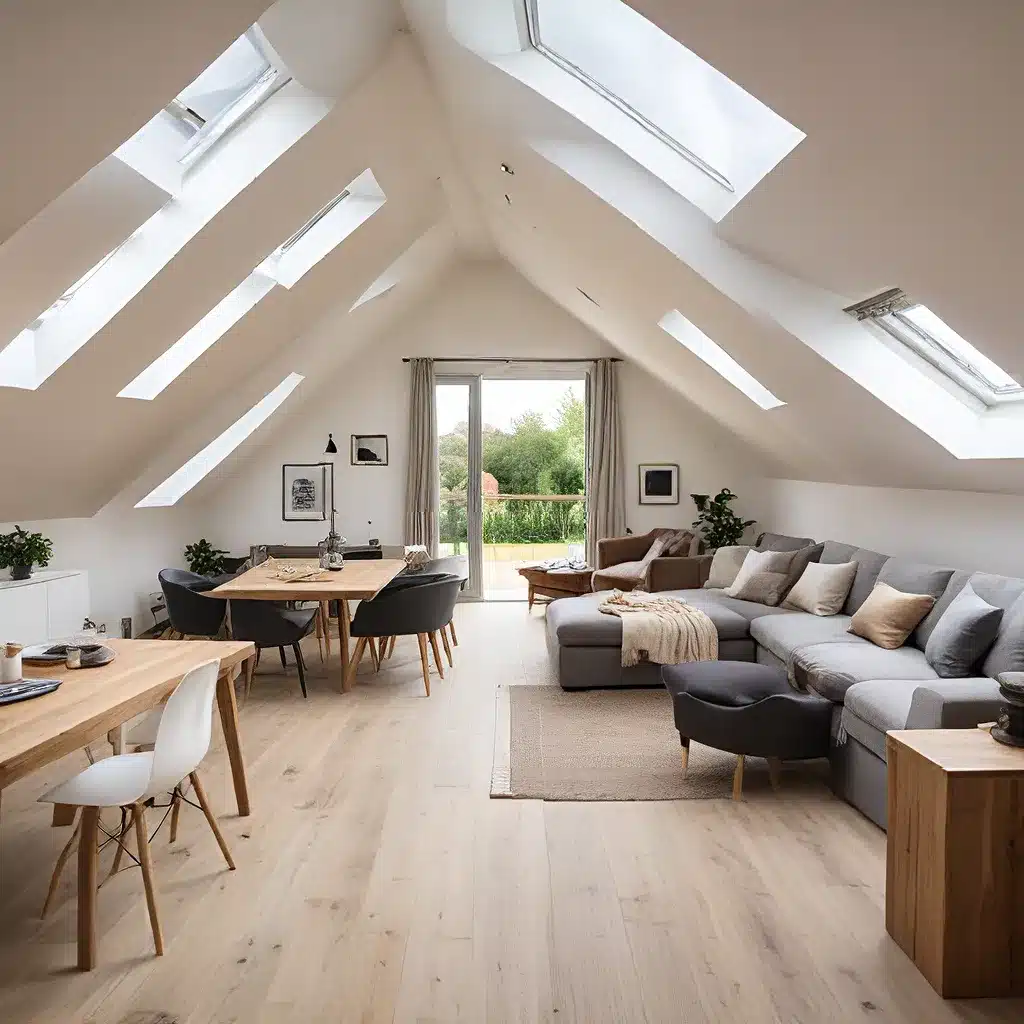
Natural light plays a crucial role in creating a comfortable living environment. Dormer windows, roof lights, and gable-end windows are popular options for bringing daylight into the converted space. The choice of window type will depend on factors such as the roof pitch, desired headroom, and external appearance of the property.
Structural Modifications
Most loft conversions require some level of structural modification to create adequate headroom and support the new floor. Common structural changes include:
- Installing steel beams to support the new floor joists.
- Removing or altering existing roof trusses.
- Reinforcing the existing ceiling joists to bear the additional load.
These modifications must be carefully planned and executed to ensure the structural integrity of the entire property. It’s essential to engage a qualified structural engineer to assess the existing structure and design appropriate solutions.
Access Solutions
Providing safe and convenient access to the loft space is a critical aspect of the conversion process. The most common options include:
-
Staircase: A full staircase is usually required for loft conversions that create habitable rooms. The stairs must comply with Building Regulations, which specify minimum width, maximum steepness, and handrail requirements.
-
Space-saving stairs: For smaller conversions or where space is limited, alternative stair designs such as spiral staircases or alternating tread stairs may be considered, subject to approval.
-
Loft ladders: In some cases, where the loft is used for storage or occasional access, a fixed ladder may be sufficient. However, this option is not suitable for habitable rooms.
The choice of access solution will impact the overall design and usable space in both the loft and the floor below.
Cost Considerations and Budgeting
Estimating Project Costs
The cost of a loft conversion can vary significantly depending on factors such as the size of the space, the extent of structural work required, and the level of finishing. As of September 2024, average costs in the UK range from £30,000 to £50,000 for a basic conversion, while more complex projects can exceed £80,000.
Here’s a breakdown of typical costs for different elements of a loft conversion:
| Element | Estimated Cost (GBP) |
|---|---|
| Structural work | £10,000 – £15,000 |
| Roofing and insulation | £5,000 – £8,000 |
| Windows and dormers | £3,000 – £10,000 |
| Staircase | £2,000 – £5,000 |
| Electrics and plumbing | £3,000 – £6,000 |
| Plastering and decorating | £2,500 – £4,000 |
| Bathroom installation (if applicable) | £5,000 – £10,000 |
It’s important to note that these figures are indicative and can vary based on location, materials chosen, and individual project requirements.
Financing Options
For homeowners considering a loft conversion, several financing options are available:
-
Savings: Using personal savings is often the most cost-effective approach, avoiding interest payments associated with borrowing.
-
Remortgaging: Homeowners with sufficient equity may consider remortgaging to release funds for the conversion.
-
Home improvement loans: Specific loans for home improvements are offered by many UK banks and building societies.
-
Personal loans: For smaller projects, personal loans may be a suitable option, although interest rates are typically higher than secured loans.
-
Credit cards: While not recommended for large expenses, credit cards with 0% interest periods on purchases may be useful for smaller aspects of the project.
When choosing a financing option, it’s crucial to consider the long-term costs and impact on overall financial health. Consulting with a financial advisor can help homeowners make informed decisions.
Return on Investment
Loft conversions typically offer a good return on investment in terms of increased property value. As of 2024, estimates suggest that a well-executed loft conversion can add between 10% and 20% to a property’s value in the UK.
However, the exact return will depend on factors such as:
- The quality of the conversion
- The additional floor space created
- The local property market conditions
- The overall standard of the property
It’s advisable to research local property prices and consult with estate agents to gauge the potential value increase specific to your area and property type.
Sustainable Building Practices in Loft Conversions
Energy-Efficient Materials and Technologies
Incorporating sustainable building practices into loft conversions not only benefits the environment but can also lead to long-term cost savings for homeowners. Some key considerations include:
-
Insulation: High-performance insulation materials such as sheep’s wool, recycled plastic, or aerogel can significantly reduce heat loss and improve energy efficiency.
-
Windows: Triple-glazed windows with low-emissivity coatings offer excellent thermal performance and can help reduce noise pollution.
-
Renewable energy systems: Installing solar panels or integrating a small wind turbine can provide clean energy for the new living space.
-
Heating systems: Energy-efficient heating options such as underfloor heating or air source heat pumps can be more effective in loft spaces than traditional radiators.
-
Ventilation: Mechanical ventilation with heat recovery (MVHR) systems can improve air quality while minimising heat loss.
Eco-Friendly Construction Methods
Adopting eco-friendly construction methods can reduce the environmental impact of loft conversions:
-
Prefabrication: Using prefabricated elements can reduce on-site waste and shorten construction time.
-
Recycled materials: Incorporating recycled or reclaimed materials, such as timber beams or flooring, can add character while reducing demand for new resources.
-
Low-VOC products: Choosing paints, adhesives, and finishes with low volatile organic compound (VOC) content improves indoor air quality.
-
Waste management: Implementing a comprehensive waste management plan to minimise landfill contributions and maximise recycling opportunities.
Long-Term Sustainability Considerations
When planning a loft conversion, it’s important to consider long-term sustainability:
-
Adaptability: Designing the space to be flexible and adaptable to changing needs can extend its useful life and reduce the need for future renovations.
-
Durability: Selecting high-quality, durable materials may have a higher upfront cost but can reduce maintenance and replacement needs over time.
-
Future-proofing: Considering future technological advancements and potentially pre-wiring for smart home systems or electric vehicle charging can enhance the longevity of the conversion.
-
Water efficiency: Installing water-efficient fixtures and considering rainwater harvesting systems can reduce water consumption and utility costs.
By incorporating these sustainable practices, homeowners can create loft conversions that are not only comfortable and functional but also environmentally responsible and cost-effective in the long run.
Project Management and Construction Process
Planning and Design Phase
The success of a loft conversion project largely depends on thorough planning and design. This phase typically involves:
-
Initial assessment: A surveyor or architect evaluates the existing loft space to determine its suitability for conversion.
-
Design development: Working with an architect or designer to create detailed plans that meet the homeowner’s requirements and comply with regulations.
-
Structural calculations: A structural engineer assesses the existing structure and provides calculations for necessary reinforcements.
-
Building control submission: Plans and structural calculations are submitted to the local building control department for approval.
-
Contractor selection: Obtaining quotes from reputable contractors and selecting the most suitable one based on experience, cost, and references.
Construction Timeline
The duration of a loft conversion project can vary depending on its complexity. A typical timeline might look like this:
-
Preparation (1-2 weeks): Setting up scaffolding, preparing the site, and protecting the rest of the house.
-
Structural work (2-3 weeks): Reinforcing the floor, installing steel beams, and modifying the roof structure.
-
Weatherproofing (1 week): Ensuring the new structure is watertight before internal work begins.
-
First fix (2-3 weeks): Installing insulation, plumbing, electrics, and windows.
-
Plastering and flooring (1-2 weeks): Applying plasterboard and floor screeds.
-
Second fix (2-3 weeks): Fitting bathrooms, decorating, and installing fixtures and fittings.
-
Finishing and snagging (1 week): Final touches and addressing any issues.
In total, a straightforward loft conversion might take 8-12 weeks, while more complex projects could extend to 12-16 weeks or longer.
Managing Disruption to Daily Life
Loft conversions can be disruptive to daily life, but there are strategies to minimise inconvenience:
-
Containment: Using dust sheets and temporary partitions to contain dust and debris.
-
Access planning: Establishing clear pathways for workers and materials to minimise impact on living areas.
-
Noise management: Agreeing on working hours with contractors and communicating with neighbours about potential noise.
-
Temporary relocation: Consider temporarily moving out during the most disruptive phases of the project, if possible.
-
Regular communication: Maintaining open lines of communication with the project manager or lead contractor to address issues promptly.
Quality Control and Building Standards
Inspections and Compliance Checks
Throughout the loft conversion process, several inspections are necessary to ensure compliance with UK building regulations:
-
Foundation inspection: If any groundwork is required, this will be checked before proceeding.
-
Structural inspection: The building control officer will inspect steel beam installations and other structural elements.
-
First fix inspection: Checks on insulation, fire safety measures, and electrical and plumbing rough-ins.
-
Final inspection: A comprehensive check of all aspects of the conversion before issuing a completion certificate.
It’s crucial to maintain a good relationship with the building control officer and address any issues they raise promptly.
Fire Safety Measures
Fire safety is a critical aspect of loft conversions. Key requirements include:
- Escape routes: Providing a safe means of escape, typically through fire-resistant doors and an escape window.
- Fire-resistant materials: Using appropriate materials for walls, floors, and ceilings to contain fire spread.
- Smoke alarms: Installing interconnected smoke alarms throughout the property.
- Fire doors: Fitting fire doors where required, particularly for loft conversions in houses with three or more storeys.
Electrical and Plumbing Standards
All electrical and plumbing work must comply with current UK regulations:
- Electrical work: Must be carried out by a registered electrician and certified under Part P of the Building Regulations.
- Plumbing: Should meet Water Regulations Advisory Scheme (WRAS) standards and be installed by a qualified plumber.
- Gas work: If applicable, must be performed by a Gas Safe registered engineer.
Proper certification of these works is essential for legal compliance and future property transactions.
Maximising the Value of Your Loft Conversion
Interior Design and Functionality
To make the most of your loft conversion, consider these design principles:
-
Multi-functional spaces: Design rooms that can serve multiple purposes, such as a guest bedroom that doubles as a home office.
-
Built-in storage: Utilise eaves and awkward spaces with custom-built storage solutions.
-
Natural light: Maximise natural light through strategically placed windows and light tubes.
-
Colour schemes: Use light colours to enhance the sense of space and brightness.
-
Thermal comfort: Incorporate adequate insulation and consider underfloor heating for even temperature distribution.
Enhancing Resale Value
To ensure your loft conversion adds maximum value to your property:
-
Quality finishes: Invest in high-quality materials and workmanship for a professional finish.
-
Cohesive design: Ensure the conversion complements the style of the rest of the house.
-
Energy efficiency: Highlight energy-saving features to attract environmentally conscious buyers.
-
Proper documentation: Keep all planning permissions, building control certificates, and warranties for future buyers.
-
Versatile use: Design the space to appeal to a wide range of potential buyers, avoiding overly personalised or niche features.
Ongoing Maintenance and Care
To preserve the quality and value of your loft conversion:
-
Regular inspections: Check for any signs of water ingress or structural issues periodically.
-
Ventilation maintenance: Keep ventilation systems clean and functioning to prevent moisture build-up.
-
Insulation checks: Ensure insulation remains effective and undisturbed over time.
-
Decoration refresh: Repaint and update decor as needed to keep the space looking fresh and inviting.
-
System servicing: Regularly service any heating, cooling, or electrical systems installed in the loft space.
By following these guidelines, homeowners can create loft conversions that not only meet their immediate needs but also stand the test of time, adding lasting value to their properties.
Conclusion
Loft conversions represent a significant opportunity for homeowners in the UK to expand their living space and increase property value. By carefully considering regulatory requirements, design principles, and sustainable practices, it’s possible to create beautiful and functional spaces that enhance the quality of life for occupants.
As the housing market continues to evolve, the ability to maximise existing property footprints through well-executed loft conversions will likely remain a valuable strategy for homeowners. Whether seeking additional bedrooms, home offices, or recreational spaces, loft conversions offer a flexible solution to changing lifestyle needs.
For those considering a loft conversion, thorough research, professional advice, and careful planning are essential. By partnering with experienced professionals and staying informed about current regulations and best practices, homeowners can navigate the complexities of loft conversions successfully.
For more information on home extensions and conversions, visit ABC Home’s guide on home extensions and conversions. This resource provides additional insights and expert advice to help you make informed decisions about your property improvement projects.