Understanding the Concept of Multi-Sensory Spa Environments
In the realm of modern bathroom design, particularly in the United Kingdom, there’s a growing trend towards creating spa-like experiences within residential settings. This concept goes beyond mere aesthetics, focusing on engaging multiple senses to enhance relaxation and well-being. The idea is to transform an ordinary bathroom into a sanctuary that provides a holistic sensory experience.
Multi-sensory spa environments are designed to stimulate sight, sound, smell, touch, and sometimes even taste, creating a immersive atmosphere that promotes relaxation and rejuvenation. This approach is based on the understanding that our senses play a crucial role in our emotional and physical well-being. By carefully orchestrating various sensory inputs, it’s possible to create a space that not only looks beautiful but also feels profoundly soothing and invigorating.
In the context of UK bathroom design, this trend aligns well with the growing focus on wellness and self-care. As urban lifestyles become increasingly hectic, the bathroom is often seen as one of the few private spaces where individuals can retreat and recharge. By incorporating multi-sensory elements, homeowners can elevate their daily routines into therapeutic experiences, potentially improving their overall quality of life.
The Science Behind Sensory Stimulation and Wellness
The effectiveness of multi-sensory environments in promoting wellness is not just anecdotal; it’s supported by scientific research. Studies have shown that deliberate sensory engagement can have significant positive effects on mental health, including stress reduction and improved cognitive function.
For instance, research has demonstrated that exposure to certain scents can alter brain activity and hormone production. Lavender, for example, has been shown to reduce anxiety and improve sleep quality. Similarly, certain sounds, such as the gentle trickle of water or soft nature-inspired melodies, can lower heart rate and blood pressure, inducing a state of relaxation.
Visual elements also play a crucial role. Colour psychology suggests that different hues can evoke various emotional responses. Blues and greens, often associated with nature, tend to have a calming effect, while warmer tones like soft yellows can promote feelings of comfort and happiness.
The tactile experience is equally important. The feel of different textures against the skin can stimulate the nervous system in various ways. Smooth, warm surfaces might promote relaxation, while cooler, more textured elements can invigorate and energize.
Key Elements of a Multi-Sensory Spa Bath
Visual Elements
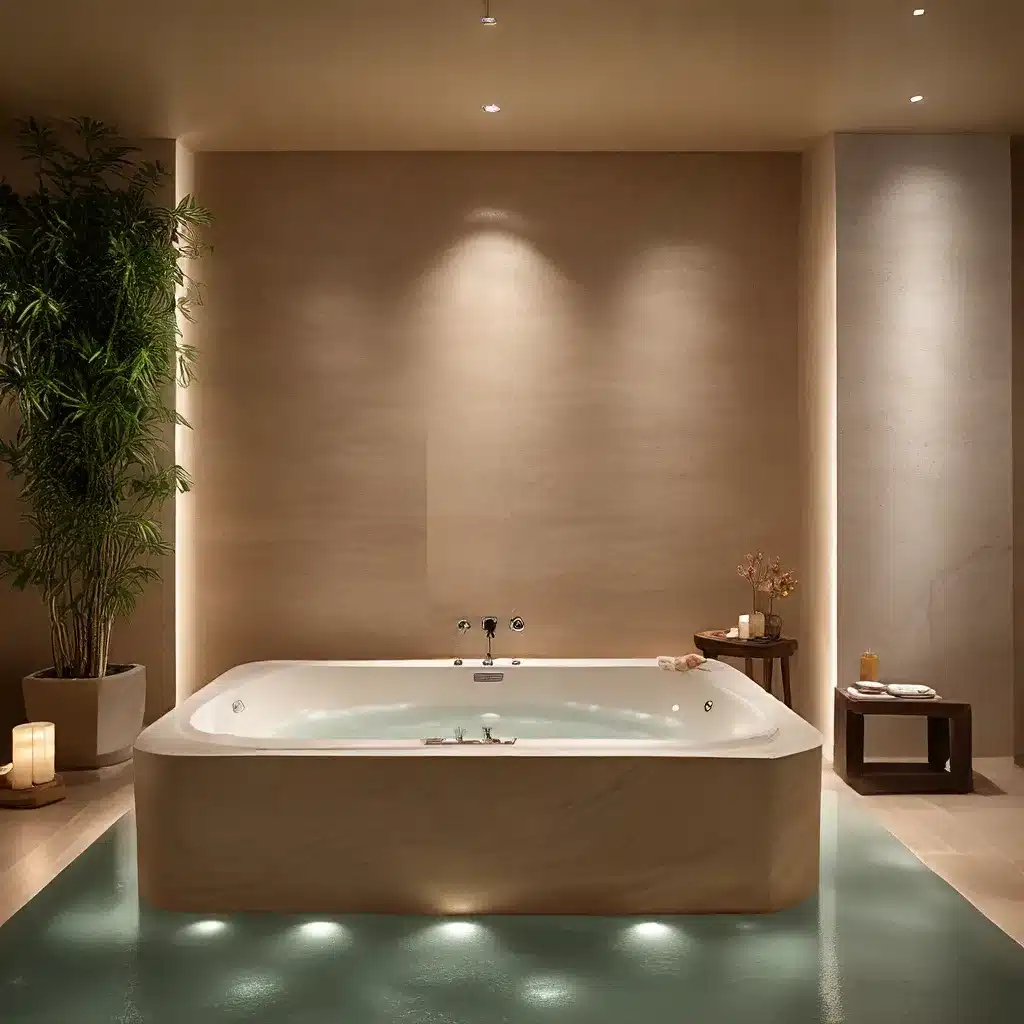
The visual aspect of a spa bath sets the tone for the entire experience. In the UK, where natural light can be limited, especially during winter months, thoughtful lighting design is crucial. Consider installing dimmable LED lights that can be adjusted to create different moods. Colour-changing LED systems allow for chromotherapy, where different colours are used to influence mood and energy levels.
Natural materials like stone and wood can add visual warmth and texture. Large-format tiles or seamless surfaces can create a sense of spaciousness and tranquility. Mirrors can be strategically placed to enhance light and create the illusion of more space.
Water features, such as a rain shower or a freestanding bathtub with a waterfall faucet, can serve as focal points while also providing visual interest through the movement of water.
Auditory Elements
Sound plays a significant role in creating a relaxing atmosphere. The goal is to block out external noise and introduce soothing sounds. This can be achieved through:
- Sound systems: Install waterproof speakers that can play calming music or nature sounds.
- Water features: The sound of running water from a fountain or a rainfall shower can be incredibly soothing.
- Acoustic treatments: Use materials that absorb sound to create a quieter environment.
Consider installing a smart home system that allows for easy control of audio elements, enabling users to customize their sensory experience with ease.
Olfactory Elements
Scent is one of the most powerful senses when it comes to influencing mood and memory. In a spa bath, aromatherapy can be incorporated through:
- Essential oil diffusers: These can be built into the ventilation system or used as standalone units.
- Scented candles: Choose high-quality, natural wax candles with relaxing scents.
- Aromatic bath products: Offer a selection of scented bath oils, salts, and soaps.
When selecting scents, consider options that are known for their relaxing properties, such as lavender, chamomile, or eucalyptus. It’s important to use high-quality, natural fragrances to avoid any potential irritation or allergic reactions.
Incorporating Tactile Experiences
The sense of touch is fundamental to the spa experience. In a multi-sensory spa bath, tactile elements can include:
- Heated surfaces: Underfloor heating and heated towel rails provide comfort and warmth.
- Textured materials: Use a mix of smooth and textured surfaces for visual and tactile interest.
- Water experiences: Install showers with different spray patterns and pressures.
Consider installing a spa bath with hydrotherapy jets, which can provide a massaging effect. The combination of warm water and jet pressure can help relieve muscle tension and promote relaxation.
For flooring, consider materials that are not only visually appealing but also pleasant to walk on. Options like natural stone or textured porcelain tiles can provide a grounding, spa-like feel underfoot.
Temperature Control and Climate Features
Temperature plays a crucial role in creating a comfortable and relaxing environment. In the UK, where the climate can be cool and damp, proper heating is essential. Consider the following elements:
- Underfloor heating: This provides even, comfortable warmth and can be zoned for different areas of the bathroom.
- Heated towel rails: These keep towels warm and help reduce humidity.
- Climate control systems: Install a system that can maintain optimal temperature and humidity levels.
Some high-end spa baths incorporate features like steam showers or saunas. These offer additional therapeutic benefits and can be particularly appealing in the UK climate.
| Feature | Estimated Cost (GBP) | Benefits |
|---|---|---|
| Underfloor heating | £75-£100 per m² | Even heat distribution, energy efficient |
| Heated towel rail | £100-£500 | Warm towels, helps reduce humidity |
| Steam shower | £2,000-£6,000 | Promotes relaxation, skin health |
| Sauna | £3,000-£8,000 | Improves circulation, stress relief |
Lighting Design for Ambiance and Function
Lighting is a critical element in creating the right atmosphere in a spa bath. It needs to be functional for daily tasks but also adaptable for creating a relaxing ambiance. Consider implementing:
- Layered lighting: Combine ambient, task, and accent lighting.
- Dimmable fixtures: Allow for adjustable light levels to suit different moods and times of day.
- Colour-changing LEDs: These can be used for chromotherapy or to create different atmospheres.
Natural light should be maximized where possible, using frosted glass for privacy while still allowing light to enter. For artificial lighting, warm white LEDs (around 2700K-3000K) tend to create a more relaxing atmosphere compared to cooler tones.
Consider installing lighting in unexpected places, such as under-cabinet lights, LED strips along the base of the bathtub, or backlit mirrors, to add depth and interest to the space.
Water Features and Hydrotherapy Options
Water is central to the spa experience, and there are numerous ways to incorporate it into a multi-sensory spa bath:
- Rainfall showers: These provide a gentle, immersive shower experience.
- Freestanding bathtubs: These can become a focal point and offer a luxurious bathing experience.
- Whirlpool baths: Jets provide hydrotherapy benefits.
- Water walls: These can serve as both visual and auditory features.
When selecting water features, consider water efficiency to align with UK water conservation efforts. Look for products with good water efficiency ratings and consider incorporating water-saving technologies like flow restrictors or aerated faucets.
| Water Feature | Estimated Cost (GBP) | Water Usage |
|---|---|---|
| Rainfall shower | £200-£1,000 | 10-15 litres/minute |
| Freestanding bathtub | £500-£5,000 | 150-300 litres/bath |
| Whirlpool bath | £1,000-£10,000 | 200-300 litres/bath |
| Water wall | £1,000-£5,000 | Varies (recirculating systems available) |
Materials and Textures for a Spa-Like Atmosphere
The choice of materials and textures in a spa bath can significantly impact the overall sensory experience. In the UK, where the climate can be cool and damp, it’s important to choose materials that not only look good but also perform well in high-moisture environments. Consider the following options:
-
Natural stone: Materials like marble, granite, or slate can add luxury and natural beauty. They’re durable and can be heated for added comfort.
-
Wood accents: While solid wood can be challenging in wet areas, water-resistant woods like teak or engineered wood products can add warmth and a natural feel.
-
Glass: Used for shower enclosures or decorative elements, glass can create a sense of openness and light.
-
Porcelain tiles: These offer a wide range of design options, are durable, and can mimic natural materials.
-
Textured wallcoverings: Water-resistant wallpapers or textured plaster finishes can add visual and tactile interest.
When selecting materials, consider not only their aesthetic appeal but also their practical properties such as slip resistance, ease of cleaning, and durability in humid conditions.
Ventilation and Air Quality
Proper ventilation is crucial in a spa bath, particularly in the UK where dampness can be an issue. Good air quality contributes to the overall sensory experience and helps prevent mould and mildew growth. Consider these ventilation options:
-
Extractor fans: Choose quiet, powerful models with humidity sensors.
-
Heat recovery ventilation (HRV) systems: These can improve air quality while maintaining energy efficiency.
-
Natural ventilation: Where possible, incorporate windows or skylights that can be opened to allow fresh air circulation.
-
Air purification systems: These can remove allergens and improve overall air quality.
Ensure that any ventilation system complies with UK building regulations, particularly Part F, which covers ventilation requirements for buildings.
Smart Technology Integration
Incorporating smart technology can enhance the multi-sensory experience and improve functionality. Some options to consider include:
-
Smart lighting controls: Allow for easy adjustment of lighting scenes via smartphone or voice command.
-
Automated climate control: Maintain optimal temperature and humidity levels.
-
Voice-activated systems: Control various elements hands-free.
-
Water temperature memory: Set and save preferred water temperatures for showers and baths.
-
Integrated audio systems: Control music and sounds through waterproof interfaces.
When implementing smart technology, ensure that it complies with UK regulations regarding electrical safety in bathrooms, as outlined in Part P of the Building Regulations.
Practical Considerations for UK Homes
While creating a multi-sensory spa bath is exciting, it’s important to consider practical aspects specific to UK homes:
-
Space constraints: Many UK bathrooms are smaller compared to other countries. Careful planning and potentially the use of space-saving fixtures may be necessary.
-
Water pressure: Older UK homes may have lower water pressure, which can affect the performance of certain shower systems or water features.
-
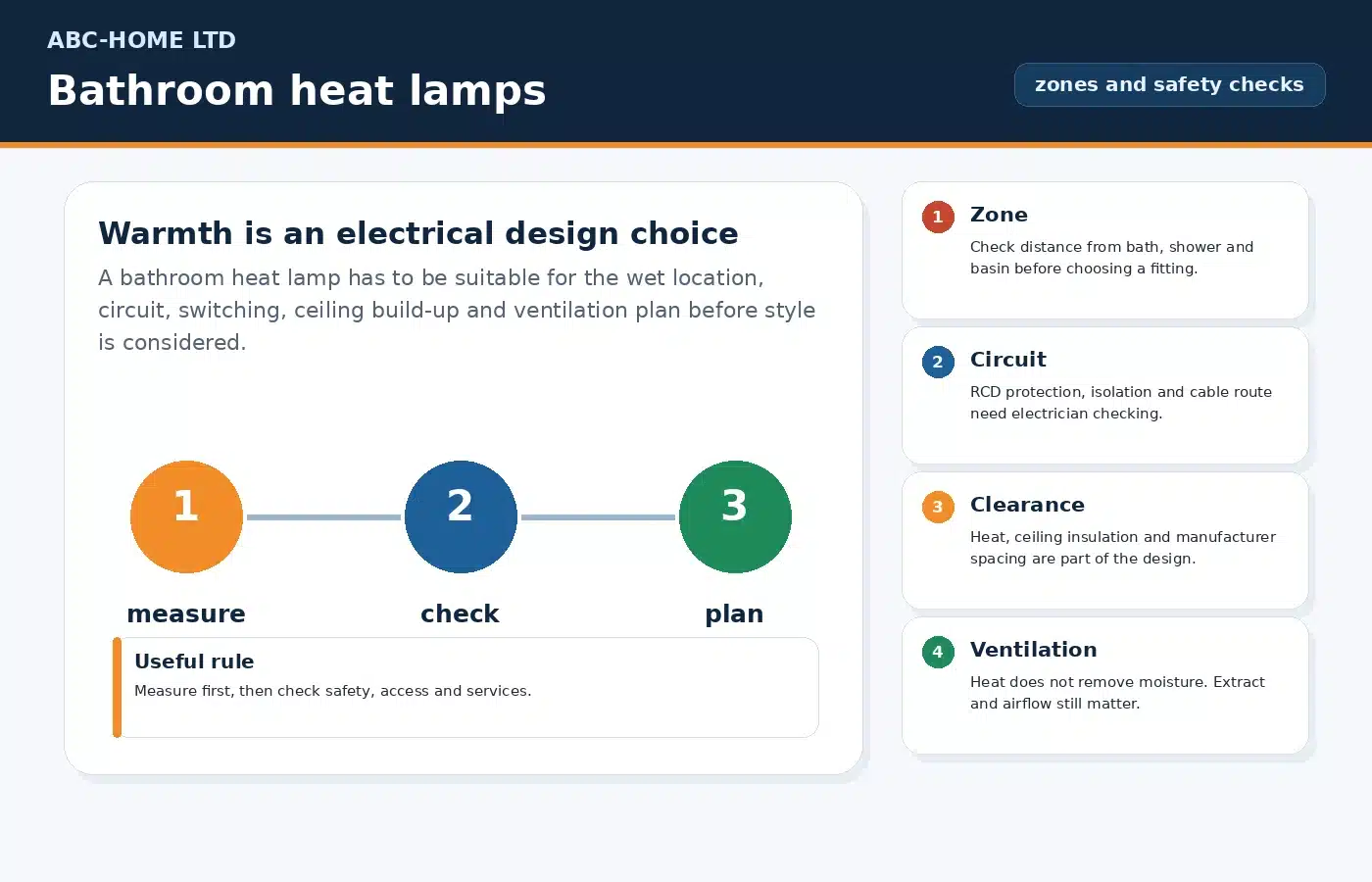
Electrical safety: UK regulations are strict about electrical installations in bathrooms. Ensure all electrical work is carried out by a qualified electrician and complies with current regulations.
-
Energy efficiency: With rising energy costs in the UK, consider energy-efficient options for heating, lighting, and water usage.
-
Planning permission: Some extensive bathroom renovations might require planning permission, especially in listed buildings or conservation areas.
Cost Considerations and Budgeting
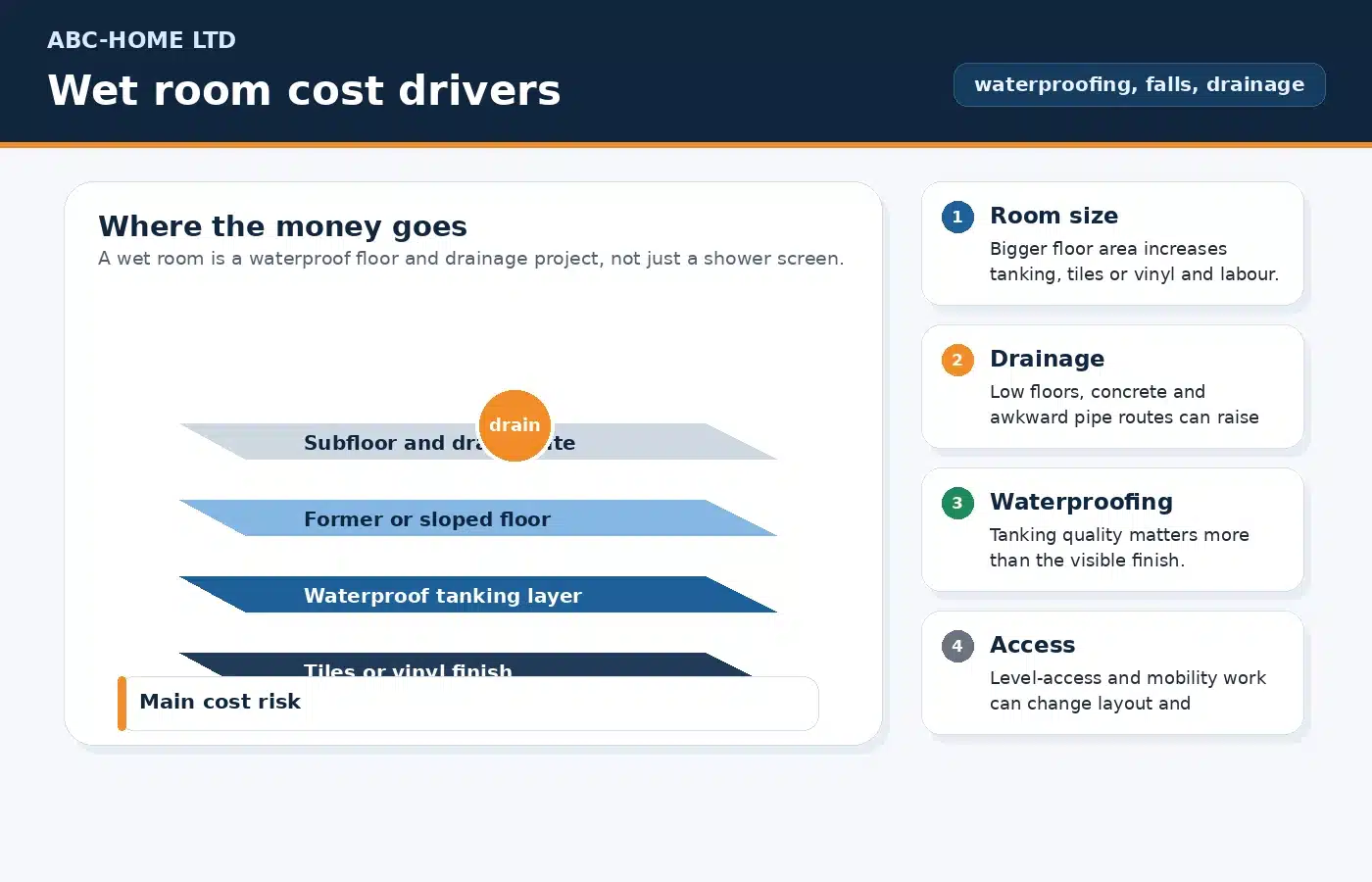
Creating a multi-sensory spa bath can vary widely in cost depending on the extent of the renovation and the features included. Here’s a general breakdown of potential costs in GBP:
| Element | Basic (GBP) | Mid-range (GBP) | Luxury (GBP) |
|---|---|---|---|
| Bathtub | 200-500 | 500-2,000 | 2,000-10,000+ |
| Shower system | 100-300 | 300-1,000 | 1,000-5,000+ |
| Toilet | 100-200 | 200-500 | 500-2,000+ |
| Sink/Vanity | 100-300 | 300-1,000 | 1,000-5,000+ |
| Tiling | 20-50/m² | 50-100/m² | 100-500+/m² |
| Lighting | 100-300 | 300-1,000 | 1,000-5,000+ |
| Smart technology | 200-500 | 500-2,000 | 2,000-10,000+ |
| Labour | 1,000-3,000 | 3,000-10,000 | 10,000-30,000+ |
These figures are estimates and can vary based on factors such as location, specific products chosen, and the complexity of the installation. It’s advisable to get quotes from several reputable contractors and to allocate a contingency fund of 10-20% of the total budget for unexpected costs.
Maintenance and Longevity
To ensure that your multi-sensory spa bath remains a sanctuary for years to come, consider the following maintenance aspects:
-
Regular cleaning: Use appropriate cleaning products for each surface to maintain appearance and hygiene.
-
Ventilation upkeep: Regularly clean and maintain ventilation systems to ensure optimal performance.
-
Waterproofing checks: Periodically inspect seals and grout to prevent water damage.
-
Technology updates: Keep smart systems updated and replace any outdated components.
-
Professional servicing: Schedule regular check-ups for complex systems like whirlpool baths or steam showers.
By investing in quality materials and proper installation, and maintaining them well, your multi-sensory spa bath can provide enjoyment and relaxation for many years.
Compliance with UK Building Regulations
When creating a multi-sensory spa bath in the UK, it’s crucial to adhere to relevant building regulations. Key areas to consider include:
-
Electrical safety: All electrical work must comply with Part P of the Building Regulations. This typically requires a qualified electrician to carry out and certify the work.
-
Ventilation: Ensure compliance with Part F, which covers ventilation requirements. This is particularly important in bathrooms due to high moisture levels.
-
Water efficiency: New installations should meet water efficiency standards as outlined in Part G of the Building Regulations.
-
Structural considerations: If any structural changes are being made, such as removing walls or adding new windows, ensure compliance with Part A.
-
Energy efficiency: Consider regulations related to energy efficiency, particularly if installing new heating systems or making significant changes to the property.
-
Accessibility: For new builds or significant renovations, consider Part M regulations regarding accessibility.
It’s advisable to consult with a building control officer or an approved inspector to ensure full compliance with all relevant regulations.
Sustainability and Eco-Friendly Options
Incorporating sustainable and eco-friendly elements into your multi-sensory spa bath aligns with growing environmental awareness in the UK. Consider these options:
-
Water-saving fixtures: Choose low-flow showerheads, dual-flush toilets, and aerated faucets to reduce water consumption.
-
Energy-efficient lighting: Use LED bulbs and consider natural light solutions like skylights where possible.
-
Sustainable materials: Opt for responsibly sourced materials, such as FSC-certified wood or recycled glass tiles.
-
Low-VOC finishes: Choose paints and sealants with low volatile organic compounds to improve indoor air quality.
-
Energy-efficient heating: Consider options like heat pumps or solar water heating systems.
-
Greywater systems: Implement systems that reuse water from sinks or showers for toilet flushing.
By incorporating these elements, you can create a spa bath that not only provides a luxurious experience but also aligns with environmental sustainability goals.
Final Thoughts
Creating a multi-sensory spa bath is an investment in both your property and your well-being. By thoughtfully engaging all the senses, you can transform an ordinary bathroom into a personal retreat that offers relaxation, rejuvenation, and a daily dose of luxury.
While the process may seem complex, working with experienced professionals can help navigate the challenges of design, regulations, and installation. Companies specializing in bathroom renovations, such as ABC Home, can provide valuable expertise in creating these specialized spaces.
Remember that the key to a successful multi-sensory spa bath lies in the balance and integration of various elements. It’s not just about incorporating high-end features, but about creating a cohesive environment that speaks to all your senses and provides a truly immersive experience.
With careful planning, attention to detail, and a focus on quality and sustainability, you can create a spa bath that not only meets your current needs but also stands the test of time, providing a sanctuary within your home for years to come.