Understanding the Challenges of Small Bathroom Spaces
In the United Kingdom, particularly in urban areas and older properties, small bathrooms are a common challenge for homeowners and builders alike. The limited square footage often necessitates creative solutions to meet both functional requirements and aesthetic preferences. Small bathrooms present unique obstacles, including restricted movement areas, limited storage options, and the need to accommodate essential fixtures within a compact space.
The average UK bathroom measures approximately 4.4 square metres, significantly smaller than bathrooms in many other countries. This size constraint requires careful planning and innovative design approaches to maximise utility without compromising on style or comfort. Factors such as inadequate natural light, poor ventilation, and the need for privacy further complicate the design process in small bathrooms.
Despite these challenges, a well-designed small bathroom can be both practical and visually appealing. By employing clever storage solutions, selecting appropriate fixtures, and utilising space-saving techniques, it’s possible to create a bathroom that feels spacious and meets all necessary requirements. The key lies in understanding the available space, prioritising essential elements, and implementing strategies that make the most of every centimetre.
Assessing Your Small Bathroom Space
Before embarking on any storage improvements or renovations, it’s crucial to conduct a thorough assessment of your existing bathroom space. This evaluation will help identify potential areas for improvement and guide your decision-making process throughout the project.
Start by measuring your bathroom’s dimensions accurately, including the height of the ceiling. Note the location of windows, doors, and existing plumbing fixtures. This information will be essential when planning new storage solutions or considering the repositioning of fixtures.
Next, evaluate the current storage situation. Take stock of items that need to be stored in the bathroom, categorising them by frequency of use and size. This inventory will help determine the types and quantity of storage solutions required. Consider which items must be easily accessible and which can be stored in less convenient locations.
Assess the bathroom’s layout and flow. Identify any awkward corners, unused wall space, or areas that could potentially accommodate additional storage. Look for opportunities to maximise vertical space, as this is often underutilised in small bathrooms.
Finally, consider the bathroom’s lighting and ventilation. Poor lighting can make a small space feel even more cramped, while inadequate ventilation can lead to moisture-related issues. These factors will influence your choice of materials and finishes for storage solutions.
Clever Storage Solutions for Small UK Bathrooms
When it comes to maximising storage in small UK bathrooms, creativity and efficiency are key. Here are several innovative solutions that can help optimise space while maintaining functionality:
Wall-Mounted Storage Options
Wall-mounted storage is an excellent way to utilise vertical space without encroaching on valuable floor area. Consider installing floating shelves above the toilet or along empty wall spaces. These can be used to store towels, toiletries, or decorative items. For a more concealed option, wall-mounted cabinets with mirrored fronts serve a dual purpose, providing both storage and a reflective surface to enhance the sense of space.
Another effective wall-mounted solution is a ladder-style shelf unit. These narrow, vertical structures can fit into tight corners and offer multiple levels of storage. They’re particularly useful for storing rolled towels or baskets containing smaller items.
For frequently used items, consider installing a shallow wall niche near the sink or shower. This built-in storage option doesn’t protrude into the room and can be a stylish feature when tiled to match or contrast with the surrounding walls.
Maximising Under-Sink Space
The area beneath the sink is often underutilised but offers significant storage potential. Install a vanity unit with drawers or cabinets to make the most of this space. Look for units with U-shaped cutouts to accommodate plumbing while maximising usable space.
For pedestal sinks, consider adding a sink skirt. This simple addition not only conceals unsightly pipework but also creates a hidden storage area for items like cleaning supplies or extra toilet paper.
If space allows, opt for a corner sink with a custom-built storage unit underneath. This arrangement can free up wall space elsewhere in the bathroom while providing ample storage.
Over-Toilet Storage Solutions
The space above the toilet is prime real estate in a small bathroom. An over-toilet storage unit or étagère can provide multiple shelves for storage without taking up floor space. Choose a unit with a mix of open shelving and closed cabinets to balance display and concealed storage needs.
Alternatively, install a series of floating shelves or a single long shelf above the toilet. This can be used to store spare towels, toilet paper, or decorative items that add personality to the space.
By implementing these clever storage solutions, you can significantly increase the functionality of your small bathroom while maintaining a clean and uncluttered appearance.
Choosing Space-Saving Fixtures and Fittings
Selecting the right fixtures and fittings is crucial when maximising space in a small bathroom. The UK market offers a range of compact and multifunctional options designed specifically for smaller spaces. Here’s a guide to choosing space-saving elements:
Compact Toilets
Consider installing a short projection toilet, which extends less into the room than standard models. Wall-hung toilets are another excellent option, as they free up floor space and make cleaning easier. Some models even feature integrated storage in the cistern for toilet paper or cleaning supplies.
Here’s a comparison of different toilet options suitable for small bathrooms:
| Toilet Type | Projection (mm) | Benefits | Considerations |
|---|---|---|---|
| Standard | 750-800 | Familiar design | Takes up more space |
| Short Projection | 600-650 | Space-saving | May be less comfortable |
| Wall-Hung | 500-550 | Easy to clean, visual space | Requires strong wall support |
| Corner | Varies | Fits awkward spaces | Limited models available |
Space-Efficient Sinks
Wall-mounted or pedestal sinks can make a small bathroom feel more open. Corner sinks are ideal for very tight spaces. For a more storage-friendly option, consider a narrow vanity unit with an integrated sink.
Combination units that incorporate a sink and toilet can be an innovative solution for extremely small bathrooms. These units use greywater from the sink to fill the toilet cistern, offering both space and water-saving benefits.
Shower Enclosures and Bathtubs
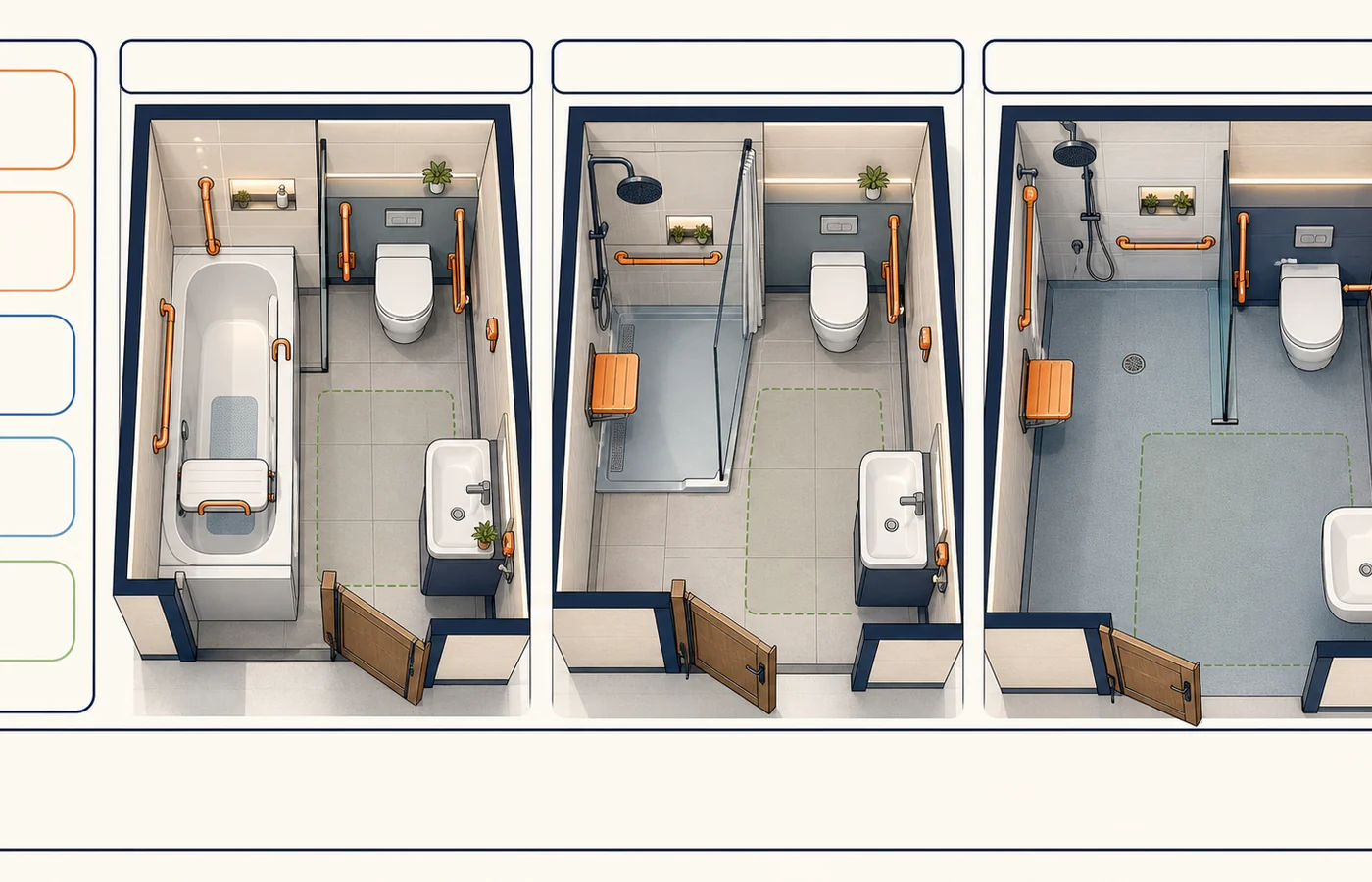
In small bathrooms, showers often take precedence over bathtubs due to their space efficiency. Quadrant shower enclosures fit neatly into corners, while sliding doors eliminate the need for clearance space. For bathrooms that require a bathtub, consider a shower-bath combination with a glass screen instead of a curtain to create a sense of openness.
When selecting a shower enclosure, look for models with built-in shelving or niches for storing toiletries. This eliminates the need for additional storage solutions within the shower area.
Multifunctional Mirrors
Mirrors play a crucial role in making small bathrooms feel larger. Choose a mirror with integrated storage, such as a mirrored cabinet or a mirror with a shelf. Some models come with LED lighting, which can enhance the sense of space while providing task lighting for grooming activities.
Heated Towel Rails
Opt for a wall-mounted heated towel rail instead of a standard radiator. These serve the dual purpose of heating the bathroom and providing a space to hang and dry towels, reducing the need for additional towel storage.
When selecting fixtures and fittings, consider their visual impact as well as their functionality. Light-coloured, wall-mounted elements can create an illusion of more space, while bulky, floor-standing units may make the room feel cramped. By carefully choosing space-saving options, you can significantly improve both the functionality and appearance of your small bathroom.
Innovative Storage Accessories for Small Bathrooms
In addition to larger fixtures and fittings, there are numerous smaller storage accessories that can help maximise space in a compact bathroom. These items are often affordable and easy to install, making them ideal for both homeowners and tenants. Here are some innovative storage accessories to consider:
Over-Door Organisers
Utilise the back of your bathroom door with an over-door organiser. These hanging units typically feature multiple pockets or shelves and are perfect for storing smaller items like toiletries, cleaning supplies, or even rolled towels. Look for slim designs that won’t interfere with door closure.
Magnetic Strips
Install magnetic strips on the wall or inside cabinet doors to hold metal grooming tools like tweezers, nail clippers, and bobby pins. This keeps small items organised and easily accessible without taking up drawer or counter space.
Tension Rod Shelving
For a temporary storage solution that doesn’t require drilling, consider using tension rods to create shelving. Place a tension rod between two walls and use it to hang small baskets or create a makeshift shelf for lightweight items. This is particularly useful in rental properties where permanent modifications may not be allowed.
Shower Caddies
Maximise shower storage with a comprehensive caddy system. Look for options that combine corner shelves, hanging baskets, and adjustable poles to accommodate various bottle sizes and shapes. Some modern designs even include dedicated spaces for razors and soap dishes.
Toilet Roll Holders with Shelves
Replace your standard toilet roll holder with a model that includes a small shelf or storage compartment above. This provides a convenient spot for spare rolls or small decorative items without taking up additional wall space.
Adhesive Hooks and Strips
Make use of strong adhesive hooks and strips to create additional hanging space without damaging walls. These can be used to hang towels, robes, or small baskets for extra storage. Ensure you choose products rated for bathroom use to withstand humidity.
Foldable or Retractable Items
Incorporate foldable or retractable accessories to save space when not in use. Options include wall-mounted drying racks for laundry, fold-down shower seats, and retractable makeup mirrors. These items provide functionality without permanently occupying valuable space.
Under-Sink Organisers
Maximise the often-awkward space under pedestal sinks with specially designed organisers. Look for units with adjustable shelves that can be configured around plumbing pipes. Some models feature pull-out drawers for easy access to items stored at the back.
Corner Shelving Units
Make use of corner spaces with triangular shelving units designed to fit snugly into these often-underutilised areas. These can be freestanding or wall-mounted and are ideal for storing toiletries or decorative items.
Drawer Dividers
Organise the contents of drawers with adjustable dividers. This prevents small items from getting lost and makes it easier to find what you need quickly. Look for moisture-resistant options suitable for bathroom use.
By incorporating a combination of these innovative storage accessories, you can significantly increase the organisation and functionality of your small bathroom without major renovations. Remember to choose items that complement your bathroom’s style and colour scheme to maintain a cohesive look.
Maximising Visual Space in Small Bathrooms
While physical storage solutions are essential, creating the illusion of more space can significantly enhance the feel of a small bathroom. Here are some techniques to visually expand your bathroom:
Colour Schemes and Lighting
Choose a light, neutral colour palette for walls and fixtures to create an airy, open feel. Whites, creams, and pale greys are popular choices. If you prefer more colour, consider using it as an accent rather than the dominant shade.
Proper lighting is crucial in making a small space feel larger. Incorporate multiple light sources, including overhead lighting, task lighting around the mirror, and ambient lighting. LED strip lights under floating vanities or shelves can add depth and create the illusion of more floor space.
Mirrors and Reflective Surfaces
Strategically placed mirrors can dramatically increase the perceived size of your bathroom. Consider installing a large mirror above the sink or even a full wall of mirrors. Mirrored cabinet fronts serve a dual purpose of storage and space enhancement.
Use reflective materials like chrome or polished nickel for fixtures and accessories. These surfaces bounce light around the room, contributing to a brighter, more open feel.
Glass and Transparent Elements
Opt for clear glass shower enclosures rather than frosted or textured options. This allows the eye to travel to the furthest wall, making the space feel larger. If privacy is a concern, consider using a clear glass panel for the upper portion of the enclosure and frosted glass for the lower part.
Choose transparent or translucent storage containers and accessories where possible. Clear acrylic or glass shelving can provide necessary storage without visually cluttering the space.
Consistent Flooring
Use the same flooring material throughout the entire bathroom, including the shower area if possible. This creates an unbroken visual line that extends the perceived floor space. Large format tiles can make a small floor area appear larger, as there are fewer grout lines to break up the space.
Vertical Elements
Draw the eye upward with vertical design elements to create the illusion of height. Vertical striped wallpaper, tall narrow mirrors, or floor-to-ceiling tiling can all contribute to this effect. Consider extending tiles or wallpaper to the ceiling to eliminate the visual break of a horizontal line.
Minimalist Design
Embrace a minimalist aesthetic by keeping decorative elements to a minimum. Choose sleek, streamlined fixtures and fittings that don’t visually clutter the space. Opt for recessed or wall-mounted soap dispensers and toothbrush holders to keep countertops clear.
Hidden Storage
Where possible, conceal storage behind smooth, uninterrupted surfaces. Push-to-open cabinet doors eliminate the need for handles, creating a cleaner look. Consider recessed medicine cabinets that sit flush with the wall rather than protruding into the room.
Focal Points
Create a single focal point in the bathroom to draw attention away from its size. This could be a statement mirror, a unique light fixture, or a bold piece of artwork. Keep the rest of the décor relatively simple to avoid overwhelming the space.
By implementing these visual techniques alongside practical storage solutions, you can create a bathroom that feels spacious and inviting, regardless of its actual dimensions. Remember that the key is to maintain a balance between functionality and aesthetics, ensuring that your small bathroom meets all your needs while still appearing open and uncluttered.
Sustainable Storage Solutions for Small Bathrooms
In the UK, there is a growing emphasis on sustainability in home design, including bathrooms. When maximising storage in small bathrooms, it’s important to consider eco-friendly options that reduce environmental impact while meeting functional needs. Here are some sustainable storage solutions to consider:
Reclaimed and Upcycled Materials
Look for storage units made from reclaimed wood or upcycled materials. These not only add character to your bathroom but also reduce demand for new resources. Consider repurposing old ladders as towel racks or using vintage crates as wall-mounted shelving units.
Bamboo and Sustainable Woods
Choose storage accessories made from rapidly renewable materials like bamboo. Bamboo is naturally moisture-resistant, making it ideal for bathroom use. For wooden shelving or cabinets, look for products certified by the Forest Stewardship Council (FSC) to ensure they come from sustainably managed forests.
Recycled and Recyclable Materials
Opt for storage containers and organisers made from recycled plastics or other recyclable materials. Many UK manufacturers now offer bathroom accessories made from post-consumer recycled content, helping to close the loop on plastic waste.
Water-Efficient Storage
Consider storage solutions that incorporate water-saving features. For example, some vanity units include integrated greywater systems that filter sink water for toilet flushing, reducing overall water consumption.
Energy-Efficient Lighting
When incorporating lighting into storage solutions, choose energy-efficient LED options. Consider motion-sensor lights for cabinet interiors to reduce energy waste. Solar-powered lighting options are also available for bathrooms with windows.
Low-VOC Finishes
If you’re customising or refinishing storage units, use paints and varnishes with low volatile organic compounds (VOCs). These products release fewer harmful chemicals into the environment and contribute to better indoor air quality.
Modular and Adaptable Systems
Invest in modular storage systems that can be easily reconfigured or expanded as your needs change. This flexibility reduces the likelihood of needing to replace entire units, thereby minimising waste.
Natural Fibre Storage
Use baskets and containers made from natural, biodegradable fibres like jute, seagrass, or organic cotton. These materials are renewable and can be composted at the end of their life cycle.
Long-Lasting Quality
Choose high-quality storage solutions designed to last. While they may have a higher upfront cost, durable items reduce the need for frequent replacements, ultimately conserving resources and reducing waste.
Local Sourcing
Where possible, opt for storage solutions manufactured in the UK or nearby European countries. This reduces transportation emissions and supports local economies.
By incorporating these sustainable storage solutions, you can create an eco-friendly bathroom that aligns with UK environmental standards and personal values. Remember that sustainability often goes hand in hand with durability and quality, making these choices beneficial for both the environment and your long-term satisfaction with your bathroom design.
Regulatory Considerations for Small Bathroom Renovations in the UK
When undertaking storage improvements or renovations in small bathrooms, it’s crucial to adhere to UK building regulations and standards. These regulations ensure safety, accessibility, and energy efficiency. Here are key regulatory considerations to keep in mind:
Building Regulations Approval
Most bathroom renovations in the UK require building regulations approval, especially if you’re making significant changes to the layout or installing new electrical or plumbing systems. Contact your local building control department for guidance on whether your project needs approval.
Electrical Safety
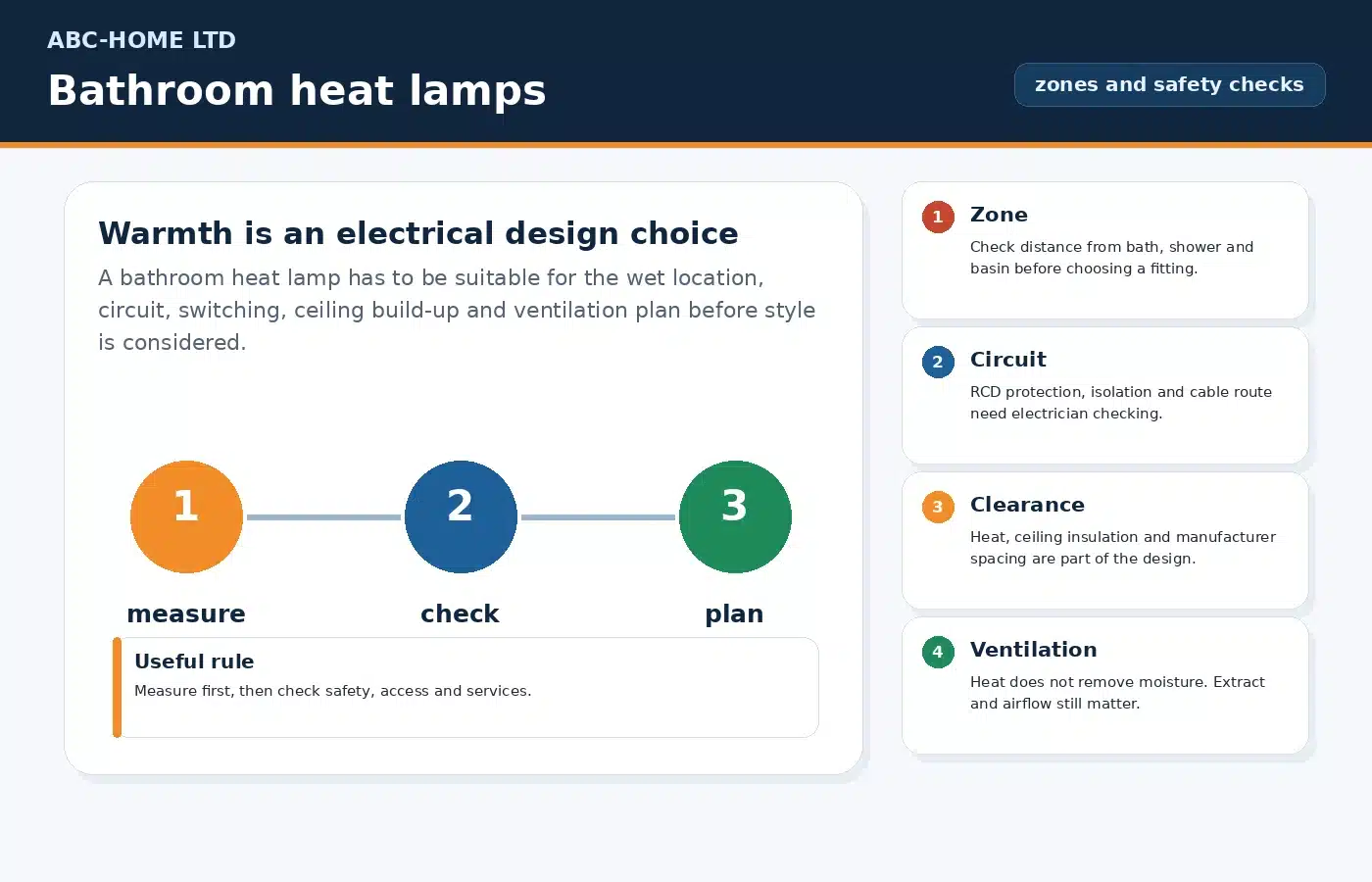
Any electrical work in bathrooms must comply with Part P of the Building Regulations. This typically requires a certified electrician to carry out the work. Pay attention to zoning regulations, which dictate where electrical fittings can be placed in relation to water sources.
Ventilation Requirements
Adequate ventilation is crucial in bathrooms to prevent mould growth and condensation issues. Building regulations require either an openable window or a mechanical extractor fan. If installing a new fan, ensure it meets the minimum extraction rate specified in the regulations.
Water Efficiency
New fittings must meet water efficiency standards as outlined in Part G of the Building Regulations. This includes using water-efficient taps, showers, and dual-flush toilets. Consider incorporating water-saving features into your storage solutions, such as greywater recycling systems.
Structural Considerations
If you’re planning to install heavy storage units or wall-mounted fixtures, ensure the walls can support the weight. This may require additional reinforcement, particularly in older properties.
Accessibility
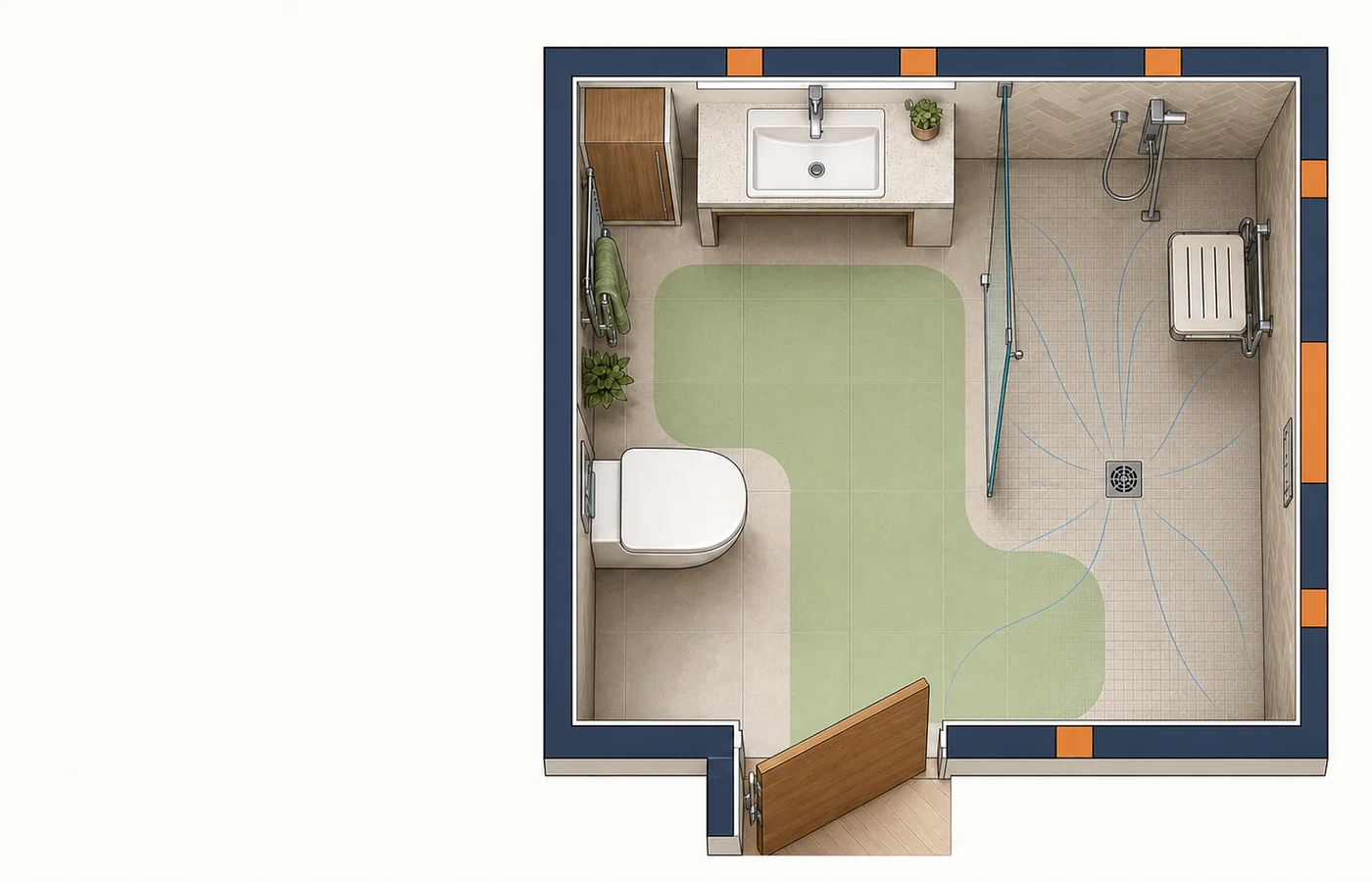
While not mandatory for all homes, consider incorporating accessible design features as outlined in Part M of the Building Regulations. This includes providing adequate turning space for wheelchair users and installing grab rails where appropriate.
Fire Safety
Ensure any materials used for storage solutions meet fire safety standards, particularly if they’re near heat sources or electrical fittings.
Planning Permission
In most cases, internal bathroom renovations don’t require planning permission. However, if you’re extending your property to create a larger bathroom, or if you live in a listed building or conservation area, you may need to seek approval.
Energy Efficiency
If your renovation includes changes to windows or heating systems, ensure they comply with current energy efficiency standards as outlined in Part L of the Building Regulations.
Waste Management
Proper disposal of construction waste is regulated in the UK. Ensure your contractor has a valid waste carrier license and provides you with a waste transfer note for any materials removed from your property.
Professional Certification
Certain aspects of bathroom renovations, such as gas work, must be carried out by professionals registered with the appropriate regulatory bodies (e.g., Gas Safe for gas work, NICEIC for electrical work).
By adhering to these regulations, you ensure that your small bathroom renovation is not only functional and attractive but also safe and compliant with UK law. Always consult with qualified professionals and your local authority to ensure your project meets all necessary requirements.
Cost Considerations for Small Bathroom Storage Solutions in the UK
When planning storage improvements for a small bathroom in the UK, it’s important to consider the associated costs. Prices can vary significantly depending on the quality of materials, the complexity of the installation, and whether you opt for professional fitting or DIY. Here’s an overview of potential costs for various storage solutions:
Wall-Mounted Storage
| Item | Price Range (GBP) | Notes |
|---|---|---|
| Floating Shelves | £20 – £100 per shelf | Varies based on material and size |
| Wall Cabinet | £50 – £300 | Higher end for mirrored options |
| Ladder Shelf | £40 – £150 | Depends on size and material |
Vanity Units
| Type | Price Range (GBP) | Notes |
|---|---|---|
| Floor Standing | £100 – £500 | Basic models to high-end designs |
| Wall-Hung | £150 – £600 | Installation may incur additional costs |
| Corner Unit | £80 – £300 | Space-saving option for small bathrooms |
Over-Toilet Storage
| Item | Price Range (GBP) | Notes |
|---|---|---|
| Over-Toilet Shelf | £30 – £100 | Simple shelving units |
| Cabinet Unit | £60 – £200 | Enclosed storage options |
Shower Storage
| Item | Price Range (GBP) | Notes |
|---|---|---|
| Corner Caddy | £15 – £50 | Tension rod or suction cup models |
| Built-in Niche | £100 – £300 | Cost for materials and installation |
Accessories and Small Storage Items
| Item | Price Range (GBP) | Notes |
|---|---|---|
| Over-Door Organiser | £10 – £40 | Varies based on size and quality |
| Adhesive Hooks (Pack) | £5 – £15 | Typically sold in sets |
| Drawer Organisers | £10 – £30 | Price per set |
Installation Costs
If you’re not confident in DIY installation, professional fitting can add to the overall cost. Here are some estimates for professional installation:
- Basic shelf or cabinet installation: £50 – £100
- Vanity unit installation: £100 – £300
- Complex built-in storage: £300 – £1000+
Remember that these are approximate ranges, and actual costs can vary based on your location in the UK, the specific products chosen, and the complexity of the installation. It’s always advisable to get multiple quotes from reputable suppliers and fitters before proceeding with your project.
Additionally, consider the long-term value of your investment. Higher quality materials and professional installation may cost more upfront but can provide better durability and functionality over time. When budgeting for your small bathroom storage improvements, factor in both immediate costs and potential long-term savings or added value to your property.
Maintenance and Cleaning of Small Bathroom Storage Solutions
Proper maintenance and cleaning of storage solutions in small bathrooms are essential for longevity, hygiene, and preserving the overall appearance of your space. Here are some guidelines for maintaining various storage elements commonly found in UK bathrooms:
Wood and Laminate Surfaces
For wooden or laminate storage units, regular dusting with a soft, dry cloth is crucial. Avoid using excess water, as this can damage the material. For deeper cleaning:
- Use a damp cloth with a mild, pH-neutral cleaner.
- Dry surfaces immediately after cleaning to prevent water damage.
- Apply furniture polish or wood oil periodically to maintain the finish and protect against moisture.
Metal and Chrome Fixtures
Metal storage accessories and fixtures require regular attention to prevent tarnishing and limescale build-up, common issues in hard water areas across the UK:
- Clean weekly with a soft cloth and mild soapy water.
- For chrome finishes, use a specialist chrome cleaner to maintain shine.
- Remove limescale deposits with a mixture of equal parts water and white vinegar, followed by thorough rinsing.
Glass and Mirrored Surfaces
Glass shelves and mirrored cabinets are prone to water spots and fingerprints:
- Clean regularly with a lint-free cloth and glass cleaner.
- For a streak-free finish, use a solution of one part white vinegar to four parts water.
- Avoid using abrasive materials that could scratch the surface.
Plastic and Acrylic Accessories
Many small storage items like drawer organisers are made from plastic or acrylic:
- Clean with warm soapy water and a soft cloth.
- For tougher stains, use a mixture of baking soda and water.
- Avoid harsh chemicals that could degrade or discolour the material.
Fabric Storage Items
For items like laundry hampers or fabric storage boxes:
- Vacuum regularly to remove dust and debris.
- Spot clean with mild detergent and water as needed.
- For removable fabric liners, machine wash according to care instructions.
Grout and Tiled Areas
If your storage solutions involve tiled areas or grout lines:
- Clean regularly with a pH-neutral tile cleaner to prevent mould growth.
- Use an old toothbrush to scrub grout lines.
- Apply a grout sealer annually to protect against moisture and staining.
Ventilation and Moisture Control
Proper ventilation is crucial in maintaining storage solutions in small bathrooms:
- Use extractor fans during and after showers to reduce humidity.
- Leave cabinet doors open periodically to air out enclosed spaces.
- Consider using moisture-absorbing products in cabinets to prevent mildew.
Regular Inspections
Conduct monthly inspections of your storage solutions:
- Check for signs of water damage, particularly in areas near plumbing.
- Tighten any loose screws or fittings.
- Assess the condition of sealants and re-apply as necessary.
Eco-Friendly Cleaning Options
For those looking to maintain their bathroom storage sustainably:
- Use microfibre cloths to reduce the need for cleaning products.
- Opt for eco-friendly, biodegradable cleaning solutions.
- Make your own cleaners using natural ingredients like vinegar, baking soda, and lemon juice.
By following these maintenance and cleaning guidelines, you can ensure that your small bathroom storage solutions remain functional, hygienic, and visually appealing for years to come. Regular care not only preserves the appearance of your bathroom but also extends the life of your storage investments, providing long-term value for your home.
Conclusion: Creating a Functional and Stylish Small Bathroom
Maximising storage in small bathrooms is a challenge that many UK homeowners face, but with careful planning and innovative solutions, it’s possible to create a space that is both functional and aesthetically pleasing. By implementing a combination of clever storage ideas, space-saving fixtures, and visual techniques, you can transform even the smallest bathroom into an efficient and inviting area.
Remember to consider the unique aspects of your space, including its dimensions, layout, and existing features. Tailor your storage solutions to fit your specific needs and lifestyle, whether that means prioritising towel storage, creating a dedicated area for cosmetics, or ensuring easy access to cleaning supplies.
When undertaking any bathroom improvements, always adhere to UK building regulations and standards to ensure safety and compliance. Consider the long-term value of your investments, opting for quality materials and professional installation where necessary.
Sustainability should also play a role in your decisions, with eco-friendly options available for many storage solutions. Not only do these choices benefit the environment, but they often contribute to a healthier indoor environment and can add value to your property.
Maintenance is key to preserving the functionality and appearance of your storage solutions. Establish a regular cleaning routine and address any issues promptly to extend the life of your installations.
By taking a holistic approach to small bathroom storage, considering both practical needs and design aesthetics, you can create a space that feels larger, more organised, and more enjoyable to use. With the right combination of storage solutions, even the most compact bathroom can become a well-organised and relaxing retreat within your home.
For more information on home improvement projects and building practices in the UK, visit ABC Home. There, you’ll find additional resources, expert advice, and inspiration for all your home renovation needs.