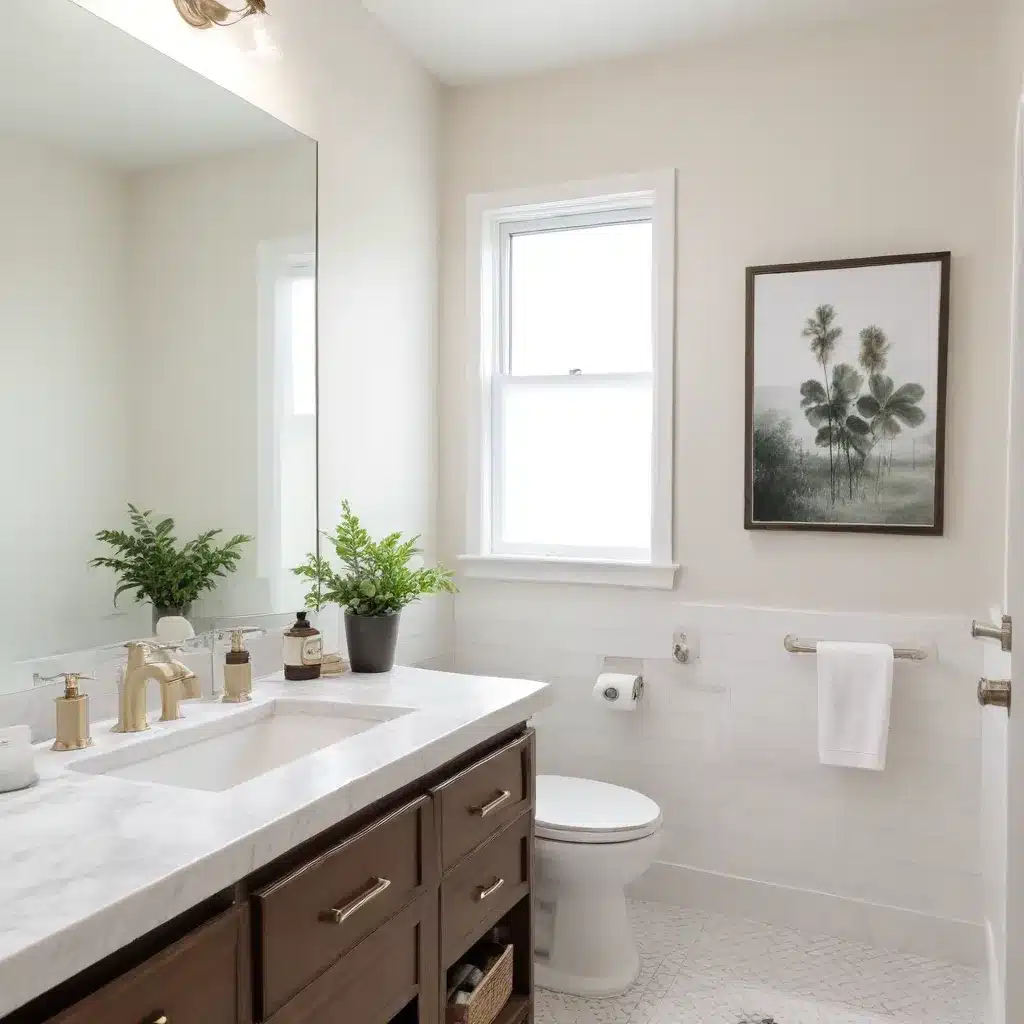
Understanding Minimalist Design in UK Bathrooms
Minimalist design has become increasingly popular in UK homes, particularly in bathrooms where simplicity and functionality are paramount. This approach to interior design focuses on creating spaces that are uncluttered, serene, and efficient. In the context of UK building practices and regulations, minimalist bathrooms offer not only aesthetic appeal but also practical benefits in terms of maintenance, energy efficiency, and space utilisation.
The core principles of minimalist bathroom design include clean lines, neutral colour palettes, and a focus on essential elements. This design philosophy aligns well with current UK building regulations that emphasise sustainability and energy efficiency. By reducing unnecessary fixtures and fittings, minimalist bathrooms can contribute to lower energy consumption and water usage, which is in line with the UK’s commitment to reducing carbon emissions in the built environment.
When planning a minimalist bathroom renovation, it’s crucial to consider the Building Regulations 2010 and subsequent amendments, which set out the standards for bathroom design in the UK. These regulations cover aspects such as ventilation, electrical safety, and water conservation. A minimalist approach can actually simplify compliance with these regulations by reducing the number of elements that need to be considered and maintained.
Key Elements of a Minimalist Bathroom
Streamlined Fixtures and Fittings
In a minimalist bathroom, every element should serve a purpose and contribute to the overall aesthetic. This means selecting fixtures and fittings that are both functional and visually appealing. Wall-mounted toilets and sinks are popular choices as they create a sense of space and make cleaning easier. These fixtures must comply with the Water Supply (Water Fittings) Regulations 1999, which govern the prevention of contamination, waste, misuse, and undue consumption of water.
When selecting taps and showerheads, opt for models with simple, geometric shapes. Many UK manufacturers now offer water-efficient options that comply with the Water Label scheme, which helps consumers choose products that reduce water consumption. This aligns with both minimalist design principles and UK water conservation efforts.
Storage solutions in a minimalist bathroom should be discreet and integrated. Built-in cabinets and recessed shelving can provide ample storage without cluttering the visual space. When planning these elements, it’s important to consider the structural implications and ensure compliance with Part A of the Building Regulations, which deals with structure.
Colour Palette and Materials
The colour scheme of a minimalist bathroom typically revolves around neutral tones such as white, grey, and beige. These colours create a sense of calm and spaciousness. However, it’s important to note that the choice of materials and finishes must also comply with UK building standards for bathrooms.
For flooring, large-format tiles or seamless resin floors are popular choices that offer both aesthetic appeal and practical benefits. These materials must meet the slip resistance requirements outlined in Part M of the Building Regulations, which addresses access to and use of buildings. The following table outlines some common flooring options and their typical slip resistance ratings:
| Flooring Material | Typical Slip Resistance (PTV) | Suitability for Bathrooms |
|---|---|---|
| Porcelain Tiles | 36+ (with proper finish) | Excellent |
| Natural Stone | 35-45 (varies by type) | Good (if properly sealed) |
| Resin | 40-60 | Very Good |
| Vinyl | 35-45 | Good |
When selecting wall finishes, moisture-resistant materials are essential. Large-format tiles or waterproof panels can create a seamless look while meeting the requirements of Part C of the Building Regulations, which covers resistance to moisture. It’s worth noting that as of September 2024, there is an increased focus on using materials with lower environmental impact, so consider options with recycled content or those produced using sustainable methods.
Lighting and Ventilation in Minimalist Bathrooms
Lighting Design
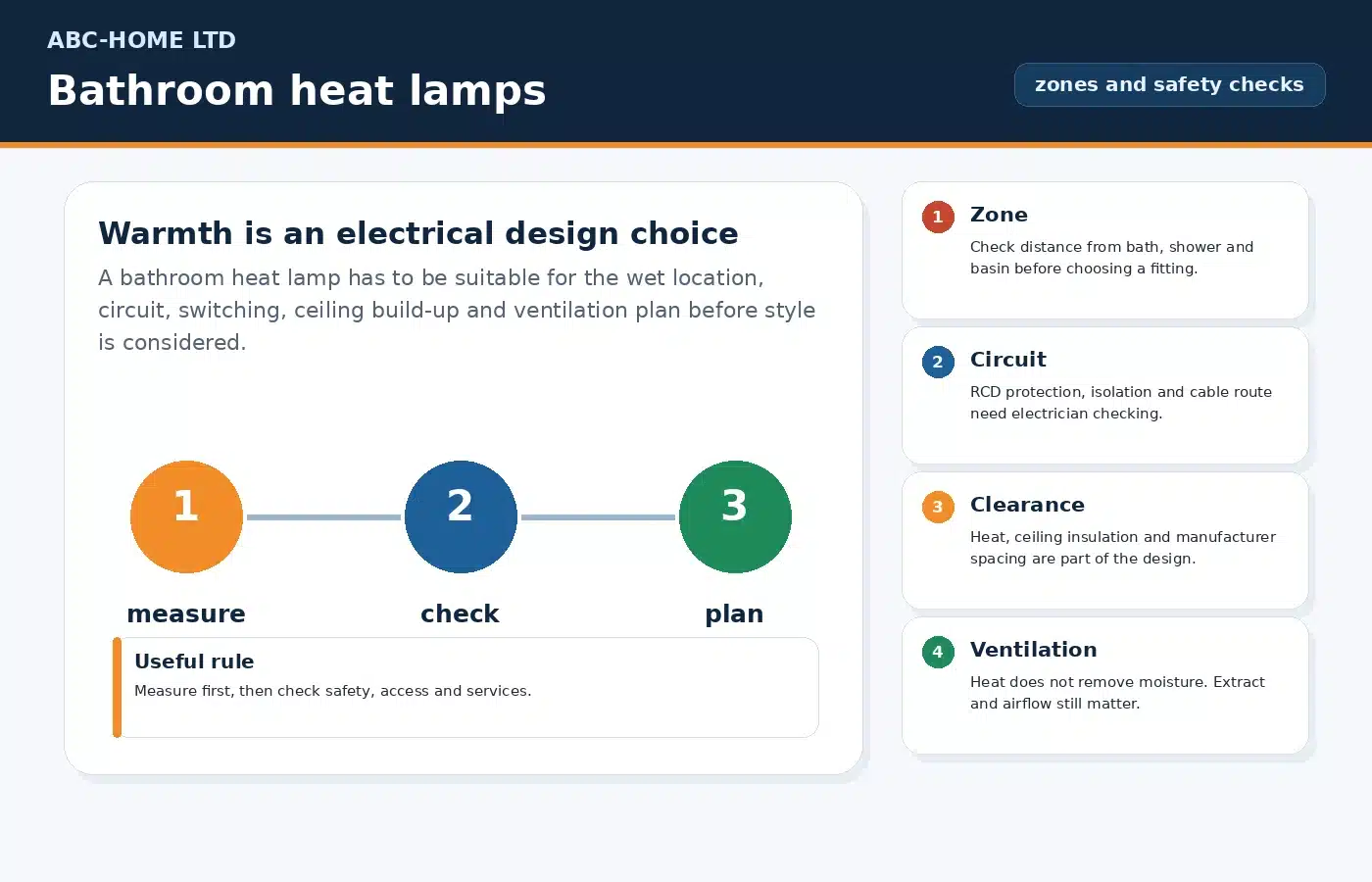
Lighting plays a crucial role in minimalist bathroom design, contributing to both functionality and ambiance. In the UK, bathroom lighting must comply with the requirements set out in Part P of the Building Regulations, which covers electrical safety in dwellings. This regulation divides bathrooms into zones based on proximity to water sources, each with specific requirements for electrical fixtures.
For a minimalist look, consider recessed LED downlights or linear LED strips that provide even illumination without visual clutter. Task lighting around mirrors should be carefully integrated to maintain clean lines. As of 2024, the UK government has further tightened energy efficiency standards for lighting. The following table shows the current minimum efficacy requirements for different types of lighting in residential bathrooms:
| Lighting Type | Minimum Efficacy (lm/W) | Maximum Power Rating (W) |
|---|---|---|
| LED Downlights | 90 | 10 |
| LED Strip Lights | 85 | 15 per metre |
| Mirror Lights | 80 | 20 |
When planning bathroom lighting, it’s important to work with a qualified electrician who is familiar with the latest UK regulations. They can ensure that all installations are compliant and safe, particularly in wet areas.
Ventilation Solutions
Proper ventilation is essential in any bathroom, and in a minimalist design, it should be as unobtrusive as possible. The UK Building Regulations Part F sets out the requirements for ventilation in dwellings, including bathrooms. As of September 2024, these regulations have been updated to improve indoor air quality and reduce the risk of condensation and mould growth.
For a minimalist bathroom, consider a quiet, low-profile extractor fan that can be discreetly installed in the ceiling or wall. The fan should have a minimum extraction rate of 15 litres per second with a 15-minute overrun, as per current regulations. Some modern fans come with humidity sensors and automatic controls, which can help maintain optimal air quality without manual intervention.
Natural ventilation through windows can complement mechanical systems. If incorporating a window, ensure it meets the requirements for both ventilation and thermal performance as outlined in Part L of the Building Regulations. Opt for simple, frameless designs that align with the minimalist aesthetic while providing the necessary functionality.
Space-Saving Techniques for Minimalist Bathrooms
Compact Sanitary Ware
In the pursuit of a minimalist bathroom design, selecting compact sanitary ware is crucial, especially in the typically smaller bathrooms found in many UK homes. As of September 2024, there’s an increased emphasis on water efficiency in UK building regulations, which aligns well with the minimalist ethos of doing more with less.
Wall-hung toilets are an excellent choice for minimalist bathrooms. They create the illusion of more floor space and make cleaning easier. When selecting a wall-hung toilet, ensure it complies with the Water Supply (Water Fittings) Regulations 1999. Look for models with dual-flush mechanisms that use no more than 6 litres for a full flush and 4 litres for a reduced flush. Some of the latest models on the UK market even offer 4/2.6 litre options, further reducing water consumption.
For basins, consider slim-profile designs or corner units that maximise space utilisation. Integrated countertops with built-in basins can create a seamless look while providing a practical surface area. When specifying these fixtures, refer to the Workplace (Health, Safety and Welfare) Regulations 1992, which provide guidelines on the minimum space requirements for sanitary facilities, even in residential settings.
Innovative Storage Solutions
Storage is often a challenge in minimalist bathrooms, but innovative solutions can help maintain a clutter-free environment without compromising on functionality. Built-in storage units that sit flush with the wall can provide ample space for toiletries and towels without disrupting the clean lines of the room.
Consider recessed shelving units built into the wall cavity. These must be carefully planned to avoid interfering with any structural elements or services within the walls. Always consult with a structural engineer to ensure compliance with Part A of the Building Regulations when making any alterations to load-bearing walls.
For smaller items, magnetic strips hidden behind mirrors or under cabinets can hold metal grooming tools, freeing up drawer and counter space. When installing any storage solutions, particularly those that require fixing to walls, ensure they comply with Part K of the Building Regulations, which covers protection from falling, collision, and impact.
Optimising Shower Areas
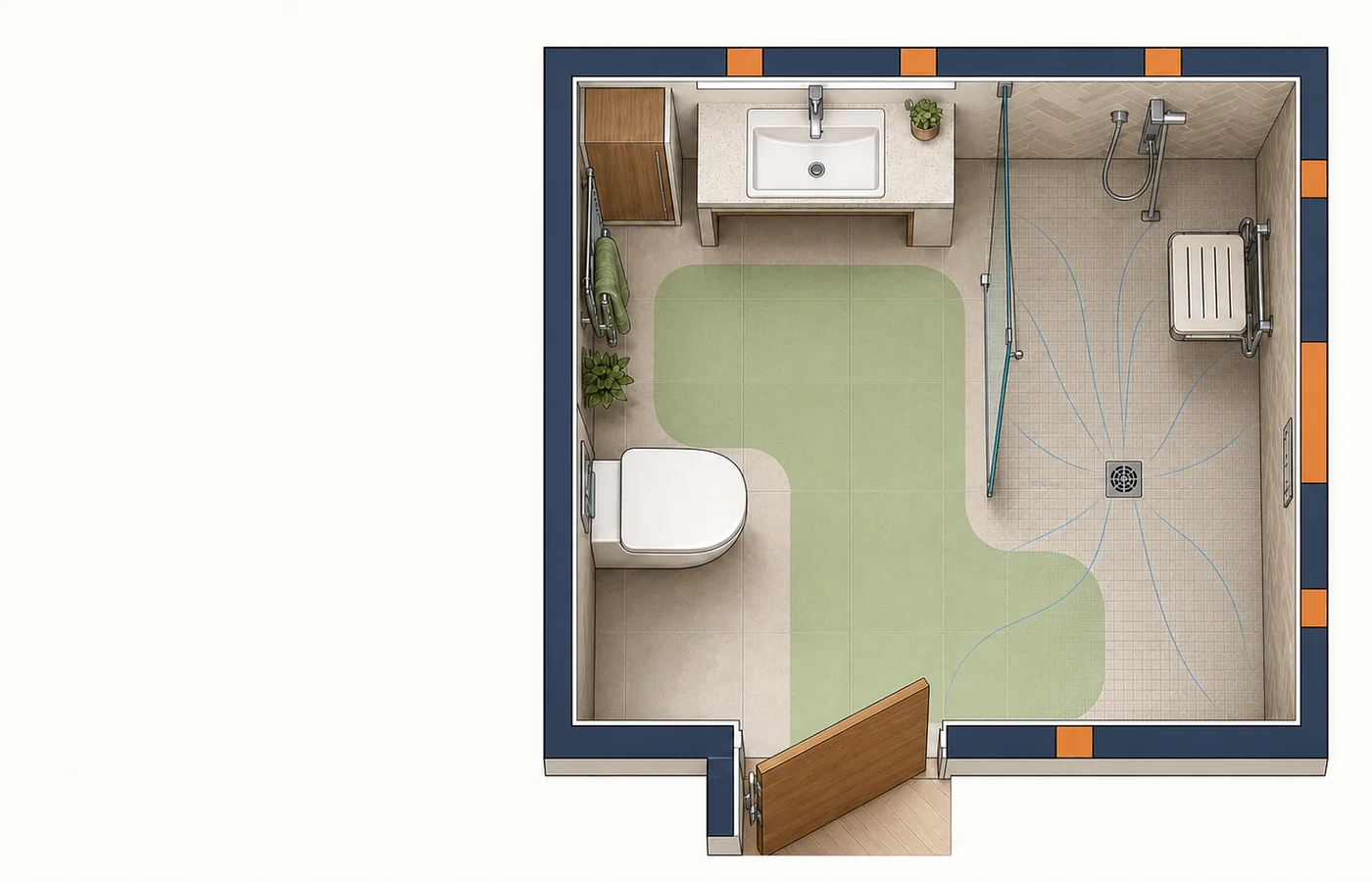
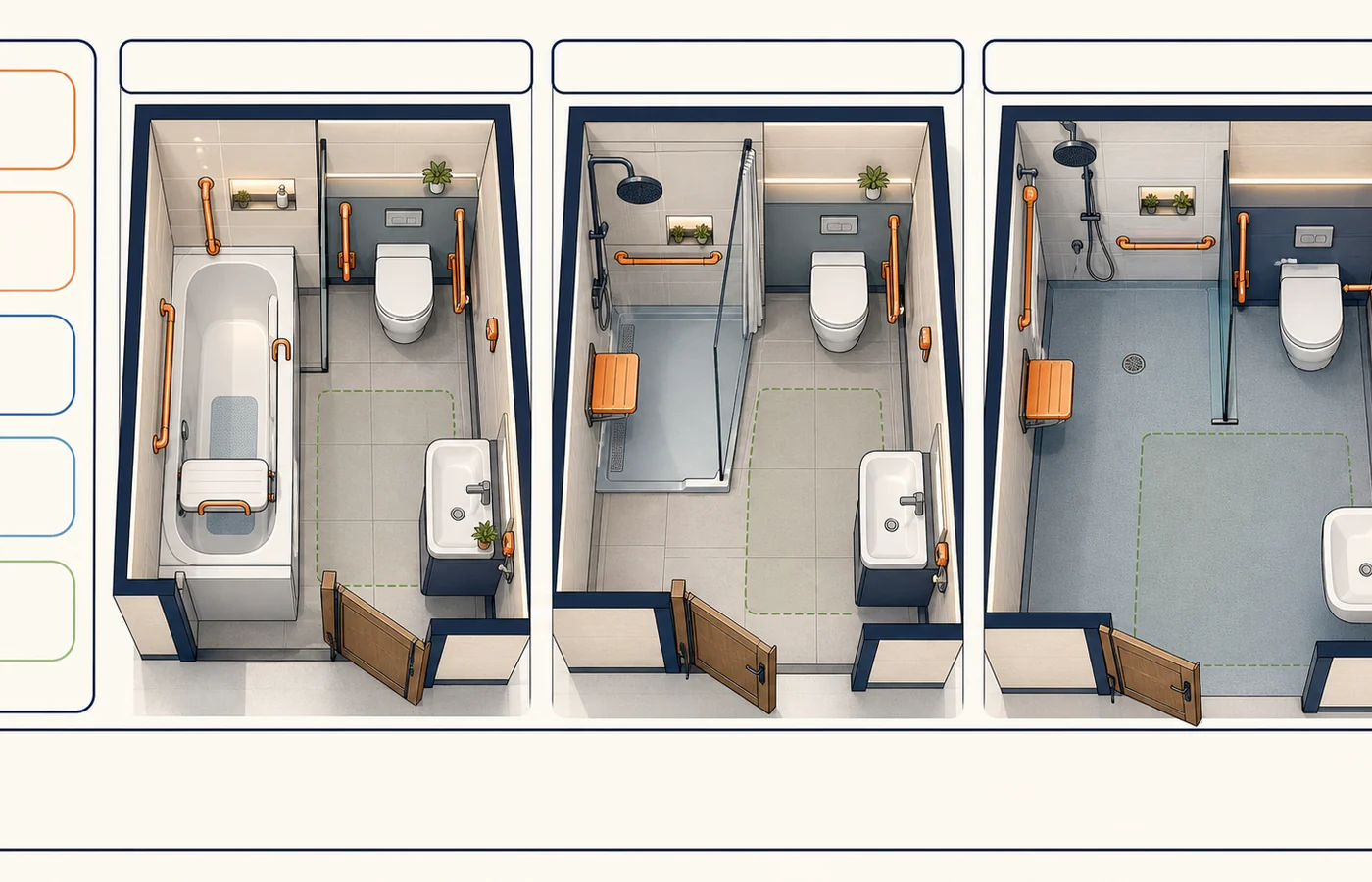
In minimalist bathroom design, the shower area often becomes a focal point. Wet rooms and walk-in showers are popular choices as they eliminate the need for bulky enclosures. However, these designs require careful planning to ensure proper waterproofing and drainage.
When installing a wet room, adherence to British Standard BS 5385-4:2015 is essential. This standard provides guidelines for the design and installation of ceramic and mosaic tiling in special conditions, including wet rooms. The entire floor area must be tanked (waterproofed) with a suitable membrane, and the correct fall towards the drain must be achieved to prevent water pooling.
For drainage, linear shower drains are an excellent choice for minimalist bathrooms. They provide efficient water removal while maintaining a sleek, unobtrusive appearance. When specifying a linear drain, ensure it complies with BS EN 1253, which covers gullies for buildings. The following table outlines the minimum flow rates required for shower drains based on the type of shower:
| Shower Type | Minimum Flow Rate (litres/second) |
|---|---|
| Single shower head | 0.4 |
| Dual shower head | 0.6 |
| Rainfall shower head | 0.8 |
By carefully selecting compact fixtures, implementing smart storage solutions, and optimising shower areas, it’s possible to create a truly minimalist bathroom that complies with all relevant UK building regulations while maximising both style and functionality.
Sustainable Materials and Energy Efficiency
Eco-Friendly Material Choices
In line with the UK’s commitment to sustainability and the latest building regulations, selecting eco-friendly materials for a minimalist bathroom is both responsible and on-trend. As of September 2024, there’s an increased focus on the use of sustainable materials in construction and renovation projects.
For flooring, consider bamboo or cork as alternatives to traditional tile. These materials are renewable, durable, and naturally water-resistant when properly sealed. They also provide a warm, organic feel that can soften the sometimes stark appearance of minimalist design. When selecting these materials, ensure they meet the slip resistance requirements outlined in BS 7976-2:2002+A1:2013, which is referenced in the Building Regulations Approved Document M.
For wall finishes, recycled glass tiles or panels made from reclaimed materials offer a sustainable option that aligns with minimalist aesthetics. These products should comply with BS EN 14411:2016, which specifies requirements for ceramic tiles. Additionally, low-VOC (Volatile Organic Compound) paints and sealants are essential for maintaining good indoor air quality, as mandated by the latest updates to Part F of the Building Regulations.
When selecting fixtures and fittings, look for those made from recycled or recyclable materials. Many UK manufacturers now offer bathroom fixtures made from recycled plastics or sustainably sourced metals. These products should still meet the performance standards set out in the Water Supply (Water Fittings) Regulations 1999.
Energy-Efficient Heating and Water Systems
Energy efficiency is a key consideration in minimalist bathroom design, particularly given the UK’s ambitious targets for reducing carbon emissions in buildings. As of September 2024, new regulations require higher standards of energy performance in both new builds and renovations.
For water heating, consider installing a heat pump water heater or a solar thermal system. These technologies can significantly reduce energy consumption compared to traditional electric or gas water heaters. When specifying these systems, refer to the Microgeneration Certification Scheme (MCS) standards, which ensure the quality and reliability of renewable energy technologies.
Underfloor heating is an excellent choice for minimalist bathrooms, providing efficient, even heat without visible radiators. Electric underfloor heating systems are often preferred in bathroom renovations due to their low profile and ease of installation. However, ensure that any electrical work complies with Part P of the Building Regulations and is carried out by a competent person registered with an approved scheme.
The following table compares the average annual running costs and CO2 emissions for different bathroom heating systems based on a typical UK bathroom size of 4m²:
| Heating System | Annual Running Cost (GBP) | Annual CO2 Emissions (kg) |
|---|---|---|
| Electric Underfloor | 60-80 | 150-200 |
| Water Underfloor | 40-60 | 100-150 |
| Traditional Radiator | 70-90 | 180-220 |
| Heat Pump System | 30-50 | 80-120 |
Note: Costs and emissions are estimates and may vary based on specific system efficiency, energy tariffs, and usage patterns.
For water conservation, specify taps and showerheads with aerators or flow restrictors. These devices can reduce water consumption without compromising user experience. Look for products that carry the Water Label, a UK scheme that provides information on water consumption and performance.
Smart Technology Integration
While minimalism often emphasises simplicity, the integration of smart technology can enhance both the functionality and energy efficiency of a bathroom without compromising its aesthetic. As of 2024, the UK government encourages the adoption of smart home technologies as part of its strategy to improve energy efficiency in residential buildings.
Consider installing a smart shower system that allows precise control of water temperature and flow rate. These systems can be programmed to limit shower duration or pause the flow when soaping, significantly reducing water and energy consumption. When selecting such systems, ensure they comply with the Water Supply (Water Fittings) Regulations 1999 and any relevant electrical safety standards.
Smart lighting controls, such as motion sensors or programmable LED systems, can reduce energy waste by ensuring lights are only on when needed. These systems should be installed in compliance with Part P of the Building Regulations and the IET Wiring Regulations (BS 7671:2018+A2:2022).
For ventilation, smart extractor fans that respond to humidity levels can help maintain optimal air quality while minimising energy use. These should meet the performance requirements set out in Part F of the Building Regulations, which as of 2024, include stricter standards for ventilation in wet rooms.
By carefully selecting sustainable materials, implementing energy-efficient systems, and integrating smart technologies, it’s possible to create a minimalist bathroom that not only looks sleek and modern but also contributes to a more sustainable and energy-efficient home. These choices align with both current UK building regulations and the broader goals of reducing environmental impact in the construction and renovation sectors.
Practical Considerations for Implementation
Budgeting and Cost Management
Creating a minimalist bathroom requires careful budgeting and cost management to ensure the project remains financially viable while meeting all necessary UK building regulations. As of September 2024, construction costs in the UK have seen some fluctuations due to various economic factors, making accurate budgeting more crucial than ever.
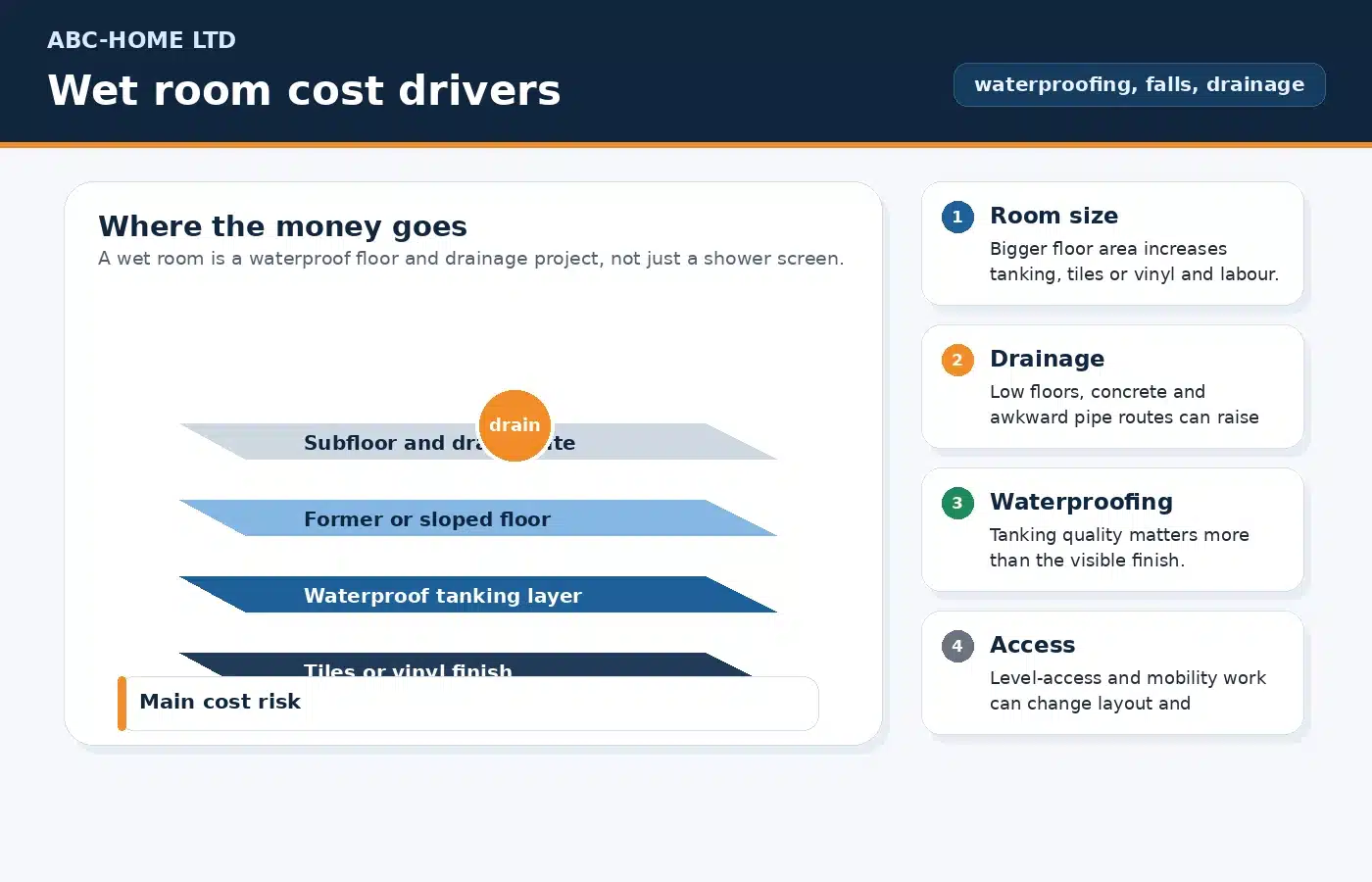
When planning your minimalist bathroom renovation, it’s essential to allocate funds not just for visible elements but also for essential behind-the-scenes work such as waterproofing, electrical upgrades, and plumbing modifications. These aspects are critical for compliance with UK building regulations and should not be overlooked in pursuit of aesthetic goals.
Here’s a breakdown of typical cost allocations for a minimalist bathroom renovation in the UK, based on average prices as of September 2024:
| Element | Percentage of Budget | Typical Cost Range (GBP) |
|---|---|---|
| Plumbing and Installation | 25-30% | 1,500 – 3,000 |
| Tiling and Flooring | 20-25% | 1,200 – 2,500 |
| Fixtures and Fittings | 15-20% | 900 – 2,000 |
| Lighting and Electrics | 10-15% | 600 – 1,500 |
| Ventilation | 5-10% | 300 – 1,000 |
| Labour (excluding specific) | 20-25% | 1,200 – 2,500 |
| Miscellaneous and Contingency | 5-10% | 300 – 1,000 |
Note: These figures are estimates and can vary significantly based on the specific requirements of your project, the quality of materials chosen, and your location within the UK.
To manage costs effectively, consider the following strategies:
- Prioritise essential upgrades that ensure compliance with building regulations.
- Opt for high-quality, durable materials in key areas to reduce long-term maintenance costs.
- Explore cost-effective alternatives for non-essential elements that still achieve the minimalist aesthetic.
- Obtain multiple quotes from reputable contractors and suppliers.
- Consider timing your project to take advantage of seasonal discounts or promotions.
Remember that while initial costs are important, investing in quality materials and proper installation can lead to long-term savings through improved durability and energy efficiency.
Project Timeline and Phasing
Implementing a minimalist bathroom design requires careful planning and coordination to ensure the project progresses smoothly and efficiently. A well-structured timeline is essential, especially when working within the constraints of UK building regulations and potential approval processes.
A typical minimalist bathroom renovation in the UK might follow this general timeline:
- Planning and Design Phase (2-4 weeks):
- Finalise design concept
- Obtain necessary planning permissions (if required)
-
Submit building notice or full plans to local authority (if applicable)
-
Preparation Phase (1-2 weeks):
- Order materials and fixtures
- Arrange for skip hire and waste disposal
-
Schedule tradespeople and deliveries
-
Demolition and Structural Work (1-2 weeks):
- Remove existing fixtures and fittings
- Carry out any necessary structural modifications
-
Begin first fix plumbing and electrical work
-
Waterproofing and Tiling (1-2 weeks):
- Apply waterproof membrane to walls and floors
- Install underfloor heating (if applicable)
-
Lay floor tiles and wall tiles
-
Installation of Fixtures (1-2 weeks):
- Install new sanitaryware
- Fit shower enclosure or wet room glass
-
Mount cabinets and storage solutions
-
Finishing Touches (1 week):
- Install lighting fixtures
- Apply paint or other wall finishes
-
Fit mirrors and accessories
-
Final Inspections and Sign-off (1 week):
- Conduct final electrical and plumbing checks
- Arrange for building control inspection (if required)
- Address any snagging issues
Total estimated timeline: 8-15 weeks
It’s important to note that this timeline can vary depending on the scope of work, the size of the bathroom, and any unforeseen issues that may arise during the renovation process. Always build in a contingency of 10-20% additional time to account for delays or unexpected challenges.
When phasing your project, consider the following tips:
- Start with any structural or major plumbing changes, as these can impact other aspects of the renovation.
- Schedule noisy or disruptive work at times that minimise inconvenience to household members or neighbours.
- Coordinate the delivery of materials to align with your installation schedule to avoid cluttering the work area.
- Allow adequate drying time between stages, particularly for waterproofing and tiling.
- Plan for temporary facilities if the bathroom will be out of use for an extended period.
By carefully managing your budget and timeline, you can create a stunning minimalist bathroom that not only meets your aesthetic goals but also complies with all relevant UK building regulations. Remember to work with qualified professionals who are familiar with local requirements to ensure a smooth and compliant renovation process. For more information on UK building practices and regulations, visit https://abc-home.co.uk/ for comprehensive guides and resources.
Maintenance and Longevity of Minimalist Bathrooms
Cleaning and Upkeep
One of the primary advantages of a minimalist bathroom design is the ease of cleaning and maintenance. The simplified layout and reduction of unnecessary elements contribute to a space that is inherently easier to keep clean. However, to ensure the longevity of your minimalist bathroom and compliance with UK health and safety standards, a regular maintenance routine is essential.
For tile and grout maintenance, which is crucial for preventing mould growth and maintaining the waterproof integrity of the bathroom, follow these guidelines:
- Clean tiles weekly with a pH-neutral cleaner to avoid damaging grout or sealants.
- Re-seal grout lines annually to maintain water resistance.
- Inspect silicone seals around fixtures every six months and replace if signs of wear or mould are present.
For fixtures and fittings:
- Clean taps and showerheads monthly to prevent limescale build-up, which is particularly important in hard water areas common in many parts of the UK.
- Check and clean waste traps quarterly to prevent blockages and ensure compliance with water regulations.
- Test and clean extractor fans every three months to maintain efficient ventilation as required by Part F of the Building Regulations.
Implement a cleaning schedule that includes these tasks to ensure your minimalist bathroom remains in top condition:
| Task | Frequency | Notes |
|---|---|---|
| General cleaning | Weekly | Use non-abrasive, eco-friendly cleaning products |
| Deep clean of tiles/grout | Monthly | Focus on areas prone to mould growth |
| Fixture descaling | Monthly | Important in hard water areas |
| Extractor fan cleaning | Quarterly | Ensure proper function for ventilation |
| Grout sealing | Annually | Maintain water resistance of tiled areas |
| Silicone seal inspection | Bi-annually | Replace if signs of wear or mould are present |
Long-term Durability and Adaptability
A well-designed minimalist bathroom should not only look good initially but also stand the test of time. When selecting materials and fixtures, consider their long-term durability and how they will age. This approach not only ensures a lasting aesthetic but also aligns with UK building regulations that emphasise the importance of using materials that are fit for purpose and have a reasonable service life.
For flooring, porcelain tiles remain a popular choice due to their durability and low maintenance requirements. When selecting tiles, ensure they meet the slip resistance requirements of BS EN 14411:2016. For a more modern look, seamless resin floors are gaining popularity and offer excellent durability when properly installed.
Wall finishes should be resistant to moisture and easy to clean. Large-format tiles or waterproof panels can reduce the amount of grout lines, making maintenance easier. If using paint, opt for high-quality, moisture-resistant formulations that comply with BS EN 13300:2001 for wet scrub resistance.
When it comes to fixtures, choose models made from high-quality materials such as solid brass for taps and stainless steel for shower fittings. These materials are not only durable but also resistant to corrosion, which is particularly important in the humid bathroom environment. Ensure all fittings comply with the Water Supply (Water Fittings) Regulations 1999 for longevity and water efficiency.
To future-proof your minimalist bathroom and ensure it remains adaptable to changing needs:
- Consider installing a thermostatic shower mixer that can be easily adjusted for different users, including those with mobility issues.
- Use a modular storage system that can be reconfigured as needs change.
- Install blocking in walls during renovation to allow for the future addition of grab bars or other accessibility features.
- Choose a neutral colour palette that won’t date quickly and can be easily updated with accessories.
By focusing on durability and adaptability in your minimalist bathroom design, you not only create a space that will look good for years to come but also one that can evolve with changing regulations and personal needs. This approach ensures your investment remains valuable and compliant with UK building standards well into the future.
Conclusion
Creating a minimalist, clutter-free bathroom oasis is more than just a design choice; it’s a commitment to simplicity, functionality, and sustainability that aligns well with current UK building practices and regulations. By carefully considering each element of the bathroom, from the layout to the fixtures and finishes, it’s possible to create a space that is not only visually appealing but also compliant with all relevant UK standards and regulations.
The key to success lies in thorough planning, attention to detail, and a focus on quality materials and craftsmanship. By prioritising water efficiency, energy conservation, and sustainable materials, a minimalist bathroom can contribute to the overall environmental performance of a home, meeting and exceeding the increasingly stringent requirements set out in UK building regulations.
Remember that while the aesthetic appeal of a minimalist bathroom is important, it should never come at the expense of functionality or compliance. Working with qualified professionals who are well-versed in UK building regulations is crucial to ensure that your bathroom renovation meets all legal requirements while achieving your design goals.
Ultimately, a well-executed minimalist bathroom offers a serene, easy-to-maintain space that can adapt to changing needs over time. It’s an investment in both the present enjoyment of your home and its future value, providing a timeless backdrop for your daily routines while embodying the principles of sustainable, responsible design.
As you embark on your minimalist bathroom project, keep in mind the balance between form and function, the importance of quality over quantity, and the long-term benefits of a well-planned, regulation-compliant renovation. With careful consideration and expert guidance, your minimalist bathroom can become a true oasis of calm in your home, meeting all UK building standards while providing a stylish and functional space for years to come.