Navigating UK Building Regulations: Ensuring Safety and Efficiency
The construction industry in the UK plays a vital role in shaping our built environment, but it also carries a significant responsibility to adhere to stringent building regulations and standards. As a homeowner, contractor, or building professional in Aberdeen, it is crucial to have a comprehensive understanding of the regulatory landscape to ensure your projects are not only safe and compliant but also cost-effective and environmentally sustainable.
In this in-depth article, we will explore the key aspects of UK building regulations, delve into the cost considerations for building projects, and highlight the importance of embracing sustainable building practices. Whether you’re undertaking a major renovation, constructing a new home, or implementing energy-efficient upgrades, this guide will equip you with the knowledge and strategies to navigate the complexities of the industry and deliver exceptional results.
Navigating the Maze of UK Building Regulations
The UK has a robust set of building regulations that aim to safeguard the health, safety, and well-being of occupants, as well as the overall quality of the built environment. These regulations, set by the Ministry of Housing, Communities and Local Government, cover a wide range of areas, including structural integrity, fire safety, energy efficiency, and accessibility.
Structural Integrity and Safety
One of the cornerstones of UK building regulations is ensuring the structural stability and safety of a building. This encompasses aspects such as the design and construction of foundations, walls, floors, and roofs, as well as the selection of appropriate building materials. Regulation B of the Building Regulations 2010 outlines the specific requirements for structural integrity, including load-bearing capacities, resistance to collapse, and performance under various loads and environmental conditions.
Fire Safety Measures
Protecting occupants from the risk of fire is a paramount concern, and UK building regulations address this through Regulation B of the Building Regulations 2010. This regulation covers fire detection and alarm systems, fire-resistant construction materials, means of escape, and the accessibility of emergency services. Compliance with these fire safety measures is essential, particularly in high-occupancy buildings or those with unique design features.
Energy Efficiency and Sustainability
In recent years, the UK government has placed a strong emphasis on improving the energy efficiency of buildings to combat climate change and reduce carbon emissions. Regulation L of the Building Regulations 2010 sets out the requirements for the conservation of fuel and power, including standards for insulation, heating systems, and the integration of renewable energy sources. Adhering to these regulations not only benefits the environment but also helps homeowners and businesses save on energy costs in the long run.
Accessibility and Inclusive Design
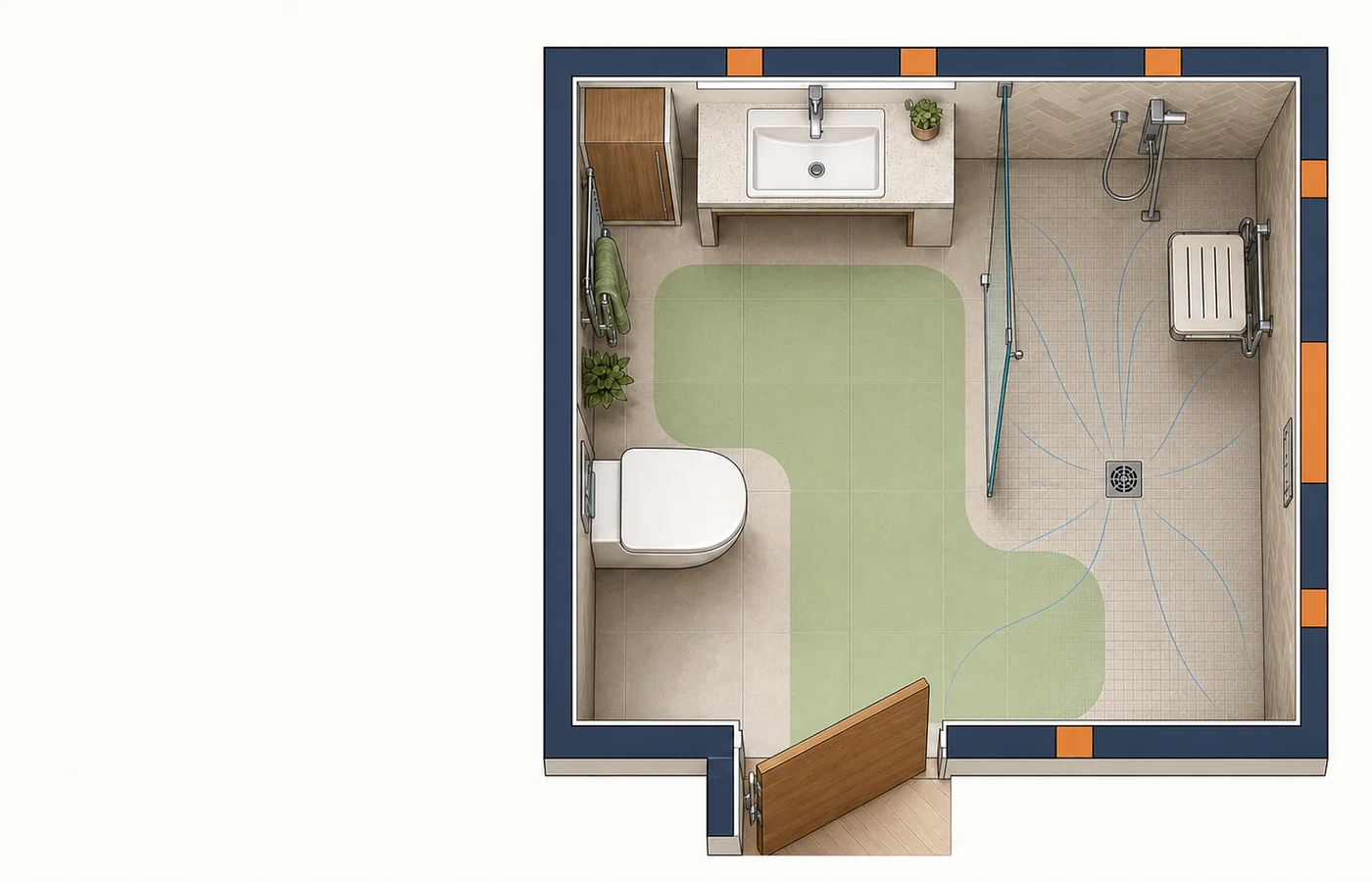
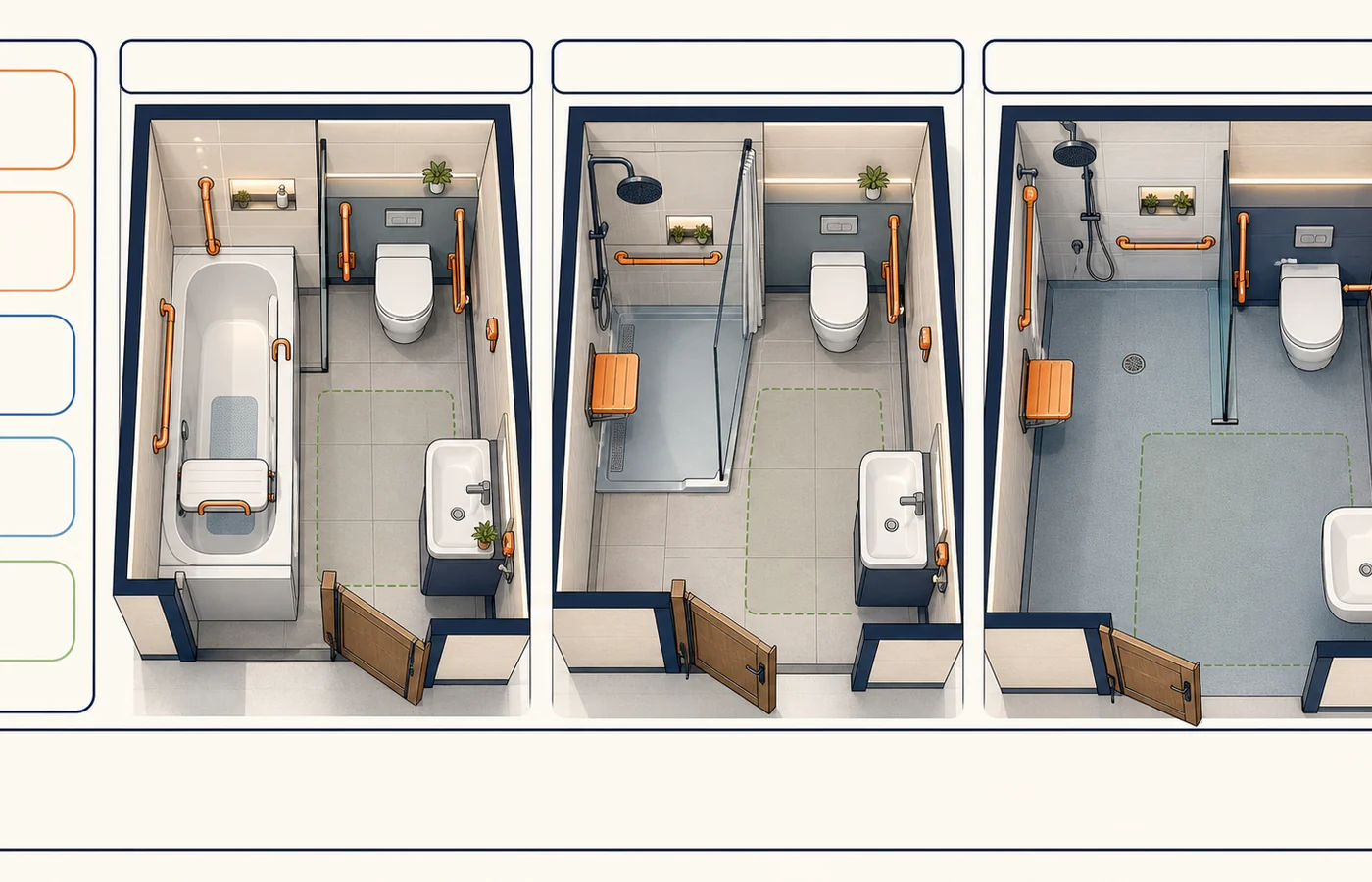
Ensuring that buildings are accessible and accommodate the needs of all users, including those with disabilities, is a crucial aspect of UK building regulations. Regulation M of the Building Regulations 2010 outlines the requirements for accessible routes, entrance provisions, and the design of internal spaces to promote inclusivity and equal access.
Navigating the Regulatory Landscape
Complying with the various building regulations can be a complex and daunting task, especially for those new to the construction industry or undertaking a project in Aberdeen. It is essential to work closely with local building authorities, registered architects, and experienced contractors to ensure your project meets all the necessary requirements.
The ABC Home website provides a wealth of resources and guidance to help you navigate the regulatory landscape, including detailed information on the specific regulations, compliance strategies, and case studies from successful projects in the Aberdeen area.
Budgeting for Building Projects: Navigating the Costs in GBP
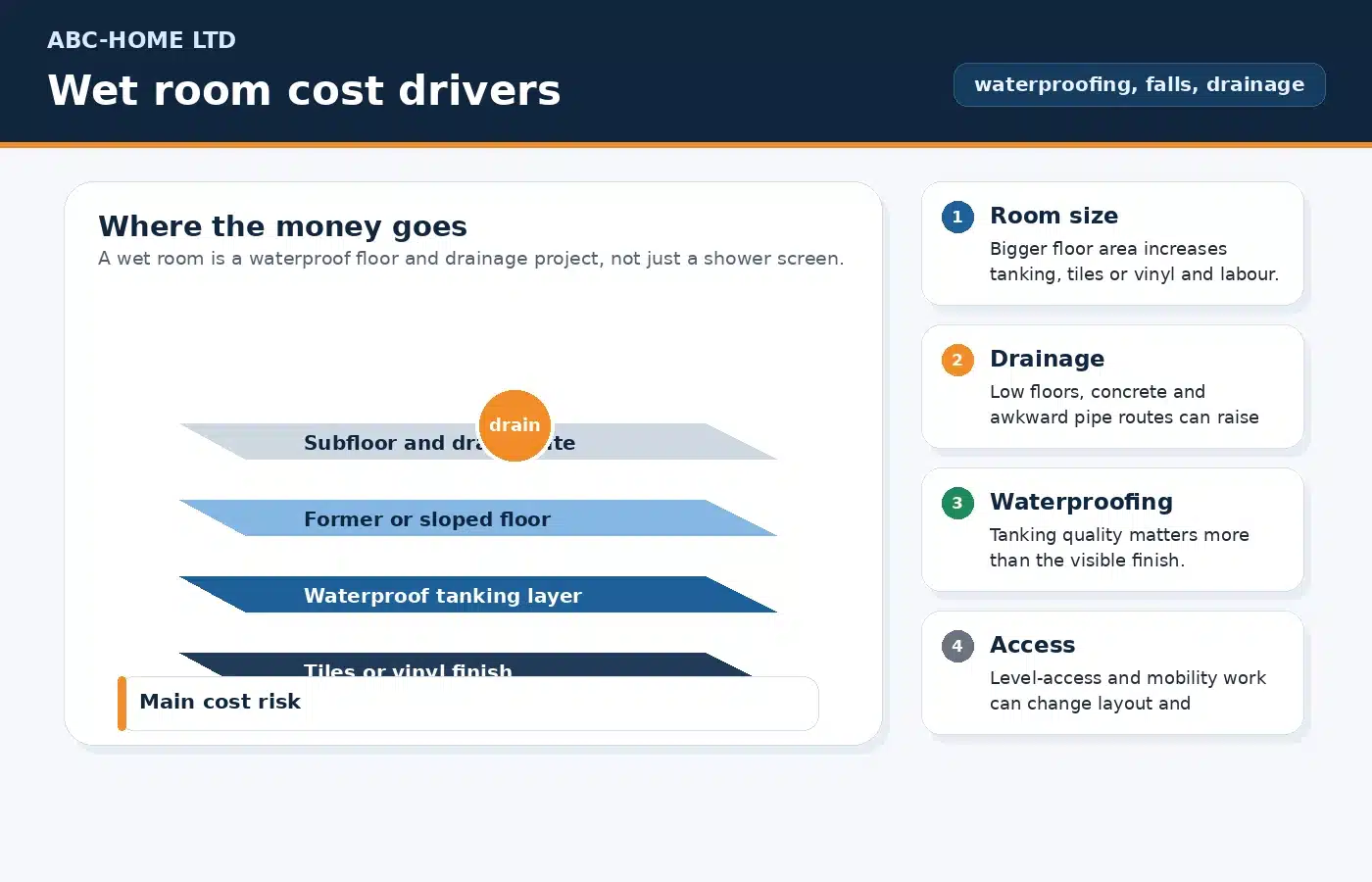
Embarking on a building project, whether it’s a new construction, renovation, or energy-efficient upgrade, can be a significant financial undertaking. Understanding the various cost factors and managing them effectively is crucial to the success of your project. In this section, we’ll explore the key considerations for budgeting and cost management in the UK context.
Material Costs and Supply Chain Challenges
The cost of building materials is a significant driver of overall project expenses. In the UK, the prices of common construction materials, such as timber, steel, and bricks, can fluctuate due to global supply chain disruptions, political and economic factors, and changes in demand. Carefully researching and monitoring material prices in the Aberdeen area can help you budget more accurately and identify potential cost-saving opportunities.
Table 1: Average Material Costs in Aberdeen, UK (September 2024)
| Material | Cost per Unit |
|---|---|
| Timber (per m³) | £450 |
| Steel (per tonne) | £800 |
| Bricks (per 1000) | £500 |
| Insulation (per m²) | £15 |
| Cement (per tonne) | £100 |
Labor and Contractor Fees
The cost of labor, including the fees charged by contractors, tradespeople, and specialists, is another significant factor in your overall budget. Rates can vary depending on the complexity of the project, the level of expertise required, and the demand for skilled workers in the local Aberdeen market. It’s advisable to obtain multiple quotes, compare rates, and negotiate fair prices to ensure you’re getting the best value for your investment.
Table 2: Average Labor Costs in Aberdeen, UK (September 2024)
| Role | Hourly Rate |
|---|---|
| Bricklayer | £20 – £30 |
| Electrician | £35 – £50 |
| Plumber | £30 – £45 |
| Carpenter | £25 – £40 |
| Roofer | £22 – £35 |
| Project Manager | £40 – £60 |
Permits, Inspections, and Regulatory Compliance
Adhering to UK building regulations and obtaining the necessary permits and approvals can also add to the overall cost of a project. Factors such as planning permission, building control inspections, and energy efficiency assessments should be factored into your budget. It’s important to research the specific requirements and associated fees in the Aberdeen area to avoid unexpected expenses.
Energy-Efficient Upgrades and Sustainability Measures
Investing in energy-efficient technologies and sustainable building practices can have long-term cost benefits, but the initial outlay may be higher. Measures like solar panels, high-performance insulation, and heat recovery systems can significantly reduce energy consumption and utility bills, but the upfront costs need to be carefully considered. Exploring government incentives, such as the UK’s Green Homes Grant scheme, can help offset some of these expenses and make sustainable upgrades more accessible.
Contingency Planning and Budget Flexibility
Unforeseen challenges and changes during the course of a building project can impact the budget, so it’s essential to allocate a contingency fund to account for unexpected costs. Typically, a contingency of 10-15% of the total project cost is recommended to provide a buffer and ensure you can adapt to any issues that may arise.
By understanding the various cost factors, monitoring material prices, negotiating fair labor rates, and planning for contingencies, you can effectively manage your building project budget in the Aberdeen area and deliver a successful outcome.
Embracing Sustainable Building Practices in the UK
As the global focus on environmental sustainability continues to grow, the construction industry in the UK has a crucial role to play in reducing its carbon footprint and implementing eco-friendly building practices. Embracing sustainable approaches not only benefits the environment but can also lead to long-term cost savings for homeowners and businesses.
Energy-Efficient Design and Construction
One of the primary areas of focus in sustainable building is energy efficiency. Regulation L of the UK Building Regulations 2010 outlines the requirements for the conservation of fuel and power, which includes standards for insulation, heating systems, and the integration of renewable energy sources.
Table 3: Common Energy-Efficient Technologies and their Benefits
| Technology | Benefits |
|---|---|
| High-performance Insulation | Reduces heat loss and energy consumption |
| Heat Pump Systems | Provide efficient heating and cooling |
| Solar Photovoltaic Panels | Generate renewable electricity on-site |
| Triple-glazed Windows | Improve thermal efficiency and reduce drafts |
| LED Lighting | Consume less energy and last longer |
Incorporating these energy-efficient technologies and design strategies can significantly reduce a building’s carbon emissions and operational costs, making them an attractive investment for both new construction and renovation projects in Aberdeen.
Sustainable Material Selection
The choice of building materials plays a crucial role in the sustainability of a project. Opting for materials with low embodied carbon, such as sustainably sourced timber, recycled steel, and low-impact insulation, can help reduce the environmental impact of the construction process. Additionally, considering the lifecycle of materials, including their durability, recyclability, and end-of-life disposal, can further enhance the sustainability of a building.
Water Conservation and Management
Water usage is another important aspect of sustainable building practices. Implementing water-efficient fixtures, such as low-flow toilets and showerheads, as well as incorporating rainwater harvesting and greywater recycling systems, can significantly reduce a building’s water consumption and lower utility bills.
Waste Reduction and Circular Economy
The construction industry generates a significant amount of waste, which can have detrimental effects on the environment. Embracing circular economy principles, such as minimizing construction waste, repurposing materials, and implementing efficient waste management systems, can contribute to a more sustainable built environment.
Occupant Health and Wellbeing
Sustainable building practices also prioritize the health and wellbeing of building occupants. This includes the use of non-toxic materials, effective indoor air quality management, and the integration of natural lighting and ventilation. By creating healthier living and working spaces, sustainable buildings can enhance the overall quality of life for their users.
Navigating the Regulatory Landscape
The UK government has introduced various initiatives and policies to encourage the adoption of sustainable building practices. For example, the Building Regulations 2010, Regulation L, sets out the requirements for energy efficiency and the integration of renewable energy sources. Additionally, the UK’s Green Homes Grant scheme provides financial incentives for homeowners and landlords to implement energy-efficient upgrades.
By understanding and adhering to these regulations, as well as leveraging the available resources and incentives, construction professionals and homeowners in Aberdeen can take proactive steps to embrace sustainable building practices and contribute to a more environmentally responsible built environment.
Conclusion
Navigating the complexities of UK building regulations, managing project costs effectively, and embracing sustainable building practices are critical elements for success in the construction industry. As a homeowner, contractor, or building professional in Aberdeen, understanding these key aspects can help you deliver projects that are not only safe and compliant but also cost-efficient and environmentally responsible.
By familiarizing yourself with the structural integrity, fire safety, energy efficiency, and accessibility requirements outlined in the Building Regulations 2010, you can ensure your projects meet the necessary standards and provide a safe, comfortable, and accessible living or working environment for occupants.
Effective cost management, including the consideration of material prices, labor costs, and regulatory compliance expenses, can help you plan and execute your building projects within a well-defined budget. Exploring energy-efficient technologies, sustainable material selection, and water conservation strategies can further enhance the long-term viability and environmental impact of your projects.
The resources and guidance available on the ABC Home website can serve as a valuable tool in navigating the regulatory landscape, identifying cost-saving opportunities, and implementing sustainable building practices in the Aberdeen area. By leveraging this knowledge and proactively addressing the key considerations outlined in this article, you can contribute to the development of a more resilient, efficient, and environmentally conscious built environment in the UK.