Understanding the Benefits of Geothermal Systems in the UK
Geothermal heating and cooling systems have been gaining significant traction in the UK’s building and construction industry. These innovative technologies offer a sustainable and cost-effective solution for maintaining comfortable indoor environments throughout the year. In this comprehensive article, we’ll explore the advantages of geothermal systems, their compliance with UK building regulations, and the practical considerations for homeowners and contractors.
Embracing Geothermal Technology in the UK
Geothermal systems utilize the Earth’s natural heat to provide efficient heating and cooling for residential and commercial properties. Unlike traditional heating and cooling methods that rely on fossil fuels or electricity, geothermal systems harness the stable temperatures found just below the Earth’s surface, making them a renewable and environmentally-friendly option.
Regulatory Compliance and Safety
In the UK, geothermal systems must comply with a range of building regulations and industry standards to ensure the safety and efficacy of these installations. The Building Regulations 2010 and the Microgeneration Certification Scheme (MCS) provide the necessary guidelines and certification requirements for geothermal system installations.
Adherence to these regulations is crucial, as it not only safeguards the wellbeing of occupants but also ensures the system’s long-term performance and energy efficiency. Properly installed geothermal systems must meet strict criteria for heat output, thermal insulation, and safety features, such as leak detection and emergency shut-off mechanisms.
Cost Considerations and Incentives
Investing in a geothermal system can be a significant upfront cost for homeowners, but the long-term energy savings and financial incentives make it a viable and attractive option. The average cost of a geothermal system installation in the UK ranges from £15,000 to £25,000, depending on the size of the property, the complexity of the system, and the specific site conditions.
To offset these initial costs, the UK government offers various financial incentives and programs to encourage the adoption of renewable energy technologies, including the Renewable Heat Incentive (RHI). This scheme provides quarterly payments to homeowners who install eligible renewable heating systems, such as geothermal heat pumps, for a period of seven years.
Additionally, the potential energy savings can help recoup the initial investment over time. Geothermal systems are known for their exceptional efficiency, with typical Coefficient of Performance (COP) ratings ranging from 3.5 to 5.0, meaning they can provide up to 5 units of heat for every 1 unit of energy consumed.
Sustainable Practices and Environmental Impact
Geothermal systems are widely recognized for their environmentally-friendly and sustainable characteristics, making them a preferred choice for eco-conscious homeowners and builders in the UK.
Reduced Carbon Footprint
By eliminating the need for fossil fuel-based heating and cooling, geothermal systems significantly reduce a property’s carbon emissions. This aligns with the UK’s ambitious goals to achieve net-zero greenhouse gas emissions by 2050, as outlined in the Climate Change Act 2008.
Energy Efficiency and Savings
Geothermal systems are remarkably efficient, typically achieving energy savings of 25% to 50% compared to traditional heating and cooling methods. This translates to lower energy bills for homeowners and a reduced strain on the national grid, contributing to the UK’s efforts to improve energy security and reduce reliance on imported fuels.
Longevity and Maintenance
Geothermal systems are known for their longevity, with an average lifespan of 20 to 25 years. This extended service life, coupled with minimal maintenance requirements, makes them a cost-effective and reliable choice for long-term energy management. Proper maintenance, such as regular checks and servicing by qualified technicians, is crucial to ensure the system’s optimal performance and efficiency.
Geothermal System Design and Installation
Designing and installing a geothermal system in the UK requires specialized knowledge and expertise to ensure compliance with local regulations and site-specific considerations.
System Types and Components
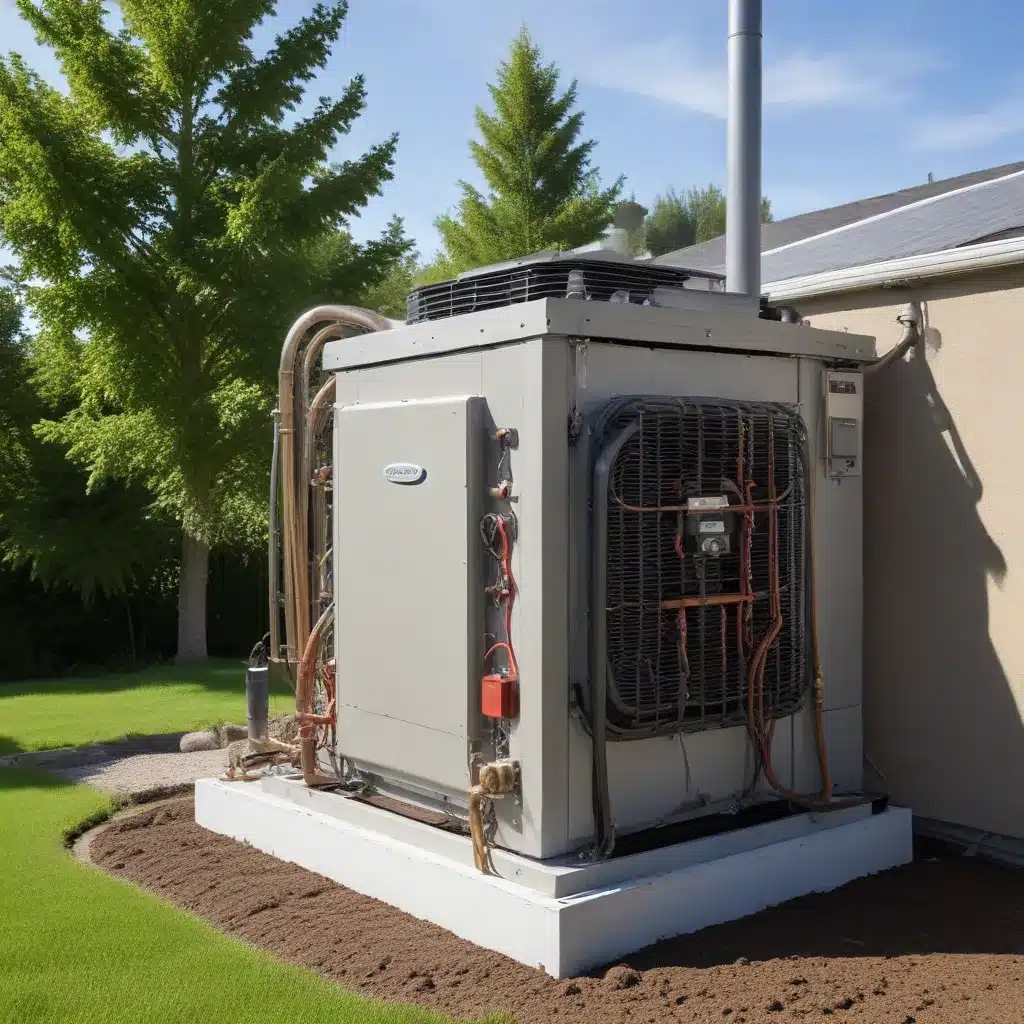
Geothermal systems can be broadly categorized into two main types: ground-source heat pumps and water-source heat pumps. Ground-source systems use a network of buried pipes to extract heat from the ground, while water-source systems utilize the thermal energy stored in nearby bodies of water, such as lakes or rivers.
The key components of a geothermal system typically include:
- Heat Pump: The heart of the system, responsible for transferring heat between the ground (or water) and the building.
- Ground Loop: The network of pipes buried underground or submerged in water, which circulates a heat-transfer fluid to extract or dissipate heat.
- Air Handling Unit: Distributes the heated or cooled air throughout the building, often integrated with the existing ductwork or underfloor heating system.
- Controls and Monitoring: Ensure the system operates efficiently and provide data on energy usage and performance.
Site Assessments and System Design
Before installing a geothermal system, a comprehensive site assessment is necessary to determine the most suitable system type and design. Factors such as the property’s size, heating and cooling requirements, soil conditions, and available land or water sources must be carefully evaluated.
Experienced geothermal system designers and installers in the UK will work closely with homeowners and contractors to develop a tailored solution that meets the specific needs of the project, while ensuring compliance with relevant building regulations and industry standards.
Integrating Geothermal Systems with Other Sustainable Practices
To maximize the benefits of geothermal heating and cooling, it is often advantageous to integrate these systems with other sustainable building practices and technologies. This holistic approach can further improve energy efficiency, reduce environmental impact, and enhance the overall comfort and value of a property.
Energy-Efficient Building Envelope
Ensuring a well-insulated and airtight building envelope is crucial for optimizing the performance of a geothermal system. Measures such as high-performance insulation, double-glazed windows, and air-sealing techniques can significantly reduce the heating and cooling loads, allowing the geothermal system to operate more efficiently.
Renewable Energy Integration
Combining geothermal systems with other renewable energy sources, such as solar photovoltaic (PV) panels, can create a comprehensive and self-sustaining energy solution for a property. The excess electricity generated by solar PV can be used to power the geothermal system, further reducing reliance on the national grid and minimizing energy costs.
Smart Home Integration
Integrating geothermal systems with smart home technologies can provide homeowners with greater control, monitoring, and optimization of their energy usage. Smart thermostats, remote access, and real-time energy consumption data can help homeowners fine-tune the system’s operation, maximizing efficiency and cost savings.
Water Conservation and Management
In water-source geothermal systems, the efficient management and conservation of water resources are essential. Incorporating water-efficient fixtures, greywater recycling systems, and stormwater harvesting can contribute to a holistic approach to sustainable water management, complementing the environmental benefits of the geothermal system.
By embracing these integrated sustainable practices, homeowners and contractors in the UK can unlock the full potential of geothermal heating and cooling, leading to a more comfortable, energy-efficient, and environmentally-friendly living environment.
Case Study: Retrofitting a Geothermal System in Aberdeen
To illustrate the practical application of geothermal systems in the UK, let’s explore a case study of a residential property in Aberdeen, Scotland, that underwent a geothermal retrofit.
The homeowners, John and Sarah, had an older, inefficient oil-fired heating system in their 1970s-era detached house. Seeking to improve their home’s energy efficiency and reduce their carbon footprint, they decided to explore the feasibility of installing a geothermal heat pump system.
Site Assessment and System Design
After consulting with a local geothermal system installer, a comprehensive site assessment was conducted. Due to the limited available land area around the property, a vertical ground loop system was determined to be the most suitable option. This involved drilling a series of boreholes into the ground to a depth of approximately 100 meters, where the relatively stable ground temperatures could be harnessed.
The system was designed to provide both heating and cooling, with an air handling unit integrated into the existing ductwork. The heat pump, rated at 12 kW, was sized to meet the property’s heating and cooling demands, taking into account the improved insulation and airtightness of the building envelope.
Installation and Regulatory Compliance
The geothermal system installation was carried out by a team of certified professionals, ensuring compliance with the relevant UK building regulations and industry standards. The project took approximately two weeks to complete, with minimal disruption to the homeowners.
Energy Performance and Cost Savings
Since the system’s commissioning in 2022, John and Sarah have reported significant improvements in their home’s energy efficiency and comfort levels. The geothermal heat pump has achieved an impressive Coefficient of Performance (COP) of 4.2, providing substantial energy savings compared to their previous oil-fired system.
Financial Incentives and Payback Period
To offset the initial installation cost of £21,000, the homeowners applied for and received the Renewable Heat Incentive (RHI) from the UK government. This scheme provides quarterly payments over a seven-year period, which are expected to total approximately £18,000, effectively covering a significant portion of the upfront investment.
Based on their annual energy savings of around £1,200, the homeowners estimate a payback period of 7-8 years for the geothermal system, after which they will continue to enjoy the benefits of lower energy bills and a more sustainable heating and cooling solution.
This case study demonstrates the viability of geothermal systems in the UK, particularly in older properties that require upgrades to their heating and cooling infrastructure. By following the appropriate regulations and leveraging available financial incentives, homeowners can make a sound investment in a renewable and energy-efficient technology that aligns with the country’s environmental objectives.
Conclusion
Geothermal heating and cooling systems have emerged as a compelling solution for homeowners and contractors in the UK seeking to improve energy efficiency, reduce carbon emissions, and enhance year-round comfort. By understanding the regulatory framework, cost considerations, and sustainable practices, individuals and businesses can make informed decisions about integrating these innovative technologies into their building and construction projects.
As the UK continues to push towards its ambitious net-zero emissions targets, the widespread adoption of geothermal systems can play a crucial role in transforming the country’s building landscape and contributing to a more sustainable future. To learn more about how geothermal systems can benefit your property or project, please visit https://abc-home.co.uk/, where our team of experts can provide personalized guidance and support.