Embracing Eco-Friendly Construction in Aberdeen
In the bustling city of Aberdeen, where the landscape is ever-evolving, the demand for sustainable building practices has never been more pressing. As the UK continues to navigate the complexities of environmental regulations and cost-effective construction, understanding the nuances of this sector is crucial for homeowners, contractors, and industry professionals alike.
Regulatory Compliance: Ensuring Safety and Sustainability
The UK’s building regulations are designed to safeguard the well-being of occupants and the environment. In Aberdeen, homeowners and builders must adhere to a comprehensive set of standards that cover everything from energy efficiency to waste management. Staying up-to-date with these guidelines is not only a legal requirement but also a vital step in creating sustainable, future-proof structures.
One of the key regulations in the UK is the Building Regulations 2010, which outlines the minimum requirements for the design and construction of new buildings, as well as the renovation of existing ones. These regulations address a wide range of areas, including:
- Energy Efficiency: Measures such as insulation, double-glazing, and renewable energy sources, which help reduce a building’s carbon footprint and lower energy bills for occupants.
- Structural Integrity: Ensuring the structural stability and safety of a building, considering factors like wind, snow, and seismic activity.
- Fire Safety: Implementing fire-resistant materials, emergency exits, and smoke detection systems to protect lives in the event of a fire.
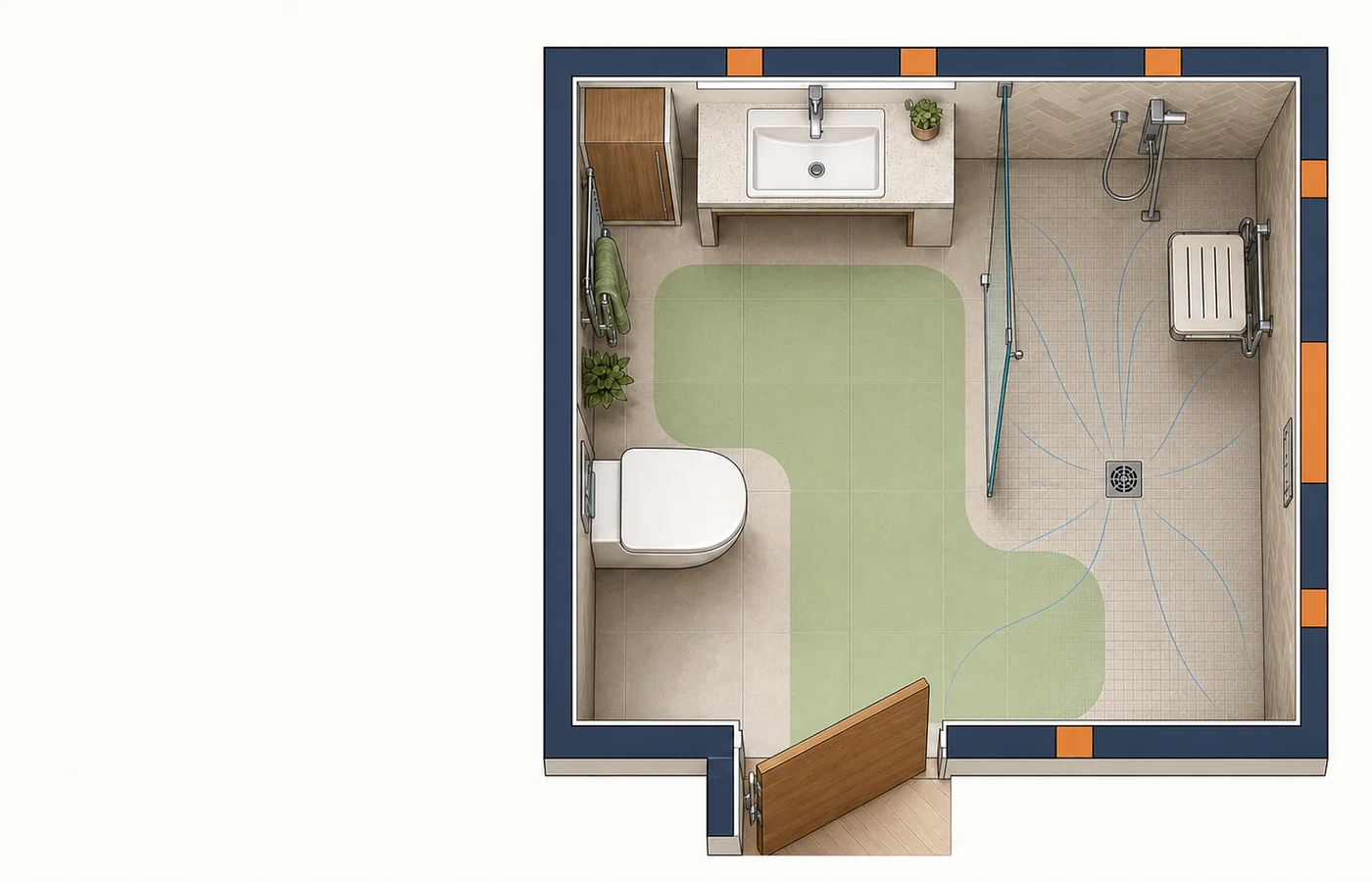
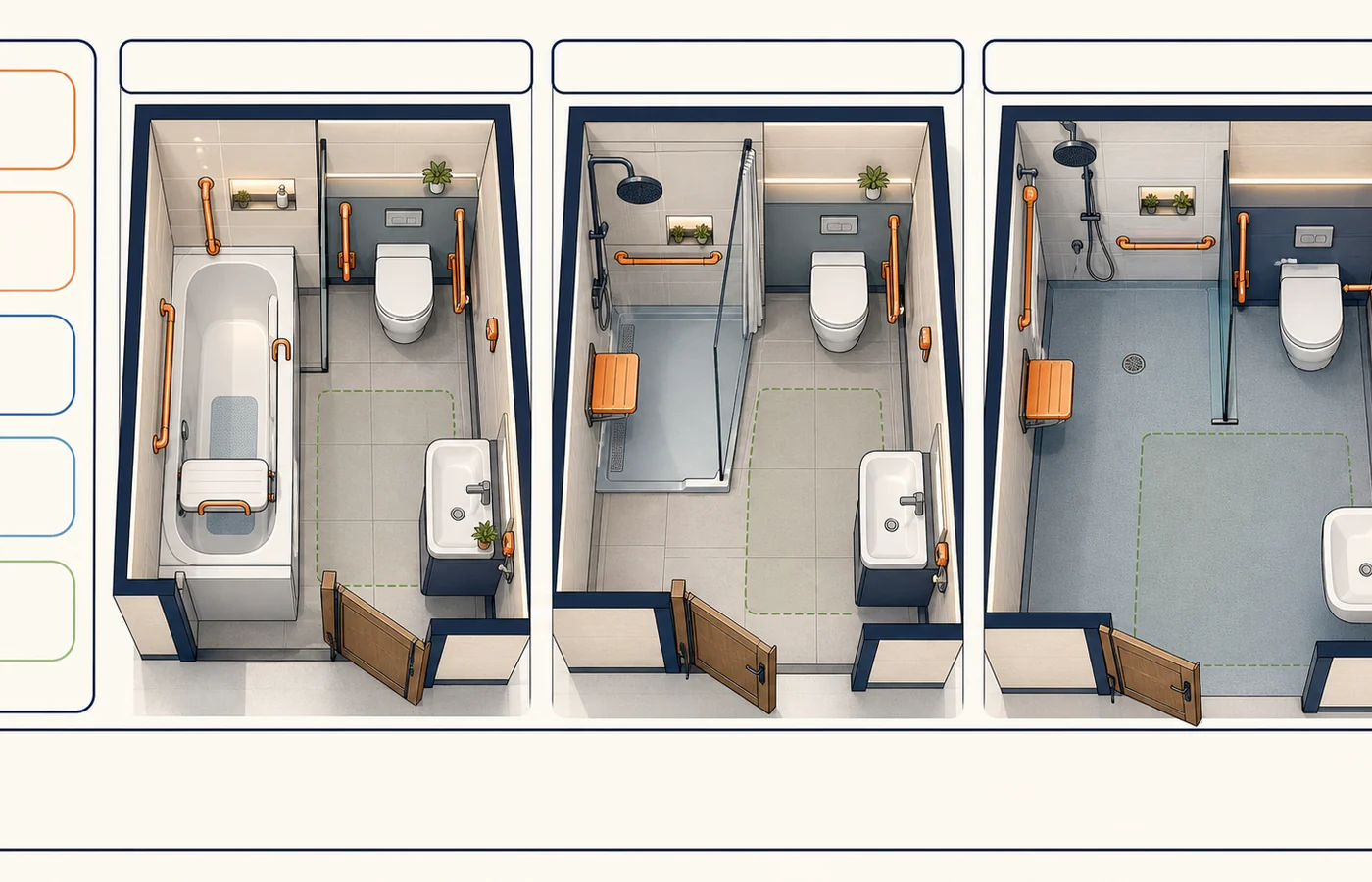
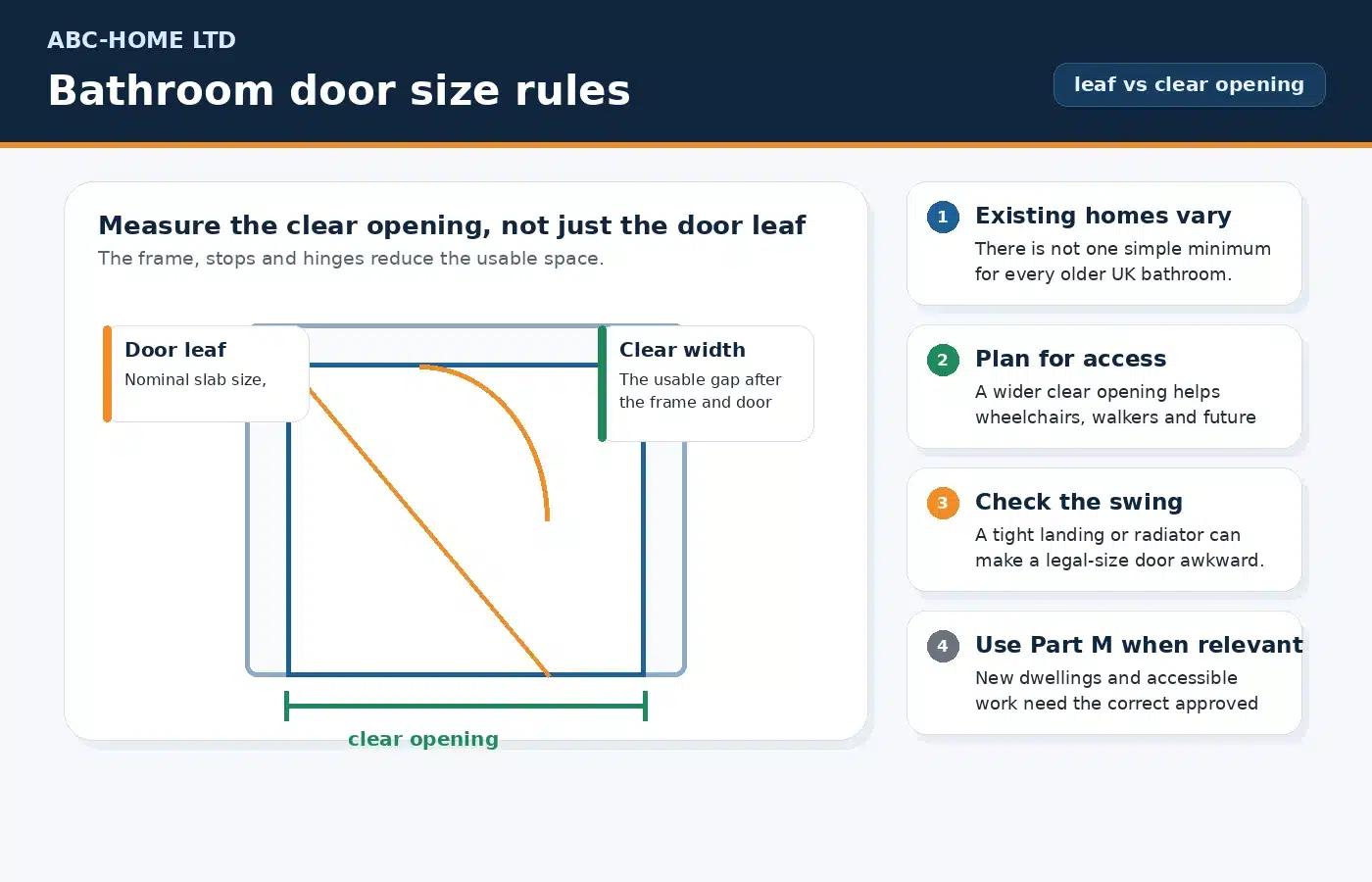
- Accessibility: Designing buildings that are accessible to people with disabilities, promoting inclusivity and equal access.
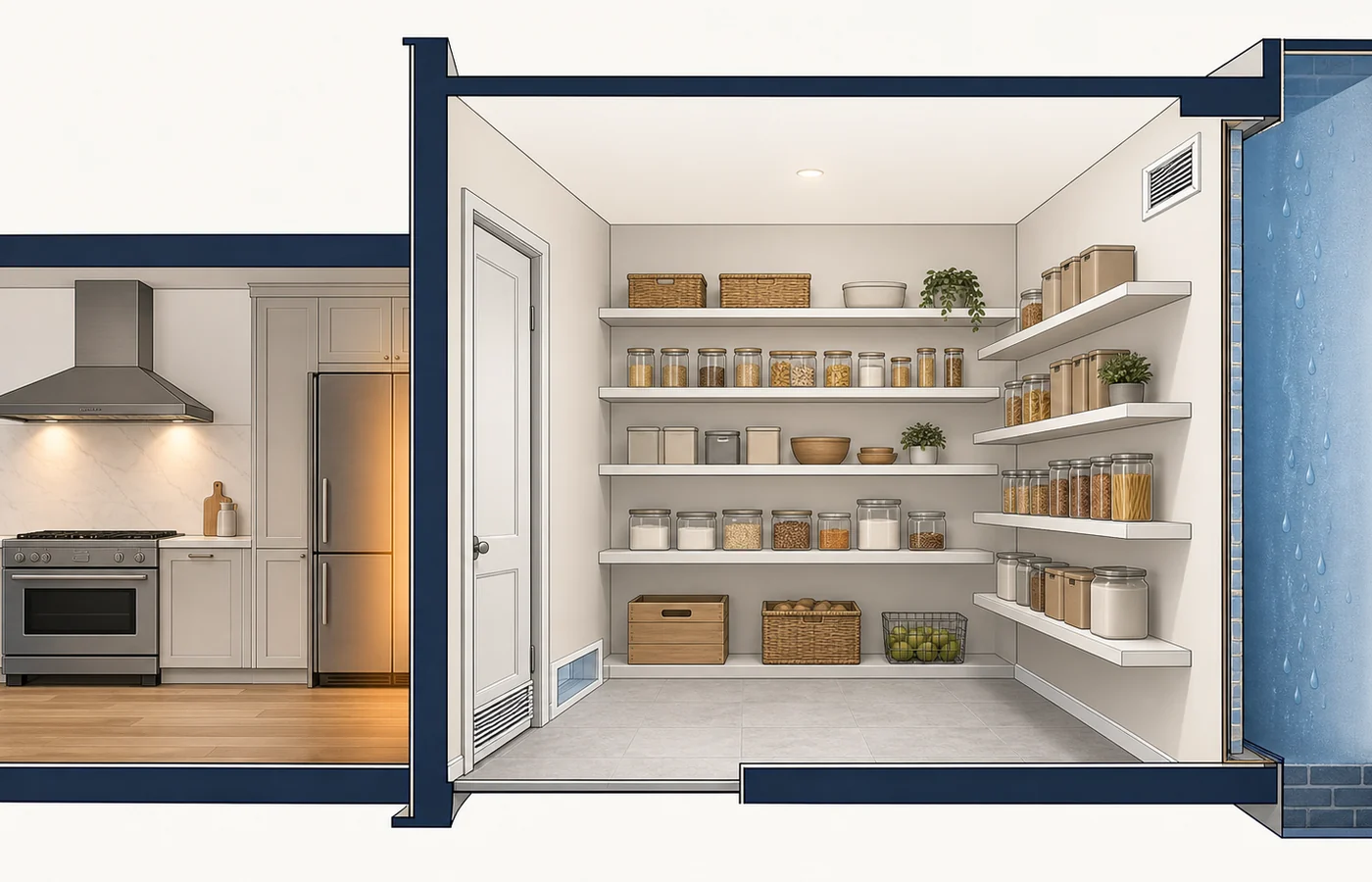
- Waste Management: Providing adequate facilities for the storage and disposal of waste, as well as promoting recycling and sustainable waste management practices.
Adhering to these regulations not only safeguards the well-being of occupants but also contributes to the long-term sustainability of the built environment. By staying informed and compliant, builders and homeowners in Aberdeen can ensure that their projects meet the necessary standards and contribute to a greener, more resilient future.
Cost Considerations: Balancing Affordability and Sustainability
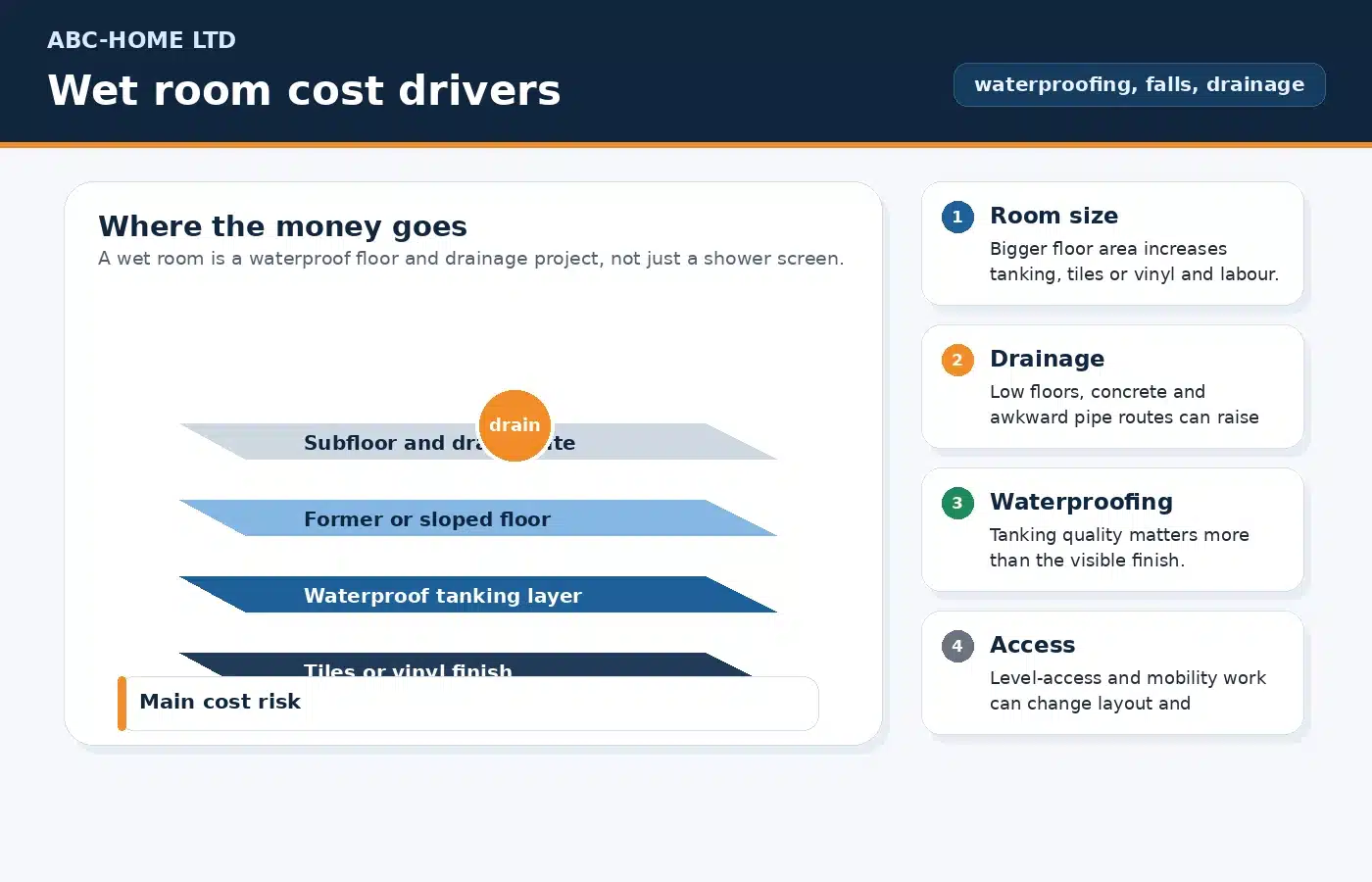
While the benefits of sustainable building practices are numerous, the initial costs can sometimes be a deterrent for homeowners and contractors. However, it’s essential to consider the long-term savings and environmental impact when evaluating the overall investment.
One of the most significant cost factors in sustainable construction is the selection of building materials. Traditional materials, such as concrete and steel, can have a high carbon footprint and require significant energy to produce. In contrast, eco-friendly alternatives like timber, recycled plastics, and natural insulation materials can offer a more cost-effective and sustainable solution.
To illustrate the potential cost differences, consider the following comparison:
| Material | Estimated Cost per Square Meter (GBP) |
|---|---|
| Concrete | £80 – £120 |
| Steel | £100 – £150 |
| Timber | £60 – £90 |
| Recycled Plastic | £40 – £70 |
| Natural Insulation (e.g., wool, hemp) | £30 – £50 |
While the initial investment in eco-friendly materials may be slightly higher, the long-term savings on energy bills, maintenance, and environmental impact can make a significant difference. Additionally, government incentives and tax rebates, such as the Energy Company Obligation (ECO) scheme, can help offset the upfront costs of sustainable retrofitting and new construction.
Furthermore, sustainable building practices often incorporate energy-efficient technologies, such as solar panels, heat pumps, and smart home systems, which can further reduce operating costs and carbon emissions. By taking a holistic approach to cost management and considering the lifecycle of a building, homeowners and contractors can find the right balance between affordability and sustainability.
Sustainable Building Practices: Embracing the Future
As the demand for eco-friendly construction continues to grow in Aberdeen, it’s essential for builders and homeowners to stay informed about the latest sustainable practices and technologies. From passive house design to the use of recycled materials, the industry is constantly evolving, and staying ahead of the curve can provide a competitive edge.
One innovative approach gaining traction in the UK is the use of modular construction, where buildings are constructed off-site using prefabricated components. This method not only reduces waste and construction time but also allows for greater precision and quality control. Additionally, modular construction often incorporates energy-efficient features, such as optimized insulation and airtight sealing, which can contribute to significant long-term savings on utility bills.
Another emerging trend is the integration of smart home technologies into sustainable building design. These systems, which include features like automated lighting, climate control, and water management, can help homeowners monitor and optimize their energy usage, further reducing their environmental impact and utility costs.
To ensure the success of sustainable building projects in Aberdeen, it’s crucial for industry professionals to collaborate and share best practices. Networking events, industry associations, and educational programs can provide valuable opportunities for builders, architects, and homeowners to stay informed about the latest developments and connect with like-minded individuals.
By embracing these sustainable building practices, the people of Aberdeen can play a vital role in shaping a greener, more resilient future for their city. Whether you’re a homeowner looking to renovate or a contractor seeking to expand your eco-friendly portfolio, the resources and expertise are available to help you navigate this exciting new chapter in the world of construction.
Navigating the Complexities of Building in the UK: A Comprehensive Guide
As the UK continues to prioritize sustainability and environmental responsibility, the construction industry has been a central focus for driving change. From strict building regulations to innovative eco-friendly technologies, the landscape of construction has undergone a significant transformation, presenting both challenges and opportunities for homeowners, contractors, and industry professionals alike.
In this comprehensive guide, we’ll explore the intricacies of building practices in the UK, with a specific focus on the vibrant city of Aberdeen. We’ll delve into the regulatory landscape, cost considerations, and the latest sustainable building trends, equipping you with the knowledge and insights to navigate the ever-evolving world of construction.
Regulatory Compliance: Ensuring Safety and Sustainability
At the heart of the UK’s construction industry lies a robust set of building regulations, designed to safeguard the well-being of occupants and the environment. In Aberdeen, these guidelines are particularly crucial, as the city continues to experience significant growth and development.
One of the key regulatory frameworks is the Building Regulations 2010, which outlines the minimum requirements for the design and construction of new buildings, as well as the renovation of existing ones. These regulations cover a wide range of areas, from energy efficiency and structural integrity to fire safety and accessibility.
Energy Efficiency: Homeowners and builders in Aberdeen must adhere to stringent energy efficiency standards, which include measures such as insulation, double-glazing, and the integration of renewable energy sources. By prioritizing energy efficiency, not only do these regulations help reduce a building’s carbon footprint, but they also contribute to lower utility bills for occupants.
Structural Integrity: Ensuring the structural stability and safety of a building is of paramount importance, especially in a region like Aberdeen, which can be susceptible to various environmental factors, such as wind, snow, and seismic activity. The regulations outline the necessary design and construction methods to safeguard the structural integrity of a building.
Fire Safety: Protecting lives in the event of a fire is a critical aspect of the UK’s building regulations. Builders in Aberdeen must implement fire-resistant materials, emergency exits, and smoke detection systems to meet the required standards and provide a safe haven for occupants.
Accessibility: In line with the UK’s commitment to inclusivity, the building regulations also address the need for accessible design. Structures in Aberdeen must be designed to accommodate individuals with disabilities, ensuring equal access and a barrier-free environment.
Waste Management: The regulations also tackle the issue of waste management, requiring builders to provide adequate facilities for the storage and disposal of waste, as well as promoting recycling and sustainable waste management practices.
Compliance with these regulations is not only a legal requirement but also a crucial step in creating a sustainable, future-proof built environment in Aberdeen. By staying informed and adhering to the latest guidelines, homeowners, contractors, and industry professionals can ensure that their projects meet the necessary standards and contribute to a greener, more resilient city.
Cost Considerations: Balancing Affordability and Sustainability
While the benefits of sustainable building practices are undeniable, the initial costs can sometimes be a deterrent for homeowners and contractors in Aberdeen. However, it’s essential to consider the long-term savings and environmental impact when evaluating the overall investment.
One of the most significant cost factors in sustainable construction is the selection of building materials. Traditional materials, such as concrete and steel, can have a high carbon footprint and require significant energy to produce. In contrast, eco-friendly alternatives like timber, recycled plastics, and natural insulation materials can offer a more cost-effective and sustainable solution.
To illustrate the potential cost differences, consider the following comparison:
| Material | Estimated Cost per Square Meter (GBP) |
|---|---|
| Concrete | £80 – £120 |
| Steel | £100 – £150 |
| Timber | £60 – £90 |
| Recycled Plastic | £40 – £70 |
| Natural Insulation (e.g., wool, hemp) | £30 – £50 |
While the initial investment in eco-friendly materials may be slightly higher, the long-term savings on energy bills, maintenance, and environmental impact can make a significant difference. Additionally, government incentives and tax rebates, such as the Energy Company Obligation (ECO) scheme, can help offset the upfront costs of sustainable retrofitting and new construction.
Furthermore, sustainable building practices often incorporate energy-efficient technologies, such as solar panels, heat pumps, and smart home systems, which can further reduce operating costs and carbon emissions. By taking a holistic approach to cost management and considering the lifecycle of a building, homeowners and contractors in Aberdeen can find the right balance between affordability and sustainability.
Sustainable Building Practices: Embracing the Future
As the demand for eco-friendly construction continues to grow in Aberdeen, it’s essential for builders and homeowners to stay informed about the latest sustainable practices and technologies. From passive house design to the use of recycled materials, the industry is constantly evolving, and staying ahead of the curve can provide a competitive edge.
One innovative approach gaining traction in the UK is the use of modular construction, where buildings are constructed off-site using prefabricated components. This method not only reduces waste and construction time but also allows for greater precision and quality control. Additionally, modular construction often incorporates energy-efficient features, such as optimized insulation and airtight sealing, which can contribute to significant long-term savings on utility bills.
Another emerging trend is the integration of smart home technologies into sustainable building design. These systems, which include features like automated lighting, climate control, and water management, can help homeowners in Aberdeen monitor and optimize their energy usage, further reducing their environmental impact and utility costs.
To ensure the success of sustainable building projects in Aberdeen, it’s crucial for industry professionals to collaborate and share best practices. Networking events, industry associations, and educational programs can provide valuable opportunities for builders, architects, and homeowners to stay informed about the latest developments and connect with like-minded individuals.
By embracing these sustainable building practices, the people of Aberdeen can play a vital role in shaping a greener, more resilient future for their city. Whether you’re a homeowner looking to renovate or a contractor seeking to expand your eco-friendly portfolio, the resources and expertise are available to help you navigate this exciting new chapter in the world of construction.
Remember, sustainable building is not just a trend, but a necessary step towards creating a more sustainable, livable, and economically viable future for our communities. By staying informed, compliant, and committed to innovation, we can transform the way we construct and maintain our built environment, leaving a lasting positive impact on the city of Aberdeen and the world around us.