Maximizing Natural Light and Seamless Indoor-Outdoor Transitions
In the bustling urban landscape of the United Kingdom, finding moments of tranquility and connection with nature has become increasingly important for homeowners. This demand has given rise to the growing trend of biophilic design – an approach that seeks to integrate natural elements into our built environments, creating spaces that not only look beautiful but also promote well-being and harmony.
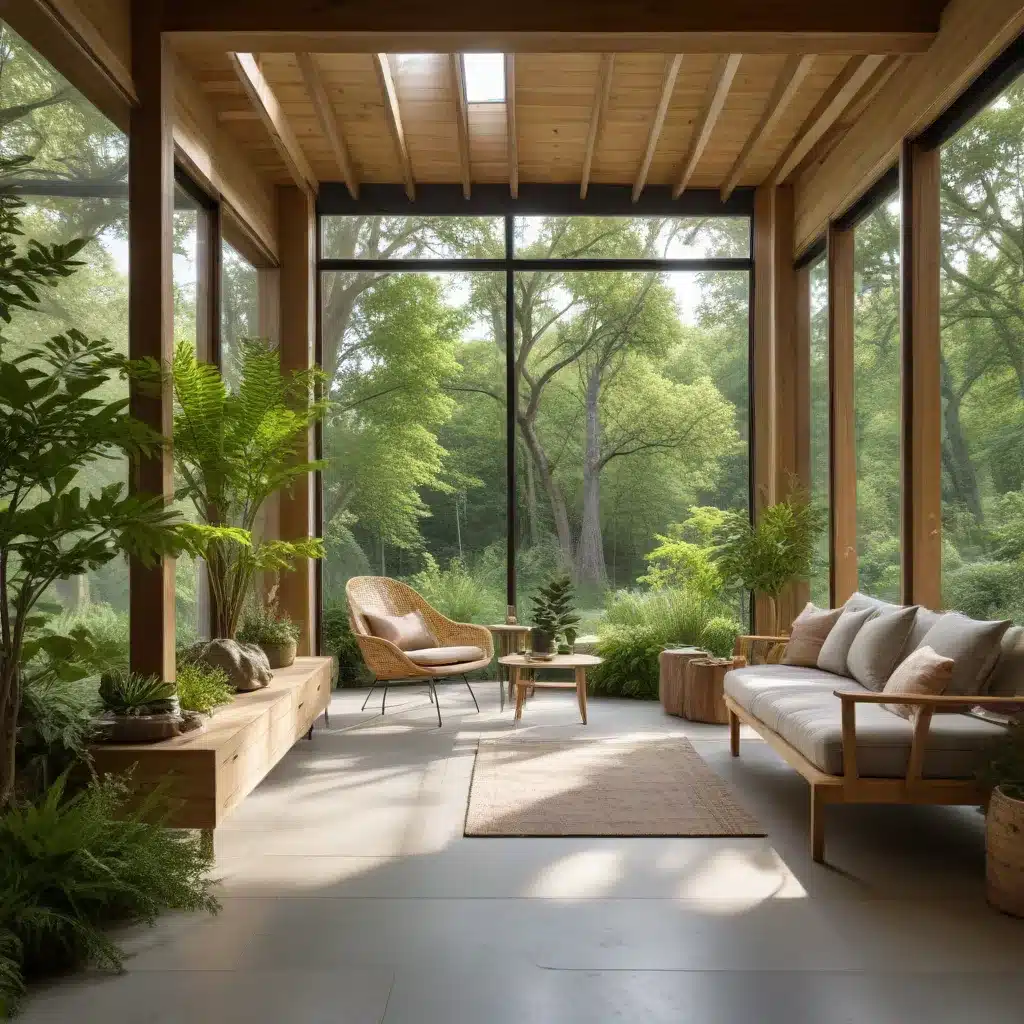
As we navigate the ever-evolving world of home design, it’s crucial to understand the principles of biophilic design and how they can be applied to enhance the living experiences of UK homeowners. One of the core tenets of this design philosophy is maximizing access to natural light. Sunlight not only illuminates our spaces but also has a profound impact on our mood and overall well-being. When searching for a new home, homebuyers in the UK should prioritize properties with open floor plans, large windows, skylights, and glass doors, as these features can effectively blur the boundaries between indoor and outdoor spaces.
By incorporating these design elements, homeowners can create bright and inviting spaces that seamlessly connect the interior of their homes to the surrounding landscape. This seamless transition between the indoors and outdoors is a hallmark of biophilic design, as it helps to foster a deeper connection with nature and promote a sense of tranquility within the home.
Bringing the Outdoors In with Indoor Gardens and Natural Materials
Another key aspect of biophilic design is the integration of indoor gardens and natural elements. Incorporating lush greenery, cascading water features, and organic materials like wood and stone can transform a living space into a verdant oasis. Whether it’s a small herb garden in the kitchen, a vertical green wall in the living room, or a tranquil zen garden in the courtyard, these natural elements not only add visual interest but also improve air quality and reduce stress – both crucial benefits for UK homeowners looking to create a restorative and rejuvenating living environment.
When it comes to selecting materials for a biophilic home design, the focus should be on natural and sustainable options. In the UK, homeowners can explore a variety of eco-friendly building materials, such as:
| Material | Advantages |
|---|---|
| Reclaimed Wood | Reduces waste, adds unique character, and supports circular economy |
| Natural Stone | Durable, timeless aesthetic, and minimal environmental impact |
| Bamboo | Rapidly renewable, durable, and biodegradable |
| Hemp Insulation | Excellent thermal and acoustic properties, and naturally fire-resistant |
By incorporating these natural materials into their homes, UK homeowners can not only enhance the visual appeal of their living spaces but also contribute to a more sustainable built environment.
Embracing Biophilic Design: Regulatory Compliance and Cost Considerations
As with any home improvement or construction project in the UK, it’s essential to comply with the relevant building regulations and standards. When implementing biophilic design strategies, homeowners must ensure that their plans adhere to the requirements set forth by local authorities and national bodies, such as the Building Regulations 2010 and the UK Green Building Council.
These regulations cover a wide range of areas, including:
- Energy Efficiency: Ensuring that the home’s energy performance meets or exceeds the minimum standards set by the UK government.
- Structural Integrity: Verifying that the building’s structure, including any additions or modifications, is sound and safe.
- Fire Safety: Ensuring that the home’s fire safety features, such as fire alarms and emergency exits, are properly installed and maintained.
- Accessibility: Ensuring that the home’s design is inclusive and accommodates the needs of all occupants, including those with disabilities.
In addition to regulatory compliance, homeowners must also consider the cost implications of implementing biophilic design elements. While the initial investment may be higher, many of the sustainable materials and technologies used in biophilic design can provide long-term cost savings through improved energy efficiency, reduced maintenance, and increased property value.
According to a recent report by the UK Green Building Council, the average cost of implementing biophilic design strategies in a new-build home in the UK ranges from £5,000 to £15,000, depending on the scope and scale of the project. For homeowners undertaking renovations or retrofits, the costs can vary widely depending on the existing conditions of the property and the desired level of integration.
To help offset these costs, UK homeowners may be eligible for various government incentives and tax credits, such as the Green Homes Grant, which provides up to £10,000 in funding for energy-efficient home improvements. By taking advantage of these financial support mechanisms, homeowners can make the transition to biophilic design more accessible and cost-effective.
Cultivating a Biophilic Mindset: Benefits for Health and Wellbeing
Beyond the aesthetic and environmental benefits, embracing biophilic design can also have a profound impact on the health and well-being of UK homeowners. Numerous studies have shown that exposure to natural elements, such as plants, natural light, and outdoor views, can reduce stress, improve cognitive function, and even boost immune system function.
In a world increasingly dominated by digital screens and urban sprawl, the integration of biophilic design elements can provide a much-needed respite, fostering a sense of connection and harmony within the home. This connection to nature has been shown to have a calming effect, lowering blood pressure, heart rate, and cortisol levels – all of which are important for maintaining physical and mental health.
Furthermore, the improved air quality associated with biophilic design can have a positive impact on respiratory health, especially in urban areas where pollution levels can be high. By incorporating plants and natural ventilation strategies, homeowners can create a healthier and more rejuvenating living environment.
Embracing the Future: Sustainable and Resilient Biophilic Design
As the UK continues to grapple with the challenges of climate change and resource scarcity, the principles of biophilic design have become increasingly relevant and important. By integrating sustainable building practices and energy-efficient technologies into their biophilic design strategies, UK homeowners can future-proof their homes and contribute to a more sustainable built environment.
One such approach is the use of living walls – vertical garden systems that not only add visual interest but also improve air quality, reduce urban heat island effects, and promote biodiversity. These living walls can be incorporated into new-build homes or retrofitted into existing structures, providing a multifunctional and eco-friendly solution for UK homeowners.
Another innovative biophilic design element is the integration of rainwater harvesting and greywater recycling systems. By capturing and repurposing water from sinks, showers, and washing machines, homeowners can reduce their reliance on mains water** and contribute to a more circular, water-efficient home.
By embracing these sustainable design strategies, UK homeowners can not only enhance the visual appeal and well-being of their homes but also play a crucial role in building a more resilient future for their local communities and the environment as a whole.
Conclusion: Bringing the Beauty of Nature into UK Homes
As the demand for more harmonious and restorative living environments continues to grow in the UK, the principles of biophilic design offer a compelling solution. By integrating natural elements, maximizing natural light, and creating seamless indoor-outdoor transitions, homeowners can transform their living spaces into verdant sanctuaries that nourish the mind, body, and spirit.
Compliance with UK building regulations and cost management are essential considerations when implementing biophilic design strategies, but the long-term benefits – both for the homeowner and the environment – make it a worthwhile investment. Through the incorporation of sustainable materials, energy-efficient technologies, and nature-inspired features, UK homeowners can create homes that not only look beautiful but also promote overall well-being and contribute to a more sustainable future.
Ultimately, the embrace of biophilic design represents a shift towards a more harmonious and resilient built environment – one that recognizes the profound importance of our connection to the natural world. By bringing the outdoors in, UK homeowners can cultivate a sense of calm, rejuvenation, and belonging within the walls of their homes, setting the stage for a healthier, more sustainable, and more fulfilling way of living.
To learn more about implementing biophilic design strategies in your UK home, visit ABC Home – a leading provider of sustainable building solutions and design expertise.