
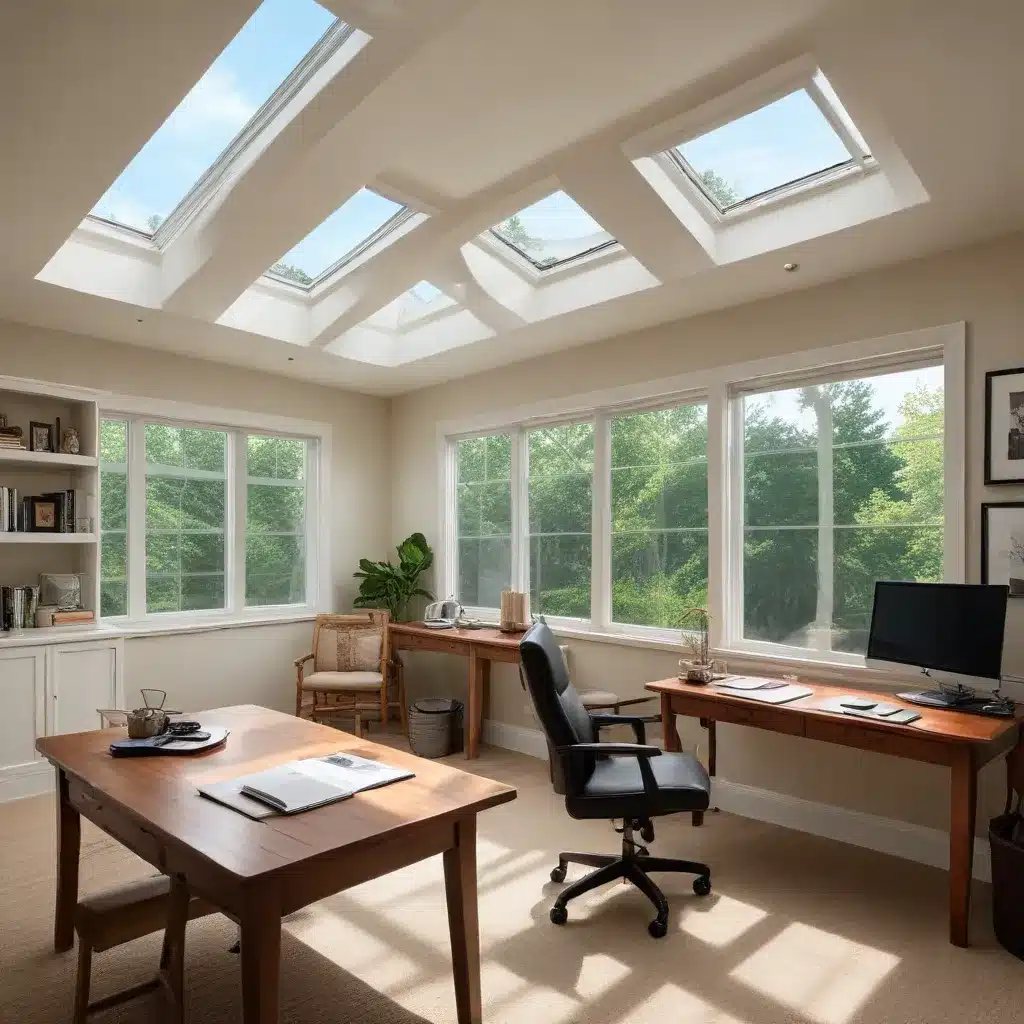
Optimizing Daylight: A Holistic Approach to Home Design
As homeowners in the UK increasingly prioritize energy efficiency and sustainable living, the importance of maximizing natural light in residential spaces has become a key consideration. Harnessing the power of daylight not only enhances the visual appeal of a home but also offers a host of practical benefits, from improved occupant well-being to reduced energy consumption. In this comprehensive guide, we’ll delve into the UK’s regulatory framework, cost-effective strategies, and innovative building practices that can help you transform your home office or any other living space by leveraging the abundant natural light available in the region.
Compliance with UK Building Regulations
When it comes to incorporating natural light-enhancing features, such as skylights or large windows, homeowners in the UK must navigate a complex regulatory landscape. The Building Regulations 2010 and their subsequent amendments outline the legal requirements for various aspects of construction, including the provision of adequate daylight and ventilation.
Approved Document L of the Building Regulations specifically addresses the energy efficiency of buildings, with provisions that impact the design and installation of natural lighting solutions. This document stipulates that the overall glazed area of a dwelling must not exceed 25% of the total floor area, ensuring a balance between thermal performance and daylight accessibility.
Additionally, Approved Document F outlines the ventilation requirements for UK homes, emphasizing the importance of proper air circulation to maintain indoor air quality. Homeowners must ensure that any natural light-enhancing features, such as operable skylights or windows, are integrated with the building’s ventilation system to comply with these regulations.
To further support sustainable construction practices, the UK government has introduced the Future Homes Standard, which aims to reduce carbon emissions from new homes by at least 75% by 2025. This standard prioritizes the use of energy-efficient technologies, including high-performance glazing and solar-powered ventilation systems, that can be seamlessly incorporated with natural lighting solutions.
By understanding and adhering to these regulatory frameworks, homeowners in the UK can not only ensure the safety and legality of their natural lighting projects but also contribute to the broader goal of creating a more energy-efficient and environmentally conscious built environment.
Cost-Effective Strategies for Maximizing Natural Light
Enhancing natural light in residential spaces doesn’t have to break the bank. In fact, there are several cost-effective strategies that UK homeowners can implement to harness the power of daylight without compromising their budget.
1. Strategic Window Placement and Sizing
One of the most effective ways to increase natural light is through the strategic placement and sizing of windows. By positioning windows to capture the sun’s path throughout the day and maximizing the glazed area, homeowners can significantly improve the brightness and overall illumination of their living spaces. While the UK’s Building Regulations limit the total glazed area, judicious placement and sizing of windows can still yield substantial benefits without exceeding the prescribed limits.
2. Incorporating Skylights and Roof Windows
Skylights and roof windows are a popular choice for homeowners seeking to enhance natural light, as they allow sunlight to flood directly into the interior. These solutions are particularly well-suited for rooms with limited wall space, such as attics, stairwells, or interior corridors. When selecting skylights or roof windows, it’s crucial to consider the size, placement, and energy-efficient specifications to comply with UK regulations and maximize the cost-effectiveness of the investment.
3. Reflective Surfaces and Light-Colored Finishes
The strategic use of reflective surfaces and light-colored finishes can play a pivotal role in amplifying the effects of natural light. By incorporating light-colored walls, ceilings, and furnishings, homeowners can create a brighter, more luminous environment that reduces the need for artificial lighting during the day. Additionally, the use of mirrors and other reflective elements can help to distribute the available natural light more effectively throughout the space.
4. Smart Glazing and Energy-Efficient Windows
Advancements in glazing technology have made it possible for homeowners to enjoy the benefits of natural light while also improving the overall energy efficiency of their homes. Double-glazed or triple-glazed windows with low-emissivity (low-E) coatings can help to retain heat in the winter and reduce heat gain in the summer, ultimately lowering energy costs and contributing to a more sustainable living environment.
5. Passive Solar Design Principles
Incorporating passive solar design principles can be a cost-effective way to harness the power of natural light while also optimizing the thermal performance of a home. This approach involves strategically positioning windows, using thermal mass materials, and incorporating shading devices to capture the sun’s energy during the colder months and provide natural cooling during the warmer periods.
By leveraging these cost-effective strategies, UK homeowners can create bright, energy-efficient living spaces that not only enhance their well-being but also contribute to the broader sustainability goals outlined in the country’s building regulations.
Sustainable Building Practices for Natural Lighting
Beyond the regulatory compliance and cost-effective strategies, the UK’s construction industry has also witnessed a growing emphasis on sustainable building practices that prioritize the integration of natural lighting solutions. These innovative approaches not only address the environmental concerns but also offer long-term benefits for homeowners in terms of energy savings, improved indoor air quality, and enhanced occupant comfort.
Energy-Efficient Skylights and Windows
Advancements in glazing technology have led to the development of energy-efficient skylights and windows that can significantly improve the thermal performance of a home. These cutting-edge solutions feature high-performance insulation, low-E coatings, and advanced sealing mechanisms to minimize heat transfer and reduce energy consumption.
Case Study: The Greener Homes Initiative
The UK government’s Greener Homes Initiative is a prime example of the country’s commitment to sustainable building practices. This program provides incentives and grants for homeowners who install energy-efficient windows, doors, and skylights that meet stringent performance standards. By encouraging the adoption of these eco-friendly solutions, the initiative aims to reduce carbon emissions and support the UK’s transition towards a more sustainable built environment.
Solar-Powered Ventilation and Automation
The integration of solar-powered ventilation systems with natural lighting solutions is another sustainable building practice gaining traction in the UK. These systems harness the power of the sun to operate skylights, roof windows, or exhaust fans, reducing the reliance on grid-supplied electricity and further enhancing the energy efficiency of the home.
Additionally, the incorporation of automation and smart home technologies can unlock even greater benefits. Homeowners can now control and program their natural lighting and ventilation systems to optimize daylight harvesting, improve indoor air quality, and adapt to changing weather conditions, all while minimizing manual intervention.
Case Study: The Eco-Friendly Retrofit
A recent project in Aberdeen, Scotland, showcases the potential of sustainable building practices for natural lighting. A homeowner undertook a comprehensive eco-friendly retrofit, which included the installation of solar-powered skylights and a smart home automation system. The result was a significant reduction in energy consumption, improved indoor air quality, and a brighter, more comfortable living environment that exceeded the UK’s energy efficiency standards.
Biophilic Design Principles
The concept of biophilic design, which emphasizes the integration of nature-inspired elements into the built environment, has gained considerable traction in the UK’s construction industry. Incorporating biophilic design principles, such as the use of natural materials, organic shapes, and dynamic lighting patterns, can enhance the connection between the indoor and outdoor environments, ultimately improving occupant well-being and mental health.
Case Study: The Vault House, Aberdeen
The Vault House in Aberdeen, designed by a local architecture firm, is a prime example of biophilic design principles in action. The home features a carefully curated arrangement of skylights and roof windows that flood the interior with natural light, creating a sense of harmony between the built and natural worlds. The resulting spaces are not only visually appealing but also promote occupant well-being through the integration of these nature-inspired elements.
By embracing sustainable building practices that prioritize energy efficiency, automation, and biophilic design, UK homeowners can create living spaces that not only comply with regulatory requirements but also offer long-term benefits in terms of cost savings, environmental impact, and overall occupant satisfaction.
Conclusion
As the UK continues to lead the charge in sustainable construction and energy-efficient building practices, the integration of natural lighting solutions has become an integral part of the equation. By understanding the regulatory landscape, exploring cost-effective strategies, and adopting innovative sustainable building techniques, homeowners in the UK can transform their living spaces into bright, healthy, and energy-efficient havens that enhance their well-being and contribute to a more sustainable future.
To learn more about harnessing natural light and incorporating other energy-efficient features into your home, visit abc-home.co.uk, a comprehensive resource for building practices, construction, and home improvement in the UK.


