UK Building Regulations and Compliance
When it comes to building and construction in the UK, following the appropriate regulations is of utmost importance. The Building Regulations 2010, as amended, outline the minimum standards for the design, construction, and alteration of buildings to ensure the safety, health, and well-being of occupants. In Aberdeen, these regulations are particularly crucial, given the city’s harsh climate and the need for energy-efficient, resilient structures.
One of the primary focuses of the UK Building Regulations is ensuring the structural integrity and fire safety of buildings. This includes requirements for the use of appropriate materials, load-bearing capacities, and emergency evacuation systems. Compliance with these regulations not only protects the lives of building occupants but also safeguards property and minimizes the risk of costly repairs or legal issues down the line.
Equally important is the energy efficiency of buildings. The Regulations set out standards for insulation, ventilation, and the use of energy-saving technologies, such as low-emission windows and energy-efficient heating systems. By adhering to these guidelines, builders in Aberdeen can help their clients reduce energy consumption and associated costs, while also contributing to the city’s broader sustainability goals.
Accessibility is another key consideration in the UK Building Regulations. Provisions are made for people with disabilities, ensuring that buildings are designed to be inclusive and accommodate the needs of all users. This includes requirements for accessible entrances, circulation spaces, and amenities, which can enhance the overall user experience and promote social inclusion.
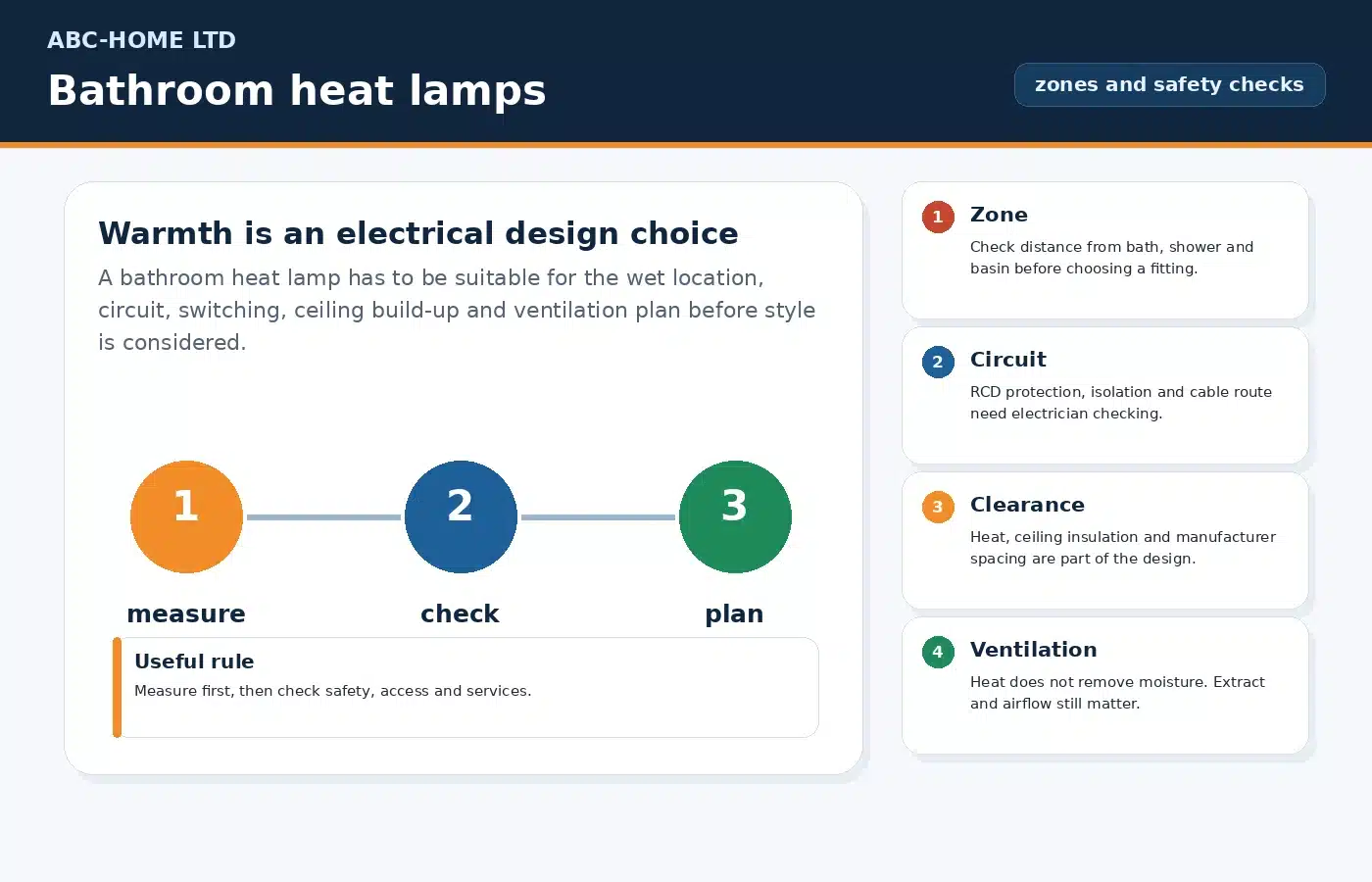
Navigating the complex web of UK Building Regulations can be a daunting task for builders and contractors. However, staying up-to-date with the latest updates and seeking guidance from regulatory bodies, such as the Ministry of Housing, Communities and Local Government, can help ensure compliance and avoid costly mistakes.
Cost Management Strategies for Sustainable Building
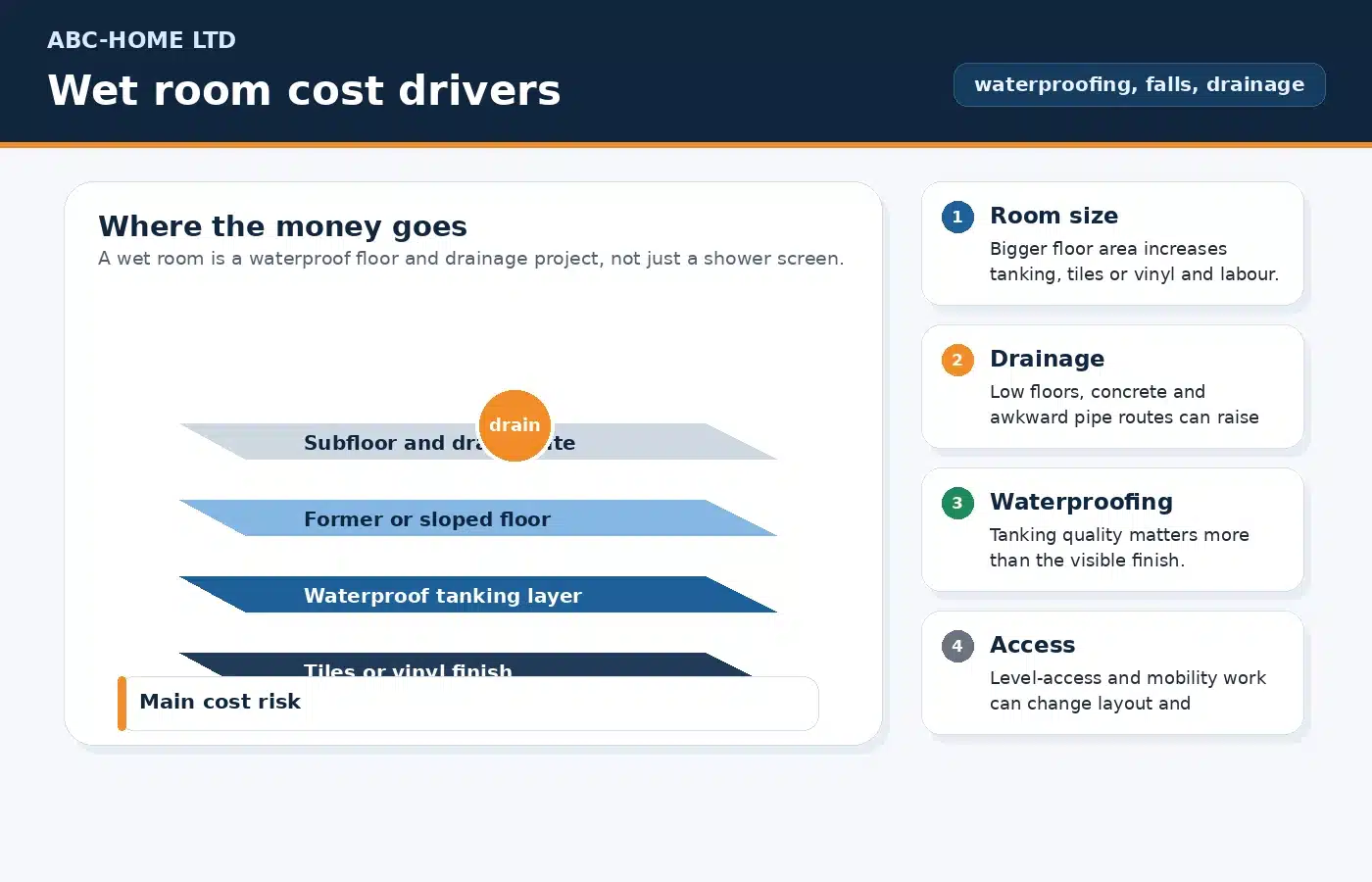
One of the significant challenges faced by builders and homeowners in Aberdeen is the cost of construction and maintenance. With the city’s harsh climate and the need for energy-efficient design, the initial investment in a building project can be substantial. However, by employing cost management strategies and sustainable building practices, it is possible to achieve long-term cost savings and environmental benefits.
Material Selection and Sourcing
The choice of building materials can have a significant impact on the overall cost of a project. In Aberdeen, where the climate can be demanding, it is essential to select materials that are durable, weatherproof, and energy-efficient. This may include the use of high-performance insulation, low-emissivity glazing, and sustainable timber products. By sourcing these materials locally, builders can also reduce transportation costs and support the regional economy.
Energy-Efficient Design
Incorporating energy-efficient design features can have a substantial impact on the long-term running costs of a building. This may include the use of passive solar design principles, such as strategic window placement and orientation, to reduce the need for artificial heating and cooling. Additionally, the installation of renewable energy technologies, such as solar photovoltaic panels or ground-source heat pumps, can significantly lower energy bills and contribute to the building’s overall sustainability.
Whole-Life Costing
When evaluating the cost-effectiveness of a building project, it is essential to consider the whole-life costs, including the initial construction, ongoing maintenance, and end-of-life disposal or recycling. By taking a holistic approach, builders and homeowners can make more informed decisions that prioritize long-term value over short-term savings.
Collaboration and Economies of Scale
Collaborating with other builders or developers in the Aberdeen region can help unlock economies of scale, allowing for bulk purchasing of materials and the sharing of resources. This can lead to significant cost savings, particularly for smaller-scale projects. Additionally, working closely with local authorities and regulatory bodies can provide access to funding schemes, tax incentives, or other financial support mechanisms that can further offset the initial investment.
Maintenance and Lifecycle Planning
Developing a comprehensive maintenance and lifecycle plan for a building can help ensure its longevity and prevent costly repairs or replacements down the line. This may include regularly scheduled inspections, preventative maintenance, and the use of durable, low-maintenance materials. By proactively managing the building’s lifecycle, owners can maximize their investment and minimize the environmental impact of premature building replacements.
By adopting a strategic, cost-conscious approach to sustainable building practices, builders and homeowners in Aberdeen can create resilient, energy-efficient structures that not only meet regulatory requirements but also provide long-term financial and environmental benefits.
Sustainable Building Practices in Aberdeen
As the UK continues to prioritize sustainability and environmental responsibility, the construction industry has a crucial role to play in reducing its carbon footprint and promoting eco-friendly building practices. In Aberdeen, where the climate can be challenging, adopting sustainable building methods is particularly important to ensure the long-term resilience and energy efficiency of structures.
Passive Design Strategies
One of the cornerstones of sustainable building in Aberdeen is the use of passive design strategies. This involves optimizing the building’s orientation, window placement, and insulation to harness natural resources, such as sunlight and wind, to reduce the need for artificial heating, cooling, and lighting. By incorporating passive design principles, builders can significantly improve the energy efficiency of a building and lower its ongoing operational costs.
Renewable Energy Technologies
The integration of renewable energy technologies, such as solar photovoltaic panels, ground-source heat pumps, and wind turbines, is another crucial aspect of sustainable building in Aberdeen. These systems can generate clean, renewable electricity and provide low-carbon heating and cooling solutions, reducing the building’s reliance on fossil fuels and contributing to the city’s broader sustainability goals.
Water Conservation and Management
Water conservation is another important consideration in Aberdeen, where the climate can be particularly dry. Sustainable building practices in this area may include the installation of water-efficient fixtures, the use of greywater recycling systems, and the incorporation of rainwater harvesting techniques. These measures can help reduce the building’s overall water consumption and minimize the strain on local water resources.
Waste Reduction and Recycling
The construction process itself can generate a significant amount of waste, which can have a detrimental impact on the environment. Sustainable building practices in Aberdeen focus on minimizing waste through careful planning, the use of modular or prefabricated components, and the implementation of on-site recycling and waste management strategies. This not only reduces the environmental impact but can also lead to cost savings by diverting materials from landfill.
Indoor Environmental Quality
Ensuring a healthy and comfortable indoor environment is a crucial aspect of sustainable building in Aberdeen. This includes the use of low-emission materials, effective ventilation systems, and the incorporation of natural lighting and views to promote occupant well-being. By prioritizing indoor environmental quality, builders can create buildings that are not only energy-efficient but also provide a high level of comfort and wellness for their occupants.
Whole-Life Cycle Approach
A holistic, whole-life cycle approach is essential for achieving true sustainability in building projects in Aberdeen. This involves considering the environmental impact of a building throughout its entire lifespan, from the extraction and manufacture of materials to the eventual demolition and disposal or recycling of components. By adopting this perspective, builders can make more informed decisions that minimize the building’s carbon footprint and maximize its long-term viability.
By embracing these sustainable building practices, the construction industry in Aberdeen can play a pivotal role in creating a more eco-friendly and resilient built environment, while also meeting the evolving needs and expectations of homeowners, regulatory bodies, and the broader community.
Conclusion
Navigating the complex world of building regulations, cost management, and sustainable practices is essential for builders and homeowners in Aberdeen. By prioritizing compliance with UK building regulations, employing cost-effective strategies, and adopting sustainable building methods, the construction industry in the city can create resilient, energy-efficient structures that not only meet the needs of their occupants but also contribute to the broader sustainability goals of the region.
As the industry continues to evolve, staying up-to-date with the latest regulations, technologies, and best practices will be crucial. Builders and homeowners in Aberdeen should explore the resources available through the ABC Home website and engage with local regulatory bodies and industry organizations to ensure they are well-informed and equipped to tackle the challenges of modern construction.
By embracing a holistic, sustainable approach to building, the construction industry in Aberdeen can play a pivotal role in shaping a more environmentally responsible and cost-effective built environment, ultimately contributing to the long-term well-being and prosperity of the city and its residents.