Navigating UK Building Regulations for Sustainable Renovations
As the UK continues its push towards a more energy-efficient and environmentally-friendly built environment, the focus on sustainable building practices has never been more crucial. Whether you’re a homeowner, a contractor, or a property developer in the Aberdeen area, understanding the latest regulations, cost-effective strategies, and innovative technologies can be the key to unlocking successful and compliant renovation projects.
In this comprehensive guide, we’ll delve into the intricacies of UK building regulations, explore cost-efficient methods for improving energy efficiency, and highlight the benefits of adopting sustainable building practices. By the end of this article, you’ll be equipped with the knowledge and insights to navigate the ever-evolving landscape of construction and home improvement in the UK, while ensuring your projects meet the stringent requirements set forth by governing bodies.
Staying Ahead of UK Building Regulations
The UK’s building regulations are constantly evolving to keep pace with the changing environmental landscape and the push for more energy-efficient and sustainable homes. As a starting point, it’s crucial to familiarize yourself with the latest updates to the Building Regulations 2010 and the accompanying Approved Documents, which outline the specific requirements and standards that must be met for various aspects of construction and renovation.
Energy Efficiency and Thermal Performance
One of the key areas of focus within the UK building regulations is the improvement of energy efficiency and thermal performance. The Approved Document L outlines the energy efficiency requirements for both new builds and existing buildings undergoing renovation. This includes standards for insulation, airtightness, heating systems, and the use of renewable energy sources.
Indoor Air Quality and Ventilation
Ensuring adequate indoor air quality and proper ventilation is another crucial aspect of UK building regulations. The Approved Document F addresses the requirements for mechanical ventilation, natural ventilation, and the control of indoor pollutants, all of which are essential for the health and wellbeing of building occupants.
Accessibility and Inclusive Design
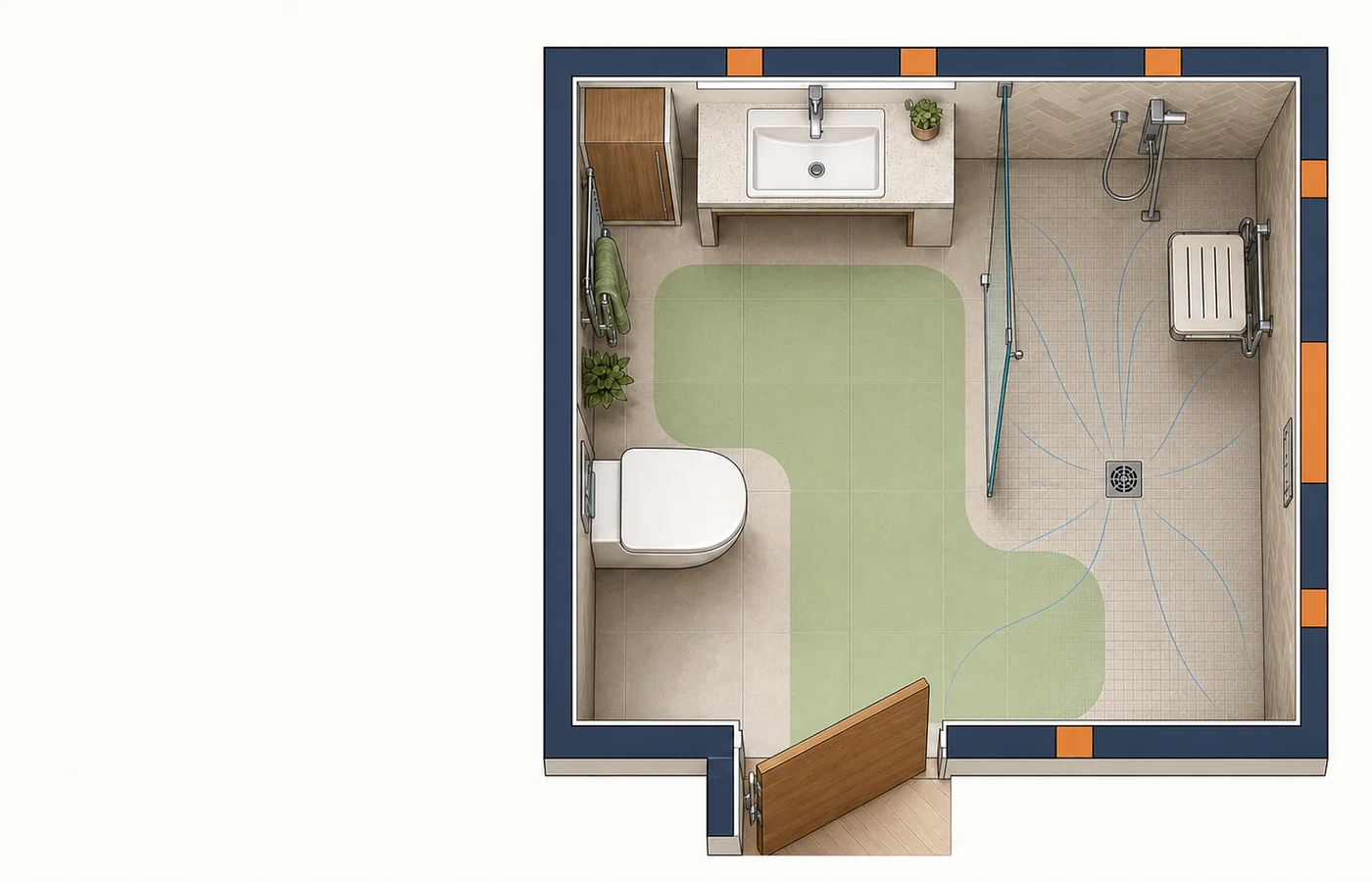
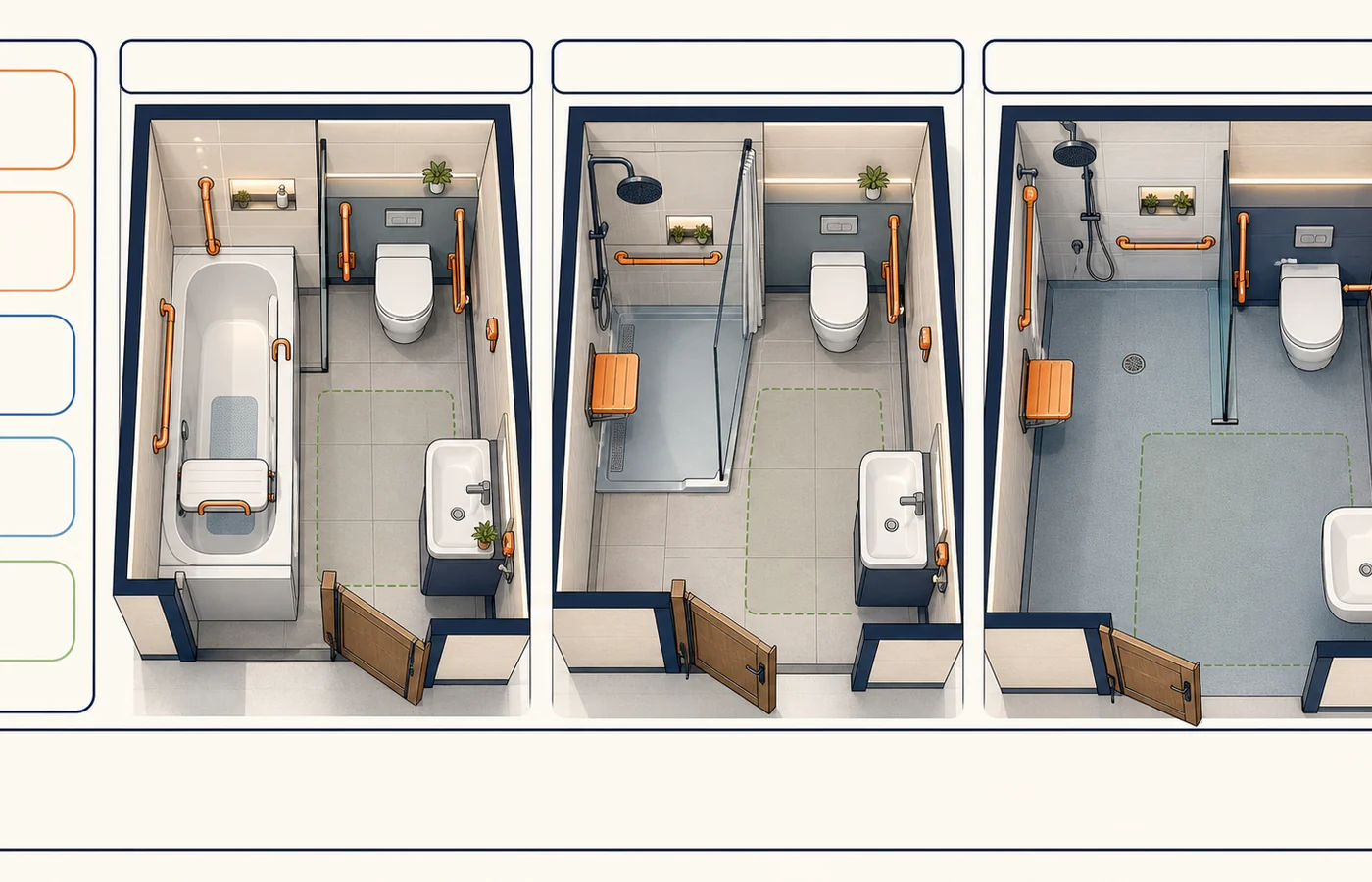
In addition to energy efficiency and indoor air quality, the UK building regulations also prioritize accessibility and inclusive design. The Approved Document M outlines the specifications for accessible and adaptable dwellings, ensuring that buildings are designed to accommodate the needs of all users, including those with disabilities or mobility challenges.
Compliance and Enforcement
Ensuring compliance with UK building regulations is not only a legal requirement but also a crucial aspect of responsible and sustainable construction practices. Local authorities, through the Building Control service, are responsible for enforcing these regulations and can issue fines or even stop work on non-compliant projects.
To stay ahead of the curve and avoid costly pitfalls, it’s essential to stay informed about the latest updates to the UK building regulations and work closely with local authorities, building professionals, and specialist consultants throughout the planning and execution of your renovation projects.
Strategies for Energy-Efficient Renovations
As the focus on sustainability and energy efficiency continues to grow, homeowners and property owners in the UK are increasingly exploring ways to improve the environmental performance of their buildings. One of the most effective approaches is to undertake strategic renovations that target key areas of energy consumption and thermal performance.
Improving Insulation
Upgrading the insulation in walls, roofs, and floors is one of the most impactful actions you can take to enhance a building’s energy efficiency. By selecting high-quality insulation materials, you can significantly reduce heat loss and improve the overall thermal performance of the structure, leading to lower energy bills and a smaller carbon footprint.
Upgrading Windows and Doors
Replacing old, inefficient windows and doors with modern, energy-efficient alternatives can have a significant impact on a building’s energy performance. Double-glazed or triple-glazed windows, combined with high-performance seals and frames, can dramatically improve a building’s thermal efficiency and reduce the need for heating and cooling.
Optimizing Heating and Cooling Systems
Outdated or inefficient heating and cooling systems can be a major drain on a building’s energy consumption. Upgrading to more energy-efficient technologies, such as heat pumps, condensing boilers, or even renewable energy solutions like solar panels, can significantly lower energy costs and reduce greenhouse gas emissions.
Enhancing Airtightness
Improving the airtightness of a building can also contribute to its overall energy efficiency. By sealing any gaps and cracks, you can minimize uncontrolled air leakage, which can lead to heat loss and drafts. This can be achieved through careful attention to detail during the renovation process, as well as the use of specialized sealants and membranes.
Incorporating Renewable Energy
The integration of renewable energy sources, such as solar photovoltaic (PV) systems or ground-source heat pumps, can greatly enhance the sustainability of a building and reduce its reliance on fossil fuels. These technologies not only lower energy costs but also contribute to the UK’s broader goals of decarbonizing the built environment.
By combining these energy-efficient strategies, homeowners and property owners in the UK can unlock significant cost savings, reduce their environmental impact, and create more comfortable and livable spaces.
Cost Considerations and Funding Opportunities
While the benefits of sustainable building practices are clear, the upfront costs associated with energy-efficient renovations can be a significant barrier for many property owners. However, it’s essential to consider the long-term savings and the potential for funding opportunities that can offset these initial investments.
Estimating Renovation Costs
The cost of energy-efficient renovations can vary widely depending on the scope of the project, the size of the property, and the specific technologies or materials used. As a general guideline, the table below provides a rough estimate of the costs associated with common renovation strategies in the UK:
| Renovation Strategy | Estimated Cost (GBP) |
|---|---|
| Improving Insulation (Walls, Roof, Floor) | £5,000 – £15,000 |
| Upgrading Windows and Doors | £3,000 – £10,000 |
| Optimizing Heating and Cooling Systems | £4,000 – £12,000 |
| Enhancing Airtightness | £1,000 – £5,000 |
| Incorporating Renewable Energy (Solar PV) | £6,000 – £15,000 |
Funding Opportunities and Incentives
To help offset the upfront costs of sustainable renovations, there are several funding opportunities and incentives available in the UK:
-
Residential Energy Efficiency Grants: The UK government offers various grants and schemes, such as the Local Authority Delivery (LAD) scheme and the Social Housing Decarbonisation Fund (SHDF), to support energy-efficient home improvements for eligible homeowners and social housing providers.
-
Green Mortgages: Some lenders in the UK offer “green mortgages” that provide more favorable terms, such as lower interest rates or higher loan-to-value ratios, for homes that meet certain energy-efficiency standards.
-
Tax Incentives: Homeowners in the UK may be eligible for tax credits or deductions when undertaking energy-efficient renovations, such as the installation of renewable energy systems or the implementation of certain insulation measures.
-
Third-Party Financing: Organizations like the Green Investment Bank and other financial institutions offer specialized financing solutions, such as low-interest loans or on-bill financing, to support the uptake of energy-efficient technologies and sustainable building practices.
By exploring these funding opportunities and incorporating cost-effective renovation strategies, property owners in the UK can unlock significant long-term savings and contribute to the country’s broader goals of reducing energy consumption and carbon emissions in the built environment.
Embracing Sustainable Building Practices
Beyond complying with the UK’s building regulations and implementing energy-efficient renovations, there is a growing emphasis on embracing more holistic, sustainable building practices. These approaches not only enhance the environmental performance of buildings but also prioritize the health and well-being of occupants, as well as the long-term resilience of the built environment.
Circular Economy Principles
Embracing the principles of a circular economy, where waste is minimized, and materials are reused or recycled, is becoming increasingly important in the UK construction industry. This can involve the use of sustainable, low-impact building materials, the repurposing of existing structures, and the implementation of end-of-life management strategies for building components.
Biophilic Design
Biophilic design, which integrates natural elements and ecosystems into the built environment, is another sustainable approach gaining traction in the UK. By incorporating features like green walls, living roofs, and natural daylighting, buildings can foster a stronger connection between occupants and the natural world, improving mental well-being and enhancing the overall quality of the indoor environment.
Climate Resilience and Adaptation
As the impacts of climate change become more pronounced, the need for buildings that are resilient and adaptable to changing environmental conditions is paramount. Sustainable building practices in the UK often incorporate strategies to mitigate the risks of extreme weather events, such as flooding, heatwaves, and droughts, ensuring the long-term viability and safety of the built environment.
Occupant Health and Wellbeing
Sustainable building practices also place a greater emphasis on the health and well-being of building occupants. This can include the use of low-VOC (volatile organic compound) materials, the optimization of indoor air quality, and the incorporation of design features that promote physical activity, mental restoration, and social interaction.
By embracing these sustainable building practices, property owners, developers, and contractors in the UK can create structures that are not only environmentally responsible but also enhance the quality of life for their occupants and contribute to the overall resilience of the built environment.
Conclusion
In the ever-evolving landscape of construction and home improvement in the UK, staying informed and compliant with the latest building regulations, while incorporating energy-efficient and sustainable practices, is essential for success. By understanding the intricacies of the regulatory framework, exploring cost-effective renovation strategies, and embracing holistic sustainable approaches, property owners, contractors, and developers in the Aberdeen area can unlock a world of opportunities.
As you embark on your next renovation or construction project, be sure to visit the ABC Home website for additional resources, expert guidance, and industry insights to ensure your project aligns with the UK’s stringent building regulations and sustainable best practices. Together, we can reshape the built environment, one energy-efficient and environmentally-conscious project at a time.