The Rise of Open-Concept Kitchens in Modern Home Design
As a seasoned home construction specialist, I’ve witnessed countless trends come and go in the world of residential architecture. One trend that has shown remarkable staying power is the open-concept kitchen. Over the past few decades, this design approach has transformed how we think about kitchen spaces and their relationship to the rest of the home.
The open-concept kitchen isn’t just a passing fad; it’s become a staple in modern home design. I’ve seen firsthand how this layout can dramatically alter the feel of a house, creating a sense of spaciousness and connectivity that was previously unattainable in traditional floor plans. The removal of walls between the kitchen and living areas has redefined how families interact and entertain.
However, as with any design choice, open-concept kitchens come with their own set of considerations. Throughout my career, I’ve helped numerous homeowners navigate the decision-making process when it comes to kitchen renovations. It’s not always a straightforward choice, and what works for one family might not be ideal for another.
Advantages of Open-Concept Kitchen Designs
Enhanced Social Interaction
One of the primary benefits I’ve observed in open-concept kitchens is the way they foster social interaction. In traditional homes, the person cooking often felt isolated from family members or guests. With an open layout, the kitchen becomes the heart of the home, allowing the cook to participate in conversations and activities happening in adjacent living spaces.
This setup is particularly beneficial for families with children. Parents can keep an eye on kids doing homework at the dining table while preparing meals. It’s also a boon for entertaining, as hosts can interact with guests while putting the finishing touches on dinner.
The social aspect extends beyond just family and friends. I’ve had clients report that open kitchens have improved their relationships with their partners, as cooking becomes a shared activity rather than a solitary chore.
Improved Natural Light and Spaciousness
Another significant advantage of open-concept kitchens is the way they transform the feel of a space. By removing walls, we allow natural light to flow more freely throughout the home. This can make even modestly sized houses feel more expansive and airy.
I’ve worked on numerous projects where knocking down a single wall between the kitchen and living room has completely changed the character of both spaces. Suddenly, a dark, cramped kitchen becomes a bright, inviting area that feels connected to the rest of the home.
This perception of increased space can be particularly valuable in urban areas or smaller homes where every square foot counts. An open layout can make a 1,000-square-foot apartment feel much larger than its actual dimensions.
Flexible Use of Space
Open-concept kitchens offer unparalleled flexibility in how space is used. I’ve seen homeowners adapt their open kitchens to serve multiple functions beyond just food preparation. With the right design, these areas can become impromptu home offices, craft spaces, or even homework stations for kids.
This flexibility is especially valuable as our lifestyles and needs change over time. An open kitchen that works well for a young couple can easily be adapted to accommodate a growing family or serve as an entertaining hub for empty nesters.
Challenges and Considerations for Open-Concept Kitchens
Noise and Odor Management
While open-concept kitchens offer many benefits, they’re not without their challenges. One of the most common concerns I hear from homeowners is about noise and odor control. Without walls to contain cooking sounds and smells, these can permeate throughout the living space.
To address this, I often recommend investing in high-quality ventilation systems. A powerful range hood can make a significant difference in managing cooking odors. For noise reduction, we might consider using sound-absorbing materials in the kitchen area, such as cork flooring or fabric window treatments.
Maintaining a Tidy Appearance
Another challenge with open-concept kitchens is the need to keep the space tidy at all times. When the kitchen is visible from the living areas, dirty dishes or cluttered countertops are on display for everyone to see.
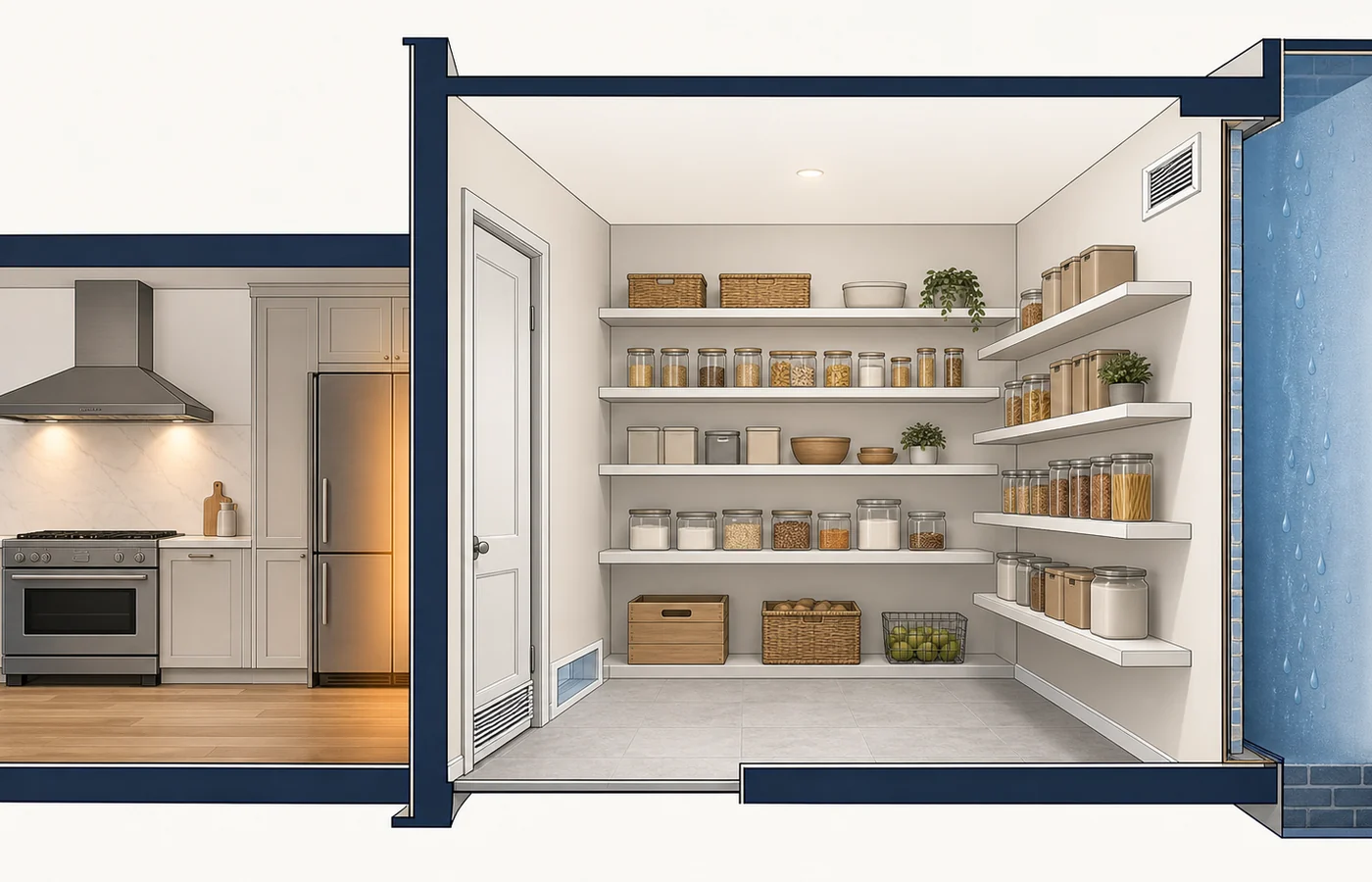
I advise clients to think carefully about storage solutions when planning an open kitchen. Ample cabinet space, a well-designed pantry, and clever storage solutions can help keep the kitchen looking neat even during meal preparation.
Energy Efficiency Concerns
Open floor plans can sometimes present challenges in terms of energy efficiency. With fewer walls to provide insulation, heating and cooling costs may increase. However, there are ways to mitigate this issue.
I often recommend installing energy-efficient windows and using strategic zoning for HVAC systems to maintain comfort levels without excessive energy use. Additionally, the improved natural light in open-concept designs can reduce the need for artificial lighting during daylight hours, potentially offsetting some of the increased energy costs.
Design Strategies for Successful Open-Concept Kitchens
Creating Visual Cohesion
When designing an open-concept kitchen, it’s crucial to create visual cohesion with the adjacent living spaces. This doesn’t mean everything needs to match perfectly, but there should be a sense of flow and connection between the areas.
I often suggest using consistent flooring throughout the open space to create a unified look. Color schemes can be coordinated, with complementary hues used in the kitchen and living areas. Lighting fixtures can also be chosen to create a cohesive design language across the space.
Defining Zones Within the Open Space
While the goal of an open-concept kitchen is to create a sense of connectivity, it’s still important to define distinct zones within the space. This can be achieved through thoughtful furniture placement, area rugs, or even subtle changes in ceiling height.
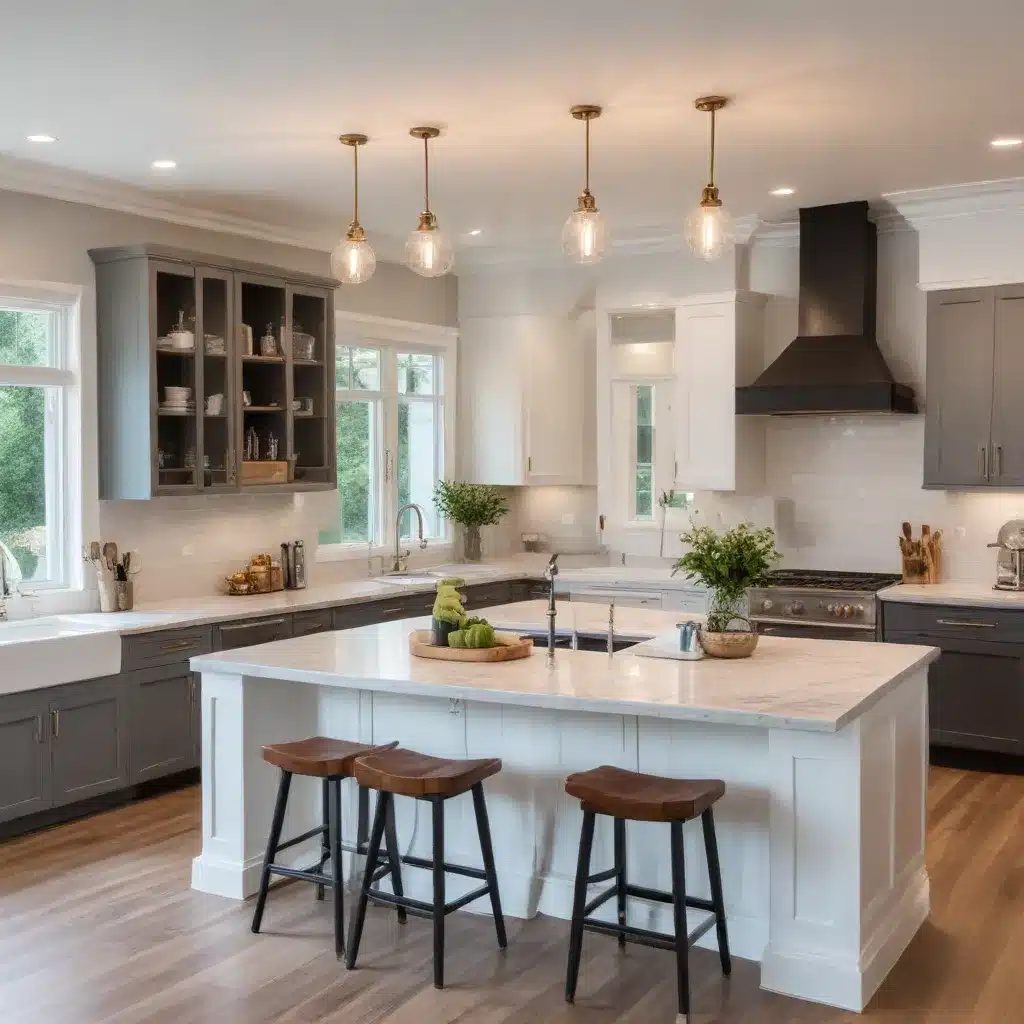
One effective strategy I’ve employed is using a kitchen island to delineate the cooking area from the living space. The island can serve as a visual barrier while still maintaining the open feel. It also provides additional workspace and can often incorporate seating, further enhancing the social aspect of the kitchen.
Incorporating Sufficient Storage
As mentioned earlier, storage is crucial in an open-concept kitchen. Without proper storage solutions, the space can quickly become cluttered and lose its appeal. I always emphasize the importance of maximizing storage in every possible way.
This might include floor-to-ceiling cabinets, pull-out pantry systems, or even hidden storage compartments built into islands or banquettes. The goal is to ensure that every item has a designated place, keeping countertops clear and maintaining the clean, open aesthetic.
The Future of Open-Concept Kitchens
As we look to the future, I believe open-concept kitchens will continue to evolve. We’re already seeing trends towards “broken plan” designs, which maintain the openness of an open concept while incorporating subtle dividers or level changes to create more defined spaces.
Technology is also playing an increasingly important role in kitchen design. Smart appliances and integrated home systems are becoming more common, allowing for greater control and efficiency in the kitchen space.
Sustainability is another factor shaping the future of open-concept kitchens. We’re seeing a growing emphasis on eco-friendly materials and energy-efficient designs. This might include the use of recycled materials, energy-star rated appliances, and water-saving fixtures.
Making the Decision: Is an Open-Concept Kitchen Right for You?
Deciding whether an open-concept kitchen is the right choice for your home is a personal decision that depends on various factors. It’s important to consider your lifestyle, cooking habits, and how you use your living spaces.
If you enjoy entertaining and want a more social cooking experience, an open-concept kitchen might be ideal. On the other hand, if you prefer more privacy while cooking or are concerned about noise and odors, a traditional closed kitchen might be a better fit.
It’s also worth considering the architectural style of your home. While open-concept designs can work in many settings, they may not be appropriate for all home styles. In historic homes, for example, maintaining the original layout might be preferable.
Renovation Considerations for Open-Concept Kitchens
If you’re considering renovating your existing kitchen to create an open-concept design, there are several factors to keep in mind. First and foremost is the structural integrity of your home. Removing walls, especially load-bearing ones, requires careful planning and often the expertise of a structural engineer.
The cost of creating an open-concept kitchen can vary widely depending on the extent of the renovation. Simple wall removal might be relatively affordable, but if you need to relocate plumbing or electrical systems, costs can escalate quickly.
It’s also important to consider the impact on your home’s resale value. While open-concept kitchens are generally popular, extremely personalized designs might not appeal to all potential buyers. If resale value is a concern, it might be wise to opt for a more neutral design that can be easily adapted to different tastes.
Conclusion: Embracing the Open-Concept Kitchen Trend
Open-concept kitchens have revolutionized home design, offering a blend of functionality and aesthetics that resonates with modern lifestyles. As a construction specialist, I’ve seen firsthand how these designs can transform living spaces and enhance the way families interact within their homes.
While open-concept kitchens present some challenges, careful planning and thoughtful design can address most concerns. The key is to balance openness with practicality, creating a space that is both beautiful and functional.
As we move forward, I expect to see continued innovation in open-concept kitchen design, with a focus on flexibility, sustainability, and integration of smart technologies. Whether you’re building a new home or renovating an existing one, an open-concept kitchen can be a valuable addition that enhances both your daily life and your property value.
For those considering a kitchen renovation or new build, I recommend consulting with experienced professionals who can help you navigate the complexities of open-concept design. Companies like ABC Home specialize in kitchen fitting and can provide valuable insights and expertise throughout the process.
Remember, the most successful open-concept kitchens are those that reflect the unique needs and preferences of the homeowners. By carefully considering your lifestyle and working with skilled professionals, you can create a kitchen space that is not just open, but truly open to possibilities.