Understanding the Importance of Counter Space
As a home construction specialist, I’ve seen countless kitchens over the years, and one thing that always stands out is the importance of well-planned counter space. It’s not just about having a large expanse of surface area; it’s about creating a functional workspace that suits your cooking style and daily needs.
When I first started in this industry, I made the mistake of thinking that more counter space was always better. However, I quickly learned that it’s not the quantity, but the quality and strategic placement of countertops that truly matters. I remember working on a project where we had to retrofit a small kitchen in a century-old home. The homeowners were avid cooks but had limited square footage to work with. This challenge taught me the value of every inch of counter space and how to maximize its potential.
In my experience, the key to successful kitchen counter planning lies in understanding how you use your kitchen. Do you prep meals for a large family? Are you a baker who needs space for rolling out dough? Or perhaps you’re more of a minimalist cook who just needs a small area for quick meal preparation? These are the questions I always ask my clients before we start planning their kitchen layout.
Assessing Your Kitchen Workflow
When I approach a new kitchen design or renovation, I always start by observing the current workflow. It’s fascinating to see how people naturally move in their kitchen space. This observation period is crucial because it reveals patterns and habits that need to be accommodated in the new design.
One of the most effective tools I use is the kitchen work triangle concept. This design principle suggests that the three main work areas in a kitchen – the sink, refrigerator, and stove – should form a triangle. I’ve found that this arrangement minimizes unnecessary steps and creates an efficient workflow. However, I don’t adhere to this rule rigidly. In some cases, especially in larger kitchens or those with multiple cooks, we might create multiple work triangles or zones.
Another aspect I consider is the preparation of different types of meals. For instance, if you frequently make smoothies or juices, having a dedicated space near the refrigerator for your blender and produce can be incredibly convenient. Similarly, if you’re an avid baker, a lower counter height near the oven can make it easier to transfer heavy dishes in and out.
Strategic Placement of Appliances and Fixtures
The placement of appliances and fixtures plays a crucial role in determining the amount and usefulness of your counter space. I always advise my clients to think carefully about where they want their sink, stove, and refrigerator. These elements form the anchors of your kitchen, and their placement will dictate where your main work areas will be.
In my early days, I made the mistake of placing a sink in the corner of an L-shaped kitchen. While it seemed like a good use of space at first, it created an awkward work area with limited counter space on either side. Now, I prefer to place sinks along a straight run of cabinetry, ensuring ample counter space on both sides for food prep and clean-up.
When it comes to the stove, I’ve found that having at least 15 inches of counter space on either side is ideal. This allows for safe handling of hot pots and pans and provides space for ingredients and utensils while cooking. For the refrigerator, I like to ensure there’s counter space nearby for unloading groceries or setting down items while retrieving others from the fridge.
Incorporating Storage Solutions to Maximize Counter Space
One of the biggest challenges in kitchen design is balancing the need for storage with the desire for open counter space. Over the years, I’ve developed several strategies to address this issue. One of my favorite solutions is the use of vertical storage.
I remember working on a kitchen for a client who had an extensive collection of cookware but limited cabinet space. We installed a ceiling-mounted pot rack above the island, which not only freed up valuable cabinet space but also added a beautiful, functional element to the kitchen design. It’s solutions like these that can make a significant difference in how a kitchen feels and functions.
Another strategy I often employ is the use of pull-out organizers in base cabinets. These allow for easy access to items that might otherwise clutter the countertop, such as spices, oils, and small appliances. I’ve also become a big fan of appliance garages. These cleverly designed cabinets can house items like toasters and coffee makers, keeping them easily accessible but out of sight when not in use.
The Role of Islands in Kitchen Counter Planning
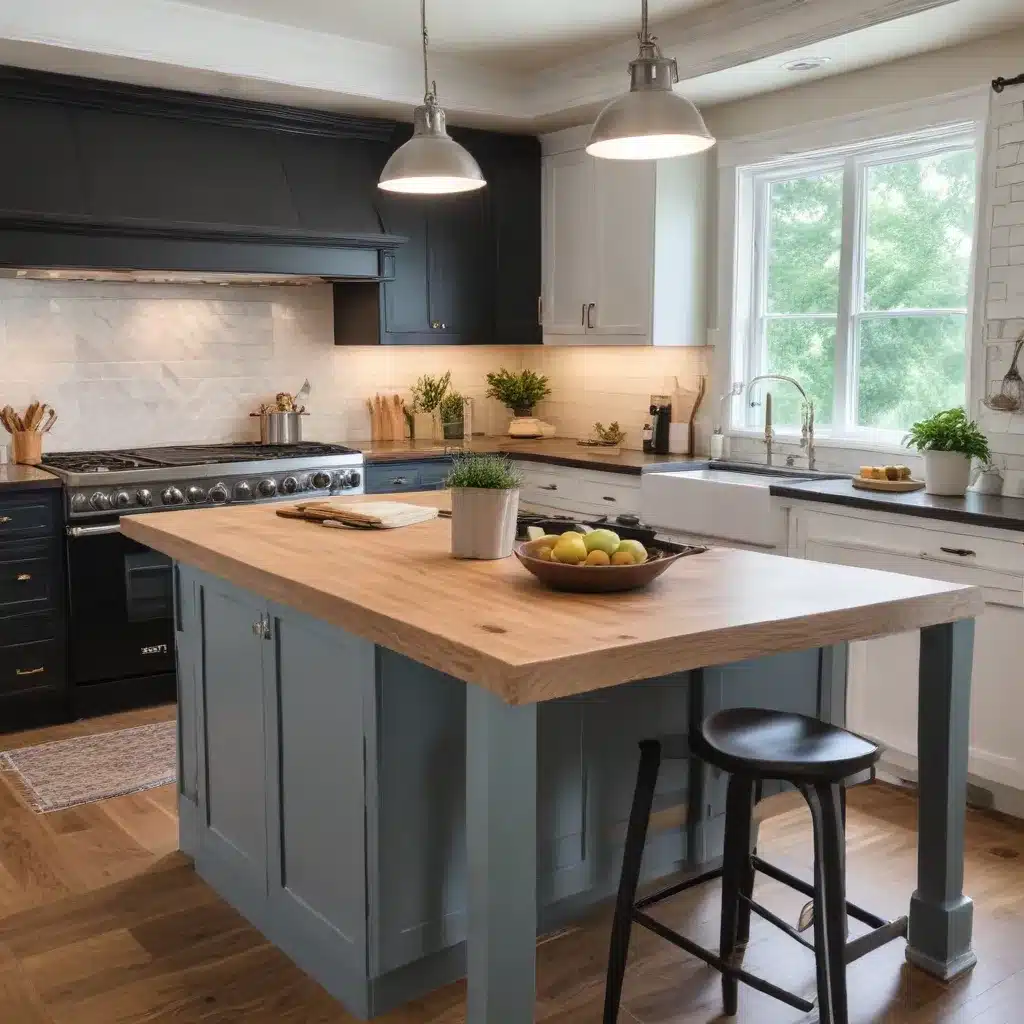
Kitchen islands have become increasingly popular, and for good reason. They provide additional counter space, storage, and often serve as a social hub in the kitchen. However, I’ve learned that careful planning is essential to ensure an island enhances rather than hinders kitchen functionality.
In my experience, the ideal width for an island is around 3 feet. This provides ample workspace without making it difficult to reach across. The length can vary depending on the size of the kitchen, but I usually recommend leaving at least 3 feet of clearance on all sides to allow for easy movement around the island.
One mistake I see often is homeowners wanting to cram too many functions into their island. While it’s tempting to include a sink, cooktop, and seating area all in one island, this can sometimes lead to a cluttered and impractical space. I prefer to focus on one or two primary functions for the island, whether that’s food prep, casual dining, or additional storage.
Considering Countertop Materials and Maintenance
The choice of countertop material can significantly impact both the aesthetics and functionality of your kitchen. Early in my career, I tended to recommend granite for most kitchens due to its durability and variety of colors. However, as I’ve gained more experience and new materials have entered the market, I’ve broadened my recommendations.
Quartz has become one of my go-to materials for kitchen countertops. It’s incredibly durable, non-porous (which makes it resistant to staining), and comes in a wide range of colors and patterns. I’ve found it to be particularly well-suited for busy families who need a low-maintenance option.
For those who prefer a more natural look, I still love the warmth and character of wood countertops. However, I always make sure my clients understand the maintenance requirements. Wood needs to be sealed regularly to protect against water damage and staining.
Regardless of the material chosen, I always emphasize the importance of proper care and maintenance. Even the most durable countertop can be damaged if not treated properly. I provide my clients with detailed care instructions for their specific countertop material to ensure it remains beautiful and functional for years to come.
Lighting Considerations for Counter Spaces
Proper lighting is often overlooked in kitchen design, but it’s crucial for creating a functional and inviting space. I always plan for multiple layers of lighting in the kitchen, including task lighting for counter areas.
Under-cabinet lighting has become a standard feature in many of my kitchen designs. It provides excellent illumination for food prep tasks and can also create a warm ambiance when used as accent lighting in the evening. I prefer LED strip lights for this purpose as they’re energy-efficient and produce minimal heat.
For island countertops, pendant lights are both functional and decorative. I typically recommend hanging them 30-36 inches above the counter surface for optimal lighting. The number and size of pendants depend on the island’s dimensions – for a 6-foot island, I might use two large pendants or three smaller ones.
Natural light is also important to consider. If possible, I try to position the main work areas near windows. Not only does this provide good daytime lighting, but it also makes the kitchen feel more open and connected to the outdoors.
Ergonomics and Accessibility in Counter Design
As I’ve progressed in my career, I’ve become increasingly aware of the importance of ergonomics in kitchen design. The standard counter height of 36 inches works well for many people, but it’s not a one-size-fits-all solution.
For clients who enjoy baking, I often recommend including a section of lower counter, typically around 30-32 inches high. This makes it easier to knead dough or roll out pastry. Conversely, for taller individuals, we might raise a section of counter to 38-40 inches to reduce back strain during food prep.
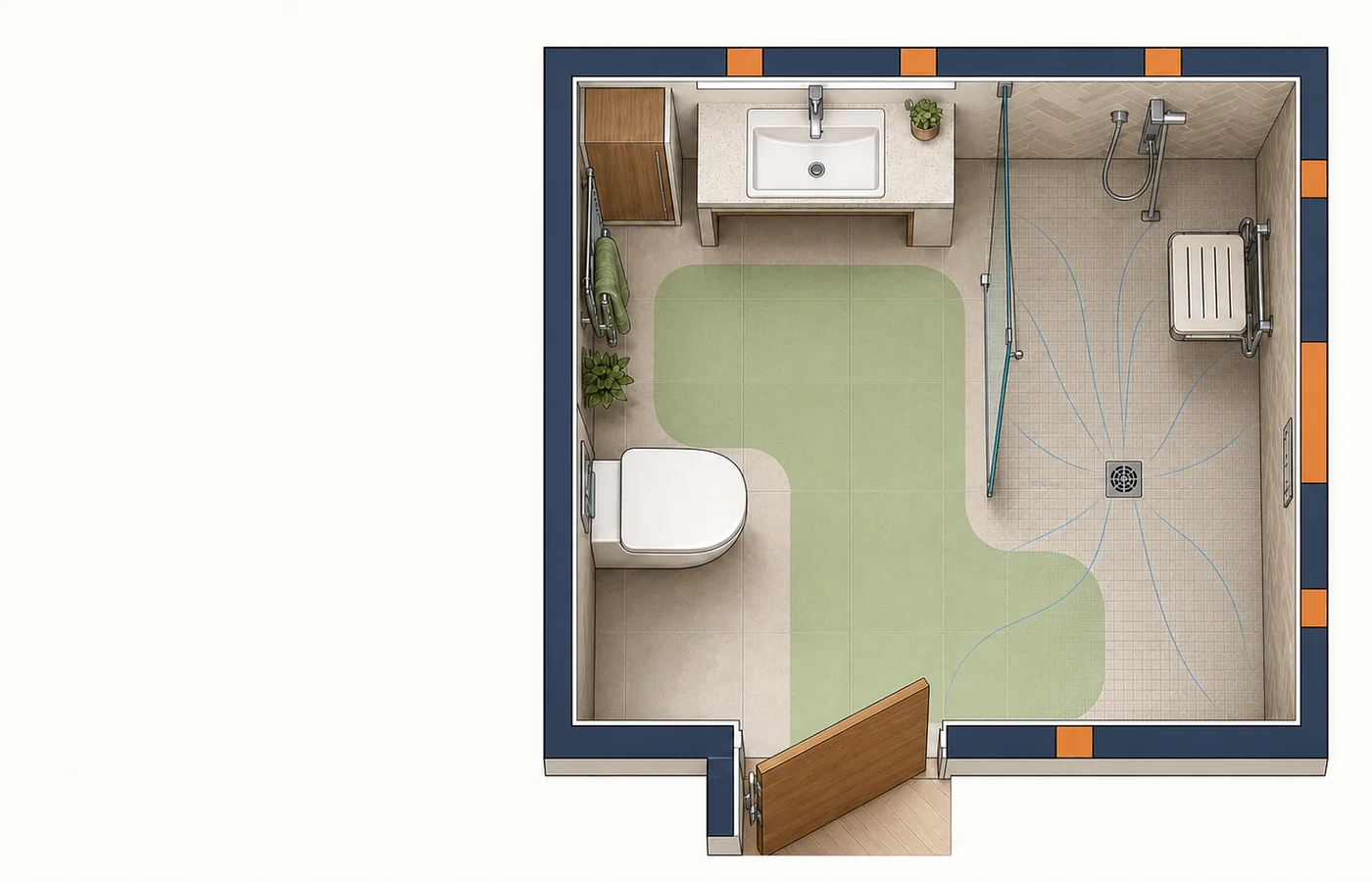
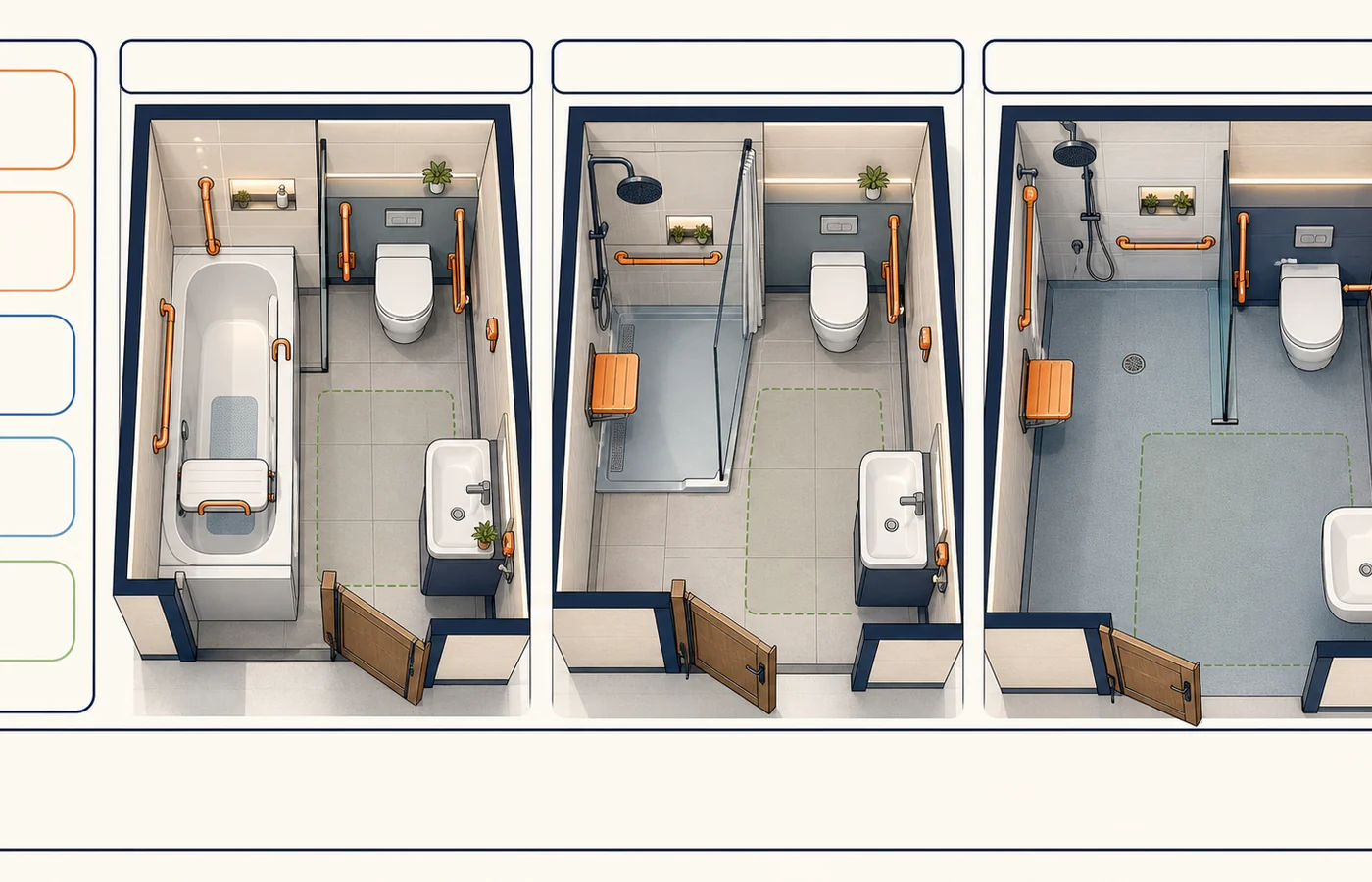
Accessibility is another crucial consideration, especially for clients planning to age in place or those with mobility challenges. In these cases, I might design counters with knee space underneath to allow for seated work. We also ensure that frequently used items are stored within easy reach, typically between waist and shoulder height.
Integrating Technology into Counter Spaces
The rapid advancement of technology has had a significant impact on kitchen design. I’ve seen a growing trend towards integrating smart devices and tech-friendly features into counter spaces.
One popular option is the inclusion of pop-up power outlets in kitchen islands. These allow for convenient charging of devices or powering of small appliances without cluttering the countertop with cords. Some of my clients have also opted for wireless charging pads built directly into their countertops.
Smart faucets are another technology I’ve been incorporating more frequently. These can be controlled by voice or touch, making them both convenient and hygienic. Some models even allow you to dispense precise amounts of water, which is great for cooking and baking.
While these technological additions can enhance kitchen functionality, I always advise my clients to consider their long-term usefulness. Technology changes rapidly, and what seems cutting-edge today might be outdated in a few years. I try to strike a balance between incorporating useful tech features and maintaining a timeless design.
Balancing Aesthetics and Functionality
Throughout my career, I’ve learned that creating a beautiful kitchen is about more than just choosing attractive finishes. It’s about finding the perfect balance between aesthetics and functionality. A well-designed kitchen should not only look good but also work efficiently for the homeowner’s specific needs.
I often tell my clients that the most beautiful kitchens are those that are used and loved. There’s something undeniably appealing about a kitchen that shows signs of life – a well-worn cutting board, a collection of cookbooks, or a vase of fresh herbs on the counter. These elements add character and warmth to the space.
At the same time, I’m a firm believer in the “everything in its place” philosophy. I work with my clients to create designated spaces for all their kitchen items, from large appliances to small utensils. This not only keeps the counters clutter-free but also makes the kitchen more efficient to use.
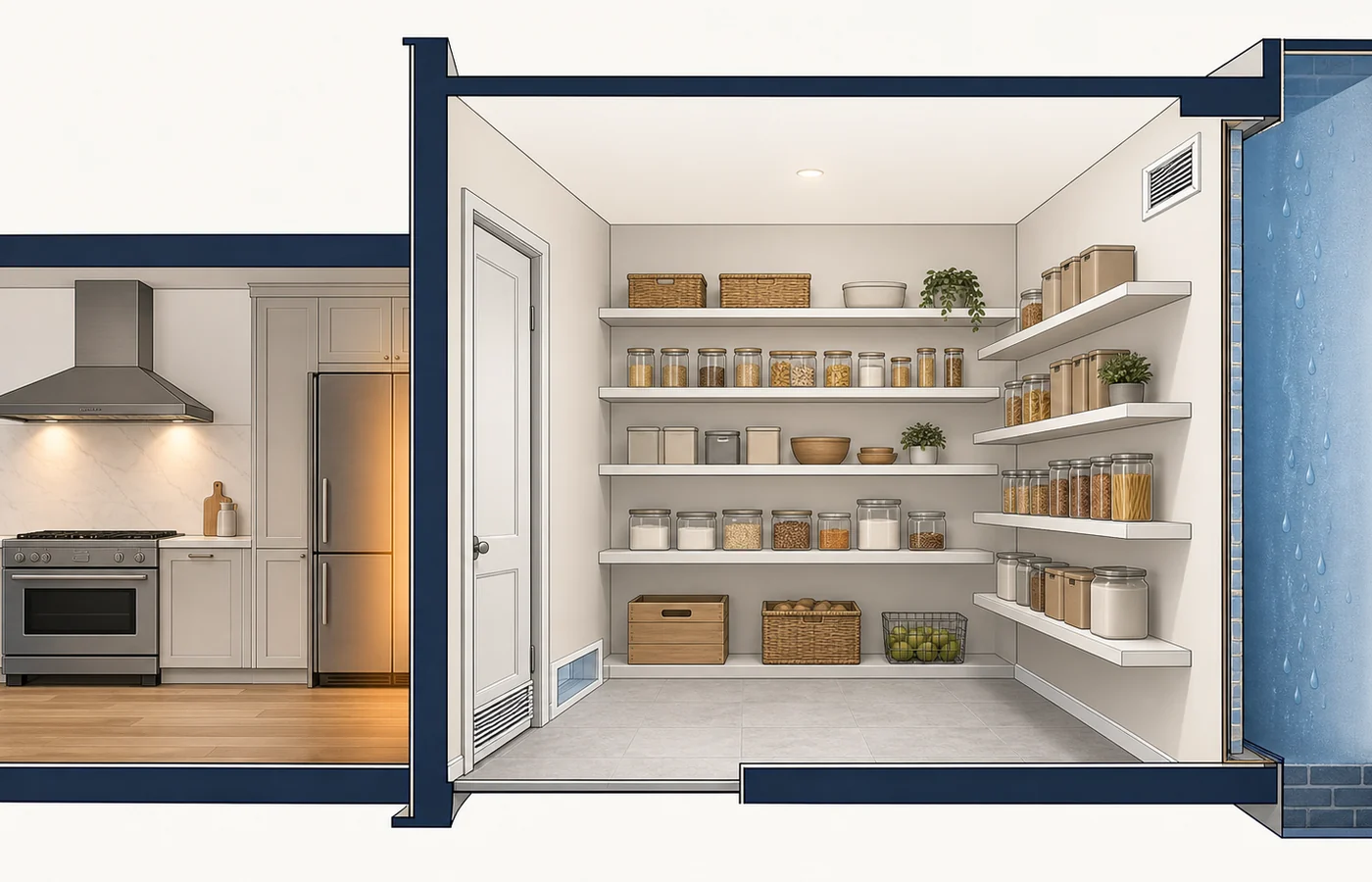
One strategy I often employ is the use of a “working pantry” or scullery. This is a separate space, often adjoining the main kitchen, where less attractive but necessary items can be stored and used. This allows the main kitchen to remain aesthetically pleasing while still providing all the functionality needed for day-to-day cooking and entertaining.
Planning for Future Needs
One of the most valuable lessons I’ve learned in my years as a home construction specialist is the importance of planning for the future. A kitchen renovation is a significant investment, and I always encourage my clients to think long-term when making design decisions.
This might mean choosing classic, timeless finishes that won’t look dated in a few years. It could also involve planning for potential future needs, such as including reinforced areas in the walls where grab bars could be installed if needed later on.
I also advise considering how the family’s needs might change over time. For instance, a young couple might want to include space for a high chair or consider how their storage needs might increase as their family grows. Empty nesters, on the other hand, might want to focus on creating a space that’s perfect for entertaining or pursuing culinary hobbies.
Flexibility is key in these long-term plans. I often recommend including elements that can be easily updated or modified. For example, cabinet hardware and light fixtures can be changed relatively easily to give the kitchen a fresh look without a complete renovation.
The Importance of Professional Planning
While there’s a wealth of information available online about kitchen design, I can’t stress enough the value of working with a professional. A skilled kitchen designer or contractor brings years of experience and expertise to the table, helping to avoid costly mistakes and create a space that truly works for you.
In my practice, I use advanced 3D modeling software to help clients visualize their new kitchen before any construction begins. This allows us to experiment with different layouts and finishes, ensuring that the final design meets both functional and aesthetic goals.
I also work closely with a network of trusted suppliers and tradespeople. This allows me to stay up-to-date on the latest products and technologies, and ensure that every aspect of the kitchen renovation is completed to the highest standard.
Remember, your kitchen is one of the most used and valuable spaces in your home. It’s worth investing the time and resources to get it right. A well-planned kitchen will not only add value to your home but will also enhance your daily life, making cooking and entertaining a joy rather than a chore.
If you’re considering a kitchen renovation or are in the process of building a new home, I encourage you to seek professional advice. Companies like ABC Home specialize in kitchen fitting and can provide valuable insights and expertise to help you create your dream kitchen.
Conclusion
Planning kitchen counter space is a complex task that requires careful consideration of many factors. From workflow and storage to lighting and technology, every aspect plays a crucial role in creating a functional and beautiful kitchen.
Throughout my career, I’ve seen trends come and go, but the fundamental principles of good kitchen design remain constant. It’s about creating a space that works for you, that makes your daily tasks easier and more enjoyable, and that reflects your personal style and needs.
Remember, there’s no one-size-fits-all solution when it comes to kitchen design. What works for one family might not work for another. The key is to understand your own needs and preferences, and to work with experienced professionals who can help you translate those needs into a practical, beautiful design.
Whether you’re planning a minor update or a complete kitchen overhaul, I hope the insights I’ve shared here will help guide you in your journey. With thoughtful planning and attention to detail, you can create a kitchen that not only meets your needs today but will continue to serve you well for years to come.