Understanding the Importance of Kitchen Safety for Older Adults
As a home construction specialist, I’ve seen firsthand how crucial it is to create safe kitchen environments for seniors. The kitchen, often considered the heart of the home, can present numerous hazards for older adults. With aging comes changes in mobility, vision, and reaction times, making everyday kitchen activities potentially risky.
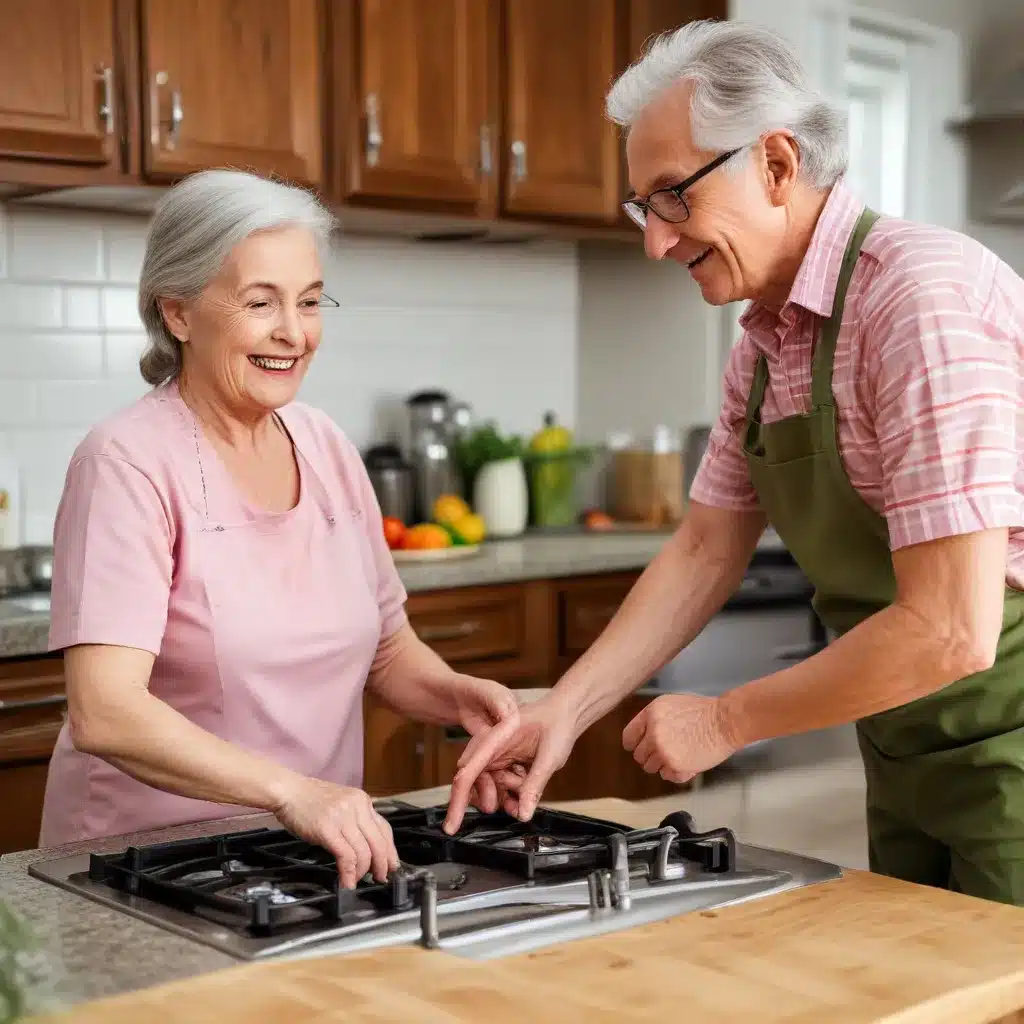
I remember working with a couple in their late 70s who were adamant about staying in their family home. Their kitchen, while full of memories, was becoming a source of anxiety. The wife had recently had a few close calls with her gas stove, and the husband struggled to reach items in high cabinets. It was clear that without some modifications, their beloved kitchen could become a danger zone.
This scenario is more common than you might think. Statistics show that a significant number of household accidents involving seniors occur in the kitchen. Burns, falls, and cuts are among the most frequent injuries. However, with the right safety features and design considerations, we can dramatically reduce these risks and help seniors maintain their independence.
In my years of experience, I’ve learned that creating a safe kitchen for seniors isn’t just about installing a few grab bars or replacing old appliances. It’s about reimagining the entire space with an eye for potential hazards and opportunities for improvement. It’s about balancing safety with functionality and preserving the joy of cooking and gathering in the kitchen.
Assessing Kitchen Risks: A Professional’s Perspective
When I walk into a senior’s kitchen for the first time, I’m not just looking at the surface level. I’m scanning for potential hazards that might not be immediately obvious to the homeowner. Let’s break down some of the key areas I focus on during my assessments.
Layout and Accessibility
The first thing I consider is the overall layout of the kitchen. Is there enough clear floor space for easy movement, especially if the person uses a mobility aid? Are frequently used items within easy reach? I once worked on a kitchen where the microwave was placed so high that the homeowner had to use a step stool to reach it – a clear fall risk that needed immediate attention.
I also look at the countertop heights. Standard countertops can be too high for someone in a wheelchair or too low for someone who has difficulty bending. Adjustable height countertops can be a game-changer in these situations.
Lighting and Visibility
Adequate lighting is crucial in a kitchen, particularly for seniors who may have vision impairments. I check for even lighting throughout the space, paying special attention to task lighting over work areas. Shadows and glare can be just as problematic as dim lighting, so I consider the placement of light sources carefully.
I also look at the contrast between surfaces. For example, a white countertop against a white backsplash can be difficult for some seniors to differentiate, potentially leading to spills or accidents.
Flooring Safety
Slips and falls are a major concern in kitchens, so flooring is a critical area of focus. I check for any uneven surfaces, loose tiles, or slippery areas. Non-slip flooring or well-secured mats can make a significant difference in kitchen safety.
I remember a client who had beautiful, glossy tile floors in her kitchen. While aesthetically pleasing, they became incredibly slippery when wet. We ended up applying a non-slip treatment to the tiles, preserving the look while dramatically improving safety.
Essential Safety Features for Senior-Friendly Kitchens
Now that we’ve covered the assessment process, let’s delve into some specific safety features that can make a world of difference in a senior’s kitchen. These are tried-and-true solutions that I’ve implemented in countless homes over the years.
Appliance Upgrades and Modifications
One of the most impactful changes we can make is upgrading to senior-friendly appliances. Here are some key features I look for:
- Stoves with Front Controls: This eliminates the need to reach over hot burners.
- Induction Cooktops: These remain cool to the touch, reducing burn risks.
- Raised Dishwashers: Elevating the dishwasher by 6-10 inches can reduce bending and strain.
- Side-by-Side Refrigerators: These provide easier access to both fresh and frozen foods.
I also recommend installing automatic shut-off devices on stoves and ovens. These can be lifesavers for seniors who might forget to turn off appliances.
Cabinet and Storage Solutions
Accessible storage is crucial for maintaining independence in the kitchen. Here are some modifications I often suggest:
- Pull-Out Shelves: These bring items at the back of cabinets within easy reach.
- D-Shaped Handles: These are easier to grasp than knobs, especially for those with arthritis.
- Open Shelving: For frequently used items, open shelving eliminates the need to open and close cabinet doors.
- Lowered Upper Cabinets: Bringing upper cabinets down by 3-6 inches can make a big difference in accessibility.
I once worked with a client who loved to bake but struggled with her heavy stand mixer. We installed a lift in a lower cabinet that brought the mixer up to counter height with the push of a button. It was a simple solution that allowed her to continue enjoying her hobby safely.
Lighting Enhancements
Proper lighting is essential for safety and comfort in the kitchen. Here are some lighting solutions I often implement:
- Under-Cabinet Lighting: This illuminates work surfaces without creating shadows.
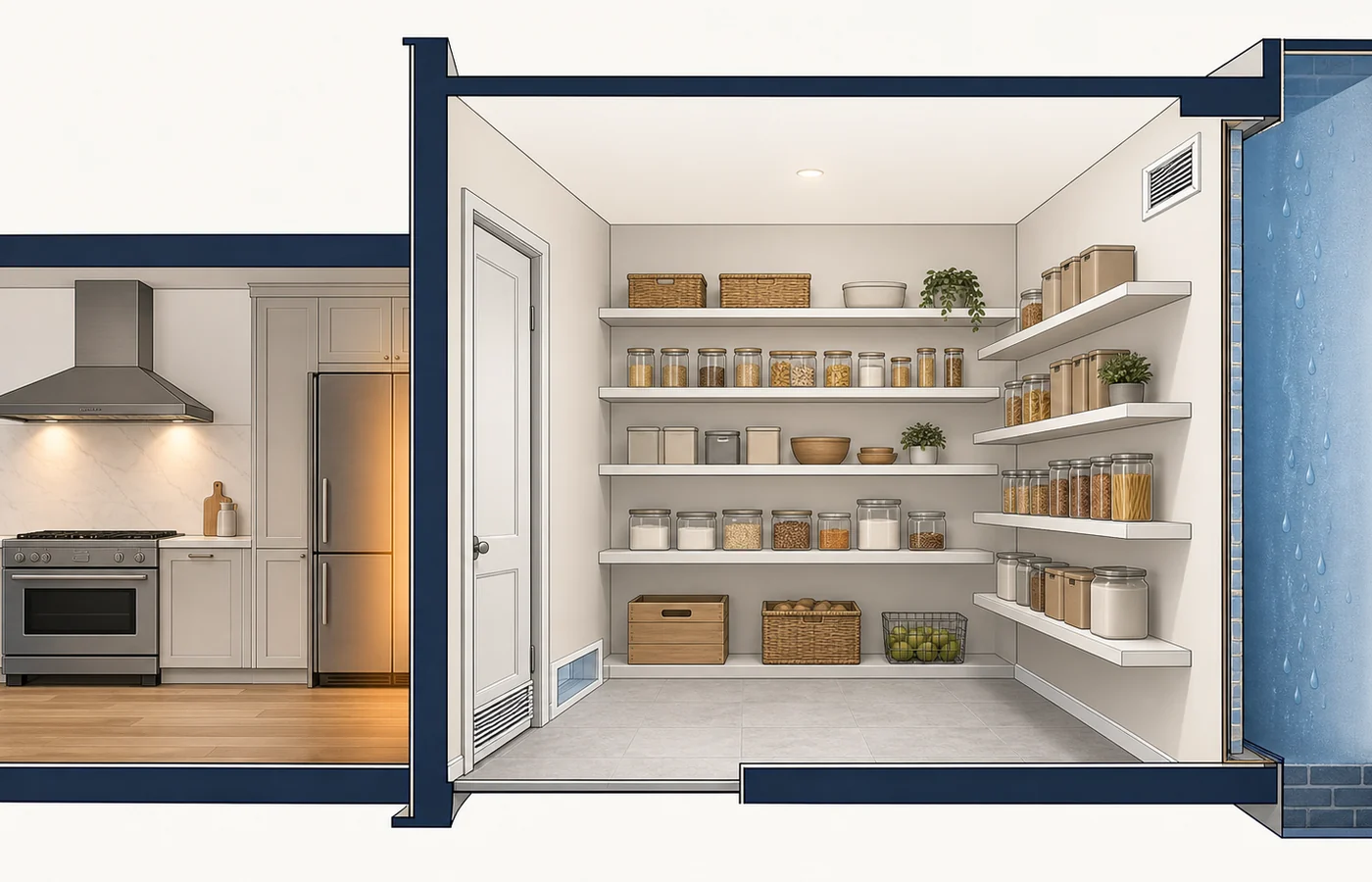
- Motion-Sensor Lights: These are great for pantries or less frequently used areas.
- Adjustable Lighting: Dimmer switches allow for customization based on time of day or task.
- Color Temperature Considerations: Warmer lights can be more comfortable for aging eyes.
In one renovation, we installed a skylight to bring in natural light during the day, complemented by strategically placed LED strips for evenings. The difference in visibility and overall ambiance was remarkable.
Innovative Technologies for Kitchen Safety
As a construction specialist, I’m always excited about new technologies that can enhance safety and comfort in the kitchen. Let’s explore some cutting-edge solutions that are making a real difference in senior-friendly kitchens.
Smart Home Integration
Smart home technology has opened up a world of possibilities for kitchen safety. Here are some innovations I’m particularly impressed with:
- Voice-Controlled Appliances: These allow seniors to control ovens, lights, and even faucets with simple voice commands.
- Smart Sensors: These can detect gas leaks, smoke, or even unusual patterns in appliance use, alerting caregivers if there’s a potential issue.
- Automated Lighting: Systems that adjust lighting based on time of day or activity can reduce eye strain and fall risks.
- Remote Monitoring: This allows family members or caregivers to check in on kitchen activity from afar.
I recently installed a smart home system for a client with early-stage dementia. The system included a smart stove that would automatically shut off if left unattended for too long, and a refrigerator that could be monitored remotely by her daughter. It provided peace of mind for the entire family.
Ergonomic Innovations
Ergonomics plays a crucial role in kitchen safety and comfort. Here are some innovative solutions I’ve been incorporating into my designs:
- Height-Adjustable Countertops: These can be raised or lowered with the push of a button, accommodating different users or tasks.
- Pull-Out Work Surfaces: These provide additional workspace when needed, then tuck away for improved mobility.
- Touchless Faucets: These reduce the need to grip and turn handles, which can be challenging for those with arthritis.
- Soft-Close Drawers and Cabinets: These prevent pinched fingers and reduce the force needed to close storage spaces.
One of my favorite projects involved creating a completely customizable kitchen for a couple where one used a wheelchair and the other was tall. We installed countertops and appliances that could adjust to either of their preferred heights with the touch of a button.
Safety Monitoring Systems
For seniors living independently, safety monitoring systems can provide an extra layer of security. Here are some options I often recommend:
- Wearable Alert Systems: These allow seniors to call for help in case of a fall or other emergency.
- Activity Monitoring: Sensors can track movement patterns and alert caregivers to potential issues.
- Medication Reminders: Smart dispensers can help ensure medications are taken on time.
- Water Leak Detectors: These can prevent slips and falls by alerting to spills or leaks quickly.
I worked with a client whose mother lived alone and often forgot to eat. We installed a system that monitored kitchen activity and alerted the daughter if the kitchen hadn’t been used for an extended period. It was a simple solution that significantly improved the mother’s nutrition and the daughter’s peace of mind.
Implementing Safety Features: Best Practices and Considerations
When it comes to implementing these safety features, there’s more to consider than just installation. Let’s dive into some best practices I’ve developed over years of working on senior-friendly kitchens.
Personalization is Key
Every senior has unique needs and preferences. What works for one may not work for another. I always start with a thorough consultation to understand the specific challenges and desires of each client. This might include:
- Assessing Current Habits: Understanding how they currently use their kitchen helps identify priority areas for improvement.
- Discussing Health Concerns: Certain conditions like arthritis or vision impairment will influence design choices.
- Considering Future Needs: It’s important to plan for potential changes in mobility or health.
I remember working with a client who was an avid cook but struggled with standing for long periods. We created a kitchen with multiple seating options, including a lowered countertop section where she could sit while preparing meals. This personalized touch allowed her to continue enjoying her passion safely.
Phased Implementation
Sometimes, implementing all safety features at once can be overwhelming or financially challenging. I often recommend a phased approach:
- Address Immediate Risks: Start with the most pressing safety concerns.
- Plan for Future Upgrades: Design the initial modifications with future changes in mind.
- Educate on Usage: Each new feature or modification should come with clear instructions and practice time.
For one client, we started by installing grab bars and improving lighting – two relatively simple changes that made an immediate impact. Over time, we gradually upgraded appliances and cabinetry, spreading the cost and adjustment period over several months.
Aesthetic Considerations
Safety doesn’t have to mean sacrificing style. I always strive to integrate safety features seamlessly into the overall kitchen design. This might include:
- Choosing Stylish Safety Products: Many grab bars and non-slip mats now come in attractive designs.
- Incorporating Universal Design Principles: These can enhance accessibility without looking institutional.
- Using Color and Contrast Strategically: This can improve visibility while adding visual interest.
In one project, we used contrasting color borders on countertops to improve visibility for a client with vision impairment. The result was not only functional but added a unique design element to the space.
Regular Maintenance and Updates
A safe kitchen requires ongoing attention. I always emphasize the importance of:
- Regular Safety Checks: Periodically reviewing the effectiveness of installed features.
- Updating Technology: Keeping smart home systems and appliances current.
- Adapting to Changing Needs: Being prepared to make further modifications as needs evolve.
I make it a point to check in with my clients periodically, especially those aging in place. It’s not uncommon for me to make small adjustments or upgrades years after the initial renovation to ensure continued safety and comfort.
The Impact of a Safe Kitchen on Senior Well-being
Throughout my career, I’ve seen firsthand how a well-designed, safe kitchen can dramatically improve a senior’s quality of life. It goes beyond just preventing accidents; it’s about maintaining independence, confidence, and joy in daily living.
Promoting Independence
A safe kitchen allows seniors to continue preparing their own meals, a crucial aspect of maintaining independence. I’ve had clients tell me how empowering it feels to cook for themselves again after years of relying on others due to safety concerns.
One gentleman I worked with had given up cooking entirely after a few close calls with his old stove. After we installed a new induction cooktop with automatic shut-off features, he rediscovered his love for cooking. His daughter told me she noticed a significant improvement in his mood and overall well-being.
Encouraging Social Interaction
The kitchen is often the heart of social interaction in a home. A safe, comfortable kitchen can encourage seniors to host friends and family more often. I’ve seen isolated seniors become more socially active simply because they feel more confident in their kitchen space.
I remember a couple who rarely entertained because the wife was embarrassed about needing help in the kitchen. After we redesigned their space with accessible features, they started hosting weekly family dinners. The husband told me it had “brought life back into their home.”
Reducing Anxiety and Stress
Fear of accidents can cause significant stress and anxiety for seniors and their caregivers. A well-designed safe kitchen can alleviate these worries, leading to improved mental health and well-being.
One client’s daughter told me she used to call her mother multiple times a day, worried about kitchen accidents. After we implemented safety features and a smart monitoring system, both mother and daughter reported feeling much more relaxed and at ease.
Maintaining Cognitive Function
Cooking involves multiple cognitive processes – planning, memory, problem-solving, and more. By creating a safe environment that allows seniors to continue cooking, we’re also providing opportunities for cognitive stimulation.
A geriatric specialist I often collaborate with has noted that her patients who continue to cook independently tend to maintain better cognitive function over time. It’s a powerful reminder of how seemingly simple activities can have profound health impacts.
Conclusion: The Future of Senior-Friendly Kitchens
As we look to the future, I’m excited about the continued advancements in kitchen safety technology and design. From AI-powered appliances that can detect and prevent potential accidents to new materials that enhance safety without compromising aesthetics, the possibilities are endless.
However, the core principle remains the same: creating kitchens that allow seniors to maintain their independence, enjoy their daily activities, and feel safe in their homes. It’s not just about installing safety features; it’s about designing spaces that empower and inspire.
In my years of experience, I’ve learned that the most successful senior-friendly kitchens are those that seamlessly blend safety, functionality, and personal style. They’re kitchens that not only meet immediate needs but anticipate future ones. They’re spaces that say, “You belong here, and you can thrive here.”
As we continue to innovate and improve our approach to senior kitchen safety, I’m reminded of why I chose this specialization. Every safe, comfortable kitchen we create is more than just a construction project – it’s a gift of independence, dignity, and quality of life. And that, to me, is the true measure of success in our field.
For more information on how we can help create a safe, stylish, and functional kitchen for seniors, visit our kitchen fitting services page. Let’s work together to create kitchens that aren’t just safe, but truly life-enhancing for our senior community.