The Heart of the Home: Understanding Kitchen Sink Placement
As a seasoned home construction specialist, I’ve seen my fair share of kitchen designs. One element that often gets overlooked but plays a crucial role in the functionality and safety of your kitchen is the sink position. Let’s delve into why this matters and how you can make the best choices for your home.
When we think about kitchen design, we often focus on aesthetics – the sleek countertops, the stylish cabinets, the state-of-the-art appliances. But have you ever stopped to consider the humble sink? It’s where we spend a significant amount of time during food preparation, cleaning, and even socializing. The right placement can make your kitchen work like a well-oiled machine, while poor positioning can lead to inefficiency and potential safety hazards.
In my years of experience, I’ve found that the ideal sink position depends on several factors: the overall kitchen layout, the work triangle (the path between your sink, stove, and refrigerator), and your personal cooking habits. It’s not just about where it looks good – it’s about where it works best for you and your family.
The Science Behind Sink Placement
Let’s get technical for a moment. Did you know that there’s actually scientific research behind kitchen sink placement? It’s true! Studies have shown that the position of your sink can significantly impact food safety in your home.
In one study I came across, researchers found that the kitchen sink was the most frequently contaminated surface after meal preparation. This makes sense when you think about it – we use the sink to rinse produce, clean utensils that have touched raw meat, and wash our hands throughout the cooking process. If not properly maintained, the sink can become a breeding ground for harmful bacteria.
But here’s the kicker: the position of your sink can either help or hinder your efforts to maintain a hygienic kitchen. A well-placed sink allows for easy access and encourages frequent hand washing and surface cleaning. On the flip side, a poorly positioned sink might discourage these good habits, potentially leading to cross-contamination and foodborne illness.
So, what’s the takeaway? When planning your kitchen layout, don’t just think about how it looks – think about how it functions from a food safety perspective. Is your sink easily accessible from your main food prep area? Is there enough space around it for proper cleaning? These are the questions we need to ask ourselves as homeowners and builders.
Ergonomics and Efficiency: The Perfect Sink Position
Now, let’s talk about ergonomics. As someone who’s spent countless hours in kitchens, both personal and professional, I can’t stress enough the importance of a comfortable work environment. The position of your sink plays a big role in this.
Ideally, your sink should be at a height that allows you to stand comfortably without bending or stretching excessively. For most adults, this means the bottom of the sink should be about 36-38 inches from the floor. But remember, this can vary based on your height and personal preferences.
Another factor to consider is the relationship between your sink and other key elements of your kitchen. In professional kitchens, we often use the concept of the ‘work triangle’ – an imaginary line drawn between the sink, stove, and refrigerator. The idea is to minimize the distance between these three points to create an efficient workspace.
In my experience, placing the sink along one leg of this triangle, typically between the stove and refrigerator, works well for most kitchens. This allows for a smooth workflow as you move from food storage to preparation to cooking.
But what if you have a smaller kitchen or an unconventional layout? Don’t worry – there are still ways to optimize your sink position. Consider a corner sink to maximize counter space, or a sink in a kitchen island for a more open feel. The key is to think about how you use your kitchen and position the sink accordingly.
Safety First: Sink Placement and Accident Prevention
As a construction specialist, safety is always at the forefront of my mind. And believe it or not, the position of your kitchen sink can have significant implications for safety in your home.
First, let’s talk about traffic flow. A poorly placed sink can create bottlenecks in your kitchen, increasing the risk of accidents. Imagine trying to drain a pot of boiling pasta while someone else is rushing to get to the refrigerator – not an ideal scenario!
To minimize these risks, I always recommend positioning the sink away from main traffic areas. If possible, it should be accessible from multiple points in the kitchen, allowing for easy use even when other areas are occupied.
Another safety consideration is the proximity of water to electrical outlets. We all know that water and electricity don’t mix, so it’s crucial to ensure that your sink is positioned a safe distance from any electrical sources. In the UK, regulations stipulate that electrical sockets must be at least 30cm horizontally from the sink edge. As a professional, I always err on the side of caution and aim for a minimum of 60cm where possible.
Lastly, think about lighting. A well-lit sink area is essential for safe food preparation and cleaning. Natural light is ideal, so if possible, position your sink near a window. If that’s not feasible, ensure you have adequate overhead lighting to illuminate the entire sink area.
The Impact of Sink Position on Kitchen Design
Now, let’s put on our designer hats for a moment. The position of your sink doesn’t just affect functionality and safety – it can also have a significant impact on the overall aesthetic of your kitchen.
In many modern kitchens, the sink serves as a focal point. A beautifully crafted sink, perhaps with a stylish faucet, can become a real feature in your kitchen design. Positioning it under a window, for example, can create a lovely visual connection between indoor and outdoor spaces.
But it’s not just about looks. The position of your sink can influence the entire layout of your kitchen. For instance, if you opt for a sink in a kitchen island, you might need to rethink your plumbing layout. This could involve additional costs but could result in a more open, sociable kitchen space.
In my years of experience, I’ve found that the most successful kitchen designs strike a balance between form and function. A well-positioned sink should enhance both the aesthetics and usability of your kitchen.
Sink Materials and Their Influence on Positioning
Let’s dive into a topic that’s often overlooked when discussing sink position: the material of the sink itself. Believe it or not, the material you choose for your sink can influence its ideal position in your kitchen.
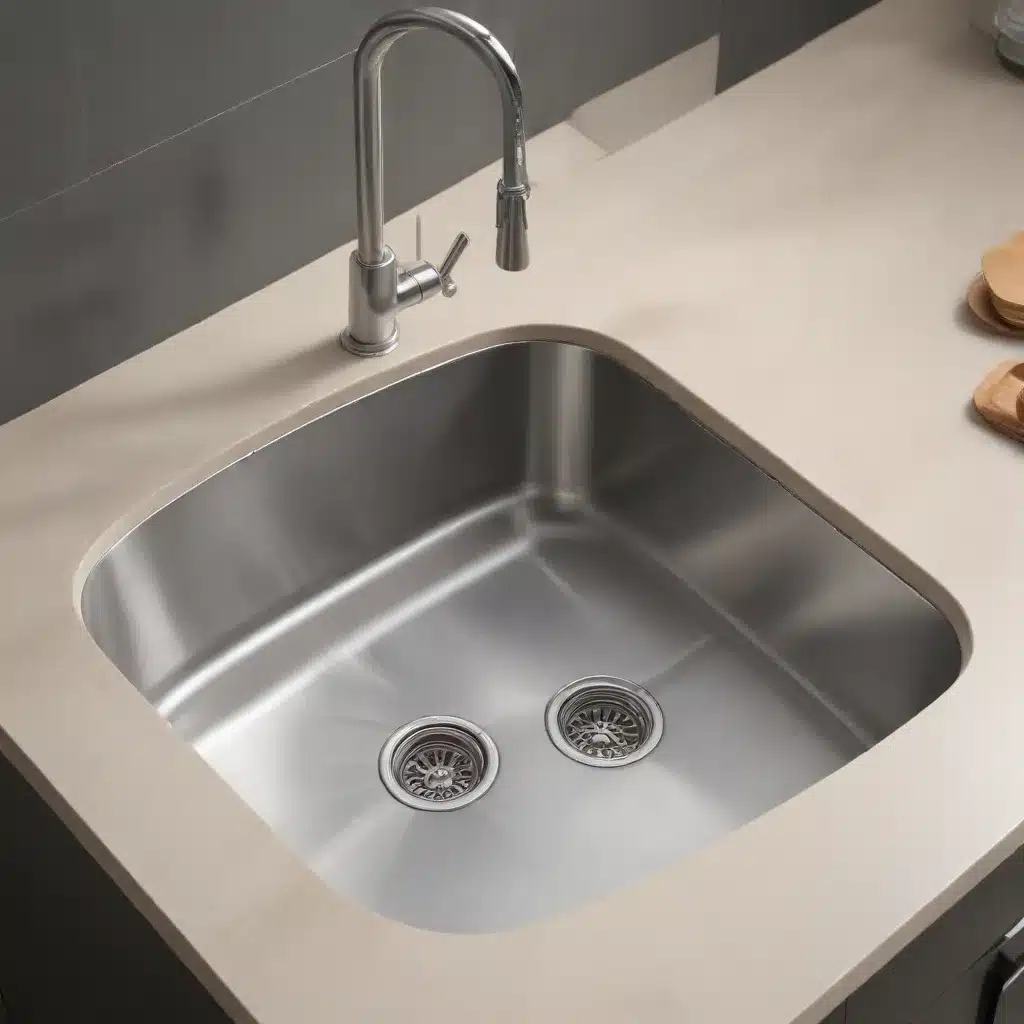
Take stainless steel sinks, for instance. These are lightweight, durable, and relatively easy to install. This flexibility means you have more options when it comes to positioning. You could, for example, install a stainless steel sink in a kitchen island without worrying too much about structural support.
On the other hand, heavier materials like granite or cast iron require more consideration. These sinks need robust support, which can limit your positioning options. In my experience, it’s often easier to install these heavier sinks against a wall where there’s typically more structural support.
Then there’s the question of undermount versus top-mount sinks. Undermount sinks, which are installed beneath the countertop, offer a sleek, seamless look. However, they require a solid, waterproof countertop material like granite or quartz. This can impact your overall kitchen design and potentially limit your sink positioning options.
Top-mount sinks, also known as drop-in sinks, are more versatile. They can be installed in virtually any countertop material, giving you more flexibility in terms of kitchen layout and sink position.
As a professional, I always advise homeowners to consider their sink material and installation type early in the design process. It’s much easier to plan your kitchen layout around these factors than to try and force a particular sink into a position that’s not suitable.
The Role of Plumbing in Sink Positioning
Now, let’s talk about a crucial aspect of sink positioning that often goes unnoticed until it’s too late: plumbing. As a construction specialist, I can’t stress enough how important it is to consider your plumbing layout when deciding on your sink position.
The location of your main water supply and drainage pipes can significantly influence where you can feasibly place your sink. Moving these pipes is possible, but it can be a costly and disruptive process, especially in older homes with less accessible plumbing.
In an ideal world, we’d position the sink purely based on ergonomics and workflow. But in reality, we often need to find a balance between the ideal position and what’s practical from a plumbing perspective.
One solution I’ve used in many kitchen renovations is to create a false wall behind the sink area. This allows us to conceal pipes and create the illusion of a sink positioned exactly where we want it, even if the main plumbing is elsewhere.
Another option is to use a kitchen island for your sink position. This can offer more flexibility in terms of placement, as you’re not restricted to the walls where plumbing is typically located. However, it does require running water and waste pipes to the island, which can be a significant undertaking.
Remember, always consult with a professional plumber before finalizing your sink position. They can advise on the feasibility of your plans and help you avoid costly mistakes down the line.
Accessibility and Inclusive Design in Sink Positioning
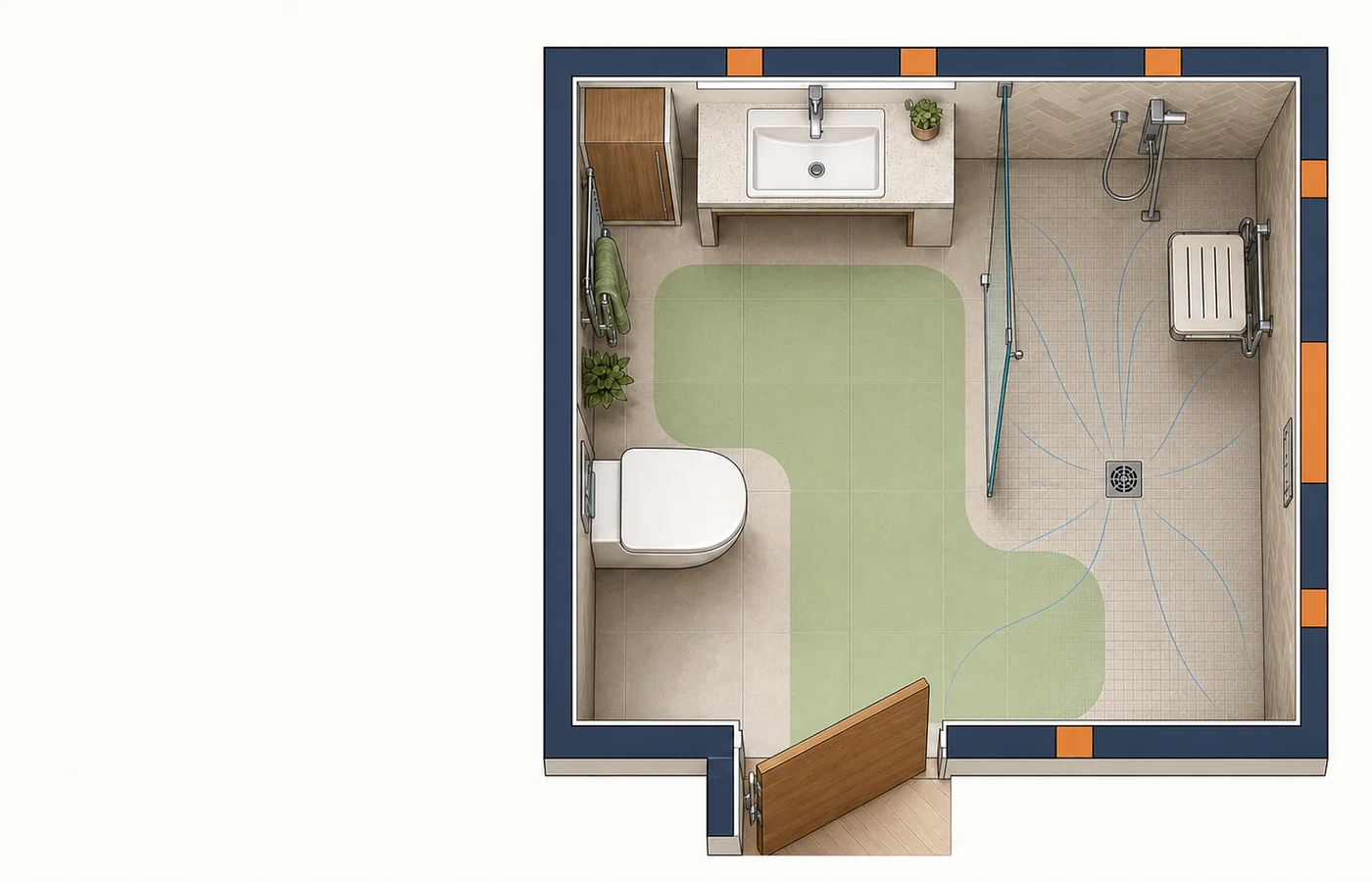
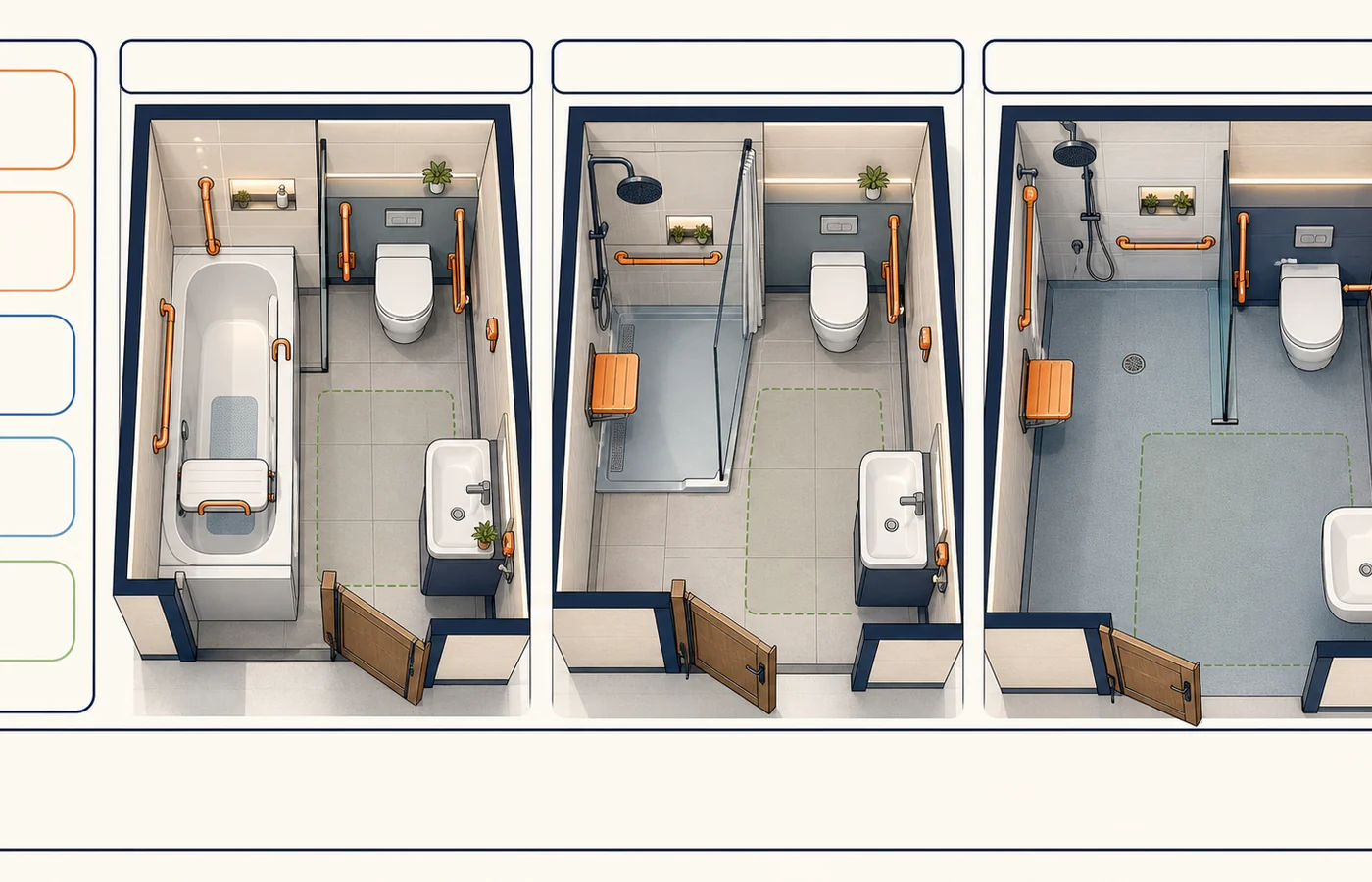
As our population ages and we become more aware of the need for inclusive design, it’s important to consider accessibility when positioning your kitchen sink. This is an area where I’ve seen significant changes in best practices over my years in the industry.
For households with members who use wheelchairs or have limited mobility, the standard sink height of 36-38 inches may not be suitable. In these cases, a lower sink position of around 30-34 inches can be more appropriate. Some homeowners opt for adjustable-height sinks, which can be raised or lowered as needed.
It’s also worth considering the depth of the sink. A shallower sink can be easier to use for those with limited reach or strength. In some cases, I’ve installed sinks with a sloped bottom, allowing items to naturally slide towards the drain for easier cleaning.
The space under the sink is another important consideration. For wheelchair users, an open space beneath the sink allows for easy access. This might mean opting for a wall-mounted sink rather than one built into a counter.
Even if you don’t currently need these adaptations, it’s worth considering them for the future. As we age, our needs change, and a kitchen that’s designed with accessibility in mind can serve you well for many years to come.
Technology and Innovation in Kitchen Sink Design
As with many aspects of home design, technology is revolutionizing the humble kitchen sink. From touchless faucets to built-in water filtration systems, there are now more options than ever to enhance the functionality of your sink area.
One innovation I’m particularly excited about is the smart sink. These high-tech marvels can do everything from monitoring your water usage to alerting you to potential leaks. Some even come with built-in scales for precise measuring of ingredients – a real boon for keen bakers!
Another trend I’ve noticed is the integration of waste disposal units into sink design. While these have been common in other countries for years, they’re becoming increasingly popular in the UK. This can influence your sink position, as you’ll need to ensure easy access to the unit for maintenance.
UV sterilization is another technological advancement that’s making its way into kitchen sinks. These systems use ultraviolet light to kill bacteria, providing an extra layer of hygiene in your food preparation area.
When considering these high-tech options, it’s important to think about how they might impact your sink position. Will you need additional power sources nearby? How will they affect your plumbing requirements? These are all factors to consider in your kitchen design.
Environmental Considerations in Sink Positioning
In today’s world, environmental consciousness is becoming increasingly important in home design. As a construction specialist, I’ve seen a growing demand for eco-friendly kitchen solutions, and the sink area is no exception.
When it comes to sink positioning, one environmental consideration is water usage. Placing your sink close to your dishwasher, for example, can reduce the amount of water wasted when transferring dishes. Similarly, positioning the sink near your food preparation area can encourage the use of a washing-up bowl, which uses less water than running the tap continuously.
Another factor to consider is natural light. Positioning your sink near a window not only provides a pleasant view while you’re washing up but can also reduce the need for artificial lighting during the day. This can lead to energy savings over time.
Some homeowners are now opting for dual sinks – one for food preparation and one for cleaning. While this can improve workflow in the kitchen, it’s important to consider the environmental impact of increased water usage. If you choose this option, consider installing water-saving faucets to mitigate the impact.
Lastly, think about waste management. Positioning your sink near your recycling and compost bins can encourage better sorting of food waste and recyclables. This might seem like a small detail, but it can have a significant impact on your household’s environmental footprint over time.
Future-Proofing Your Kitchen: Flexible Sink Positioning
As we wrap up our discussion on kitchen sink positioning, let’s talk about future-proofing. In my years of experience, I’ve learned that the best kitchen designs are those that can adapt to changing needs over time.
One approach I often recommend is to design your kitchen with the potential for multiple sink positions. This might involve installing plumbing connections in several locations, even if you only plan to use one initially. While this requires a larger upfront investment, it can save you money and hassle in the long run if you decide to remodel or if your needs change.
Another strategy is to opt for a modular kitchen design. This allows you to easily move elements around, including your sink, without major renovation work. It’s particularly useful for rental properties or for homeowners who like to frequently update their living spaces.
Consider also the potential for technological advancements. As we discussed earlier, smart sinks and other high-tech features are becoming increasingly common. When positioning your sink, think about how you might incorporate these technologies in the future. This might involve leaving space for additional wiring or planning for future water filtration systems.
Lastly, think about the long-term usability of your kitchen. As we age, our needs change. A sink position that works well for you now might become less practical in the future. Consider incorporating elements of universal design, such as adjustable-height counters or easy-to-reach storage, to ensure your kitchen remains functional for years to come.
Remember, a well-designed kitchen is an investment in your home and your quality of life. By carefully considering your sink position and planning for future needs, you can create a space that will serve you well for many years to come.
For more information on kitchen fitting and design, check out the ABC Home Kitchen Fitting page. It’s a great resource for anyone looking to update their kitchen or build a new one from scratch.
Conclusion: The Art and Science of Sink Positioning
As we’ve explored throughout this article, the positioning of your kitchen sink is far more than just a matter of personal preference. It’s a complex interplay of ergonomics, safety, functionality, and design aesthetics.
From considering the work triangle and traffic flow to thinking about plumbing constraints and future technological advancements, there’s a lot to consider when deciding where to place your sink. And let’s not forget the importance of food safety and hygiene, as highlighted by the USDA’s research on kitchen sink contamination.
As a construction specialist, I’ve seen firsthand how a well-positioned sink can transform a kitchen from a functional space into the true heart of the home. It’s not just about where you wash your dishes – it’s about creating a space that works for you, supports your lifestyle, and makes your daily tasks easier and more enjoyable.
Whether you’re building a new home, renovating your existing kitchen, or simply dreaming about future improvements, I hope this guide has given you some food for thought. Remember, there’s no one-size-fits-all solution when it comes to sink positioning. The best layout for you will depend on your specific needs, preferences, and the unique characteristics of your space.
So take the time to really think about how you use your kitchen. Consider your daily routines, your cooking habits, and your long-term plans for the space. Don’t be afraid to challenge conventional wisdom if it doesn’t work for you. After all, your kitchen should be as unique as you are.
And if you’re feeling overwhelmed by all the options, don’t hesitate to seek professional advice. A good kitchen designer or contractor can help you navigate the complexities of sink positioning and create a kitchen that’s not just beautiful, but perfectly tailored to your needs.
Here’s to creating kitchens that are not just spaces for cooking, but true centers of home life – starting with the perfect sink position!