Importance of Acoustic Management in Bathroom Spaces
As a home construction specialist with years of experience, I’ve encountered numerous challenges in creating comfortable living spaces. One aspect that often gets overlooked is acoustic management, particularly in bathroom areas. The need for privacy and tranquility in these personal spaces cannot be overstated.
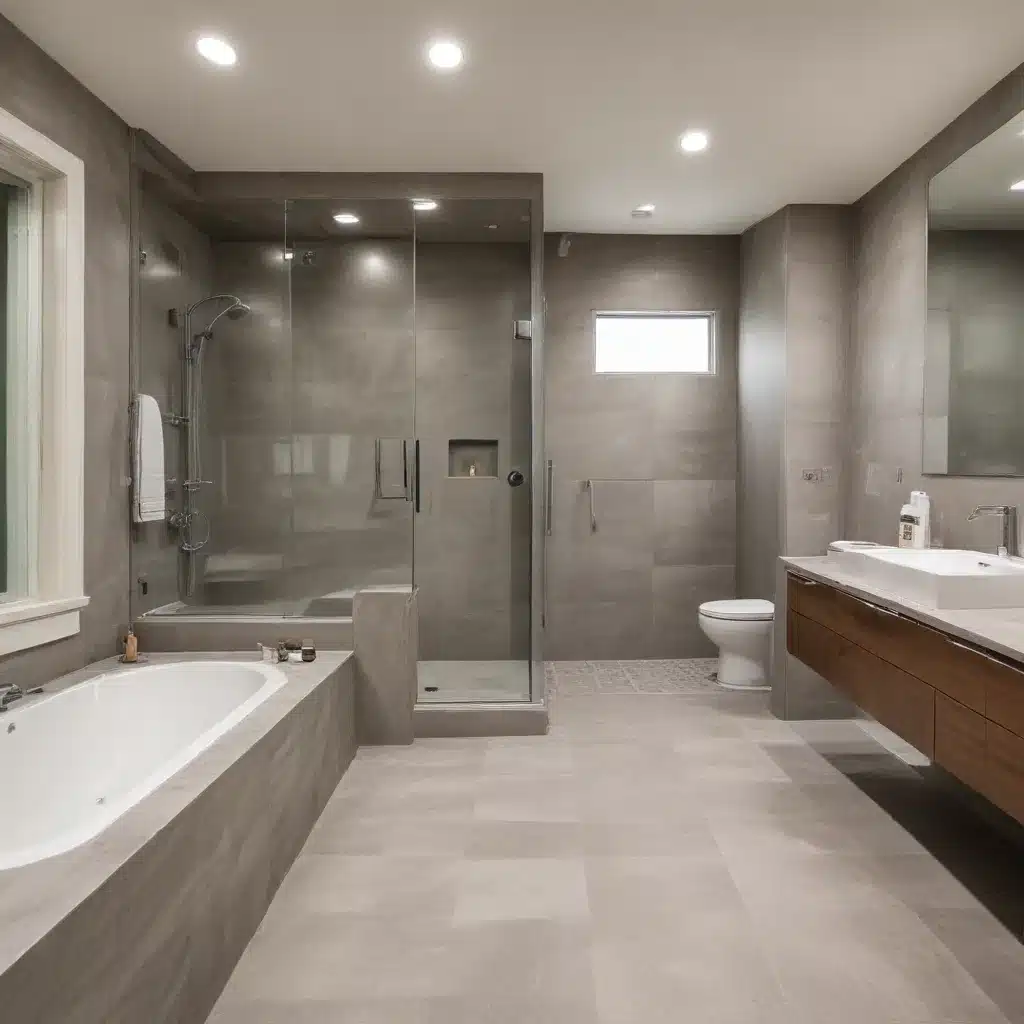
Bathrooms are unique in their acoustic properties. With hard surfaces like tiles and mirrors, sound tends to bounce around, creating echoes and amplifying noises. This can be particularly problematic in master bathroom suites, where the goal is to create a relaxing, spa-like atmosphere.
The impact of poor sound insulation extends beyond mere annoyance. It can affect sleep quality, especially for light sleepers or those with chronic conditions. Moreover, it can diminish the overall enjoyment of one’s living space. That’s why, when working on new constructions or renovations, I always emphasize the importance of sound management to my clients.
Understanding Sound Transmission in Bathrooms
Before we get into specific soundproofing methods, it’s crucial to understand how sound travels in bathroom environments. Sound waves propagate through air and solid materials, which means they can travel through walls, floors, and even plumbing systems.
In bathrooms, we deal with two types of noise: airborne and structure-borne. Airborne noise includes voices, music, or the sound of running water. Structure-borne noise, on the other hand, is transmitted through solid materials, like the vibrations from a washing machine or the impact of footsteps.
The hard surfaces typical in bathrooms – tiles, glass, and porcelain – reflect sound rather than absorb it. This reflection creates reverberations, making the space seem noisier. Additionally, gaps and cracks, no matter how small, can allow sound to escape or enter the room.
Understanding these principles helps us approach soundproofing more effectively. It’s not just about adding insulation; it’s about creating a comprehensive system that addresses all aspects of sound transmission.
Key Considerations for Bathroom Soundproofing
When undertaking a bathroom soundproofing project, several factors come into play. First and foremost is the layout of the space. The proximity of the bathroom to bedrooms or living areas will determine how aggressive our soundproofing measures need to be.
Another crucial factor is the existing construction. In new builds, we have more flexibility to implement comprehensive soundproofing solutions. However, in renovations, we often have to work within the constraints of the existing structure.
Budget is always a consideration. While there are some cost-effective DIY solutions, truly effective soundproofing often requires a significant investment. It’s important to balance the desire for a quiet space with practical financial considerations.
Lastly, we need to consider the aesthetic impact of our soundproofing measures. The goal is to create a functional, quiet space without compromising on design and visual appeal.
Effective Wall Insulation Techniques
One of the most effective ways to reduce sound transmission is through proper wall insulation. In my experience, using high-density insulation materials can make a significant difference.
For new constructions or major renovations, I often recommend using rock wool insulation. This material is denser than traditional fiberglass and provides excellent sound absorption properties. It’s particularly effective at dampening mid to high-frequency sounds.
Another technique I’ve found effective is the use of resilient channels. These metal strips are attached to the wall studs before the drywall is installed. They create a small air gap that helps to break the path of sound vibrations.
For an even more robust solution, consider double-wall construction. This involves building two separate wall frames with a gap between them. While more expensive and space-consuming, this method can provide superior sound isolation.
Floor and Ceiling Soundproofing Strategies
While walls are often the focus of soundproofing efforts, floors and ceilings shouldn’t be neglected. In multi-story homes, sound transmission through these surfaces can be a significant issue.
For floors, I often recommend installing a layer of acoustic underlay beneath the final flooring material. This can be particularly effective with harder surfaces like tiles. In some cases, a floating floor system can provide excellent sound isolation.
Ceiling soundproofing can be approached in a similar manner to walls. Adding insulation above the ceiling and using resilient channels can significantly reduce sound transmission from above. In cases where the bathroom is below another room, consider adding mass to the ceiling with an additional layer of drywall.
Remember, it’s crucial to address any gaps or penetrations in the ceiling, such as around light fixtures or vents. These can be sealed with acoustic caulk to prevent sound leakage.
Plumbing Noise Reduction Methods
Plumbing noise can be a significant source of disturbance in bathrooms. The sound of running water or flushing toilets can travel through pipes and walls, disrupting the peace in adjacent rooms.
One effective method I’ve used is to wrap pipes with sound-dampening materials. There are specialized pipe wraps available that can significantly reduce the noise transmitted through plumbing systems.
Another approach is to use water hammer arrestors. These devices absorb the shock of sudden stops in water flow, reducing the ‘banging’ noise often associated with plumbing systems.
For toilet noise, consider installing a quiet-flush model. These toilets are designed to minimize noise during flushing. Additionally, ensure that the toilet is properly sealed to the floor to prevent vibrations from transferring to the structure.
Door and Window Treatments for Sound Control
Doors and windows are often weak points in bathroom soundproofing. Standard hollow-core doors do little to block sound. I always recommend upgrading to solid-core doors for better sound insulation.
To further enhance door soundproofing, consider adding weatherstripping around the door frame. This helps to seal any gaps that might allow sound to escape. For the gap at the bottom of the door, a door sweep can be installed.
Windows, if present in the bathroom, should be double or triple-glazed for better sound insulation. Adding heavy curtains or blinds can also help to absorb sound within the room.
Ventilation Considerations in Soundproofed Bathrooms
While focusing on soundproofing, it’s crucial not to overlook ventilation. Bathrooms need proper air circulation to prevent moisture buildup and mold growth.
When installing exhaust fans, look for models with low sone ratings. These are designed to operate quietly while still providing effective ventilation. The ductwork for these fans should be insulated to prevent noise transmission through the vents.
In some cases, a through-wall ventilation system might be more appropriate than a ceiling-mounted fan. These can be easier to soundproof and may provide more effective ventilation in certain layouts.
Acoustic Materials and Their Applications
There’s a wide range of acoustic materials available for bathroom soundproofing. Each has its strengths and ideal applications.
Acoustic panels can be highly effective in absorbing sound within the bathroom. These can be customized to match the bathroom’s decor, serving both functional and aesthetic purposes.
For walls and ceilings, consider using soundproof drywall. This specialized material is denser than standard drywall and provides better sound insulation. It can be particularly effective when used in conjunction with other soundproofing methods.
Green glue, a viscoelastic compound, is another product I often recommend. When applied between layers of drywall or other materials, it significantly enhances sound dampening properties.
Balancing Aesthetics and Functionality
One of the challenges in bathroom soundproofing is maintaining an attractive appearance while implementing effective sound control measures. It’s important to remember that soundproofing doesn’t have to mean sacrificing style.
Many acoustic materials can be integrated seamlessly into bathroom design. For example, decorative acoustic panels can double as wall art. Soundproof windows can be just as attractive as standard ones.
When choosing materials and finishes, consider their acoustic properties alongside their visual appeal. Some materials, like cork flooring, can provide both sound absorption and an interesting design element.
Remember, the goal is to create a space that’s both peaceful and beautiful. With careful planning and material selection, it’s entirely possible to achieve both.
Professional Installation vs. DIY Approaches
While there are many DIY soundproofing techniques, for comprehensive bathroom soundproofing, professional installation often yields the best results. As a specialist, I’ve seen many cases where well-intentioned DIY efforts fell short of expectations.
Professional installers have access to specialized tools and materials that might not be readily available to homeowners. They also have the expertise to address complex issues like structural sound transmission.
That said, there are certainly some soundproofing measures that can be effectively implemented by homeowners. Adding weatherstripping to doors, installing quiet exhaust fans, or applying acoustic caulk to gaps are all manageable DIY projects.
If you’re considering a major soundproofing project, I’d recommend at least consulting with a professional. They can provide valuable insights and help you avoid costly mistakes.
Cost Considerations and Long-term Benefits
It’s important to view bathroom soundproofing as an investment in your home’s comfort and value. While the upfront costs can be significant, especially for comprehensive solutions, the long-term benefits often justify the expense.
A well-soundproofed bathroom contributes to overall home comfort. It can improve sleep quality, reduce stress, and enhance the feeling of privacy. These quality-of-life improvements are difficult to quantify but are nonetheless valuable.
From a financial perspective, effective soundproofing can increase a home’s resale value. In today’s market, features that contribute to comfort and privacy are highly sought after.
When budgeting for a soundproofing project, consider not just the immediate costs but also the long-term benefits and potential energy savings from improved insulation.
Maintenance and Upkeep of Soundproofed Bathrooms
Once you’ve invested in soundproofing your bathroom, proper maintenance is key to ensuring its continued effectiveness. Regular inspections can help identify any issues before they become significant problems.
Check weatherstripping and door sweeps periodically for wear and tear. These components may need replacement every few years, depending on usage.
For ventilation systems, regular cleaning and maintenance are crucial. Not only does this ensure proper function, but it also prevents the system from becoming a source of noise itself.
If you’ve installed acoustic panels or other visible soundproofing elements, include them in your regular cleaning routine. Most can be easily dusted or vacuumed to maintain their appearance and effectiveness.
Future Trends in Bathroom Acoustic Management
As technology advances, we’re seeing exciting developments in acoustic management for bathrooms. One trend I’m particularly interested in is the integration of smart home technology with soundproofing solutions.
For example, some systems can actively counteract external noise by emitting sound waves that cancel out unwanted frequencies. While currently more common in commercial settings, I expect we’ll see more residential applications in the future.
Another area of development is in materials science. Researchers are working on new materials that provide superior sound insulation while being thinner and lighter than traditional options. This could open up new possibilities for retrofitting existing bathrooms with minimal structural changes.
As awareness of the importance of acoustic comfort grows, I anticipate we’ll see more emphasis on soundproofing in building codes and standards. This could lead to more widespread adoption of effective soundproofing techniques in new constructions.
Conclusion: Creating Your Peaceful Bathroom Retreat
Soundproofing a master bathroom suite is a complex but rewarding project. It requires careful planning, consideration of multiple factors, and often a combination of different techniques and materials.
Whether you’re building a new home or renovating an existing bathroom, incorporating effective soundproofing measures can significantly enhance your living experience. From improved privacy to better sleep quality, the benefits are numerous.
Remember, every bathroom is unique, and what works in one situation may not be ideal in another. That’s why it’s crucial to assess your specific needs and constraints before embarking on a soundproofing project.
If you’re considering upgrading your bathroom’s acoustics, I encourage you to explore the options available. For professional advice and high-quality bathroom fitting services, you might want to check out ABC Home’s bathroom fitting services. With the right approach, you can transform your bathroom into a truly peaceful retreat within your home.