
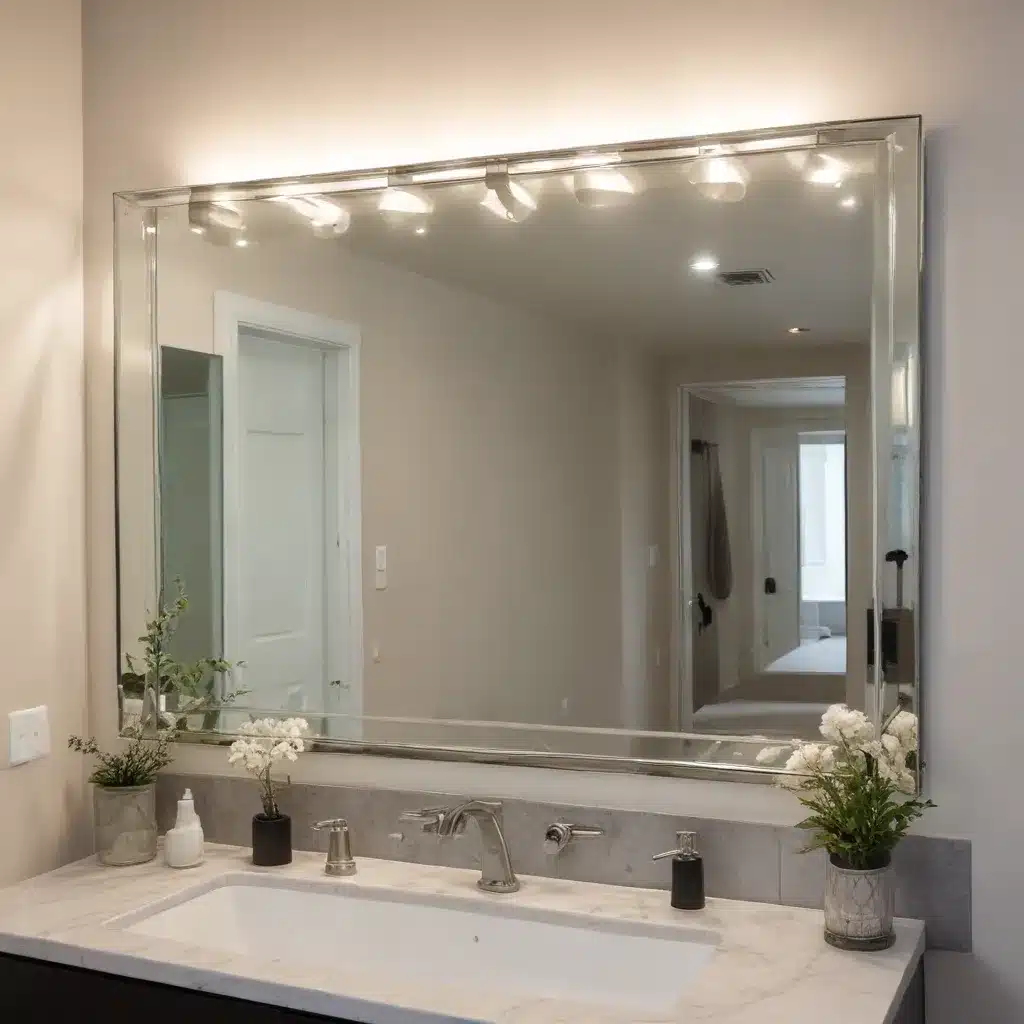
The Evolution of Bathroom Mirrors
As a home construction specialist with over two decades of experience, I’ve seen bathroom design trends come and go. But one innovation that’s here to stay is the luxury mirror defogger. These nifty devices have transformed the post-shower experience, eliminating that frustrating fog that obscures your reflection just when you need it most.
I remember the first time I installed a mirror defogger in a client’s home. The look of amazement on their face when they stepped out of a steamy shower to find a perfectly clear mirror was priceless. Since then, I’ve incorporated these systems into countless bathroom renovations, and the feedback has always been overwhelmingly positive.
But what exactly are mirror defoggers, and how do they work? At their core, these systems are heating elements that warm the mirror’s surface, preventing condensation from forming. They’re typically installed behind the mirror and connected to the bathroom’s electrical system. When activated, they maintain the mirror at a temperature slightly above the dew point, ensuring a fog-free surface.
Planning Your Defogger Installation
When it comes to installing a mirror defogger, proper planning is crucial. I’ve seen many DIY attempts go awry due to inadequate preparation. Here’s what you need to consider:
-
Mirror Size and Shape: The defogger must be sized appropriately for your mirror. Too small, and you’ll have patchy fog-free areas. Too large, and you’re wasting energy and potentially risking damage to the mirror.
-
Electrical Requirements: Most defoggers operate on standard household voltage, but you’ll need to ensure your bathroom’s electrical system can handle the additional load. I always recommend consulting with a qualified electrician before proceeding.
-
Installation Location: The defogger needs to be mounted securely behind the mirror. This often means removing the mirror from the wall, which can be a delicate process, especially with larger mirrors.
-
Control Options: You’ll need to decide how you want to control the defogger. Options range from simple on/off switches to more advanced systems that activate automatically when the shower is in use.
Wiring Considerations for Mirror Defoggers
The wiring process for mirror defoggers requires careful attention to detail and adherence to safety standards. Here’s a breakdown of the key steps:
1. Power Supply
Most mirror defoggers require a 120V power supply. I always ensure there’s a dedicated circuit for bathroom fixtures to prevent overloading. If you’re retrofitting an older bathroom, you might need to upgrade the electrical panel to accommodate the additional load.
2. Circuit Protection
Safety is paramount in any electrical installation, especially in moisture-prone areas like bathrooms. I always install a ground fault circuit interrupter (GFCI) to protect against electric shock. This device quickly cuts off power if it detects a ground fault, providing an essential safety measure.
3. Wiring Route
Planning the wiring route is crucial. I prefer to run wires through the wall cavity to keep them hidden and protected. This often involves cutting small access holes, which need to be patched and painted afterward. It’s a bit more work, but the clean, professional finish is worth it.
4. Connection Points
The connection points between the defogger and the power supply need to be secure and well-insulated. I use high-quality wire nuts and electrical tape to ensure a solid connection that won’t come loose over time.
5. Control Switch Installation
The control switch for the defogger should be easily accessible but away from direct water contact. I often install it near the light switch for convenience. Some homeowners prefer a timer switch, which automatically turns off the defogger after a set period to save energy.
Advanced Features and Integration
Modern mirror defoggers often come with advanced features that can enhance their functionality and energy efficiency. Here are some options I often discuss with clients:
-
Humidity Sensors: These can automatically activate the defogger when moisture levels in the bathroom rise, ensuring the mirror is always clear when you need it.
-
Smart Home Integration: Some systems can be connected to smart home hubs, allowing voice control or scheduling through smartphone apps.
-
LED Lighting: Many high-end mirrors now incorporate LED lighting along with defogger technology, providing excellent illumination for grooming tasks.
-
Multi-Zone Heating: For larger mirrors, multi-zone heating allows for more efficient operation by only activating the areas of the mirror that need defogging.
Safety Considerations in Bathroom Electrical Work
Working with electricity in bathrooms requires extra caution due to the presence of water. Here are some critical safety points I always emphasize:
-
Waterproof Connections: All electrical connections must be properly sealed against moisture ingress. I use waterproof junction boxes and sealants to ensure long-term reliability.
-
Proper Grounding: Ensuring all components are correctly grounded is essential for safety. This includes the mirror frame if it’s metal.
-
Compliance with Building Codes: Local building codes often have specific requirements for bathroom electrical work. I always check these before starting a project to ensure compliance.
-
Professional Installation: While some handy homeowners might be tempted to DIY, I strongly recommend professional installation for mirror defoggers. The combination of electricity and water leaves little room for error.
Energy Efficiency and Sustainability
In today’s eco-conscious world, energy efficiency is a top priority for many homeowners. Here’s how I approach the energy aspect of mirror defoggers:
-
Timers and Sensors: By installing timers or sensors, we can ensure the defogger only operates when needed, minimizing energy waste.
-
Insulation: Proper insulation behind the mirror can help retain heat, reducing the energy needed to maintain a fog-free surface.
-
LED Integration: When combining defoggers with mirror lighting, I always recommend LED options for their energy efficiency and long lifespan.
-
Solar Options: For eco-minded clients, I’ve even explored solar-powered options, though these are still relatively rare in the market.
Maintenance and Troubleshooting
Once installed, mirror defoggers are generally low-maintenance. However, here are some tips I share with clients to ensure long-term performance:
-
Regular Cleaning: Keep the mirror surface clean to maintain optimal heat distribution.
-
Visual Inspection: Periodically check for any signs of discoloration or warping, which could indicate a problem with the heating element.
-
Testing: Use the defogger regularly, even in dry weather, to ensure it’s functioning correctly.
-
Professional Check-ups: I recommend having a professional inspect the system every few years, especially if it’s part of a more complex smart home setup.
Cost Considerations and ROI
Investing in a mirror defogger system is not just about luxury; it can also add value to your home. Here’s how I break down the cost considerations for clients:
-
Initial Investment: The cost can vary widely depending on the size of the mirror and the complexity of the system. Basic setups might start around £100, while high-end systems with smart features can run into the thousands.
-
Installation Costs: Professional installation typically adds to the overall cost but ensures safety and proper function.
-
Energy Costs: The impact on energy bills is usually minimal, especially with efficient modern systems.
-
Home Value: While it’s hard to quantify exactly, luxury bathroom features like defoggers can certainly enhance a home’s appeal to potential buyers.
-
Longevity: A well-installed system can last for many years, making it a worthwhile long-term investment.
The Future of Bathroom Technology
As someone who’s been in the construction industry for years, I’m always excited about new technologies. The future of bathroom mirrors looks bright, with innovations like:
-
Interactive Displays: Mirrors that can display news, weather, or even your daily schedule while you get ready.
-
Health Monitoring: Mirrors equipped with sensors to check vital signs or skin condition.
-
Augmented Reality: Imagine trying out different hairstyles or makeup looks directly on your reflection.
-
Energy Harvesting: Mirrors that can generate their own power from ambient light or heat.
Conclusion: Elevating Your Bathroom Experience
Mirror defoggers might seem like a small detail in the grand scheme of bathroom design, but they can significantly enhance your daily routine. From the practical benefit of a clear mirror after a shower to the touch of luxury they add to your space, these systems are well worth considering in any bathroom renovation.
As with any home improvement project, the key to success lies in careful planning, quality materials, and expert installation. If you’re considering adding a mirror defogger to your bathroom, I highly recommend consulting with a professional to ensure you get the best system for your needs and budget.
Remember, a well-designed bathroom is more than just a functional space; it’s a sanctuary where you start and end your day. By incorporating thoughtful touches like mirror defoggers, you can create a space that truly enhances your daily life.
For more information on bathroom renovations and fittings, including mirror defoggers, you might want to check out ABC Home’s bathroom fitting services. They offer a range of options to suit various styles and budgets.
And if you’re curious about the latest in mirror technology, including defoggers and smart mirrors, this guide provides some excellent insights into installation tips and frequently asked questions.
Remember, whether you’re tackling a full bathroom renovation or just looking to add some modern conveniences, attention to detail and quality workmanship are key. Happy renovating!


