The Yearning for Warmth and Light
As the crisp autumn breeze whispers through the streets of Aberdeen, I find myself captivated by the allure of passive solar homes. The promise of natural lighting and cozy warmth, without the relentless hum of energy-guzzling appliances, has always been a tantalizing prospect. And with the rising cost of energy bills and our collective responsibility to reduce our carbon footprint, the desire to create homes that harness the power of the sun has never been more pressing.
Being a designer at a local building and renovation company, I’ve had the privilege of witnessing firsthand the transformative power of passive solar design. It’s a journey that has taken me from the drafting table to the construction site, where I’ve seen homeowners’ dreams come to life, one sunbeam at a time.
But the true magic of passive solar homes lies not only in their energy efficiency and environmental impact, but also in the way they can enhance our daily lives. Imagine waking up to a flood of natural light, your home radiating a warm, inviting glow that instantly lifts your spirits. Or imagine curling up on a chilly winter evening, basking in the gentle heat that emanates from strategically placed windows, without the need for excessive heating.
In this article, we’ll explore the fascinating world of passive solar home design, delving into the principles, the benefits, and the practical considerations that can help you create a sanctuary that celebrates the power of the sun. So, let’s embark on this journey together and uncover the secrets to designing the perfect passive solar home.
Understanding the Principles of Passive Solar Design
To begin our exploration, let’s first understand the fundamental principles that underpin passive solar design. This approach to home construction harnesses the natural energy of the sun, utilizing its warmth and light to reduce the need for artificial heating and lighting.
The key to a successful passive solar home lies in its strategic orientation, window placement, and the careful selection of building materials. By thoughtfully aligning the home’s main living spaces with the sun’s path, we can maximize the influx of natural light and heat throughout the day.
Orientation: The subject of orientation is crucial in passive solar design. By positioning the home’s longest axis along the east-west direction, we can ensure that the majority of the windows face south, allowing the sun’s rays to penetrate deep into the living spaces. This simple yet effective step ensures that the home captures the maximum amount of solar energy during the colder months, when the sun’s angle is lower in the sky.
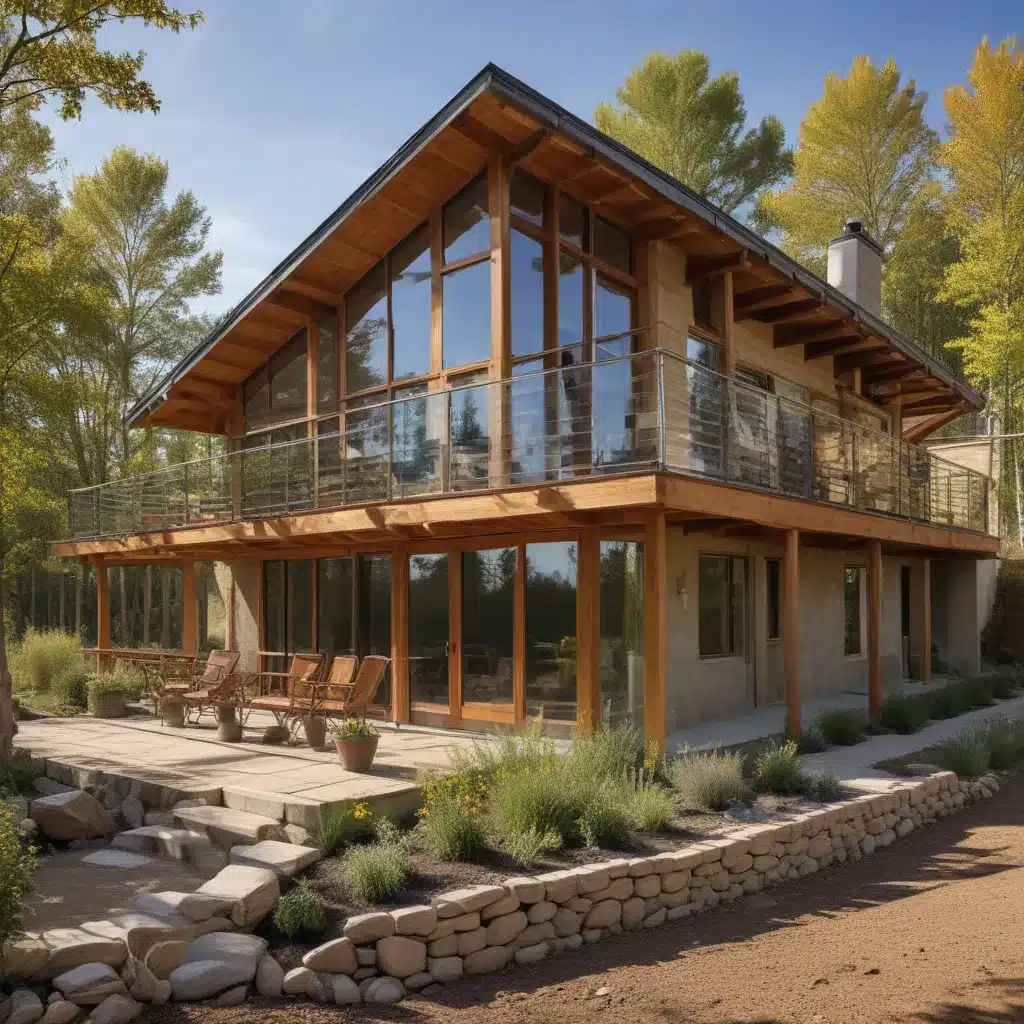
Window Placement: The placement and size of windows play a vital role in passive solar design. Large, south-facing windows act as “solar collectors,” allowing the sun’s warmth to enter the home and heat the interior surfaces. These surfaces, in turn, absorb and slowly release the heat, providing a gentle, consistent warmth throughout the day and even into the night.
Building Materials: The choice of building materials is equally important in passive solar design. Thermal mass materials, such as concrete, brick, or stone, are particularly effective in storing and releasing heat. These materials absorb the sun’s energy during the day and gradually release it, helping to maintain a comfortable temperature even as the outdoor conditions change.
By understanding and applying these principles, we can create homes that seamlessly integrate with the natural rhythms of the sun, reducing our reliance on artificial heating and cooling systems and contributing to a more sustainable future.
The Benefits of Passive Solar Homes
The benefits of designing and living in a passive solar home are numerous and far-reaching. From significant energy savings to enhanced comfort and overall well-being, the advantages of this approach to home construction are truly remarkable.
Energy Efficiency: Perhaps the most obvious benefit of passive solar design is its impressive energy efficiency. By harnessing the sun’s natural warmth and light, these homes can drastically reduce the need for energy-intensive heating and lighting systems. This translates to significant cost savings on utility bills and a smaller carbon footprint, making passive solar homes a wise investment for both the homeowner and the environment.
Thermal Comfort: Passive solar homes excel at maintaining a comfortable and consistent indoor temperature throughout the year. The strategic placement of windows and the use of thermal mass materials work together to create a natural temperature regulation system. In the winter, the sun’s warmth is absorbed and slowly released, while in the summer, the home’s design helps to minimize heat gain and maintain a cool, comfortable environment.
Improved Air Quality: Passive solar homes often feature enhanced ventilation and air circulation, which can lead to improved indoor air quality. By strategically placing windows and incorporating natural ventilation systems, these homes can promote the flow of fresh air, reducing the buildup of pollutants and creating a healthier living environment.
Increased Natural Lighting: One of the most delightful aspects of passive solar design is the abundance of natural light that fills the home. By positioning windows to capture the sun’s rays, passive solar homes can reduce the need for artificial lighting, creating a bright, airy, and uplifting atmosphere that can positively impact our mood and well-being.
Longevity and Durability: Passive solar homes, with their focus on high-quality, thermally efficient materials, tend to be more durable and long-lasting than traditional construction. This translates to lower maintenance costs and a reduced environmental impact over the lifetime of the home.
As you can see, the benefits of passive solar design extend far beyond just energy savings. These homes offer a holistic approach to sustainable living, enhancing our comfort, our health, and our connection to the natural world around us.
Designing for Natural Lighting and Heating
Now that we’ve explored the fundamental principles and the myriad benefits of passive solar homes, let’s dive deeper into the specific design strategies that can help us harness the power of natural lighting and heating.
Optimizing Window Placement: The strategic placement of windows is the cornerstone of passive solar design. By positioning large, south-facing windows, we can maximize the influx of natural light and solar heat throughout the day. These windows should be carefully sized and angled to ensure that they capture the sun’s rays at the optimal angle, allowing the warmth to penetrate deep into the living spaces.
Incorporating Thermal Mass: As mentioned earlier, the use of thermal mass materials is crucial in passive solar design. By incorporating materials like concrete, brick, or stone into the home’s structure, we can create a natural heat storage and release system. These materials absorb the sun’s warmth during the day and slowly release it at night, helping to maintain a comfortable indoor temperature.
Shading and Overhangs: To prevent overheating during the warmer months, passive solar homes often feature strategically placed overhangs or shading devices. These elements help to block the high-angle summer sun while still allowing the lower-angle winter sun to enter the home, creating a balanced and comfortable indoor environment throughout the year.
Passive Ventilation: Effective ventilation is another key component of passive solar design. By incorporating features like operable windows, strategically placed vents, and natural convection pathways, we can facilitate the flow of fresh air and help regulate the indoor temperature without the need for energy-intensive mechanical systems.
Insulation and Air-Tightness: To maximize the energy efficiency of a passive solar home, it’s essential to ensure proper insulation and air-tightness. High-performance insulation materials, combined with meticulous air sealing, help to minimize heat loss and maintain the desired indoor climate.
Integrated Design Approach: Passive solar design is not just about individual elements; it’s a holistic approach that considers the home as a complete system. By integrating all of these design strategies, we can create a harmonious and highly functional living environment that seamlessly connects the home to the natural rhythms of the sun.
Through careful planning, attention to detail, and a deep understanding of the principles of passive solar design, we can create homes that not only reduce energy consumption but also enhance the overall quality of life for their occupants.
Real-World Examples of Passive Solar Homes
To further illustrate the power of passive solar design, let’s explore a few real-world examples of homes that have successfully implemented these principles.
The Wee House, Aberdeenshire: In the rolling hills of Aberdeenshire, just a stone’s throw from Aberdeen, stands a shining example of passive solar design. The Wee House, as it’s affectionately known, was built with a strong emphasis on energy efficiency and sustainability. With its strategically placed south-facing windows, thermal mass concrete walls, and passive ventilation system, this home has achieved an impressive energy performance rating, reducing the need for artificial heating and cooling by an astounding 80%.
The Crichton Eco-Home, Dumfries: Further south, in the town of Dumfries, we find the Crichton Eco-Home, a project that has garnered national attention for its innovative approach to passive solar design. Featuring a unique V-shaped layout and a carefully crafted window system, this home maximizes natural light and heat gain throughout the year. The integration of high-performance insulation, thermal mass materials, and a ground-source heat pump has resulted in a nearly net-zero energy home, setting a new standard for sustainable living in Scotland.
The Ness Passive House, Inverness: Moving up the coast, we arrive in Inverness, where the Ness Passive House stands as a shining example of passive solar design. This meticulously planned home not only harnesses the power of the sun but also incorporates advanced building techniques, such as airtight construction and mechanical ventilation with heat recovery. The result is a cozy, comfortable, and energy-efficient haven that showcases the transformative potential of passive solar architecture.
These real-world examples demonstrate that the principles of passive solar design can be successfully implemented, even in the northern climate of Scotland. By embracing innovative approaches and integrating cutting-edge technologies, homeowners and designers alike are creating homes that embody the perfect balance of comfort, energy efficiency, and environmental responsibility.
Overcoming Challenges and Misconceptions
While the benefits of passive solar design are undeniable, there are, of course, some challenges and misconceptions that must be addressed. Let’s explore a few of these and discuss how we can overcome them.
Misconception: Passive Solar Homes are Expensive: One of the most common misconceptions about passive solar homes is that they are inherently more expensive to build. However, this is not always the case. When designed and executed properly, the long-term energy savings and reduced operational costs can often offset the initial investment, making passive solar homes a wise financial choice for homeowners.
Challenge: Adapting to Local Climate Conditions: Every region has its own unique climate, and passive solar design must be tailored accordingly. What works well in the sunny, temperate climes of southern Europe may not be as effective in the cooler, cloudier conditions of northern Scotland. Overcoming this challenge requires a deep understanding of local weather patterns and a willingness to experiment with different design strategies.
Misconception: Passive Solar Homes are Uncomfortable: Some people may be hesitant about passive solar design, fearing that their homes will be too hot in the summer and too cold in the winter. However, with the right combination of thermal mass, shading, and ventilation, passive solar homes can maintain a comfortable and consistent indoor temperature throughout the year, often surpassing the performance of traditional homes.
Challenge: Integrating with Existing Homes: For those looking to retrofit their existing homes with passive solar design elements, the process can be more complex. Factors like building orientation, window placement, and the integration of thermal mass materials must be carefully considered. Working with experienced designers and contractors is crucial to overcome these challenges and ensure a successful renovation.
Misconception: Passive Solar Homes Require Constant Monitoring: Another common misconception is that passive solar homes require constant monitoring and adjustment to maintain their efficiency. While some level of user involvement is necessary, the well-designed passive solar home is largely self-regulating, requiring minimal intervention from the homeowner.
By addressing these challenges and misconceptions head-on, we can dispel the notion that passive solar design is too complex or costly, and instead showcase the remarkable benefits and possibilities of this sustainable approach to home construction.
Embracing the Future of Passive Solar Design
As we look to the future, the potential for passive solar design to transform the way we build and live in our homes is truly exciting. With advancements in building materials, energy-efficient technologies, and a growing awareness of the need for sustainable solutions, the possibilities are endless.
One particularly promising area of innovation is the integration of renewable energy systems, such as solar photovoltaic panels, with passive solar design. By combining these two complementary approaches, we can create truly net-zero energy homes that generate as much power as they consume, further reducing our reliance on fossil fuels and our impact on the environment.
Additionally, the continued development of smart home technologies can enhance the functionality of passive solar homes. Automated shading systems, intelligent ventilation controls, and seamless integration with renewable energy sources can all work together to optimize the performance of these homes, making them even more energy-efficient and user-friendly.
As we move forward, it’s crucial that we continue to educate and inspire homeowners, designers, and builders about the transformative power of passive solar design. By sharing success stories, showcasing innovative projects, and providing practical guidance, we can help to make this sustainable approach to home construction a mainstream reality.
At our building and renovation company, ABC Home, we are committed to leading the charge in passive solar design. Our team of experienced professionals is dedicated to helping homeowners in Aberdeen and throughout Scotland create the homes of the future – homes that celebrate the natural rhythms of the sun and provide unparalleled comfort, energy efficiency, and environmental stewardship.
So, as we look to the horizon, let’s embrace the exciting possibilities of passive solar design and work together to create a future where our homes are not just places of refuge, but true sanctuaries that connect us to the natural world and inspire us to live more sustainably.