
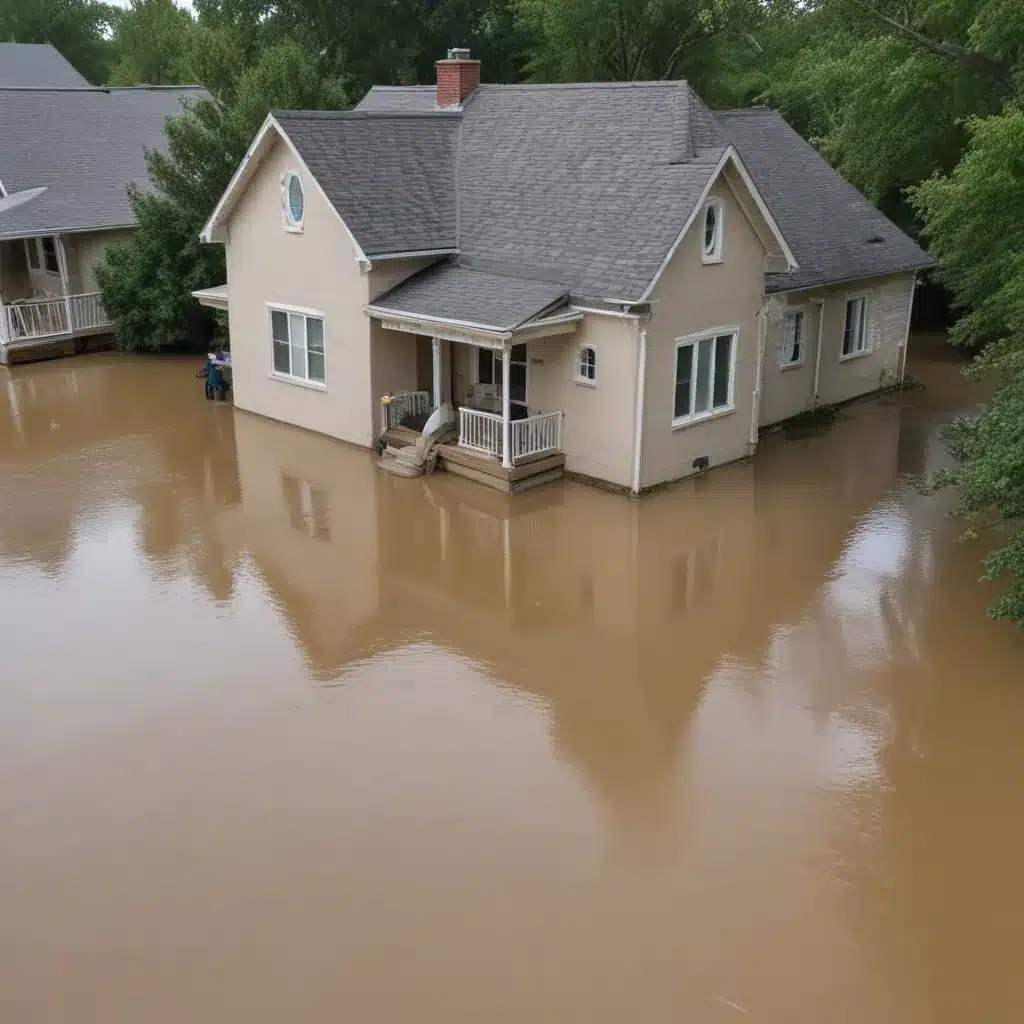
Understanding the Flood Threat in Aberdeen
As an Aberdeen resident, I know all too well the persistent threat of flooding that hangs over our city. Whether it’s the River Dee overflowing its banks or the North Sea surge testing the limits of our coastal defenses, the risk of water damage is a constant concern for homeowners like myself. I’ve witnessed firsthand the devastation that a sudden deluge can bring, with precious possessions ruined and the burden of costly repairs weighing heavily on families.
However, the reality is that flood risk is not equally distributed across Aberdeen. Some neighborhoods, such as those situated along the riverbanks or in low-lying areas, face a heightened probability of inundation compared to others perched atop the city’s picturesque hills. Understanding the specific flood hazards in your local area is the crucial first step in fortifying your property against this persistent threat.
Have you ever wondered how flood risk is assessed in Aberdeen? The Scottish Environment Protection Agency (SEPA) maintains detailed flood maps that categorize different zones based on the likelihood of flooding. These designations range from high-risk areas, where there’s a 1-in-10 chance of flooding in any given year, to low-risk zones with a 1-in-200 annual probability. Consulting these resources can provide invaluable insights into the unique challenges faced by your home or business.
But maps and statistics only tell part of the story. The true nature of flood risk in Aberdeen is inextricably linked to the city’s unique geography and weather patterns. As a coastal settlement nestled along the banks of the River Dee, we’re doubly exposed to the perils of rising tides and swelling rivers. And with climate change intensifying the frequency and severity of extreme precipitation events, the floodwaters seem to be creeping ever closer to our doorsteps.
Assessing the Vulnerability of Your Property
Now that we’ve established the broader context of flood risk in Aberdeen, it’s time to turn our attention to the specifics of your property. What factors contribute to its susceptibility to water damage, and how can you identify the weak points that need reinforcement?
One of the most crucial considerations is the elevation of your home or business. Properties situated in low-lying areas or floodplains are naturally more prone to inundation, as they’re the first to be submerged when water levels rise. Have you ever wondered how your building’s elevation compares to the predicted flood levels for your neighborhood? Knowing this information can be a game-changer in developing an effective flood mitigation strategy.
But elevation isn’t the only factor at play. The construction materials and techniques used in your property can also profoundly impact its resilience. Buildings with basements, for instance, are particularly vulnerable to water intrusion, as the underground spaces provide a direct pathway for floodwaters to seep in. And older structures, with their dated plumbing and drainage systems, may be ill-equipped to handle the deluge.
Have you ever noticed cracks or gaps in the foundation of your building? These seemingly innocuous flaws can quickly transform into gateways for floodwaters, allowing water to infiltrate the very heart of your property. Identifying and addressing such vulnerabilities should be a top priority in your flood preparedness efforts.
But it’s not just the physical structure of your building that matters. The contents and furnishings within can also determine the extent of the damage should a flood occur. Precious heirlooms, electronics, and important documents stored in low-lying areas or in the basement are especially at risk of being ruined by rising waters. Have you ever wondered how you could safeguard your most valuable possessions against the ravages of a flood?
Fortifying Your Property: Flood-Proofing Strategies
Now that we’ve thoroughly assessed the unique flood risks faced by your property, it’s time to explore the myriad strategies and solutions available to fortify your home or business against the threat of water damage. From simple DIY projects to large-scale engineering feats, there’s no shortage of options to choose from.
One of the most straightforward and cost-effective measures is the installation of flood barriers. These specialized gates, panels, or sandbags can be deployed around the entrances to your building, creating a physical obstacle to prevent floodwaters from seeping in. Have you ever wondered how effective these barriers can be in protecting your property? The key is to ensure a proper seal, as even the smallest crack or crevice can undermine their efficacy.
But flood barriers are just the tip of the iceberg when it comes to flood-proofing your property. Have you ever considered the potential benefits of elevating your building’s critical infrastructure, such as electrical systems, HVAC equipment, and water heaters? By relocating these essential components to higher ground, you can significantly reduce the risk of water damage and ensure the continued functioning of your property during a flood event.
And let’s not forget about the importance of proper drainage and water management around your building. Ensuring that your gutters, downspouts, and stormwater systems are in good working order can go a long way in diverting excess water away from your property’s foundation. Have you ever noticed areas of your building where water tends to pool or accumulate? These are prime targets for targeted drainage improvements.
But the most comprehensive flood-proofing strategy often involves a combination of measures, tailored to the unique characteristics of your property. Have you ever explored the possibility of incorporating natural features, such as landscape berms or rain gardens, to enhance your property’s resilience? These innovative solutions not only bolster your defenses against floodwaters but also contribute to the overall aesthetic appeal of your home or business.
Preparing for the Worst: Developing a Flood Response Plan
Even with the most robust flood-proofing measures in place, the reality is that no property is entirely immune to the devastating effects of rising waters. As an Aberdeen homeowner, I’ve learned the hard way that being proactive and having a well-crafted emergency plan can make all the difference in the world when disaster strikes.
Have you ever considered what you would do if a flood warning was issued for your neighborhood? Would you know how to safely evacuate your property, protecting your family and your most valuable possessions in the process? Developing a comprehensive flood response plan, complete with clearly defined roles and responsibilities, can be a game-changer in the midst of a crisis.
And let’s not forget the importance of maintaining an up-to-date inventory of your property’s contents. Have you ever wondered how you would go about filing an insurance claim in the aftermath of a flood? By meticulously documenting your belongings, both through written records and photographic evidence, you can streamline the process and ensure that you receive the full compensation you’re entitled to.
But emergency preparedness isn’t just about safeguarding your physical property. It’s also about ensuring the well-being of your loved ones and the broader community. Have you ever explored the possibility of joining a local flood response team or volunteering with a disaster relief organization? By leveraging your skills and resources, you can play a vital role in supporting your neighbors during times of crisis.
Navigating the Flood Recovery Process
No matter how diligently you’ve prepared, the aftermath of a flood can be a daunting and overwhelming experience. As an Aberdeen homeowner who’s been through this ordeal, I know firsthand the emotional and financial toll it can take. But with the right mindset and a solid action plan, it is possible to emerge from the chaos stronger and more resilient than ever before.
Have you ever wondered where to even begin when it comes to flood recovery? The first step is to carefully assess the extent of the damage and document it thoroughly. This documentation, coupled with your pre-existing inventory, will be crucial in navigating the insurance claims process and securing the necessary funding for repairs.
But the restoration process doesn’t end there. Have you ever considered the importance of proper drying and dehumidification to prevent the growth of mold and mildew? Failing to address these issues can lead to long-term health hazards and further damage to your property. It’s a delicate balancing act, but with the right expertise and resources, it’s possible to reclaim your home or business and make it safer and more flood-resistant than ever before.
And let’s not forget the emotional toll that a flood can take on a family or a community. Have you ever wondered how you might support your neighbors in the aftermath of a disaster? Whether it’s lending a helping hand with the cleanup efforts or simply offering a listening ear, small acts of kindness can go a long way in restoring a sense of hope and resilience.
Embracing the Future: Building Flood-Resilient Communities
As we look to the years and decades ahead, it’s clear that the threat of flooding in Aberdeen is only going to intensify. With climate change fueling more extreme weather patterns and sea levels steadily rising, the need for comprehensive, community-wide flood mitigation strategies has never been more pressing.
Have you ever wondered what role you can play in shaping the flood-resilient future of our beloved city? It starts with advocating for robust infrastructure investments, such as upgraded stormwater management systems and reinforced coastal defenses. By working in partnership with local authorities and fellow residents, we can ensure that our homes and businesses are better equipped to withstand the ravages of rising waters.
But flood resilience isn’t just about physical fortifications – it’s also about fostering a deep sense of community preparedness and mutual support. Have you ever considered the benefits of organizing neighborhood-level emergency response drills or establishing a network of flood-experienced mentors? By cultivating a culture of awareness and collaboration, we can empower one another to confront the challenges ahead with confidence and resilience.
And let’s not forget the importance of embracing innovative, nature-based solutions to flood mitigation. Have you ever explored the potential of urban green spaces, living shorelines, and permeable surfaces to help absorb and redirect excess water? These cutting-edge approaches not only bolster our defenses against flooding but also enhance the overall livability and sustainability of our city.
As an Aberdeen homeowner, I’m committed to doing my part in building a future where our properties and our community are better prepared to weather the storm. By harnessing the power of knowledge, collaboration, and forward-thinking solutions, we can transform our city into a shining example of flood-resilient living. Let’s work together to protect our cherished homes and businesses, and ensure that Aberdeen remains a vibrant, thriving place for generations to come.


