The Chilly Reality of Uninsulated Homes
As the nights draw in and the mercury starts to plummet, I can’t help but dread the arrival of another bitterly cold Scottish winter. You see, I’ve been there and done that – shivering under layers of blankets, huddled around a space heater, cursing the icy drafts that creep through every tiny crack and crevice. It’s enough to make even the hardiest Aberdonian long for the sun-drenched beaches of the Mediterranean.
But the thing is, it doesn’t have to be this way. With the right insulation upgrades, you can transform your home into a warm, cozy oasis – no matter how wild and woolly it gets outside. I’ve seen it happen time and time again, both in my own place and for countless clients. The difference is nothing short of transformative.
Just imagine: no more aching joints from the chill, no more eye-watering gusts whistling through the windows, no more sky-high heating bills that make your heart sink. Instead, you can bask in the gentle, enveloping warmth of a properly insulated home – one that traps heat in and keeps the cold firmly outside where it belongs.
The Insulation Conundrum: What You Need to Know
Of course, the world of insulation isn’t always a straightforward one. There are so many different materials, methods, and R-values to navigate – it can feel a bit like trying to navigate a maze blindfolded. But fear not, my friends, for I’m here to be your trusty guide.
Let’s start with the basics. Insulation works by creating a barrier that slows the transfer of heat. The more effective the insulation, the better it is at trapping warmth inside your home and preventing it from seeping out. This is measured by something called the R-value, which basically tells you how good the insulation is at its job.
Generally speaking, the higher the R-value, the better the insulation. But it’s not quite as simple as just going for the highest number you can find. Different insulation materials have different R-values per inch, and the amount you need will depend on factors like the climate, the construction of your home, and your specific energy efficiency goals.
For example, let’s say you’re looking to insulate your loft. Mineral wool might be a great option, with an R-value of around 2.5 per inch. But if you’re insulating your walls, you’d probably want to go for something with a higher R-value per inch, like rigid foam (around 5-6.5 per inch) or spray foam (around 6-7 per inch). See, told you it wasn’t simple!
And that’s just the tip of the iceberg. There’s also the matter of installation – some insulation types are easier to DIY than others, and some require professional expertise. Then there’s the question of cost, environmental impact, and fire safety to consider. Phew, it’s enough to make your head spin, isn’t it?
The Transformative Power of Proper Insulation
But you know what? It’s all worth it in the end. Because when you get that insulation right, the benefits are truly game-changing. Let me give you a little taste of what I’m talking about.
First and foremost, there’s the comfort factor. Imagine sinking into your favorite armchair, wrapped in a cozy blanket, without a single shiver or goosebump in sight. No more tiptoeing around the house in thermal socks and fingerless gloves, hoping to eke out a few more degrees of warmth. Just pure, blissful coziness, from the moment you wake up to the moment you drift off to sleep.
And then there’s the financial side of things. Properly insulated homes require far less energy to heat, which means lower utility bills and a lighter load on your wallet. We’re talking hundreds, even thousands of pounds in savings every year – money that you can put towards other home upgrades, a luxurious winter getaway, or maybe just a few extra rounds at your local.
But the benefits don’t stop there. Insulation also plays a crucial role in reducing your carbon footprint and protecting the environment. By using less energy to heat your home, you’re directly cutting down on greenhouse gas emissions and doing your bit to combat climate change. And let’s not forget the positive impact on air quality, too – no more smoky, inefficient heating systems polluting the air inside your cozy abode.
Insulation Upgrades: A Worthwhile Investment
I know, I know – it all sounds amazing, but you’re probably wondering, “Okay, but how much is this going to cost me?” And that’s a fair question. Insulation upgrades can definitely be a significant investment upfront, but trust me when I say it’s one that pays off in spades.
The exact cost will depend on the size of your home, the type of insulation you choose, and whether you tackle the project yourself or hire a professional. But as a general rule of thumb, you’re looking at anywhere from £500 to £5,000 or more for a full-scale insulation overhaul.
Sure, that might seem like a lot of money. But when you factor in the long-term savings on your energy bills, not to mention the improved comfort and environmental benefits, it becomes a no-brainer. And let’s not forget – a well-insulated home is also a more valuable home, should you ever decide to sell.
Of course, I get that finding that initial lump sum can be a challenge. That’s why I always encourage my clients to explore any available government grants or subsidies that could help offset the costs. These can make a huge difference, especially for those on tighter budgets.
And if you’re still feeling a bit apprehensive, just remember this: insulation is an investment in your home, your health, and the planet. It’s not just about staying snug and cozy through the winter – it’s about creating a more sustainable, energy-efficient future for yourself and your community.
Insulation Solutions for Every Home
Now, I know what you’re thinking – “Alright, I’m convinced. But where do I even start?” Well, my friend, that’s where I come in. As a building and renovation specialist, I’ve got a wealth of experience when it comes to helping homeowners like you navigate the wonderful world of insulation.
First things first, let’s talk about the different types of insulation and where they work best. As I mentioned earlier, the R-value is key, but there are other factors to consider too. Rigid foam, for example, is perfect for insulating walls, while blown-in cellulose or fiberglass is ideal for attics and hard-to-reach spaces.
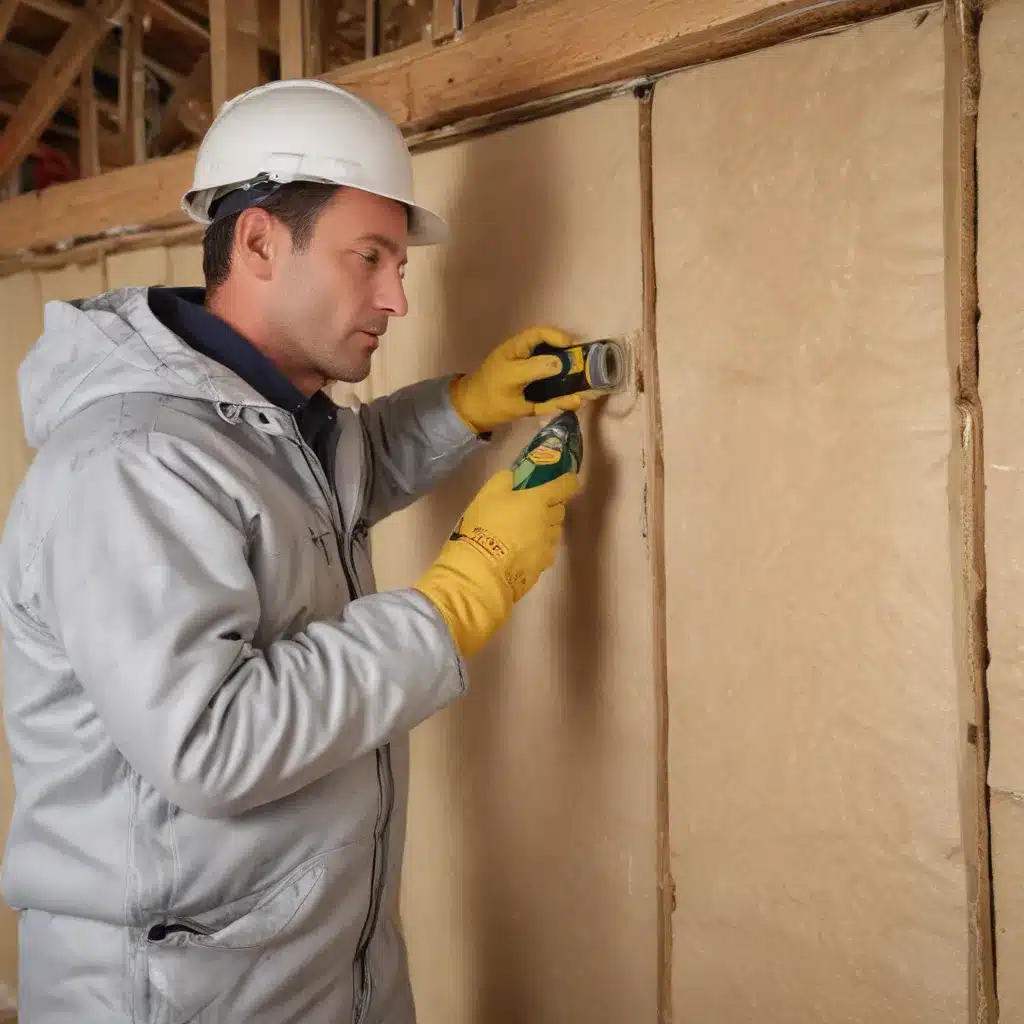
And then there’s the installation method to think about. Some insulation, like batt or rolled insulation, is relatively straightforward to DIY. Others, like spray foam, require a professional touch. Heck, there are even some insulation types that can be installed from the outside, without the need to disrupt your living spaces.
Of course, the type of insulation that’s right for your home will depend on a whole host of factors. That’s why it’s always a good idea to have a professional assessment before you dive in. They can assess your home’s unique needs, provide personalized recommendations, and help you weigh up the pros and cons of each option.
Real-Life Insulation Success Stories
But don’t just take my word for it – let me share a few real-life examples of the kind of transformation insulation can bring. Take my neighbor, for instance, Mrs. Henderson. She’s been battling drafty old windows and a leaky roof for years, and her energy bills were through the roof. But after investing in some high-performance insulation and air sealing, she’s seen a whopping 30% reduction in her heating costs. And the best part? She says her home is so much cosier and more comfortable now.
Or how about the Wilson family, who live just a few streets over? They decided to tackle their attic insulation as part of a bigger renovation project, and the results have been nothing short of spectacular. Not only have they slashed their energy usage by a good 25%, but they’ve also noticed a significant improvement in their indoor air quality. No more stuffy, stagnant air – just fresh, clean and toasty-warm bliss.
And then there’s my old friend, Tom, who runs a local B&B. He was always concerned about the environmental impact of his business, so he decided to invest in some cutting-edge spray foam insulation for the entire building. The difference has been remarkable – not only has he seen a 40% drop in his energy bills, but his guests have been raving about the cozy, comfortable atmosphere. Plus, he’s now able to market his B&B as a eco-friendly, sustainable option for travelers. Win-win all around!
Insulation: The Gift that Keeps on Giving
So there you have it, folks – the transformative power of insulation, laid bare. From improved comfort and cost savings to a greener footprint and higher property values, the benefits are truly endless. And let’s not forget the peace of mind that comes with knowing your home is safe, snug, and protected from the worst that Mother Nature can throw at it.
Now, I know what you’re thinking – “Okay, I’m convinced. But where do I go from here?” Well, my friends, that’s where ABC Home comes in. As a leading building and renovation specialist in the heart of Aberdeen, we’ve got the expertise, the tools, and the passion to help you transform your home into a warm, cozy oasis.
Whether you’re looking to insulate your walls, your roof, or your entire home, we’ve got you covered. Our team of experienced professionals will work with you every step of the way, from the initial assessment to the final installation. And with a range of eco-friendly, high-performance insulation solutions to choose from, you can rest assured that your investment will pay dividends for years to come.
So what are you waiting for? Take the plunge and say goodbye to those chilly winter woes once and for all. Trust me, your future self will thank you. And who knows – maybe next year, you’ll be the one hosting the ultimate cozy gathering, with a toasty-warm home that’s the envy of all your friends.