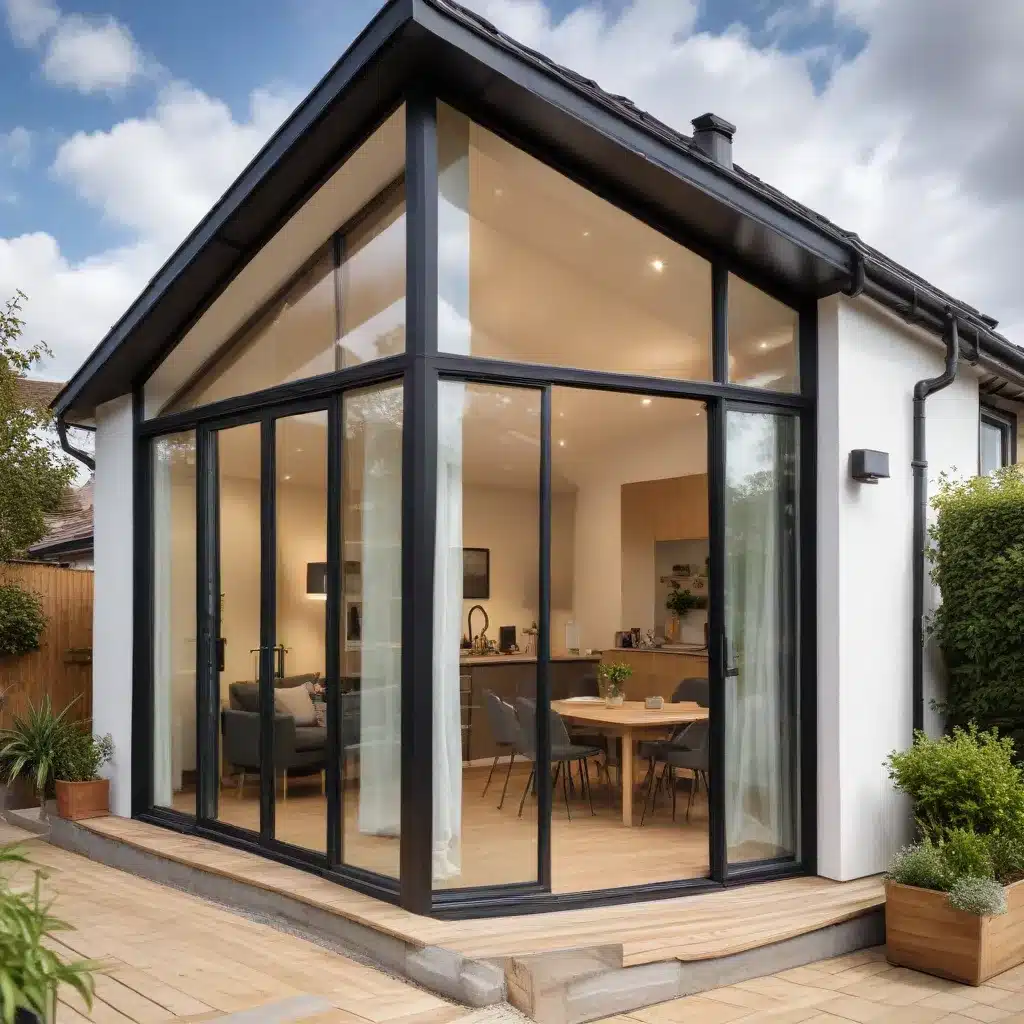
As an experienced home extension consultant, I’m excited to share my insights on how to budget for a sustainable home extension project. In today’s world, it’s more important than ever to consider the environmental impact of our home improvements. By focusing on energy efficiency, water conservation, and material selection, we can create beautiful, functional spaces while minimizing our carbon footprint.
Sustainable Home Design Considerations
When planning a home extension, it’s crucial to prioritize sustainable design strategies from the outset. This will not only benefit the environment but also result in long-term cost savings for you and your family.
Energy Efficiency Strategies
One of the key aspects of sustainable home design is maximizing energy efficiency. This can be achieved through the use of high-performance insulation, such as structural insulated panels (SIPs), which offer superior thermal performance compared to traditional framing. Additionally, incorporating passive solar design principles, like strategic window placement and overhangs, can help regulate indoor temperatures and reduce the need for heating and cooling.
Integrating renewable energy sources, such as solar panels or geothermal systems, is another important consideration. As the Avis Budget Group highlights, “We aim to provide sustainable mobility options by leveraging technology and investing in fuel-efficient, hybrid, and electric vehicles.” This same ethos can be applied to your home extension, ensuring it is powered by clean, renewable energy.
Water Conservation Measures
Water conservation is another key aspect of sustainable home design. By incorporating features like low-flow plumbing fixtures, greywater systems, and rainwater harvesting, you can significantly reduce your home’s water consumption and lessen the strain on local water resources. The University of Kentucky Cooperative Extension Service offers valuable guidance on water-efficient landscaping and irrigation strategies that can be applied to your home extension project.
Material Selection
The materials you choose for your home extension can have a significant impact on its environmental footprint. Opt for eco-friendly, sustainably sourced materials like reclaimed wood, recycled steel, or bamboo. These not only reduce the embodied energy of your project but also contribute to a healthier indoor environment by minimizing the use of volatile organic compounds (VOCs) and other harmful chemicals.
Home Extension Cost Factors
When budgeting for your sustainable home extension, it’s important to consider the various cost factors involved. These can include construction costs, permit and inspection fees, and professional fees.
Construction Costs
The construction costs for a home extension can vary widely, depending on the size, complexity, and sustainable features you choose to incorporate. As reported by the Governor of New York, the state’s budget includes significant investments in infrastructure and sustainability initiatives, which can help offset the costs of your home extension project.
Permit and Inspection Fees
Obtaining the necessary permits and passing inspections is a crucial aspect of any home extension project. These fees can add to your overall budget, but they are essential to ensuring your extension is built to code and meets all safety and sustainability standards.
Professional Fees
Hiring experienced professionals, such as architects, engineers, and sustainable design consultants, can also contribute to the overall cost of your home extension. However, their expertise can be invaluable in optimizing the energy efficiency, water conservation, and material selection for your project.
Financing Options for Home Extensions
Fortunately, there are several financing options available to help you achieve your sustainable home extension goals.
Mortgage Refinancing
One popular option is to refinance your existing mortgage to access the equity in your home and fund your extension project. This can provide a lower interest rate and potentially longer repayment terms, making the project more affordable.
Home Equity Loans
Another option is to take out a home equity loan, which allows you to borrow against the value of your home. These loans often have lower interest rates than personal loans or credit cards, making them a practical choice for financing your sustainable home extension.
Government Incentives
Many local and national governments offer incentives and rebates for homeowners who incorporate sustainable features into their home improvements. As highlighted by Elemental Green, these can include tax credits, grants, or low-interest loans to help offset the upfront costs of your project.
Budgeting and Cost Estimation
Creating a detailed project scope and cost breakdown is essential for effectively budgeting your sustainable home extension.
Detailed Project Scope
Begin by outlining the specific components of your home extension, including the square footage, number of rooms, and any sustainable features you plan to incorporate. This will help you accurately estimate the construction costs and identify potential areas for cost savings.
Cost Breakdown by Category
Next, break down your budget into various categories, such as construction, materials, professional fees, and permits. This will give you a clear picture of where your money is being spent and help you identify opportunities to optimize your spending.
Contingency Planning
It’s also crucial to include a contingency budget to account for unexpected expenses that may arise during the project. A good rule of thumb is to allocate an additional 10-20% of your total budget for contingencies.
Sustainable Home Extension Maintenance
Maintaining the sustainability of your home extension is an ongoing process that requires careful planning and budgeting.
Ongoing Energy Monitoring
Regularly monitoring your home’s energy usage can help you identify opportunities for further efficiency improvements and ensure your sustainable features are performing as expected. This may involve installing smart home technology or working with an energy auditor.
Repair and Replacement Budgeting
Set aside funds for the repair and replacement of your home extension’s sustainable components, such as solar panels, water-efficient fixtures, or insulation. This will help you avoid costly unexpected expenses down the line.
Eco-friendly Cleaning and Upkeep
Choose eco-friendly cleaning products and maintenance practices to keep your home extension in top condition while minimizing its environmental impact.
Regulations and Compliance
Before embarking on your sustainable home extension project, it’s essential to familiarize yourself with the relevant local building codes, zoning requirements, and sustainability certification programs.
Local Building Codes
Ensure your home extension design and construction methods comply with all local building codes and regulations. This may include energy efficiency standards, water conservation requirements, and materials restrictions.
Zoning and Permitting Requirements
Consult with your local authorities to understand the zoning and permitting requirements for your home extension project. This may involve obtaining permits for structural changes, electrical work, or plumbing modifications.
Sustainability Certification Programs
Consider pursuing a sustainability certification, such as LEED (Leadership in Energy and Environmental Design) or the Living Building Challenge, to demonstrate the environmental performance of your home extension. These programs can also provide valuable guidance on sustainable design strategies.
Maximizing Energy Savings
By incorporating passive solar design principles and integrating renewable energy sources, you can significantly reduce the energy consumption of your home extension and lower your long-term operating costs.
Passive Solar Design
Optimize the placement and size of windows, as well as the orientation of your home extension, to harness the power of the sun for natural heating and cooling. This can include features like strategic overhangs, thermal mass, and cross-ventilation.
Renewable Energy Integration
Integrate renewable energy sources, such as solar panels or a geothermal system, to generate clean, sustainable power for your home extension. This can help you achieve net-zero energy or even net-positive energy status, where your home produces more energy than it consumes.
Smart Home Technology
Leverage smart home technology, such as programmable thermostats, energy-efficient appliances, and automated lighting controls, to further optimize the energy efficiency of your home extension.
Sustainable Landscaping Considerations
The landscaping around your home extension can also play a significant role in its overall sustainability.
Xeriscaping and Native Plants
Incorporate drought-resistant, native plants into your landscaping design to minimize the need for water-intensive irrigation. This approach, known as xeriscaping, can significantly reduce your home extension’s water consumption.
Rainwater Harvesting
Install a rainwater harvesting system to collect and store precipitation for landscape irrigation or other non-potable uses, further reducing your reliance on municipal water supplies.
Outdoor Living Spaces
Create sustainable outdoor living spaces, such as covered patios or pergolas, to extend your home’s living area while providing natural shade and reducing the need for energy-intensive cooling.
By considering these sustainable design strategies, financing options, and maintenance best practices, you can create a beautiful, functional, and environmentally responsible home extension that will serve your family for years to come. Remember, even small steps towards sustainability can make a big difference in reducing your carbon footprint and building a more resilient, energy-efficient home.
If you’d like to learn more about our home extension services and how we can help you achieve your sustainable goals, please visit our website. Our team of experienced consultants is here to guide you through every step of the process, from design to construction and beyond.