Environmental Considerations
When planning a home extension, it’s crucial to consider the environmental impact from the very beginning. After all, a sustainable extension not only reduces your carbon footprint, but also creates a healthier living environment for you and your family. Let’s dive into some key environmental factors to address.
Energy Efficiency
One of the most important aspects of sustainable home design is maximizing energy efficiency. This can be achieved through strategies like enhanced insulation, high-performance windows, and efficient HVAC systems. By minimizing energy usage, you’ll lower your utility bills and contribute to a greener future. Consulting with a LEED-accredited professional can help identify the best energy-saving solutions for your home.
Materials Selection
The materials used in your home extension play a significant role in its environmental impact. Opt for eco-friendly, low-embodied carbon options like sustainably-sourced timber, recycled steel, and natural stone. Avoid materials with high toxicity, such as certain paints and adhesives, as they can compromise indoor air quality. Look for products with certifications like Forest Stewardship Council (FSC) to ensure responsible sourcing.
Renewable Energy Integration
Integrating renewable energy sources, such as solar panels or geothermal systems, can transform your home extension into a self-sustaining powerhouse. Not only will this reduce your reliance on fossil fuels, but it can also provide long-term energy cost savings. Consult with renewable energy experts to determine the best solutions for your specific project and location.
Health and Wellbeing
Sustainable home design isn’t just about reducing environmental impact – it’s also about creating a healthier living environment for you and your family. Let’s explore how your home extension can promote occupant health and wellbeing.
Indoor Air Quality
Ensuring excellent indoor air quality is a top priority for any sustainable home extension. This can be achieved through strategies like increased ventilation, the use of low-VOC materials, and the incorporation of air-purifying plants. By minimizing exposure to harmful pollutants, you can create a safer and more comfortable living space.
Daylighting and Ventilation
Abundant natural light and proper ventilation are essential for supporting occupant health and wellbeing. Strategically placed windows, skylights, and passive ventilation systems can enhance the flow of fresh air and daylight, improving mood, productivity, and overall comfort.
Biophilic Design
Incorporating elements of nature into your home extension can have a profound impact on occupant wellbeing. Biophilic design, which seeks to connect people with the natural world, can include features like indoor gardens, living walls, and natural materials. These elements have been shown to reduce stress, improve cognitive function, and promote a sense of calm.
Occupant Comfort
Sustainable home design isn’t just about the environment and health – it’s also about ensuring your family’s comfort and enjoyment of the space. Let’s explore how to create a comfortable living environment.
Thermal Comfort
Maintaining a comfortable indoor temperature is crucial for occupant satisfaction. Through proper insulation, efficient HVAC systems, and strategic window placement, you can achieve optimal thermal comfort year-round, regardless of the outside weather.
Acoustic Comfort
Noise can have a significant impact on our wellbeing, so it’s essential to prioritize acoustic comfort in your home extension. Strategies like soundproofing, acoustic zoning, and the use of sound-absorbing materials can help create a peaceful, tranquil environment.
Visual Comfort
Proper lighting design, both natural and artificial, can enhance visual comfort and create a pleasant, inviting atmosphere. Consider incorporating dimmable fixtures, task lighting, and strategic placement of windows to provide the right balance of illumination throughout your home extension.
Regulatory Compliance
Sustainable home design is not only about creating a healthier, more comfortable living environment – it also requires navigating a complex web of building codes, standards, and sustainability certifications. Let’s explore how to ensure your project meets the necessary requirements.
Building Codes and Standards
When planning your home extension, be sure to familiarize yourself with the latest building codes and standards in your area. These may include energy efficiency requirements, indoor air quality standards, and accessibility guidelines. Consulting with a local building professional can help ensure your project is compliant.
Sustainability Certification
Pursuing a sustainability certification, such as LEED or WELL, can provide a roadmap for creating a truly sustainable home extension. These programs offer a comprehensive framework for addressing environmental, health, and comfort considerations, and can also help you qualify for various incentives and rebates.
Permitting and Approvals
Don’t forget to factor in the necessary permitting and approvals process for your home extension. This may involve obtaining permits from local authorities, as well as seeking approval from homeowners’ associations or historic preservation boards, if applicable. Engaging with these stakeholders early in the process can help ensure a smooth and successful project.
Design Strategies
With the environmental, health, and regulatory considerations in mind, let’s explore some effective design strategies for your sustainable home extension.
Passive Design Principles
Incorporating passive design principles, such as optimal building orientation, strategic shading, and natural ventilation, can significantly reduce your energy consumption and improve overall comfort. These low-tech solutions leverage the site’s natural features to create a more sustainable and efficient home.
Adaptive Reuse
Repurposing existing structures, rather than demolishing and rebuilding, is a sustainable approach that can reduce waste and minimize the environmental impact of your home extension. Consider exploring options for adapting and renovating existing spaces to meet your needs.
Modular Construction
Modular construction, which involves the prefabrication of building components off-site, can streamline the construction process and reduce waste. This approach also allows for greater precision and quality control, contributing to a more sustainable final product.
Holistic Approach
Sustainable home design requires a holistic, collaborative approach that considers the interconnected nature of environmental, health, and comfort factors. Let’s explore how to adopt this mindset.
Interdisciplinary Collaboration
Engaging with a diverse team of professionals, including architects, engineers, sustainability consultants, and interior designers, can help ensure a comprehensive and integrated approach to your home extension. This collaborative effort can help identify synergies, address potential trade-offs, and create a truly sustainable living environment.
Post-Occupancy Evaluation
Once your home extension is complete, consider conducting a post-occupancy evaluation to assess the performance and occupant satisfaction. This feedback can inform future design decisions, help identify areas for improvement, and contribute to the ongoing refinement of sustainable home design practices.
User Engagement
Involving the end-users – you and your family – throughout the design and construction process can help ensure the home extension meets your needs and expectations. Incorporating their feedback and preferences can lead to a more tailored, user-centric solution that promotes long-term satisfaction and engagement.
Cost and Financial Implications
While sustainable home design may require a higher upfront investment, the long-term benefits often outweigh the initial costs. Let’s explore the financial considerations and potential savings.
Upfront Investments
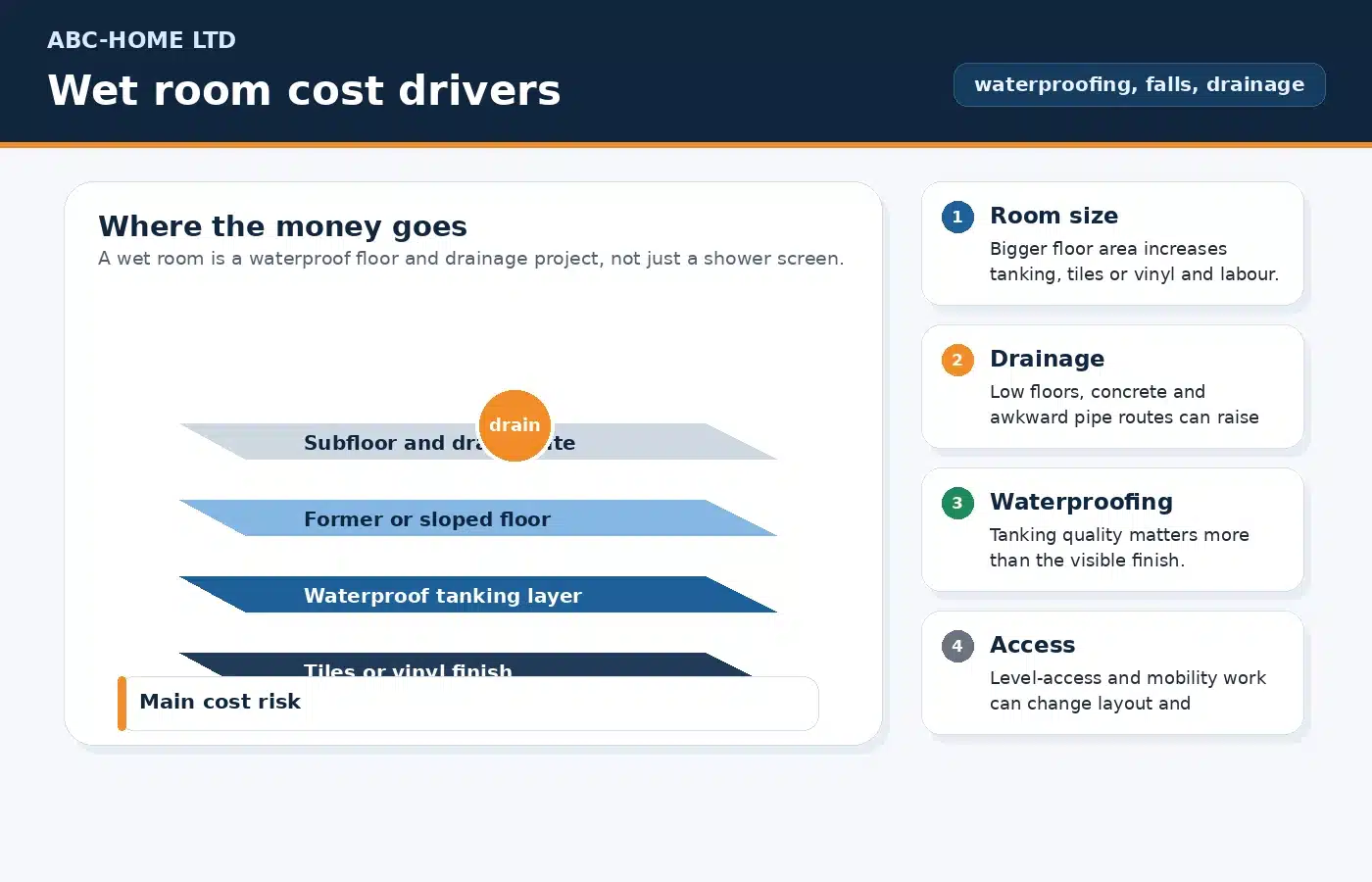
Incorporating sustainable features, such as high-performance insulation, renewable energy systems, and advanced building materials, can increase the initial construction costs. However, these investments often pay dividends in the form of reduced energy bills and increased property value.
Long-Term Operational Savings
The energy-efficient and low-maintenance design of a sustainable home extension can result in significant long-term operational savings. This includes lower utility bills, reduced maintenance costs, and potentially increased property value when it comes time to sell.
Incentives and Rebates
Depending on your location, there may be various incentives and rebates available to homeowners who implement sustainable design strategies. These can include tax credits, energy-efficiency rebates, and green building certification program incentives. Researching these opportunities can help offset the upfront costs of your sustainable home extension.
Societal Impact
Sustainable home design not only benefits the environment and your family’s wellbeing, but it can also have a positive impact on the broader community. Let’s explore these wider societal implications.
Community Engagement
By incorporating sustainable design elements that enhance the livability and accessibility of your home extension, you can contribute to the overall quality of life in your neighborhood. This can include features like community gardens, shared green spaces, and pedestrian-friendly infrastructure.
Neighborhood Integration
Thoughtfully integrating your home extension into the existing neighborhood can help foster a sense of community and social cohesion. This can involve respecting the local architectural style, maintaining visual continuity, and creating spaces that encourage interaction and engagement with your neighbors.
Equity and Accessibility
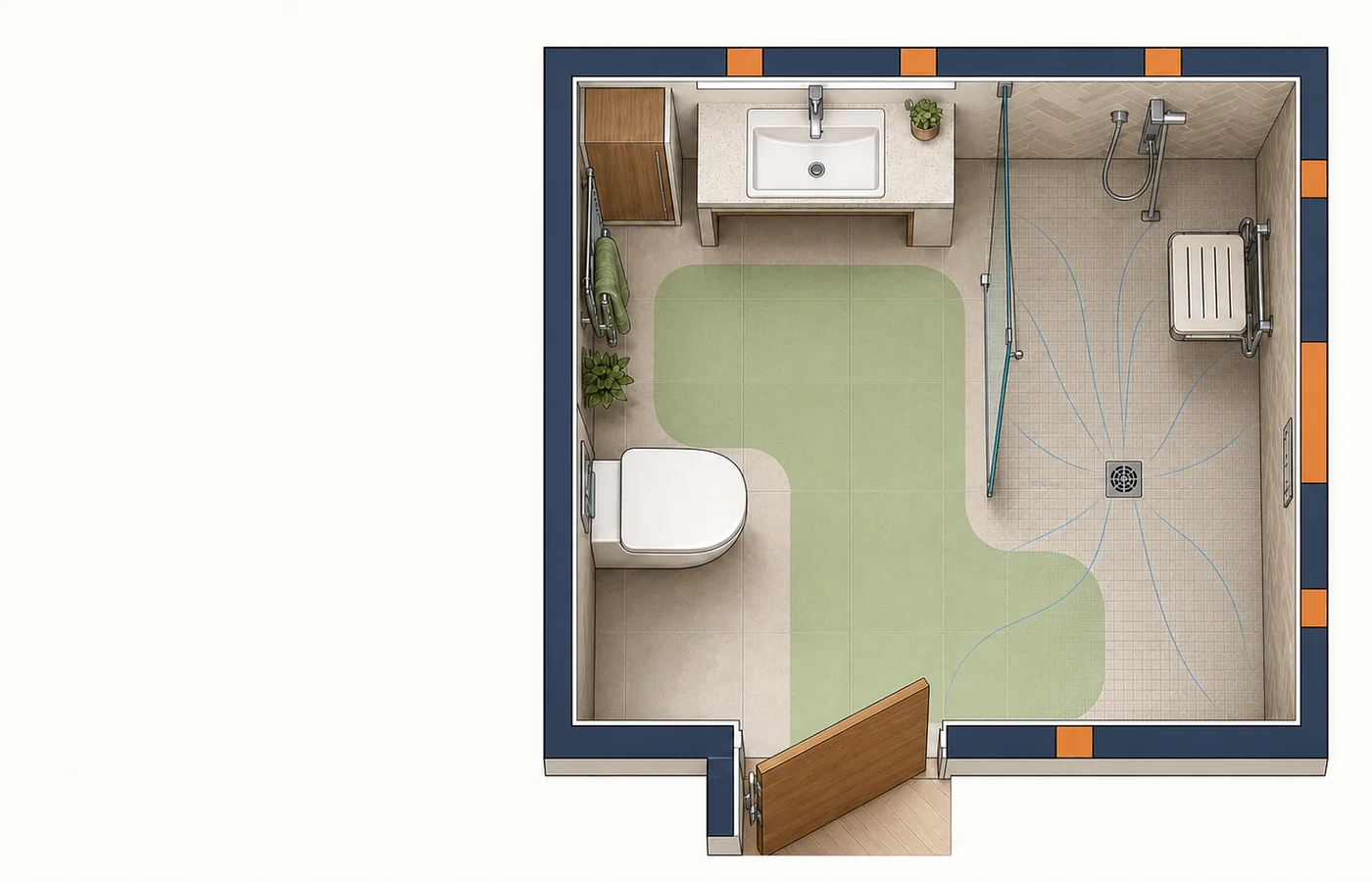
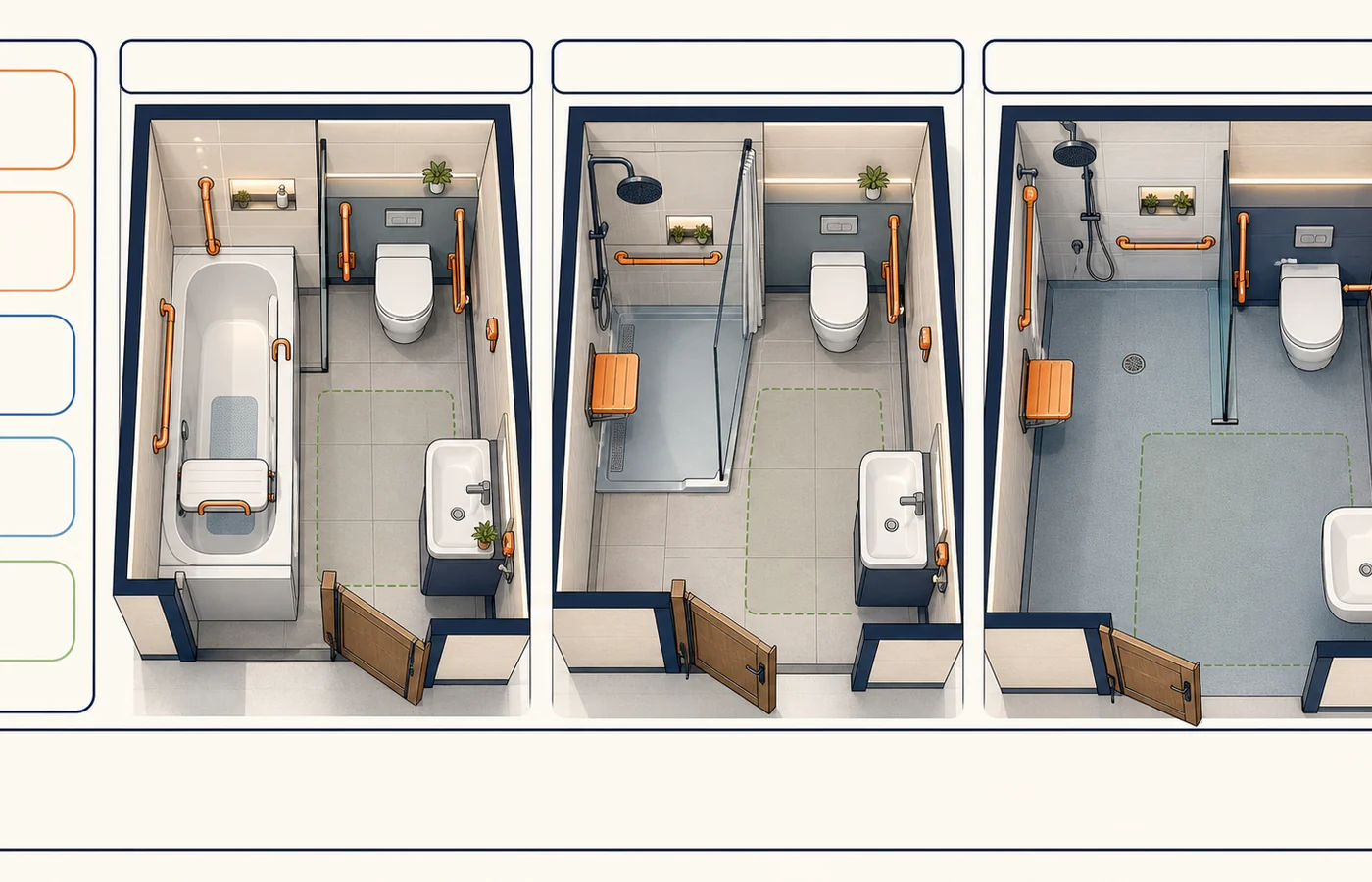
Sustainable home design should also prioritize principles of equity and accessibility, ensuring that your extension is inclusive and welcoming to all. This can include features like universal design, wheelchair-friendly access, and adaptability to accommodate diverse needs and abilities.
As you embark on your sustainable home extension journey, remember that the choices you make have the power to positively impact the environment, your family’s health and comfort, and the broader community. By adopting a holistic, collaborative approach and leveraging the latest sustainable design strategies, you can create a truly exceptional living space that enhances occupant wellbeing and sets a shining example for the future. For more information on our home extension services, please visit https://abc-home.co.uk/home-extension/.