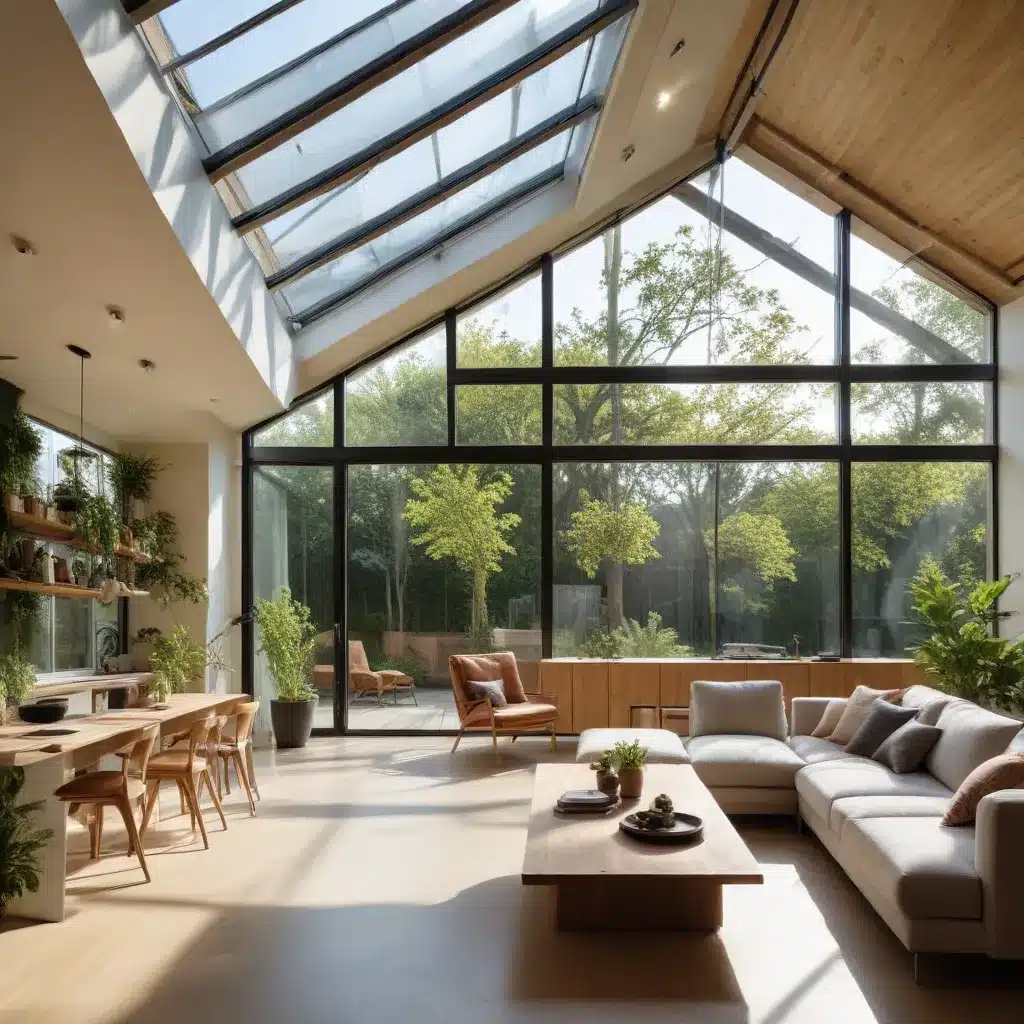
As an experienced home extension consultant, I’m excited to share insights on how you can enhance the sustainability and indoor environmental quality of your home extension project. Sustainable home design is no longer just a trend – it’s a necessity in our rapidly changing world.
Sustainable Design Principles
When planning your home extension, it’s crucial to embrace sustainable design principles from the very beginning. This holistic approach will ensure your project not only looks great but also operates efficiently, minimizes environmental impact, and promotes the health and well-being of your family.
Passive Design Strategies
One of the foundations of sustainable home design is passive design. This involves optimizing your home’s orientation, layout, and building envelope to harness natural heating, cooling, and ventilation. By strategically placing windows, using high-performance insulation, and incorporating thermal mass, you can significantly reduce your energy demands without relying on energy-intensive mechanical systems.
Energy-Efficient Technologies
Complement your passive design strategies with the latest energy-efficient technologies. This could include high-efficiency heat pumps, LED lighting, smart home controls, and appliances that meet or exceed Energy Star ratings. These upgrades may require a higher upfront investment, but they’ll pay dividends in the long run through lower utility bills and a smaller carbon footprint.
Renewable Energy Integration
Integrating renewable energy sources, such as solar photovoltaic (PV) panels or a ground-source heat pump, can further enhance the sustainability of your home extension. These systems generate clean, renewable energy right on-site, reducing your reliance on the grid and your overall energy consumption.
Indoor Environmental Quality
Sustainable home design is not just about energy efficiency and environmental impact; it’s also about creating a healthy, comfortable, and productive indoor environment for your family.
Thermal Comfort
Ensuring proper thermal comfort is essential for your home’s occupants. This involves maintaining appropriate temperature and humidity levels throughout the year, using strategies like high-performance insulation, efficient HVAC systems, and natural ventilation.
Air Quality
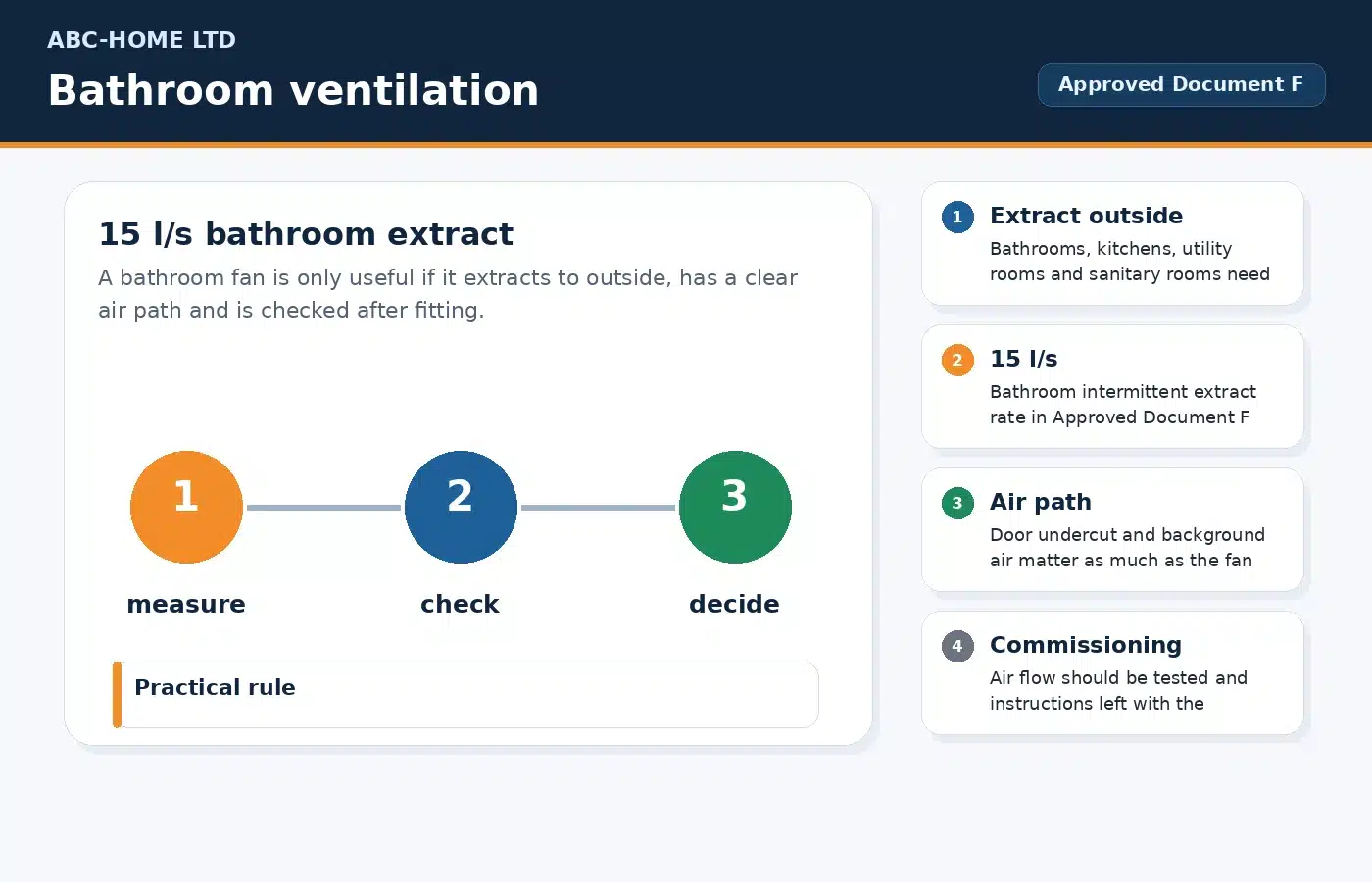
Indoor air quality is another crucial aspect of sustainable home design. Incorporate measures to improve air filtration, reduce volatile organic compounds (VOCs), and provide adequate ventilation. This could include using low-emitting materials, installing air purifiers, and designing effective mechanical ventilation systems.
Lighting and Acoustics
Lighting and acoustics play a significant role in the overall indoor environmental quality. Maximize natural daylight, utilize energy-efficient lighting fixtures, and implement sound-absorbing materials to create a comfortable, productive, and distraction-free living environment.
Sustainable Materials and Construction
The materials and construction methods used in your home extension project can significantly impact its sustainability.
Low-Impact Materials
Prioritize the use of low-impact, sustainable materials, such as recycled, renewable, or locally sourced products. These may include bamboo, reclaimed wood, natural stone, or insulation made from recycled materials. By reducing the embodied carbon and environmental footprint of your building materials, you can make a substantial contribution to the overall sustainability of your project.
Embodied Carbon Considerations
In addition to operational energy efficiency, consider the embodied carbon of your building materials. Embodied carbon refers to the greenhouse gas emissions associated with the extraction, manufacturing, transportation, and installation of construction materials. By selecting low-carbon options and optimizing your material choices, you can further minimize the environmental impact of your home extension.
Circular Economy Approaches
Embrace circular economy principles by designing for disassembly, reuse, and recycling. This could involve using modular construction methods, specifying materials with a high recycled content, and considering the end-of-life disposal or reuse of your building components.
Occupant Health and Wellbeing
Sustainable home design is not just about the environment; it’s also about enhancing the health and well-being of your family.
Biophilic Design
Incorporate biophilic design elements, such as natural lighting, views of nature, and the integration of indoor plants. This connection to the natural world has been shown to improve mood, reduce stress, and boost productivity and creativity.
Healthy Indoor Environments
Create a healthy indoor environment by selecting low-emitting materials, providing adequate ventilation, and controlling indoor pollutants. This can help reduce the risk of respiratory issues, allergies, and other health concerns for your family.
Psychological and Social Impacts
The design of your home extension can also have a significant impact on the psychological and social well-being of your family. Consider aspects like privacy, communal spaces, and the overall sense of comfort and belonging within your home.
Regulatory Compliance and Certifications
When planning your sustainable home extension, it’s essential to understand the relevant building codes, standards, and green building certifications that may apply to your project.
Building Codes and Standards
Familiarize yourself with the latest building codes and standards related to energy efficiency, indoor environmental quality, and sustainable construction. These may include local or national regulations, as well as voluntary guidelines like the International Green Construction Code (IGCC) or the UK’s Building Regulations.
Green Building Certifications
Pursuing a green building certification, such as LEED (Leadership in Energy and Environmental Design) or BREEAM (Building Research Establishment Environmental Assessment Method), can provide a comprehensive framework for designing and constructing your sustainable home extension. These programs offer third-party verification and recognition of your commitment to sustainability.
Policy Incentives
Depending on your location, there may be various policy incentives, tax credits, or rebate programs available to encourage sustainable home improvements. Research these options to potentially offset the costs of your sustainable home extension project.
Landscape Integration and Ecosystem Services
Sustainable home design extends beyond the building itself; it also includes the integration of your home extension with the surrounding landscape and ecosystem.
Sustainable Site Planning
Carefully consider the site selection and layout of your home extension to minimize disruption to the natural environment. This may involve preserving existing vegetation, incorporating permeable surfaces, and designing stormwater management systems that mimic natural hydrological processes.
Biodiversity Enhancement
Incorporate native plantings, pollinator-friendly gardens, and other landscape features that support local biodiversity. By creating habitats and enhancing the ecological value of your property, you can contribute to the overall health of the surrounding ecosystem.
Stormwater Management
Implement sustainable stormwater management strategies, such as rain gardens, bioswales, or green roofs, to reduce the impact of your home extension on local waterways. These features can help filter and slow the release of stormwater, reducing the risk of flooding and protecting the quality of nearby water bodies.
Lifecycle Considerations
Sustainable home design requires a holistic, lifecycle approach that considers the long-term performance and adaptability of your home extension.
Operational Energy Efficiency
Ensure your home extension is designed and constructed to optimize energy efficiency during the operational phase. This includes strategies like high-performance insulation, energy-efficient appliances, and the integration of renewable energy sources.
Adaptability and Flexibility
Design your home extension with adaptability and flexibility in mind. This can involve modular construction techniques, open floor plans, and the use of multifunctional spaces. By creating a home that can easily accommodate changing needs and preferences, you can extend the useful life of your investment.
End-of-Life Strategies
Consider the end-of-life stage of your home extension, and plan for disassembly, reuse, or recycling of building components. This circular economy approach can help minimize waste and reduce the environmental impact of your project, even when the time comes to adapt or replace your home extension.
By embracing these sustainable design principles, you can create a home extension that not only enhances your living experience but also contributes to a more sustainable future. As an experienced home extension consultant, I’m here to guide you through the process and help you achieve your sustainability goals. Let’s work together to design and build a home that’s good for you, your family, and the planet.
For more information on our sustainable home extension services, please visit https://abc-home.co.uk/home-extension/.