Sustainable Home Extensions: Embracing Sustainable Urban Agriculture
In recent years, the concept of sustainable home extensions has gained significant momentum, with homeowners and builders alike recognizing the immense potential of integrating urban agriculture into their residential projects. As an experienced home extension consultant, I’m thrilled to share my insights on how you can embrace sustainable urban agriculture and create a harmonious balance between your living space and the natural environment.
Urban Agriculture Principles
The principles of urban agriculture are the foundation upon which sustainable home extensions can be built. By understanding and applying these principles, you can create a resilient and self-sustaining ecosystem within your own backyard or rooftop.
Urban Farming Techniques
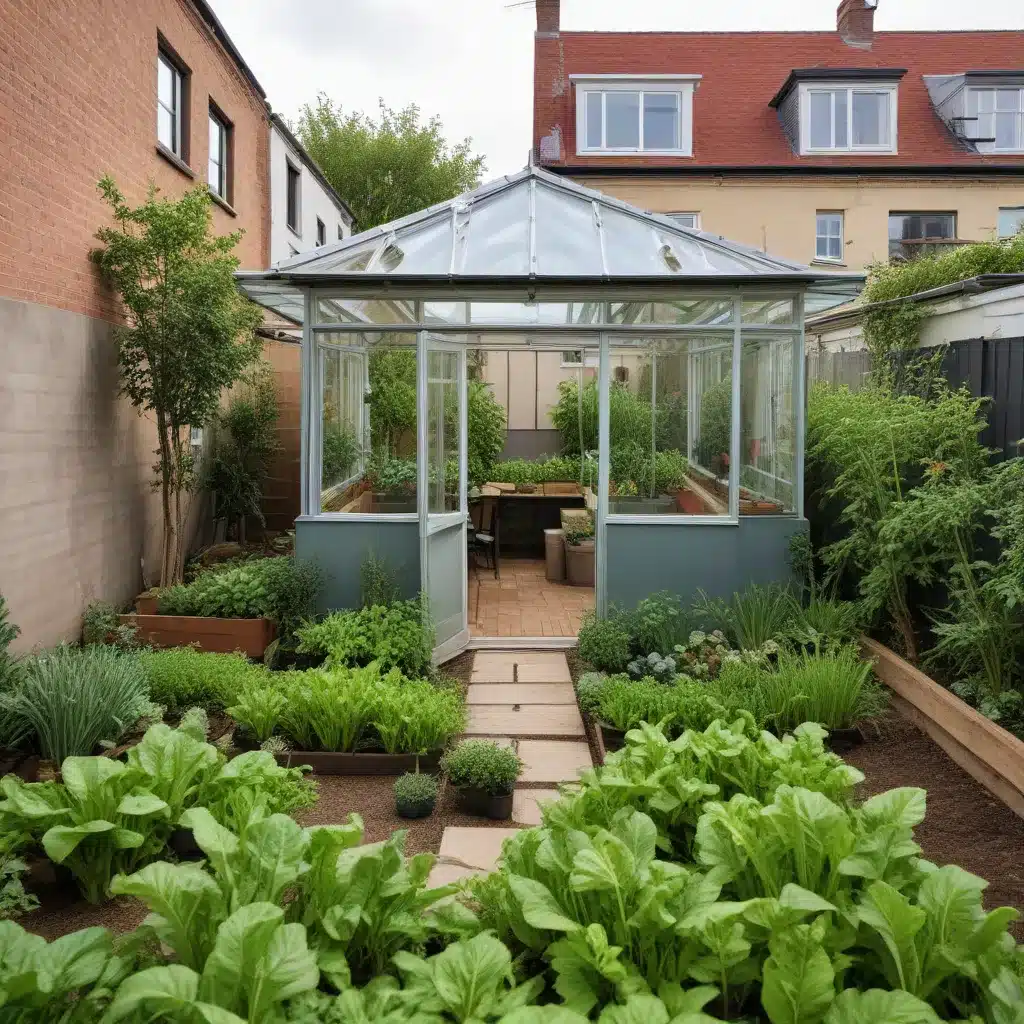
One of the most exciting aspects of sustainable home extensions is the opportunity to incorporate urban farming techniques. From raised garden beds to vertical farming systems, there are a myriad of ways to maximize your available space and grow a bountiful harvest. As mentioned in the Flagstaff Urban Farm Incubator initiative, cities across the United States are embracing urban agriculture as a means for job creation, community development, and improved food access.
Permaculture Design
Permaculture, a holistic approach to land management, is an essential component of sustainable home extensions. By applying permaculture principles, such as minimizing waste, maximizing resource efficiency, and creating symbiotic relationships between different elements, you can design a thriving, self-sustaining home ecosystem. The Extension Milwaukee County in Wisconsin has been at the forefront of urban agriculture education and community engagement, demonstrating the power of permaculture-inspired initiatives.
Rooftop Gardening
Rooftop gardening is a particularly innovative approach to urban agriculture, as it allows homeowners to transform underutilized spaces into productive growing areas. By leveraging vertical space and specialized growing systems, you can cultivate a diverse array of fruits, vegetables, and herbs, all while contributing to the sustainability of your home extension.
Sustainable Building Practices
Sustainable home extensions are not only about incorporating urban agriculture; they also require a holistic approach to building design and construction. By embracing sustainable building practices, you can create a harmonious integration between your living space and the natural environment.
Energy-Efficient Design
Designing your home extension with energy efficiency in mind is crucial for long-term sustainability. This can include incorporating passive solar design, optimizing insulation, and leveraging renewable energy sources like solar panels. These strategies can significantly reduce your carbon footprint and utility costs, making your home extension a more sustainable investment.
Renewable Materials
When it comes to the materials used in your home extension, opting for renewable and eco-friendly options is essential. This could include using reclaimed wood, bamboo, or other sustainable materials that have a lower environmental impact than traditional building materials. The Ohio State University Extension has been at the forefront of promoting urban agriculture and sustainability, providing valuable resources and guidance for homeowners and builders.
Waste Reduction
Sustainable home extensions should also prioritize waste reduction throughout the construction and ongoing maintenance phases. This can involve implementing strategies like on-site composting, water recycling, and the use of durable, long-lasting materials that minimize the need for frequent replacements.
Integrated Home-Garden Systems
One of the most exciting aspects of sustainable home extensions is the opportunity to create integrated home-garden systems that seamlessly blend your living space with your urban agricultural endeavors.
Aquaponics
Aquaponics, a symbiotic system that combines aquaculture (fish farming) and hydroponics (soil-less plant cultivation), is a prime example of an integrated home-garden system. By cultivating fish and plants in a closed-loop system, you can create a self-sustaining ecosystem that provides both a reliable food source and a visually stunning focal point for your home extension.
Hydroponics
Hydroponics, the practice of growing plants in nutrient-rich water without soil, is another innovative approach to integrated home-garden systems. This method can be particularly useful in urban settings where space is limited, as it allows you to maximize your growing area and produce a wide variety of crops year-round.
Composting Systems
Integrating a comprehensive composting system into your home extension is a crucial component of sustainable urban agriculture. By transforming organic waste into nutrient-rich soil amendments, you can create a closed-loop system that reduces landfill waste and nourishes your urban garden. As highlighted by Zahid Adnan, the founder of ThePlantBible, embracing sustainable practices and leveraging innovative technologies are key to the future of agriculture.
Policies and Regulations
When embarking on a sustainable home extension project that incorporates urban agriculture, it’s essential to be aware of the relevant policies and regulations that may impact your plans.
Zoning and Land Use
Understanding the zoning and land-use regulations in your local area is crucial. Some municipalities may have specific guidelines or restrictions regarding the types of urban agricultural activities permitted within residential zones. It’s important to research and comply with these regulations to ensure the legality and success of your sustainable home extension.
Incentives and Subsidies
Fortunately, many local and national governments are recognizing the benefits of sustainable urban agriculture and are offering various incentives and subsidies to encourage homeowners to incorporate it into their home extension projects. As highlighted by the Flagstaff Urban Farm Incubator initiative, these programs can include tax credits, grants, and other financial support to offset the costs of implementing sustainable urban agriculture practices.
Community Engagement
Engaging with your local community is a crucial aspect of sustainable home extensions that incorporate urban agriculture. By collaborating with neighbors, community organizations, and urban agriculture advocates, you can share knowledge, pool resources, and create a more resilient and inclusive local food system.
As an experienced home extension consultant, I’ve witnessed the transformative power of sustainable urban agriculture. By embracing these principles and integrating them into your home extension project, you can not only create a more sustainable living environment but also contribute to the broader movement towards urban food security and environmental stewardship. Remember, your home extension is not just a physical structure; it’s an opportunity to cultivate a thriving, self-sustaining ecosystem that benefits both you and your community. So, why not start your journey towards a sustainable home extension today? Visit our home extensions service page to learn more about how we can help you achieve your sustainable living goals.