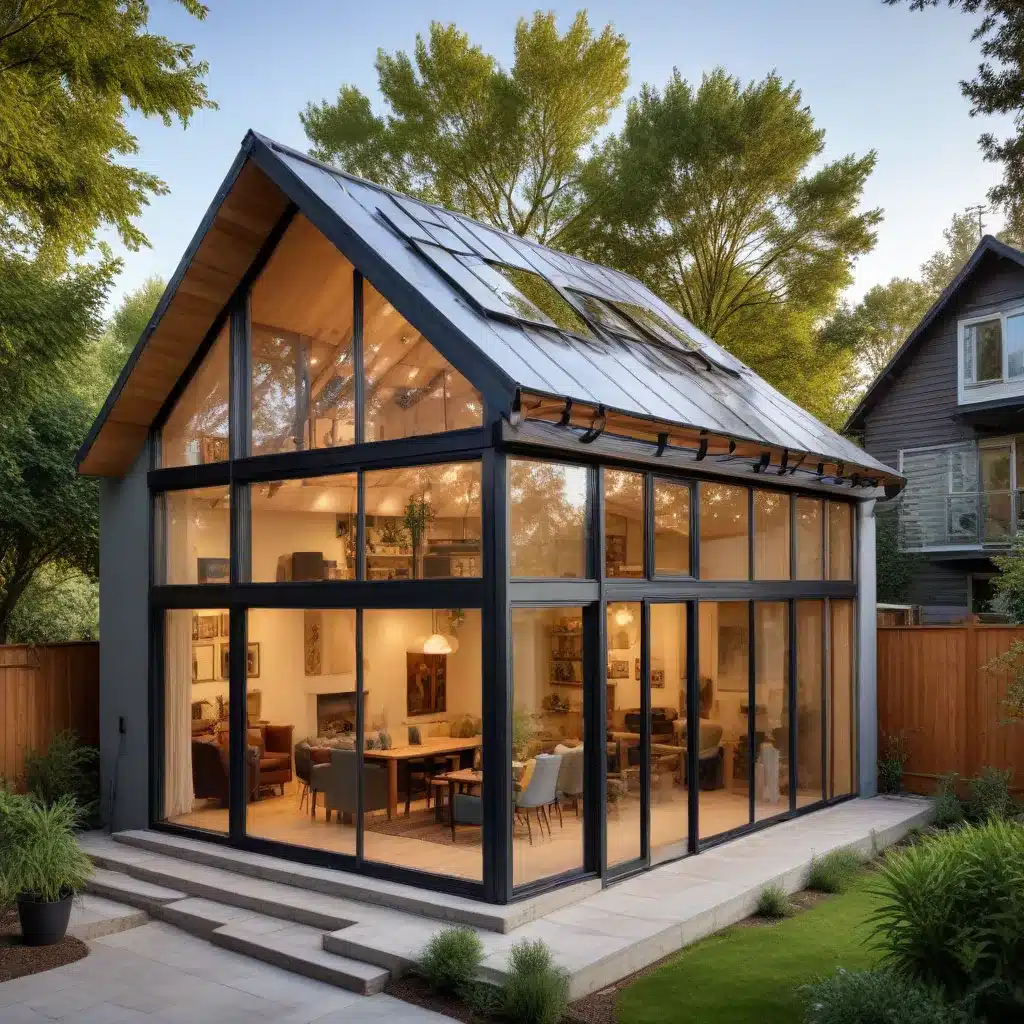
As an experienced home extension consultant, I’ve seen firsthand how sustainable design and energy-efficient upgrades can transform a home, not only improving its environmental impact but also enhancing comfort, lowering utility bills, and increasing long-term value. In this comprehensive guide, we’ll explore the key principles of sustainable home extensions, focusing on optimizing your home’s energy systems to create a more eco-friendly, cost-effective, and comfortable living space.
Home Energy Systems
At the heart of any sustainable home extension lies the optimization of energy systems. By carefully selecting and integrating renewable energy sources, energy-efficient building design, and smart home technologies, you can significantly reduce your home’s carbon footprint and energy consumption.
Renewable Energy Sources
One of the most impactful upgrades you can make is to incorporate renewable energy systems into your home extension. Solar photovoltaic (PV) panels are a popular choice, allowing you to generate your own electricity from the sun’s abundant energy. Geothermal heat pumps, which harness the stable underground temperatures, can provide highly efficient heating and cooling. And for water heating, solar thermal collectors or heat pump water heaters offer sustainable, low-cost solutions.
When exploring renewable energy options, it’s crucial to consider factors such as your local climate, available space, and the long-term return on investment. An energy assessment can help you determine the most suitable renewable energy systems for your home and extension project.
Energy Efficient Building Design
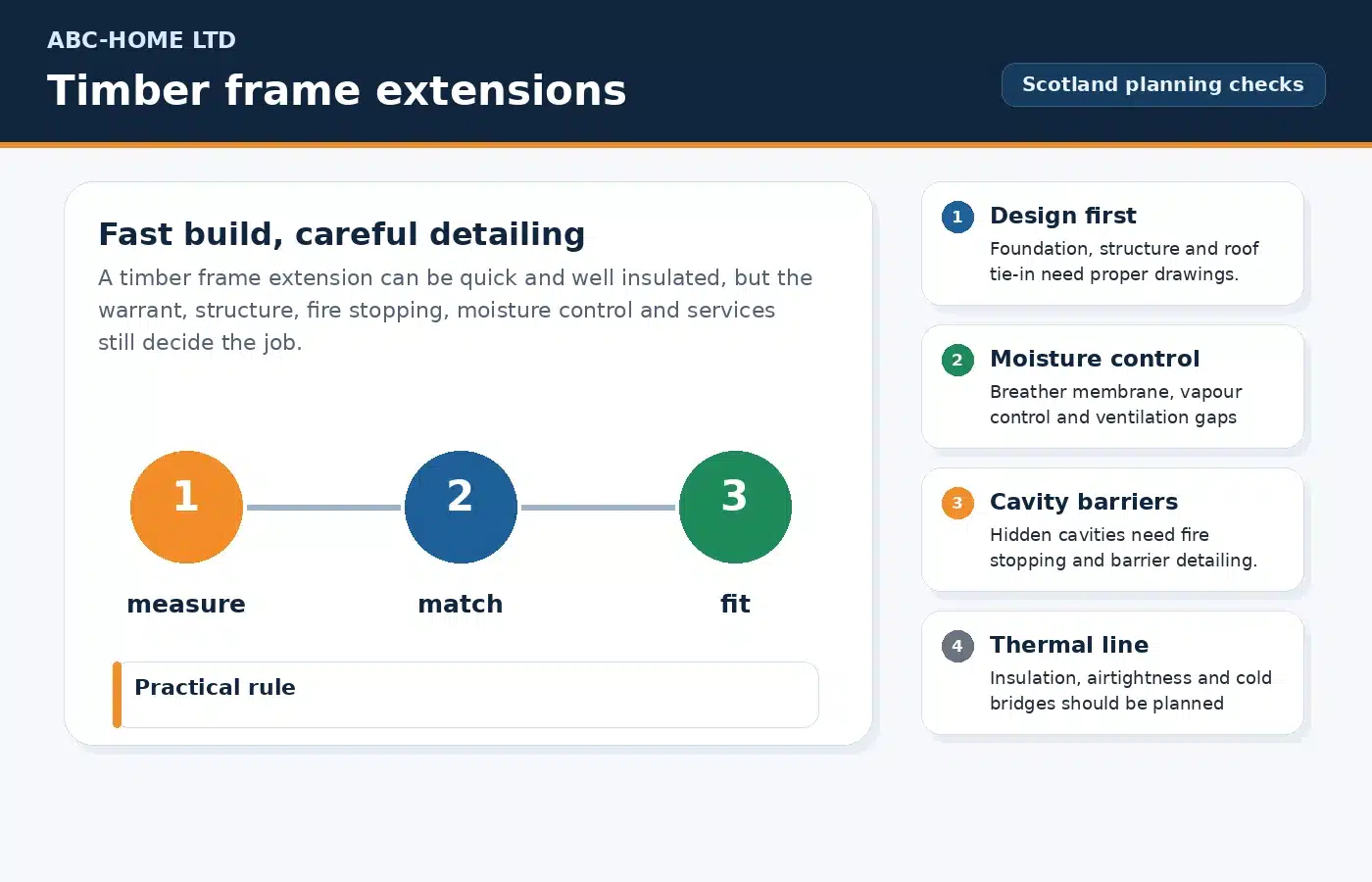
Alongside renewable energy sources, energy-efficient building design plays a pivotal role in creating a sustainable home extension. Principles like passive solar design, optimized insulation, and high-performance windows can significantly reduce your energy demands, leading to lower utility bills and a smaller environmental footprint.
For example, strategic window placement and orientation can harness the sun’s warmth in winter and minimize heat gain in summer, minimizing the need for mechanical heating and cooling. Likewise, advanced insulation techniques, such as spray foam or structural insulated panels (SIPs), can dramatically improve a home’s thermal performance, keeping your living spaces comfortable year-round.
Smart Home Technologies
Integrating smart home technologies into your extension can further enhance energy efficiency and sustainability. Programmable thermostats, smart appliances, and energy monitoring systems allow you to optimize energy use, reduce waste, and gain valuable insights into your home’s performance.
By automating lighting, HVAC, and other systems based on occupancy and usage patterns, smart home technologies can significantly reduce your energy consumption without compromising comfort or convenience. Additionally, some smart devices can be connected to renewable energy systems, enabling seamless integration and real-time energy management.
Sustainable Materials
Selecting the right building materials for your home extension is crucial to achieving sustainability. Eco-friendly materials not only reduce environmental impact but can also contribute to the long-term durability and energy efficiency of your home.
Eco-Friendly Building Materials
Look for materials that are renewable, recyclable, or made from recycled content. For example, bamboo, reclaimed wood, and sustainable insulation products like cellulose or wool can be excellent choices. Sustainable materials often have lower embodied energy, meaning less energy was required to extract, manufacture, and transport them.
Circular Economy Principles
Embracing circular economy principles in your home extension can further enhance sustainability. This approach focuses on minimizing waste and keeping materials in use for as long as possible, through reuse, repair, and recycling.
When planning your extension, consider how materials can be reused or repurposed in the future. Modular construction techniques, for instance, allow for easier disassembly and reuse of components, reducing waste and resource depletion.
Waste Reduction Strategies
Effective waste management should be a priority throughout your home extension project. Work with your contractor to implement strategies that minimize construction waste, such as precise material ordering, efficient cutting techniques, and the diversion of waste from landfills through recycling and donation.
Sustainable Landscape Design
The landscape surrounding your home extension plays a crucial role in overall sustainability. By incorporating passive solar design, water conservation techniques, and biodiversity-enhancing elements, you can create a harmonious, eco-friendly outdoor space that complements your home’s energy-efficient features.
Passive Solar Design
Aligning your home extension’s orientation and landscaping with passive solar principles can significantly reduce your energy demands. Strategically placed trees, shrubs, and other vegetation can provide natural shading in summer while allowing sunlight to warm your home in winter.
Incorporating features like green roofs, trellises, and pergolas can further enhance passive solar performance, regulating indoor temperatures and minimizing the need for mechanical heating and cooling.
Water Conservation Techniques
In an era of increasing water scarcity, sustainable landscape design should prioritize water conservation. This can involve implementing rain gardens, permeable pavement, and drought-tolerant native plantings to reduce water consumption and manage stormwater runoff effectively.
Greywater recycling systems, which repurpose household wastewater for landscape irrigation, can also be an excellent addition to your home extension’s sustainable features.
Biodiversity Enhancement
Designing your home extension’s landscape to support local biodiversity can have a profound impact on the surrounding ecosystem. By incorporating native plants, creating pollinator-friendly habitats, and preserving or restoring natural areas, you can help sustain thriving populations of birds, insects, and other wildlife.
This not only benefits the environment but can also enhance the aesthetic appeal and overall enjoyment of your outdoor living spaces.
Optimizing Energy Performance
To ensure your home extension achieves optimal energy performance, it’s crucial to conduct thorough assessments and implement targeted upgrades throughout the project.
Energy Auditing and Assessments
Begin by scheduling a comprehensive energy audit or assessment for your home. This process involves a detailed evaluation of your existing energy use, identifying areas for improvement, and recommending specific upgrades to enhance efficiency.
A qualified energy assessor can use tools like blower door tests, thermographic imaging, and energy modeling to pinpoint air leaks, thermal bridging, and other areas of concern. With this data in hand, you can make informed decisions about the most impactful improvements for your home extension.
HVAC System Upgrades
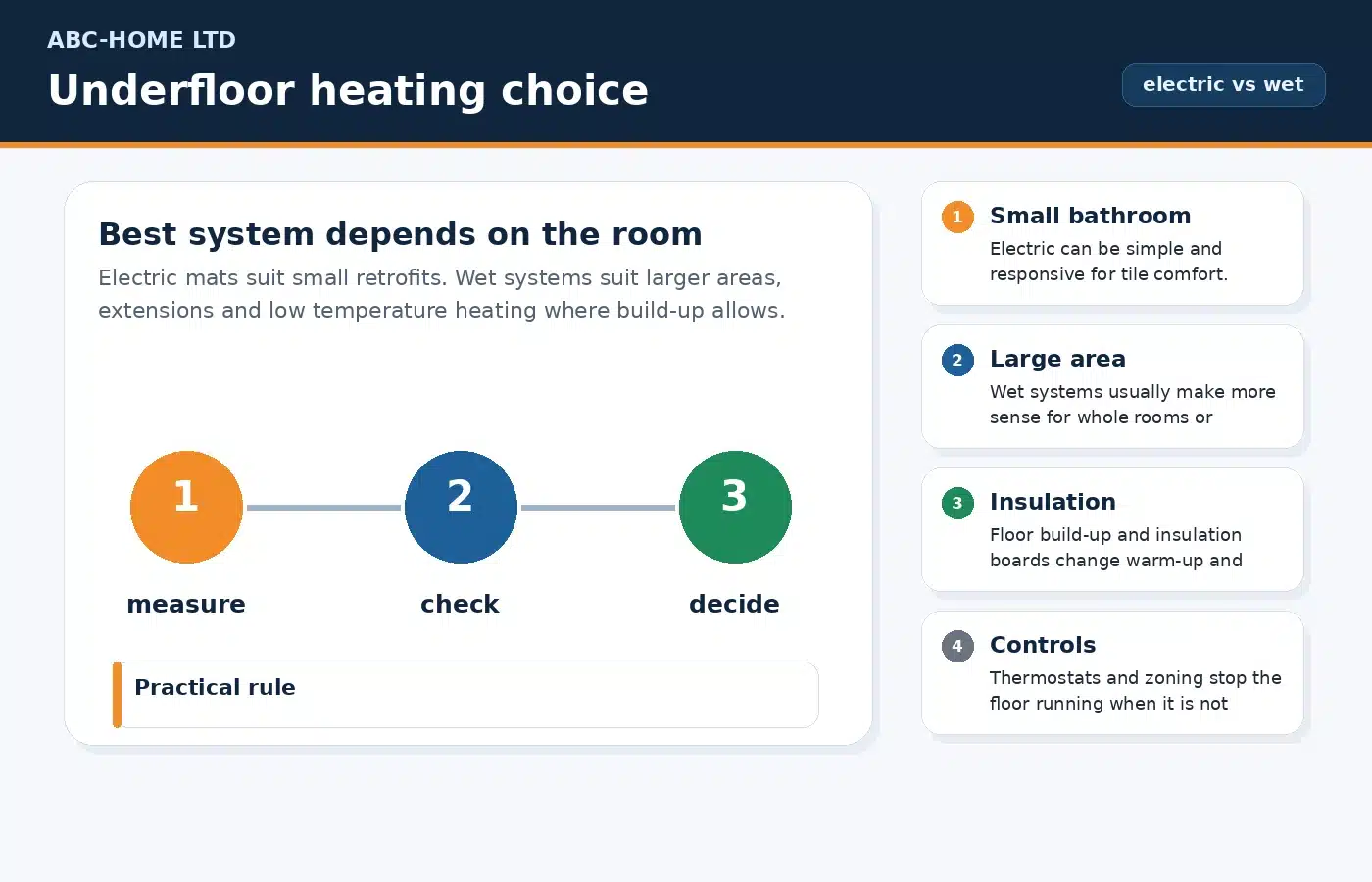
One of the most significant energy-saving opportunities in a home extension is the HVAC (heating, ventilation, and air conditioning) system. Upgrading to high-efficiency, properly sized HVAC equipment can dramatically reduce your energy consumption and carbon footprint.
Consider options like variable-speed heat pumps, zoned systems, and smart thermostats to optimize your home’s heating and cooling performance. Proper HVAC system design and installation, combined with regular maintenance, can ensure your extension remains comfortable and energy-efficient for years to come.
Thermal Insulation Improvements
Enhancing the thermal insulation of your home extension is crucial for minimizing energy losses and maintaining a comfortable indoor climate. Advanced insulation techniques, such as spray foam or structural insulated panels (SIPs), can significantly improve the thermal envelope of your home, reducing the strain on your HVAC system.
In addition to insulation, air sealing measures like caulking and weatherstripping can further optimize your extension’s thermal performance, preventing drafts and unwanted air infiltration.
By incorporating these sustainable strategies into your home extension project, you can create a living space that not only reduces your environmental impact but also provides long-term energy savings, enhanced comfort, and increased property value. For more information and personalized guidance on sustainable home extensions, visit our home extensions service page.