Sustainable Home Extensions: Enhancing Sustainable Building Maintenance
As an experienced home extension consultant, I’ve seen the incredible power of sustainable design to transform not just the look and feel of a home, but its long-term impact on the environment and the well-being of its occupants. In this comprehensive guide, we’ll explore the key principles and strategies for creating sustainable home extensions that not only enhance your living space, but also minimise your carbon footprint and reduce maintenance costs over time.
Sustainable Building Materials
At the heart of any sustainable home extension lies the careful selection of eco-friendly materials. From renewable resources like bamboo and reclaimed timber to innovative recycled products, there are so many ways to build with the environment in mind.
One of my personal favourites is cross-laminated timber (CLT) – a strong, durable and highly insulating material that can be used for everything from structural elements to interior finishes. CLT is not only a renewable resource, but its manufacturing process has a much lower carbon footprint compared to traditional construction materials like steel and concrete.
Equally impressive are the advancements in recycled plastics and composites. These materials allow us to repurpose waste streams into high-performance building components that are just as durable and attractive as their virgin counterparts. Take for example the growing popularity of recycled plastic decking – it offers the look and feel of traditional wood, but with enhanced resistance to weathering, rot and pests.
When sourcing materials for your home extension, I always encourage clients to prioritise renewable, recyclable and locally-sourced options wherever possible. Not only does this reduce the embodied carbon of the build, but it also supports local businesses and craftspeople, strengthening the sustainability of your local community.
Energy Efficiency Strategies
Beyond the materials themselves, a crucial element of sustainable home extensions is optimising energy efficiency through smart design strategies. One of the most effective ways to do this is by incorporating high-performance insulation systems.
Advanced insulation products like structural insulated panels (SIPs) and spray foam can dramatically improve the thermal performance of your extension, keeping your home warm in winter and cool in summer. This not only enhances comfort levels, but also slashes your energy bills and carbon emissions over the lifetime of the building.
Another powerful approach is to harness the power of passive solar design. By strategically positioning windows, optimising daylighting and incorporating thermal mass, you can leverage the sun’s natural warmth to reduce your reliance on artificial heating and cooling. This ‘free’ energy from the sun is a renewable, clean and cost-effective way to regulate indoor temperatures.
Of course, no discussion of sustainable home extensions would be complete without mentioning renewable energy integration. Solar photovoltaic panels, air source heat pumps and ground source heat pumps are just a few of the innovative technologies that can be seamlessly incorporated into your extension to generate clean, renewable power on-site. Not only do these systems reduce your environmental impact, but they can also insulate you from volatile energy prices in the long run.
Sustainable Maintenance Practices
Sustainable home design isn’t just about the initial construction – it’s also about long-term maintenance and operation. That’s why it’s crucial to implement smart, eco-friendly practices that will keep your extension running efficiently for years to come.
Preventive maintenance is key. Regular inspections, proactive repairs and timely upgrades can identify and address issues before they escalate, saving you time, money and resources in the long run. For example, ensuring your insulation remains in peak condition, sealing air leaks, and upgrading to energy-efficient appliances can all contribute to ongoing energy savings.
Another important consideration is waste reduction. By carefully planning for material reuse, recycling and responsible disposal, you can minimise the amount of construction and demolition waste that ends up in landfills. Something as simple as setting up dedicated recycling stations on-site can make a big difference.
And let’s not forget about water conservation. Implementing water-efficient fixtures, greywater systems and rainwater harvesting can dramatically reduce your extension’s freshwater footprint, helping to preserve this precious natural resource.
Enhancing Livability and Comfort
Sustainable home extensions aren’t just good for the environment – they can also have a profoundly positive impact on the health and wellbeing of their occupants. By focusing on indoor air quality, daylighting and natural ventilation, you can create a living space that’s not only energy-efficient, but also nurturing and restorative.
The use of low-VOC (volatile organic compound) materials, proper ventilation, and strategic placement of houseplants can all contribute to improved indoor air quality. This is particularly important in an extension, where new construction materials and confined spaces can sometimes lead to a buildup of harmful pollutants.
Abundant natural light and passive ventilation strategies, on the other hand, can enhance occupant comfort, reduce reliance on artificial lighting and HVAC systems, and even boost productivity and mood. By designing your extension to maximise daylight and natural airflow, you’re creating a healthier, more pleasant environment for you and your family to enjoy.
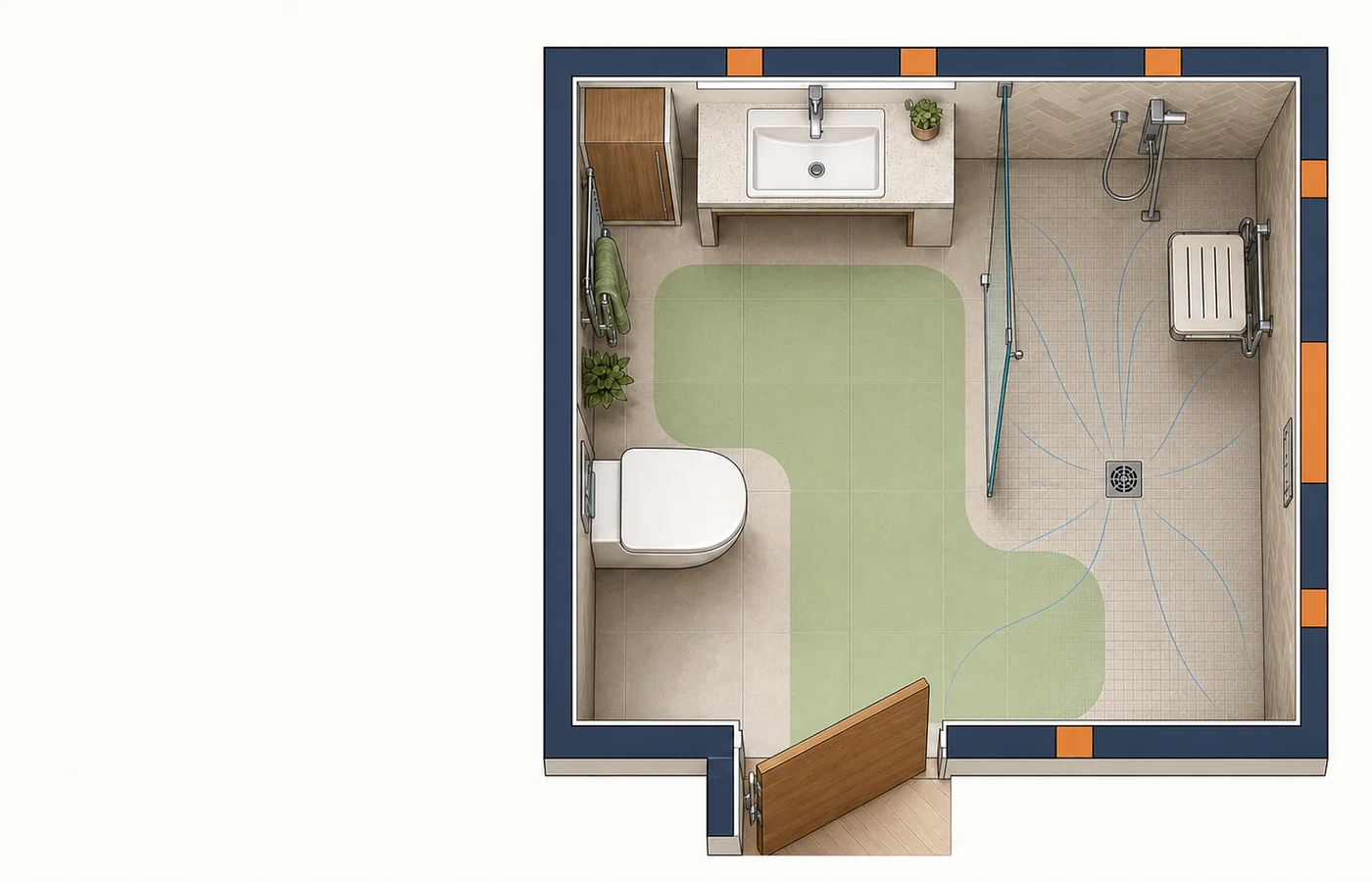
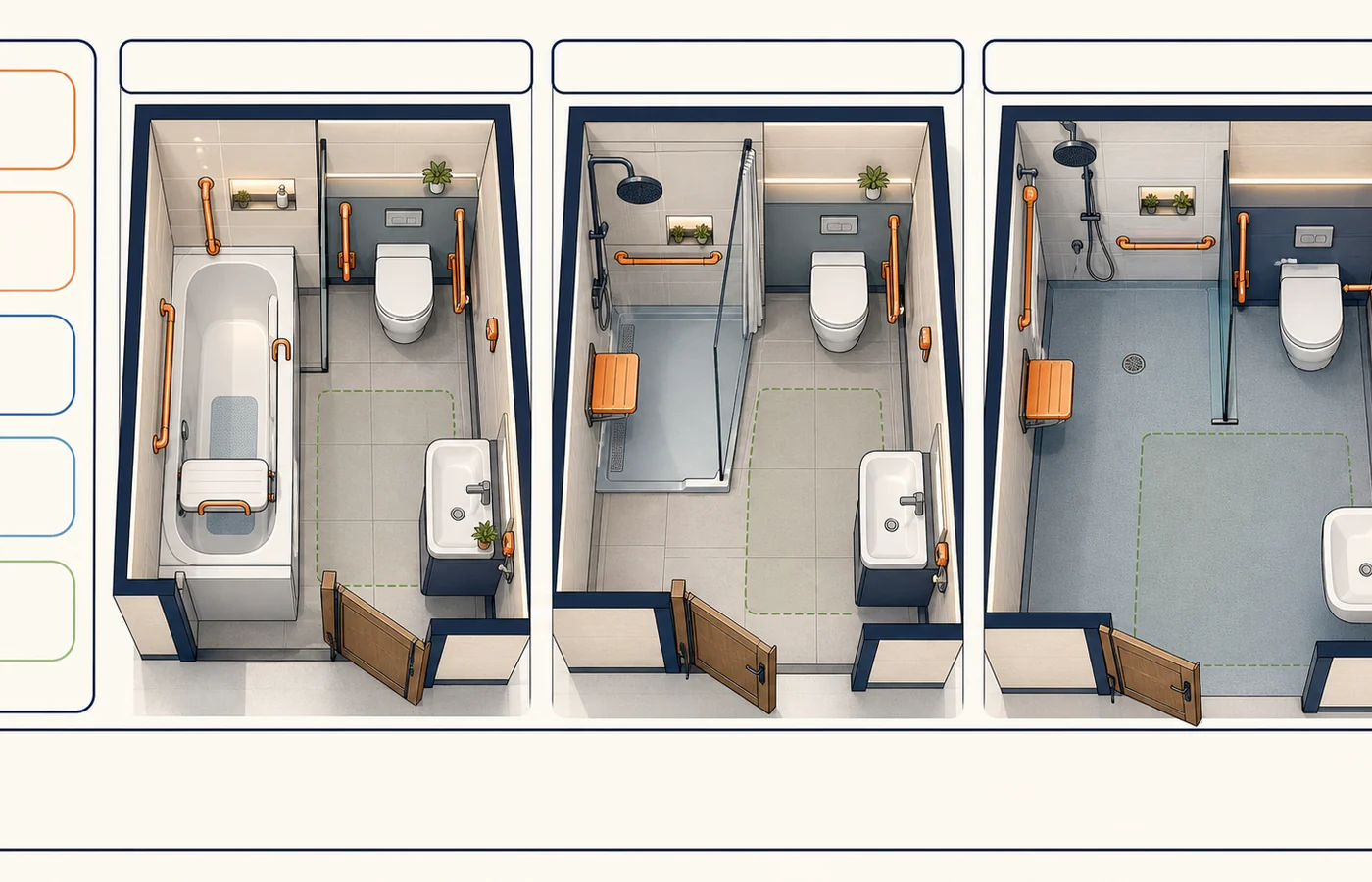
And let’s not forget the importance of universal design principles. Incorporating features like level thresholds, wide doorways, and adjustable lighting can make your home extension accessible and inclusive for people of all ages and abilities. This not only improves livability, but also increases the long-term adaptability of your space.
Site Selection and Integration
When it comes to sustainable home extensions, the site itself plays a crucial role. By carefully evaluating the environmental impact and considering the existing landscape, you can ensure your extension seamlessly integrates with its surroundings.
Begin by conducting a thorough environmental impact assessment. This will help you identify sensitive ecosystems, protected habitats, and other important natural features that should be preserved. By respecting the site’s ecology, you can minimise disruption and maintain the delicate balance of the local environment.
Equally important is the extension’s relationship to the existing home and its proximity to essential amenities. Choosing a site that maximises the use of existing infrastructure, minimises the need for new construction, and provides easy access to community resources can significantly enhance the sustainability of your project.
Holistic Approach to Extensions
When it comes to sustainable home extensions, it’s important to take a holistic, whole-building approach. This means considering the performance of the extension as an integrated system, rather than focusing on individual components or strategies in isolation.
By evaluating the interaction between elements like energy efficiency, water management, indoor air quality, and material selection, you can identify synergies and optimise the overall sustainability of your project. For example, pairing high-performance insulation with a heat recovery ventilation system can create a self-regulating, energy-efficient envelope that provides comfortable, healthy indoor conditions.
It’s also crucial to consider the needs and preferences of the occupants. After all, the true success of a sustainable home extension lies in its ability to enhance the lives of the people who use it. By engaging with homeowners and understanding their priorities, you can tailor the design to deliver maximum livability and long-term resilience.
Regulatory Compliance and Certifications
As you embark on your sustainable home extension journey, it’s important to be aware of the evolving regulatory landscape and the various green building certification programs available.
Building codes and standards play a crucial role in driving sustainable construction practices. In many regions, energy efficiency regulations, sustainable construction guidelines, and green building mandates are becoming increasingly stringent. Familiarising yourself with the local requirements and ensuring your extension meets or exceeds these standards is essential for compliance and long-term performance.
Beyond regulatory compliance, pursuing third-party green building certifications can provide independent verification of your extension’s sustainability credentials. Programs like LEED (Leadership in Energy and Environmental Design), Green Globes, and energy performance labelling can not only help guide the design process, but also demonstrate your commitment to environmental responsibility to potential homebuyers or tenants.
Benefits of Sustainable Home Extensions
The benefits of sustainable home extensions are manifold, ranging from reduced environmental impact to enhanced livability and long-term cost savings. By embracing eco-friendly design strategies and maintenance practices, you can make a tangible difference in your carbon footprint and help protect the natural resources we all depend on.
For starters, sustainable home extensions can dramatically reduce energy and water consumption, minimising greenhouse gas emissions and easing the strain on our utilities infrastructure. Through the integration of renewable energy sources, high-performance insulation, and water-efficient fixtures, you can significantly lower your operational costs while also future-proofing your home against rising utility prices.
But the advantages extend far beyond the environmental and financial realms. Sustainable design principles also have a profound impact on occupant health and well-being. By prioritising indoor air quality, natural daylighting, and universal accessibility, you’re creating a living environment that nourishes the body, mind and spirit.
And let’s not forget the potential boost to your property value. As homebuyers become increasingly eco-conscious, the presence of third-party green building certifications and sustainable features can make your home a more attractive and valuable investment.
So, whether you’re planning a modest extension or a complete home transformation, embracing sustainable design and maintenance strategies is a wise choice that will pay dividends for years to come. By treading lightly on the planet and enhancing the comfort and resilience of your living space, you’re not just building a better home – you’re building a better future.
If you’re ready to embark on your sustainable home extension journey, get in touch with our team of experts today. We’ll work closely with you to develop a customised solution that aligns with your vision, your budget, and your commitment to environmental responsibility.