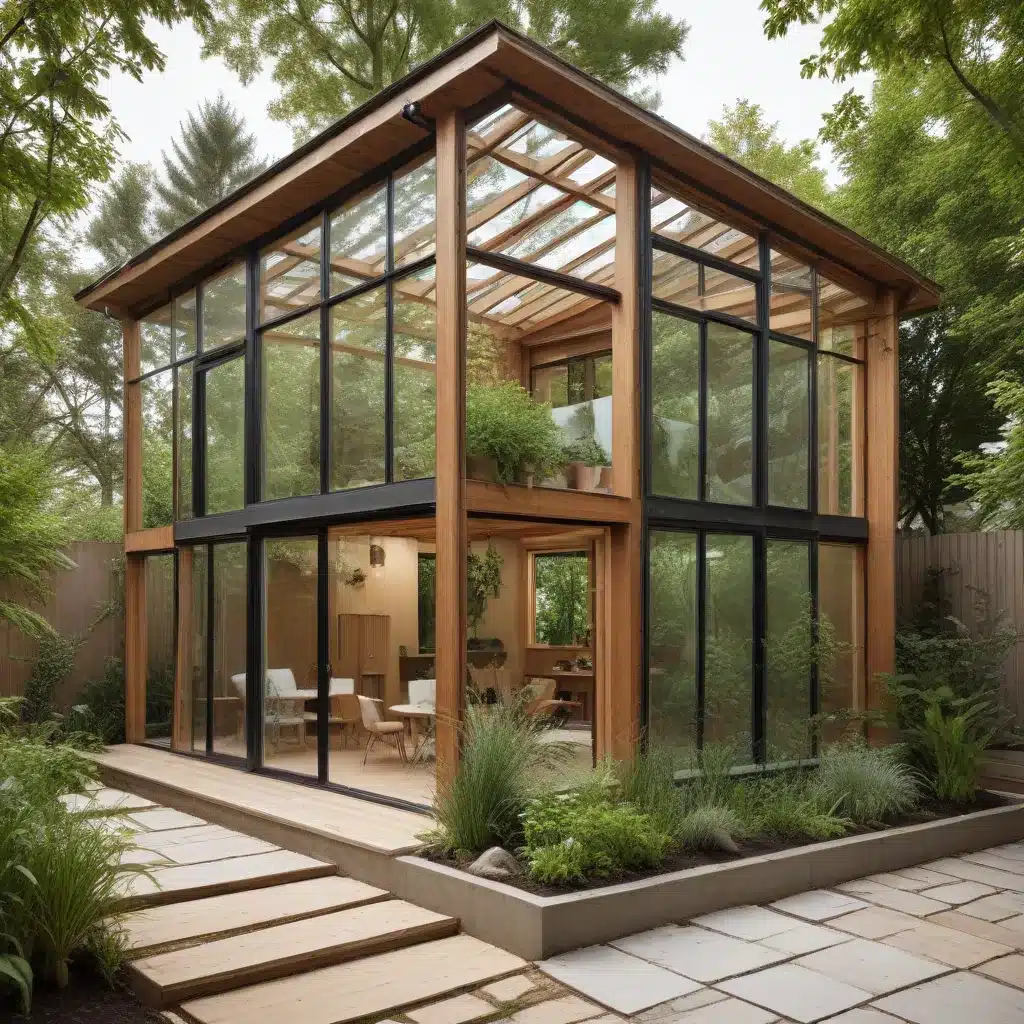
As an experienced home extension consultant, I’ve seen firsthand the growing demand for sustainable home improvement solutions. Homeowners are increasingly seeking ways to enhance their living spaces while minimizing their environmental impact. In this comprehensive guide, we’ll explore the concept of sustainable home extensions and dive into the various ecosystem services that can be optimized to create a more eco-friendly and resilient living environment.
Sustainable Building Ecosystem Services
When it comes to sustainable home extensions, the focus extends beyond just the physical structure. It’s about integrating the built environment with the surrounding natural ecosystems to create a symbiotic relationship. This approach, known as sustainable building ecosystem services, aims to harness the benefits of nature to support the overall well-being of the home and its occupants.
Embodied Energy Optimization
One of the key considerations in sustainable home extensions is the optimization of embodied energy. Embodied energy refers to the total energy required to extract, manufacture, transport, and install the materials used in a building project. By carefully selecting materials with lower embodied energy, you can significantly reduce the overall environmental impact of your home extension.
For example, opting for locally sourced, sustainably harvested timber over energy-intensive materials like steel or concrete can dramatically lower the embodied energy of your project. Additionally, incorporating recycled or repurposed materials can further reduce the energy footprint of your home extension.
Material Selection Considerations
In addition to embodied energy, the selection of materials for your sustainable home extension should also consider their durability, recyclability, and environmental impact. Look for materials that are renewable, non-toxic, and can be easily reused or recycled at the end of their life cycle.
Natural, plant-based insulation materials, such as hemp, straw, or sheep’s wool, are excellent choices as they offer superior thermal performance while being biodegradable and minimizing the use of synthetic chemicals. Paints and sealants made with natural, low-VOC (volatile organic compound) ingredients can also contribute to a healthier indoor environment.
Lifecycle Assessment Approaches
To truly understand the sustainability of your home extension, it’s important to take a comprehensive lifecycle assessment (LCA) approach. This involves evaluating the environmental impact of a building project from the extraction of raw materials to the end-of-life disposal or recycling.
By considering the entire lifecycle of your home extension, you can make informed decisions that prioritize long-term sustainability. This might include selecting materials with a lower carbon footprint, optimizing energy efficiency, and incorporating end-of-life considerations into your design.
Passive Design Strategies
Passive design strategies are a crucial aspect of sustainable home extensions, as they focus on harnessing natural resources to reduce the energy demands of the building. These strategies aim to create comfortable living environments with minimal reliance on active heating, cooling, and lighting systems.
Thermal Comfort Principles
Ensuring thermal comfort is a primary goal of passive design. By considering factors such as insulation, thermal mass, and air tightness, you can create a home extension that maintains a comfortable temperature throughout the seasons, reducing the need for energy-intensive heating and cooling systems.
Incorporating high-performance insulation, strategically placed windows, and optimized building orientation can all contribute to enhanced thermal comfort and reduced energy consumption.
Ventilation and Indoor Air Quality
Proper ventilation is essential for maintaining a healthy and comfortable indoor environment. Passive design strategies, such as cross-ventilation, can harness natural air currents to improve air circulation and reduce the need for mechanical ventilation.
Additionally, incorporating materials and design features that promote good indoor air quality, such as low-VOC finishes and efficient filtration systems, can further enhance the overall sustainability of your home extension.
Daylighting and Solar Passive Heating
Maximizing the use of natural daylight can significantly reduce the energy required for artificial lighting. Thoughtful placement of windows, skylights, and light-colored surfaces can enhance the penetration of natural light, creating a brighter and more inviting living space.
Furthermore, the strategic orientation of your home extension can leverage the sun’s energy for passive heating, reducing the demand for active heating systems. By incorporating features like thermal mass, thermal chimneys, and strategic shading, you can create a home extension that harnesses the power of the sun to maintain a comfortable indoor temperature.
Renewable Energy Integration
Integrating renewable energy sources into your sustainable home extension is a crucial step in reducing your carbon footprint and achieving energy independence.
Solar Photovoltaic Systems
The installation of solar photovoltaic (PV) systems is a popular and effective way to generate clean, renewable electricity for your home extension. By carefully considering the orientation, tilt, and shading of the PV panels, you can maximize the energy production and ensure the system’s long-term efficiency.
Geothermal Heat Pumps
Geothermal heat pumps are a highly efficient and eco-friendly heating and cooling solution for sustainable home extensions. By utilizing the stable temperatures of the earth’s subsurface, these systems can provide year-round comfort with significantly lower energy consumption compared to traditional HVAC systems.
On-site Energy Storage Solutions
Integrating on-site energy storage, such as battery systems or thermal storage tanks, can further enhance the sustainability of your home extension. These solutions allow you to store excess renewable energy generated during the day for use during peak demand or periods of low generation, reducing your reliance on the grid and increasing your energy independence.
Landscape and Ecosystem Integration
The integration of your home extension with the surrounding landscape and ecosystem is a critical aspect of sustainable design. By considering the natural environment and its various services, you can create a harmonious and mutually beneficial relationship between the built and natural worlds.
Biodiversity Enhancement
Incorporating native plants, creating wildlife habitats, and preserving or restoring natural ecosystems can significantly enhance the biodiversity of your home extension’s landscape. This not only supports the local flora and fauna but also contributes to the overall ecological health of the surrounding area.
Stormwater Management
Effective stormwater management is essential for sustainable home extensions, as it helps to reduce the impact on local water resources and mitigate the risk of flooding. Strategies such as permeable surfaces, bioswales, and rain gardens can slow down and filter stormwater runoff, recharging groundwater supplies and reducing the strain on municipal drainage systems.
Urban Agricultural Potential
Integrating urban agricultural elements, such as vegetable gardens, fruit trees, or even small-scale livestock operations, can provide numerous benefits to your sustainable home extension. Not only do these features contribute to food production and self-sufficiency, but they also promote biodiversity, enhance soil health, and offer educational and recreational opportunities for the homeowners.
As an experienced home extension consultant, I encourage you to consider these sustainable building ecosystem services when planning your next home improvement project. By prioritizing embodied energy optimization, passive design strategies, renewable energy integration, and landscape/ecosystem harmonization, you can create a truly sustainable and resilient home extension that benefits both you and the environment.
Remember, sustainable home extensions are not just about reducing energy consumption and carbon footprints; they’re about creating a harmonious living environment that supports the natural world and enhances the overall well-being of the occupants. To learn more about our home extension services and how we can help you achieve your sustainable goals, please visit https://abc-home.co.uk/home-extension/.