Sustainable Home Extensions: Optimizing Sustainable Building Demolition
As an experienced home extension consultant, I understand the importance of prioritizing sustainability in all aspects of construction and renovation. When it comes to home extensions, one of the critical elements to consider is the demolition process and the responsible management of construction and demolition (C&D) waste. In this comprehensive article, we’ll delve into the world of sustainable building demolition, exploring strategies to optimize the process and minimize the environmental impact.
Demolition Practices
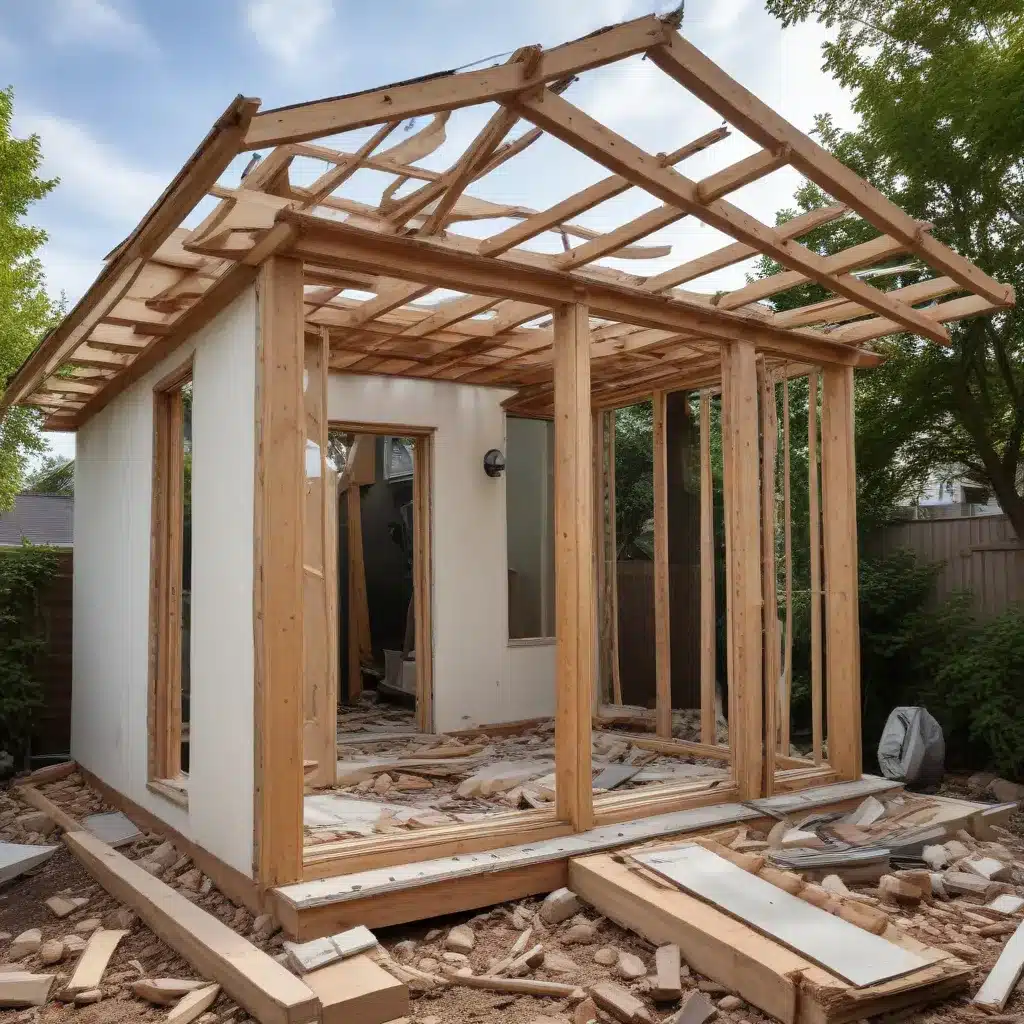
Sustainable home extension projects often begin with the careful deconstruction or demolition of existing structures. The key to a successful and eco-friendly approach lies in the planning and execution of this crucial first step.
One of the guiding principles in sustainable demolition is the concept of “design for disassembly.” This approach encourages architects and builders to create structures that can be easily taken apart, with components and materials that can be salvaged, reused, or recycled. By incorporating this mindset during the design phase, you can significantly reduce waste and maximize the recovery of valuable resources.
“Think of a building as a series of layers, each with a different lifespan,” advises Angus, a seasoned home extension consultant. “When you design for disassembly, you make it easier to replace or upgrade individual components, rather than demolishing the entire structure.”
This forward-thinking strategy not only benefits the environment but also presents economic opportunities. Salvaged materials can be sold or repurposed, reducing the need for new construction materials and generating additional revenue.
Waste Management
Proper waste management is crucial in sustainable building demolition. The 2019 California Green Building Standards Code (CalGreen) requires that at least 65% of non-hazardous C&D debris generated on-site be recycled, reused, or diverted from landfill disposal. This regulation serves as a benchmark for responsible demolition practices, and savvy home extension consultants should be well-versed in its requirements.
To meet these standards, it’s essential to have a comprehensive plan in place that prioritizes the separation, collection, and diversion of waste materials. This may involve setting up dedicated sorting areas on-site, partnering with licensed waste management providers, and maintaining meticulous documentation to demonstrate compliance.
“It’s all about being proactive and thinking ahead,” emphasizes Angus. “By anticipating the types of materials you’ll encounter and having a streamlined process for handling them, you can maximize the diversion of waste from landfills and unlock the potential for reuse and recycling.”
Recycling and Repurposing
Once the demolition process is underway, the focus shifts to the responsible handling and repurposing of the recovered materials. This is where the true magic of sustainable home extensions lies, as creative solutions can breathe new life into seemingly discarded items.
Lumber, for instance, can be meticulously salvaged and repurposed as flooring, cabinetry, or even decorative features in the new extension. Similarly, bricks, tiles, and other masonry materials can be cleaned, sorted, and reused in the construction of the new structure or even incorporated into landscaping elements.
“I’ve seen homeowners transform old barn wood into stunning feature walls, or reclaimed bricks into charming pathways,” shares Angus with a grin. “It’s all about having an eye for the potential in these materials and not just seeing them as waste.”
The EPA’s Deconstruction Rapid Assessment Tool can be a valuable resource in this process, helping to prioritize structures for deconstruction and identify the most valuable salvageable items.
By embracing the principles of recycling and repurposing, home extension consultants can not only reduce the environmental impact of their projects but also create unique and authentic design elements that add character and charm to the finished product.
Sustainable Building Materials
Sustainable home extensions go beyond just responsible demolition practices; they also involve the selection and use of eco-friendly building materials. By prioritizing renewable, recycled, and innovative alternatives, home extension consultants can further minimize the carbon footprint of their projects.
Renewable Materials
Incorporating materials derived from renewable sources, such as bamboo, cork, or sustainably harvested timber, can significantly improve the sustainability of a home extension. These materials are often grown and harvested in a manner that replenishes the resource, ensuring a more sustainable supply chain.
“Bamboo is a fantastic example of a renewable material that’s gaining popularity in home extensions,” notes Angus. “It’s incredibly durable, versatile, and has a lower environmental impact than traditional wood.”
Recycled Materials
Recycled materials, such as reclaimed lumber, recycled plastic, or even repurposed glass, can also play a crucial role in sustainable home extensions. By diverting these materials from the waste stream and incorporating them into the construction process, home extension consultants can reduce the demand for virgin resources and support the circular economy.
“I love seeing old shipping containers being repurposed as the foundation for a home extension,” Angus muses. “It’s a clever way to give new life to materials that would otherwise end up in a landfill.”
Eco-Friendly Alternatives
In addition to renewable and recycled materials, home extension consultants should also explore innovative eco-friendly alternatives that minimize the environmental impact. This could include insulation made from recycled denim, low-VOC paints and sealants, or even advanced building materials that enhance energy efficiency.
“The key is to keep an open mind and stay up-to-date with the latest sustainable building technologies,” advises Angus. “By embracing these innovative materials and techniques, we can create home extensions that are not only beautiful but also environmentally responsible.”
Energy-Efficient Design
Sustainable home extensions go beyond just the materials used; they also prioritize energy-efficient design strategies that reduce the overall environmental impact of the project.
Passive Solar Design
Incorporating passive solar design principles can dramatically improve the energy efficiency of a home extension. This approach leverages the natural movement of the sun to heat and cool the living space, reducing the reliance on mechanical systems and lowering energy consumption.
“Passive solar design is all about optimizing the orientation, window placement, and insulation of a building,” explains Angus. “By carefully considering these elements, we can create home extensions that stay comfortable year-round with minimal energy use.”
Insulation Strategies
Enhancing the insulation of a home extension is another crucial aspect of sustainable design. By using high-performance insulation materials and implementing strategic placement, home extension consultants can minimize heat loss or gain, reducing the energy required for heating and cooling.
“Proper insulation is the foundation of an energy-efficient home extension,” Angus emphasizes. “It’s like putting on a cozy sweater for your house, keeping the warmth in during the winter and the heat out in the summer.”
Renewable Energy Integration
Integrating renewable energy sources, such as solar panels or geothermal systems, can further enhance the sustainability of a home extension. By generating clean, renewable energy on-site, homeowners can reduce their reliance on the grid and lower their carbon footprint.
“Renewable energy is the future of sustainable home extensions,” Angus declares. “Whether it’s solar panels on the roof or a ground-source heat pump in the backyard, these technologies can make a real difference in reducing a home’s environmental impact.”
Environmental Considerations
Sustainable home extensions must also take into account the broader environmental impact of the project, considering factors such as ecological preservation, water conservation, and indoor air quality.
Ecological Impact
When planning a home extension, it’s crucial to assess the potential impact on the local ecosystem. This may involve preserving existing trees, minimizing soil disturbance, and incorporating native plant species into the landscape design.
“We need to be mindful of the delicate balance of the natural environment,” Angus emphasizes. “By taking a sensitive approach to site preparation and landscaping, we can ensure that our home extensions coexist harmoniously with the surrounding ecosystem.”
Water Conservation
Sustainable home extensions should also prioritize water conservation strategies, such as implementing greywater systems, rainwater harvesting, and drought-tolerant landscaping. These measures can significantly reduce the overall water consumption of the property and contribute to a more sustainable lifestyle.
“Water is a precious resource, and we have a responsibility to use it wisely,” Angus reminds us. “By incorporating water-saving technologies and techniques into our home extensions, we can do our part to conserve this valuable resource for generations to come.”
Indoor Air Quality
Finally, sustainable home extensions must also consider the indoor air quality of the living space. By selecting low-VOC (volatile organic compound) materials, ensuring proper ventilation, and incorporating air-purifying features, home extension consultants can create a healthier, more comfortable environment for the occupants.
“A sustainable home extension is not just about the external appearance or environmental impact,” Angus explains. “It’s also about creating a space that promotes the well-being of the people who live there. By prioritizing indoor air quality, we can enhance the overall livability and enjoyment of the home extension.”
In conclusion, sustainable home extensions require a multifaceted approach that encompasses responsible demolition practices, the use of eco-friendly building materials, energy-efficient design strategies, and a holistic consideration of the environmental impact. By embracing these principles, home extension consultants can create projects that not only enhance the living space but also make a positive contribution to the planet.
To learn more about our sustainable home extension services, please visit ABC Home’s Home Extension page. Our team of experienced professionals is dedicated to guiding you through every step of the process, ensuring that your home extension project is both beautiful and environmentally conscious.