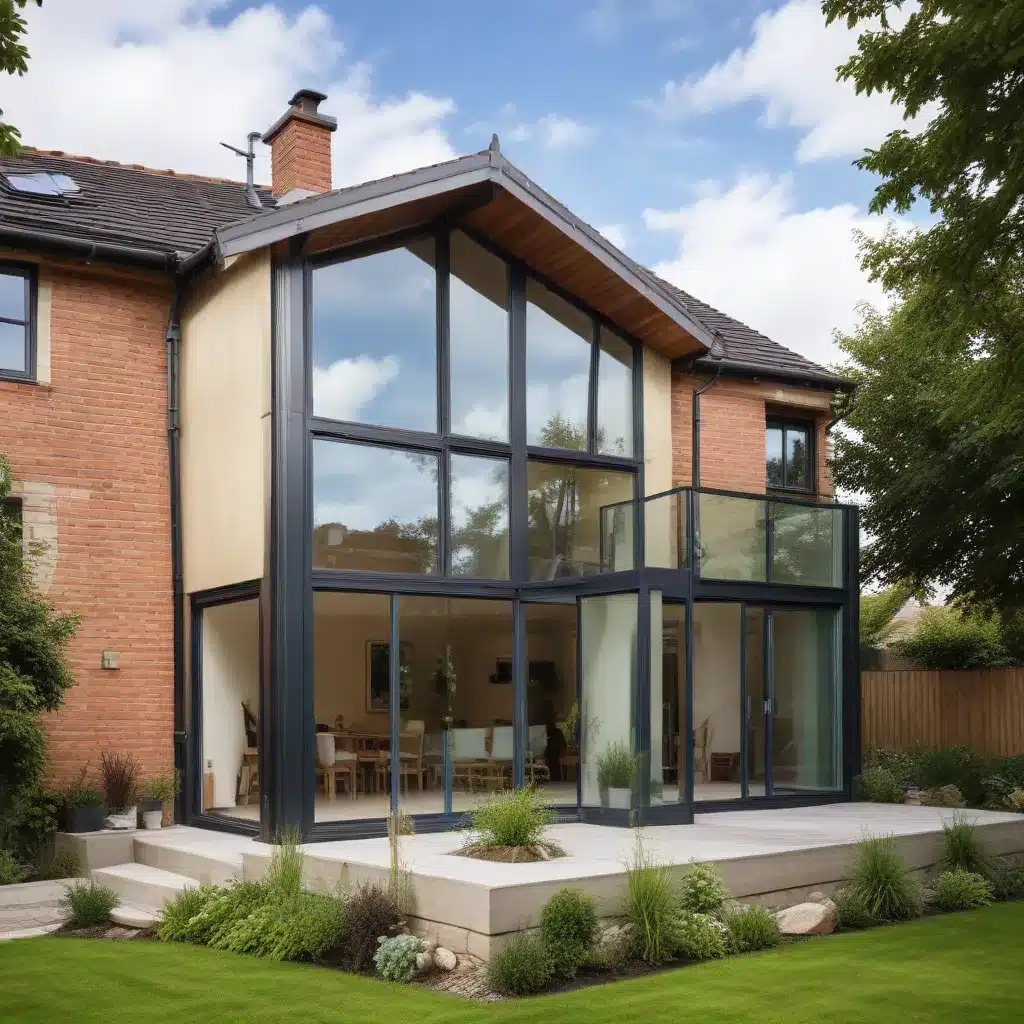
As an experienced home extension consultant, I’ve seen firsthand how homeowners are increasingly prioritizing sustainability and resilience in their renovation projects. In this comprehensive guide, we’ll explore the key principles of sustainable home extensions and how to integrate them with strategies for building resilience.
Sustainable Design Principles
When planning a home extension, the foundation of sustainable design lies in optimizing energy efficiency, incorporating renewable energy sources, and implementing smart water conservation measures. Let’s delve into these essential elements:
Energy Efficiency
Improving the energy performance of your home extension is crucial for reducing its environmental impact and lowering utility costs. This can be achieved through strategies like enhanced insulation, high-performance windows, and energy-efficient appliances and lighting. By carefully selecting building materials and design features that minimize heat loss and gain, you can create a comfortable living space while minimizing your carbon footprint.
Renewable Energy Integration
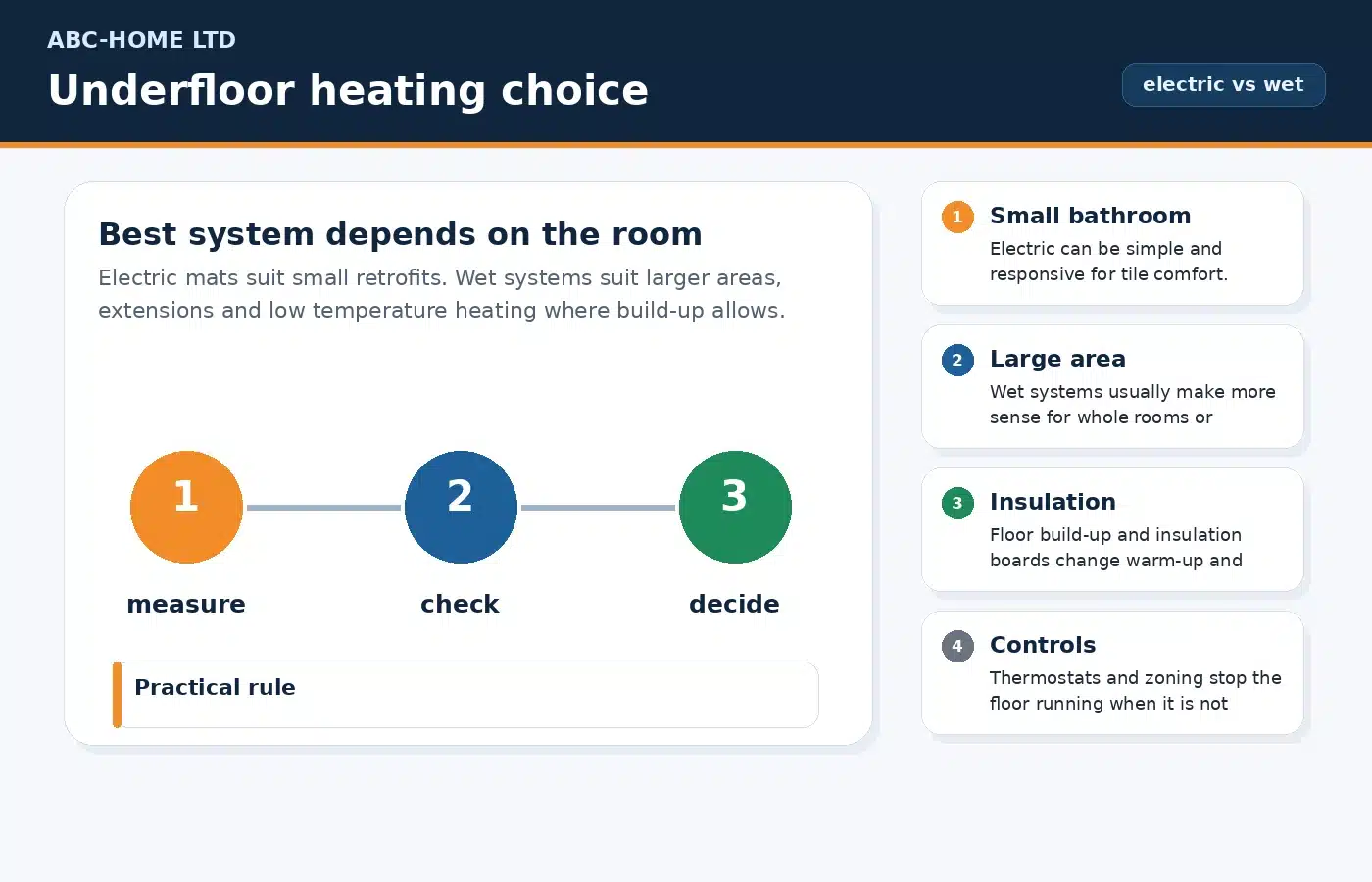
Integrating renewable energy technologies, such as solar photovoltaic panels or ground-source heat pumps, can significantly reduce your reliance on fossil fuels. This not only lowers your energy bills but also contributes to a more sustainable future. When designing your home extension, consider the optimal placement and orientation of these renewable systems to maximize their efficiency.
Water Conservation
Water is a precious resource, and sustainable home extensions should prioritize water-saving measures. This can include installing low-flow fixtures, incorporating greywater recycling systems, and incorporating drought-tolerant landscaping. By minimizing your water usage, you can reduce your environmental impact and ensure a more resilient water supply for your household.
Construction Materials
The selection of construction materials plays a vital role in the overall sustainability of your home extension project. Here are some considerations for low-impact, recycled, and biobased materials:
Low-Impact Materials
Opt for construction materials with a lower embodied energy and carbon footprint, such as sustainable timber, bamboo, or natural insulation products. These materials often have a smaller environmental impact throughout their life cycle, from extraction to disposal.
Recycled/Repurposed Materials
Incorporating recycled or repurposed materials into your home extension can reduce waste and conserve natural resources. This could include using reclaimed wood, recycled steel, or salvaged building components. By giving new life to existing materials, you can create a unique and sustainable space.
Biobased Materials
Biobased materials, such as hemp, straw, or mycelium-based insulation, are derived from renewable, plant-based sources. These materials often have excellent thermal and acoustic properties, and they can contribute to a healthier indoor environment by regulating humidity and minimizing the use of synthetic chemicals.
Sustainable Building Resilience
Sustainable home extensions must also prioritize resilience, ensuring that your investment can withstand the challenges posed by a changing climate and potential disasters. Let’s explore climate-responsive design and resilient building systems:
Climate-Responsive Design
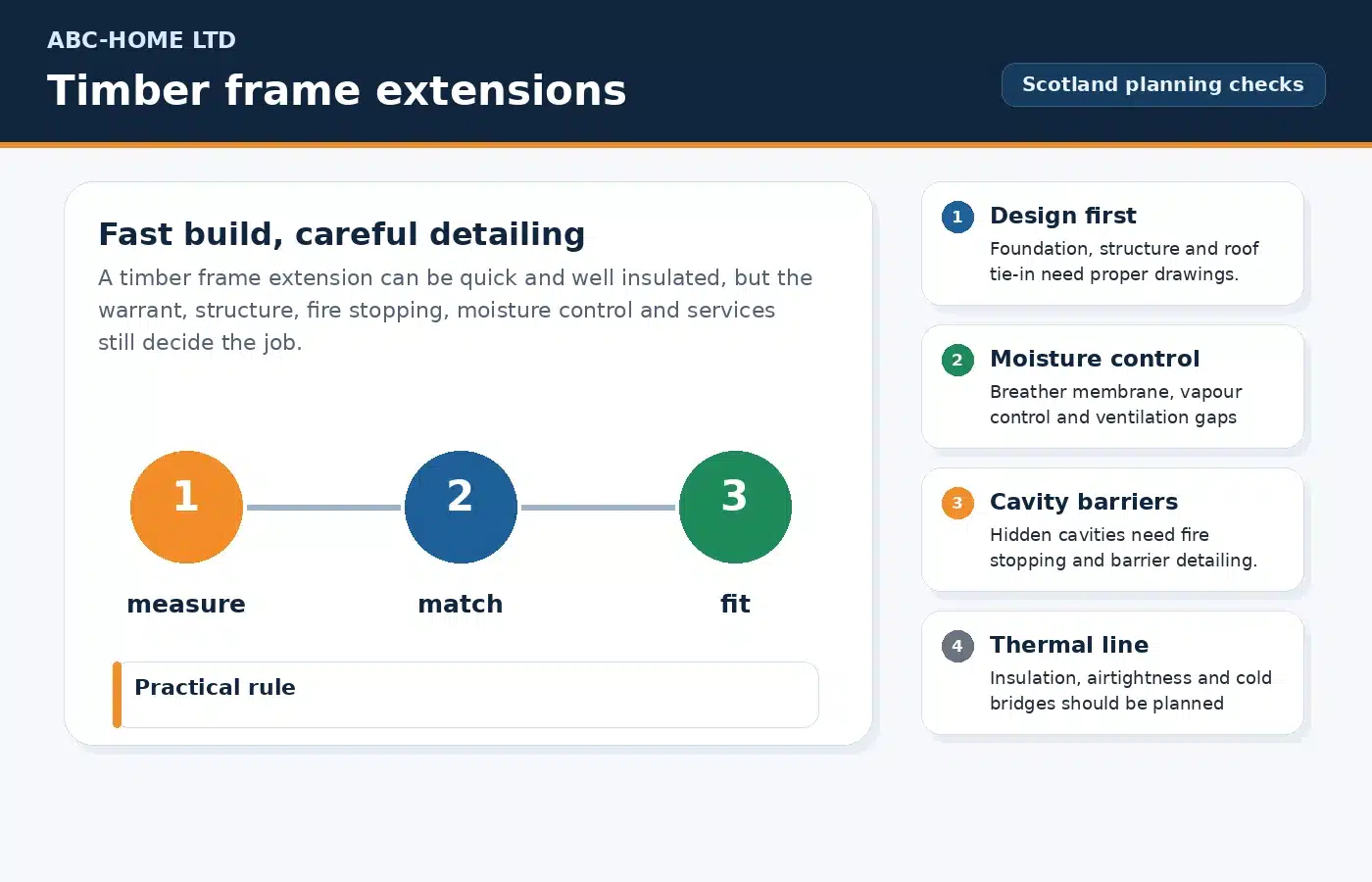
Designing your home extension to be responsive to the local climate is crucial for improving its resilience. This includes strategies like passive heating and cooling, effective moisture management, and incorporating disaster-resistant features. By leveraging natural ventilation, optimizing shading, and reinforcing the building envelope, you can create a home that is better equipped to handle extreme weather events and adapt to long-term climate changes.
Resilient Building Systems
Incorporating resilient building systems can enhance the overall durability and adaptability of your home extension. This may include distributed energy systems that can operate independently of the grid, greywater recycling systems that reduce your reliance on municipal water, and adaptive envelope designs that can adjust to changing environmental conditions.
Integrating Sustainability and Resilience
Achieving a truly sustainable and resilient home extension requires a holistic approach that considers the project’s entire life cycle. Let’s explore the importance of holistic project planning and occupant engagement:
Holistic Project Planning
Effective sustainable home extension projects begin with a comprehensive site analysis and optimization process. By considering factors like solar orientation, local climate patterns, and existing site conditions, you can create a design that seamlessly integrates with the natural environment. Additionally, whole-building performance assessments and life cycle analysis can help you evaluate the long-term environmental impact of your project.
Occupant Engagement
Sustainable and resilient home extensions are not just about the physical design – they also depend on the active engagement of the occupants. Educating homeowners on the passive design features and providing guidance on maintenance and operation can ensure that the sustainable and resilient systems function as intended. Encouraging behavioral strategies, such as energy-efficient habits and water conservation practices, can further enhance the overall performance of the home extension.
Future Outlook for Sustainable Home Extensions
As we look to the future, the landscape of sustainable home extensions is evolving, with emerging technologies and evolving policy landscapes shaping the way we design, build, and live in our homes.
Emerging Technologies
Advancements in building automation, smart home systems, and building-integrated renewable technologies are transforming the way we approach sustainable home extensions. From advanced sensors and controls to integrated solar, wind, and geothermal solutions, these innovations are empowering homeowners to take a more active role in managing their energy use and environmental impact.
Policy and Incentives
The growing emphasis on sustainability and resilience is also driving policy changes and incentive programs that support sustainable home extensions. Green building certifications, local resilience initiatives, and innovative financing options are making it easier for homeowners to invest in sustainable and resilient home improvement projects. As these policies and incentives continue to evolve, the accessibility and adoption of sustainable home extensions will likely increase.
In conclusion, sustainable home extensions are not just about minimizing environmental impact – they are about creating resilient, adaptable, and future-proof living spaces that can withstand the challenges of a changing world. By integrating sustainable design principles, innovative construction materials, and resilient building systems, homeowners can enjoy the benefits of a more comfortable, efficient, and self-reliant living environment. As we look to the future, the continued advancements in technology and the evolving policy landscape will further enable homeowners to make sustainable choices that positively impact their homes, communities, and the planet.