In today’s world, where environmental consciousness is paramount, the concept of sustainable home extensions has gained significant traction. As an experienced home extension consultant, I’m excited to guide you through the principles of the circular economy and how they can be seamlessly integrated into your home extension project.
Circular Economy Principles
The circular economy is a transformative approach that aims to eliminate waste and pollution, circulate products and materials at their highest value, and regenerate nature. This holistic system offers a sustainable alternative to the traditional linear “take-make-waste” model.
Sustainable Material Use
At the heart of the circular economy lies the principle of sustainable material use. Instead of relying on finite resources, a circular approach emphasizes the use of renewable, recycled, or repurposed materials. This not only reduces the environmental impact of your home extension but also contributes to the longevity and resilience of the structure.
For instance, consider using reclaimed timber or repurposed bricks in your extension. Not only do these materials have a unique character, but they also reduce the demand for new, energy-intensive production. Additionally, explore the use of sustainable insulation materials, such as sheep’s wool or cellulose, which can improve the energy efficiency of your home while minimizing waste.
Renewable Energy Integration
Embracing renewable energy is a crucial aspect of the circular economy. By incorporating renewable energy sources, such as solar panels or heat pumps, into your home extension, you can reduce your reliance on fossil fuels and contribute to a more sustainable energy ecosystem.
Not only does this help to lower your carbon footprint, but it also insulates your home from the volatility of energy prices. The integration of renewable energy can be further enhanced by incorporating energy-efficient appliances, smart home technologies, and intelligent control systems to optimize energy usage.
Waste Reduction Strategies
The circular economy emphasizes the importance of minimizing waste throughout the entire lifecycle of a product or structure. In the context of home extensions, this translates to implementing robust waste reduction strategies during the planning, construction, and post-occupancy phases.
During the planning stage, consider modular design principles that allow for adaptability and future modifications, reducing the need for extensive demolition and rebuilding. Incorporate construction techniques that minimize material waste, such as off-site prefabrication or digital fabrication.
During the construction phase, establish efficient waste management protocols, including the separation and recycling of materials, the diversion of waste from landfills, and the repurposing of any leftover materials. This not only reduces your environmental impact but also contributes to the overall sustainability of your home extension.
Sustainable Building Design
Sustainable home extensions go beyond the use of circular economy principles; they also embrace innovative design strategies that prioritize energy efficiency, water conservation, and environmental harmony.
Passive Heating and Cooling
One of the cornerstones of sustainable building design is the integration of passive heating and cooling strategies. This approach harnesses the natural elements of the site, such as solar orientation, natural ventilation, and thermal mass, to regulate the indoor temperature without relying on energy-intensive mechanical systems.
By optimizing the placement of windows, incorporating shading devices, and leveraging the thermal properties of building materials, you can create a comfortable living environment that reduces your reliance on heating and cooling systems. This not only lowers your energy consumption but also contributes to the long-term sustainability of your home extension.
Water Conservation Systems
Water scarcity is a growing global concern, and sustainable home extensions must address this issue. Incorporate water-efficient fixtures, such as low-flow faucets and showerheads, as well as rainwater harvesting systems to collect and reuse precipitation for tasks like gardening or toilet flushing.
Additionally, consider the use of greywater recycling systems, which treat and reuse wastewater from sinks, showers, and washing machines for non-potable applications. These strategies not only conserve precious water resources but also reduce the strain on municipal water infrastructure.
Efficient Insulation Techniques
Effective insulation is a cornerstone of sustainable building design, as it helps to regulate the indoor temperature and minimize the energy required for heating and cooling. Explore advanced insulation techniques, such as vacuum insulated panels or aerogel-based insulation, which provide superior thermal performance while minimizing the use of space.
Additionally, consider the use of natural insulation materials, such as sheep’s wool or cellulose, which not only offer excellent thermal properties but also contribute to the overall sustainability of your home extension.
Embracing Sustainability
Sustainable home extensions are not just about the technical aspects of design and construction; they also encompass broader considerations of social impact, environmental responsibility, and economic feasibility.
Social Impact Considerations
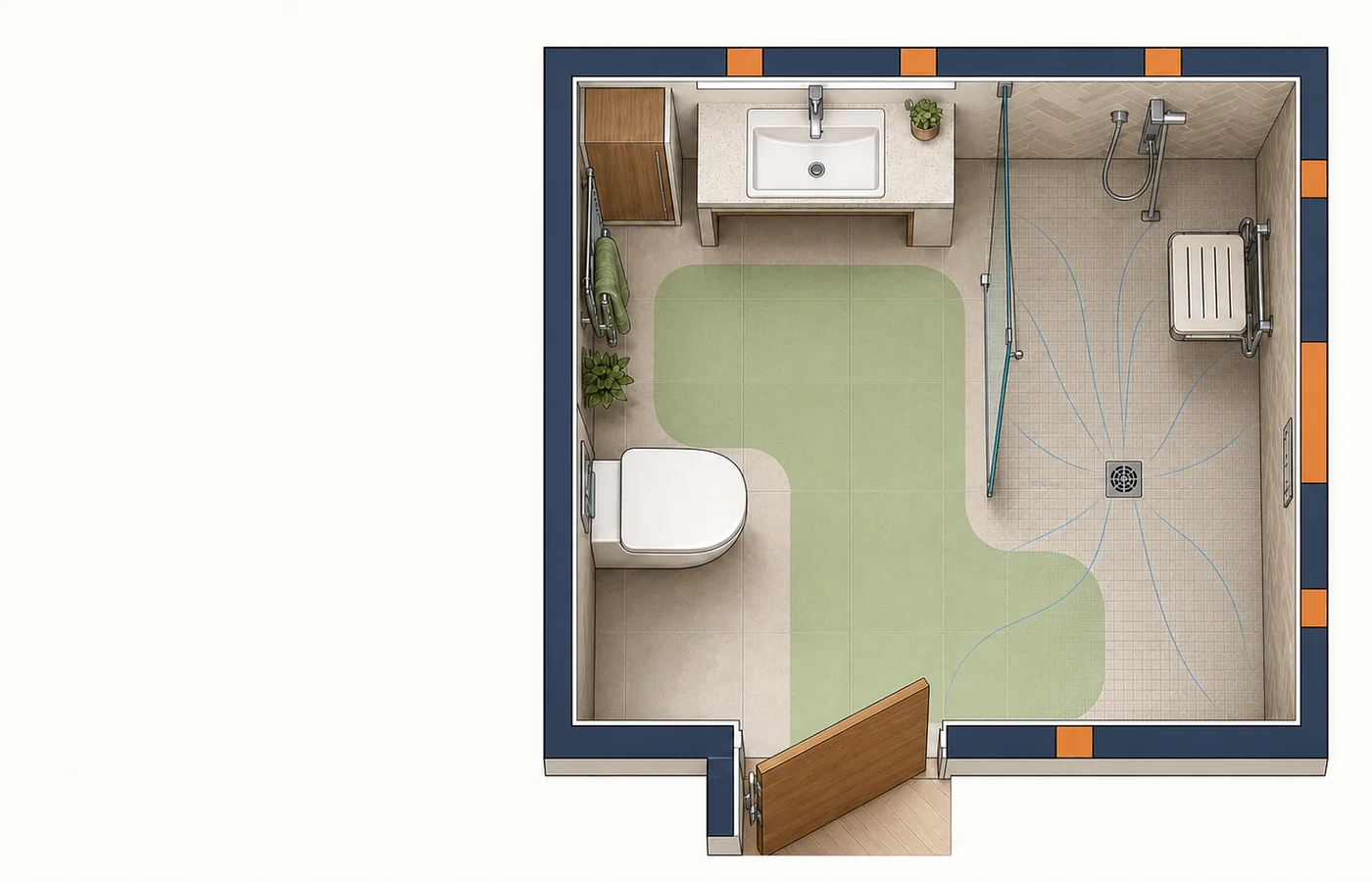
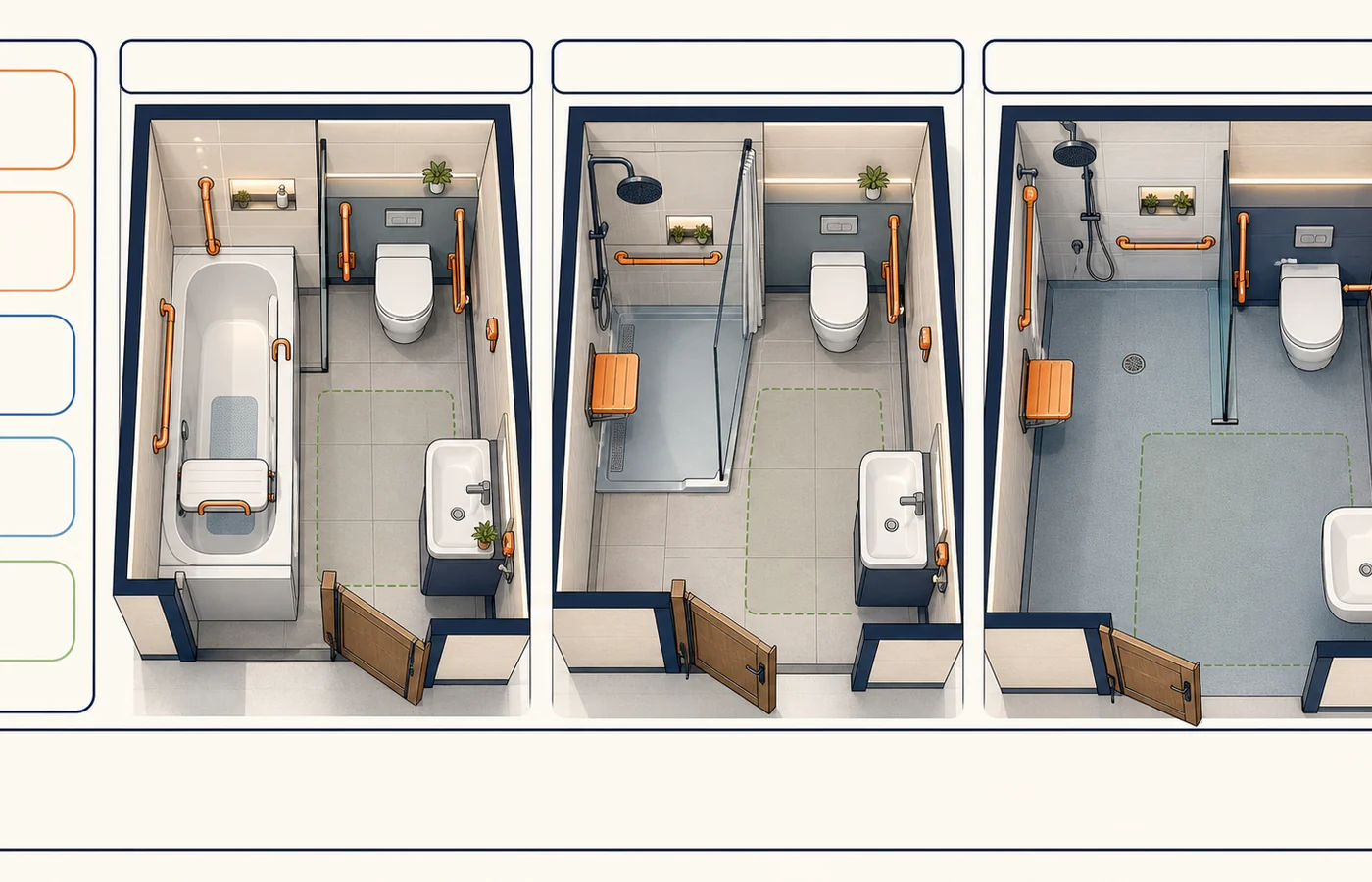
When planning your home extension, it’s essential to consider the social impact of your project. Ensure that the design and construction process are inclusive, considering the needs of all users, including those with disabilities or special requirements.
Furthermore, explore opportunities to incorporate community-focused elements, such as shared spaces or amenities, that foster a sense of togetherness and enhance the overall livability of your home extension.
Environmental Responsibility
Beyond the direct environmental benefits of sustainable design and circular economy principles, your home extension should also consider its broader impact on the local ecosystem and the global environment.
Prioritize the use of locally sourced materials, which reduces the carbon footprint associated with transportation. Incorporate green infrastructure, such as living walls or green roofs, to promote biodiversity and enhance the natural environment.
Economic Feasibility
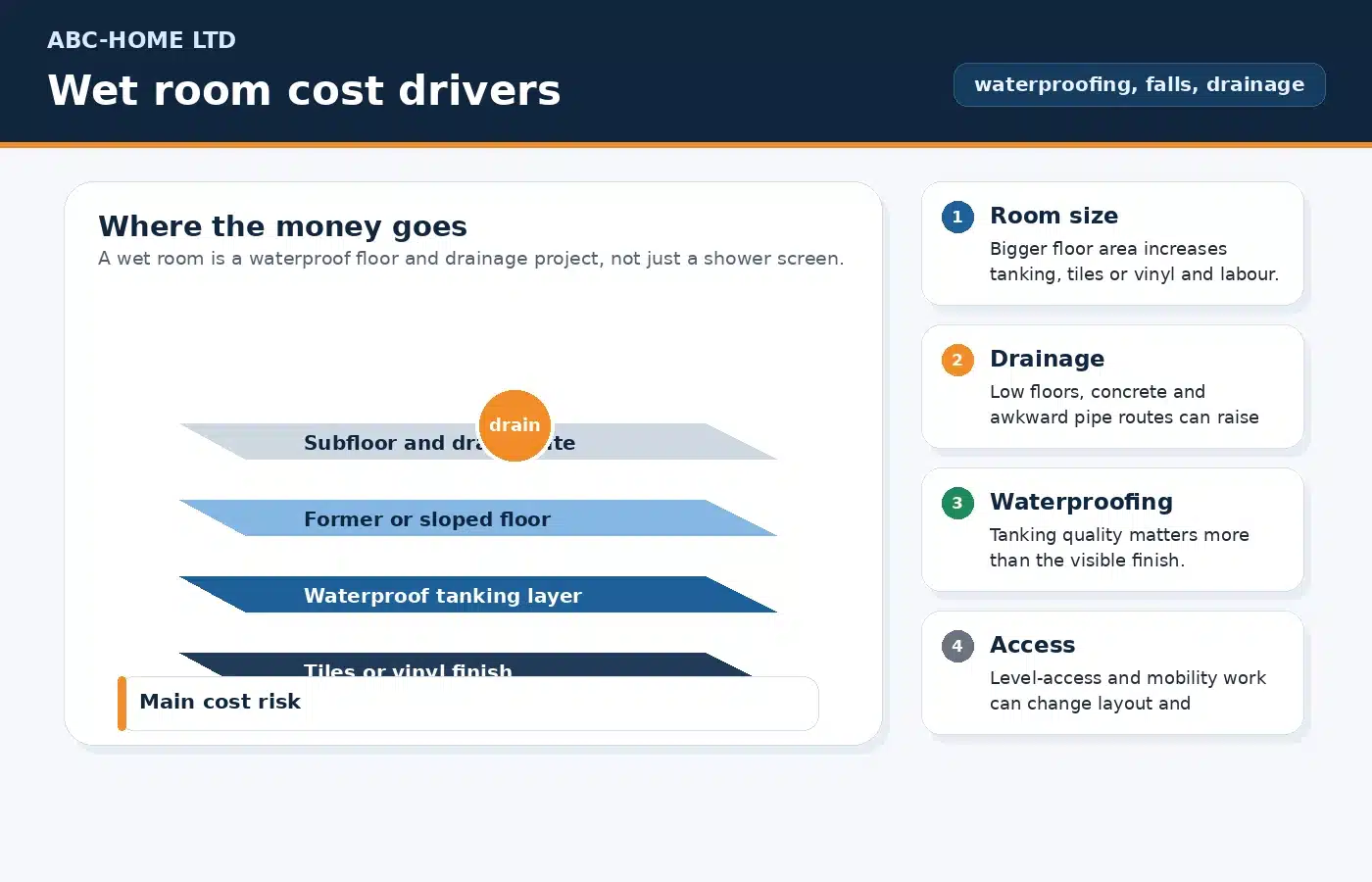
While sustainable home extensions may require a more significant upfront investment, the long-term benefits often outweigh the initial costs. Carefully consider the lifecycle costs of your project, including energy savings, reduced maintenance requirements, and the potential increase in property value.
Explore available government incentives, tax credits, or financing options that can make sustainable home extensions more accessible and financially viable. By taking a holistic approach to the economic considerations, you can create a truly sustainable and future-proof home extension.
Sustainable Construction Practices
Implementing sustainable construction practices is crucial to the success of your home extension project. These practices not only contribute to the overall environmental impact but also ensure the long-term durability and resilience of your home.
Renewable Material Sourcing
In addition to the use of renewable, recycled, or repurposed materials within the design of your home extension, it’s essential to prioritize the sourcing of these materials from sustainable and ethical suppliers.
Engage with local or regional manufacturers and suppliers who prioritize sustainable practices, such as the use of renewable energy, responsible resource management, and fair labor policies. This approach not only supports the local economy but also reduces the carbon footprint associated with transportation.
Waste Management Protocols
Implement comprehensive waste management protocols throughout the construction process, ensuring that materials are properly sorted, recycled, or repurposed. Collaborate with waste management service providers to divert as much waste as possible from landfills, and explore opportunities to donate or sell any excess materials to other construction projects or community organizations.
By adopting a circular approach to waste management, you can significantly reduce the environmental impact of your home extension while also contributing to the broader circular economy.
Sustainable Site Planning
The site selection and planning process are crucial elements of sustainable home extensions. Prioritize the use of previously developed or infill sites, which minimizes the impact on undisturbed natural environments.
Carefully consider the site’s topography, orientation, and local climate to optimize passive design strategies, such as natural ventilation and solar exposure. Incorporate landscaping elements that enhance the site’s biodiversity, such as native plant species and pollinator-friendly gardens.
By embracing sustainable construction practices, you can ensure that your home extension project aligns with the principles of the circular economy, contributing to a more sustainable and resilient future.
Remember, at ABC Home, we are committed to guiding homeowners through the process of creating sustainable home extensions that not only enhance their living spaces but also positively impact the environment. Let us be your partner in this journey towards a more sustainable future.