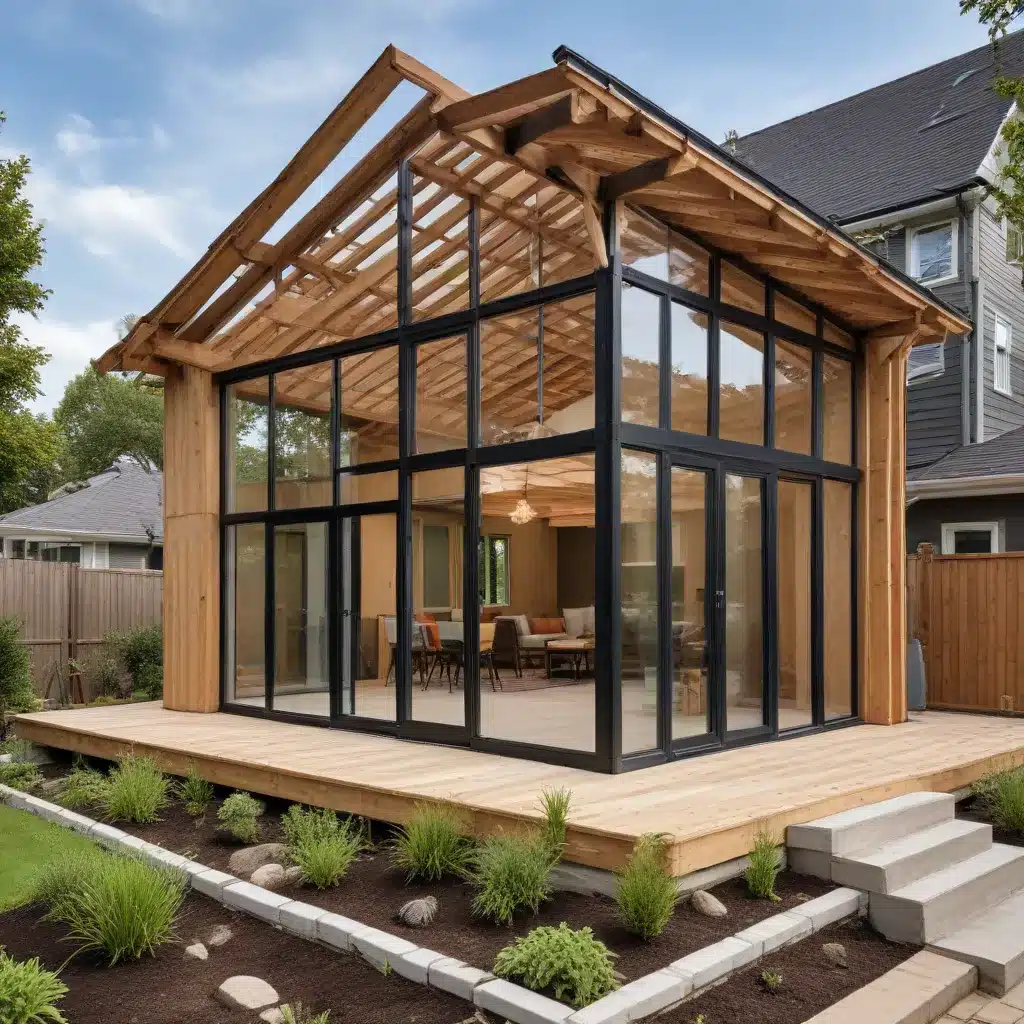
Sustainable Home Extensions: Enhancing Sustainable Building Performance Monitoring
As an experienced home extension consultant in Scotland, I’m often asked about the best ways to make home renovations more sustainable and eco-friendly. One of the key aspects that’s often overlooked is the importance of monitoring a home’s sustainable performance – both during the construction phase and once the extension is occupied.
Sustainable Building Approaches
When it comes to home extensions, there are a few crucial sustainable building approaches to consider. First and foremost, passive design strategies can make a big difference. This includes optimizing the building’s orientation, incorporating high-performance windows and insulation, and leveraging natural ventilation and daylighting. By reducing the overall energy demand, you lay the groundwork for a more sustainable home.
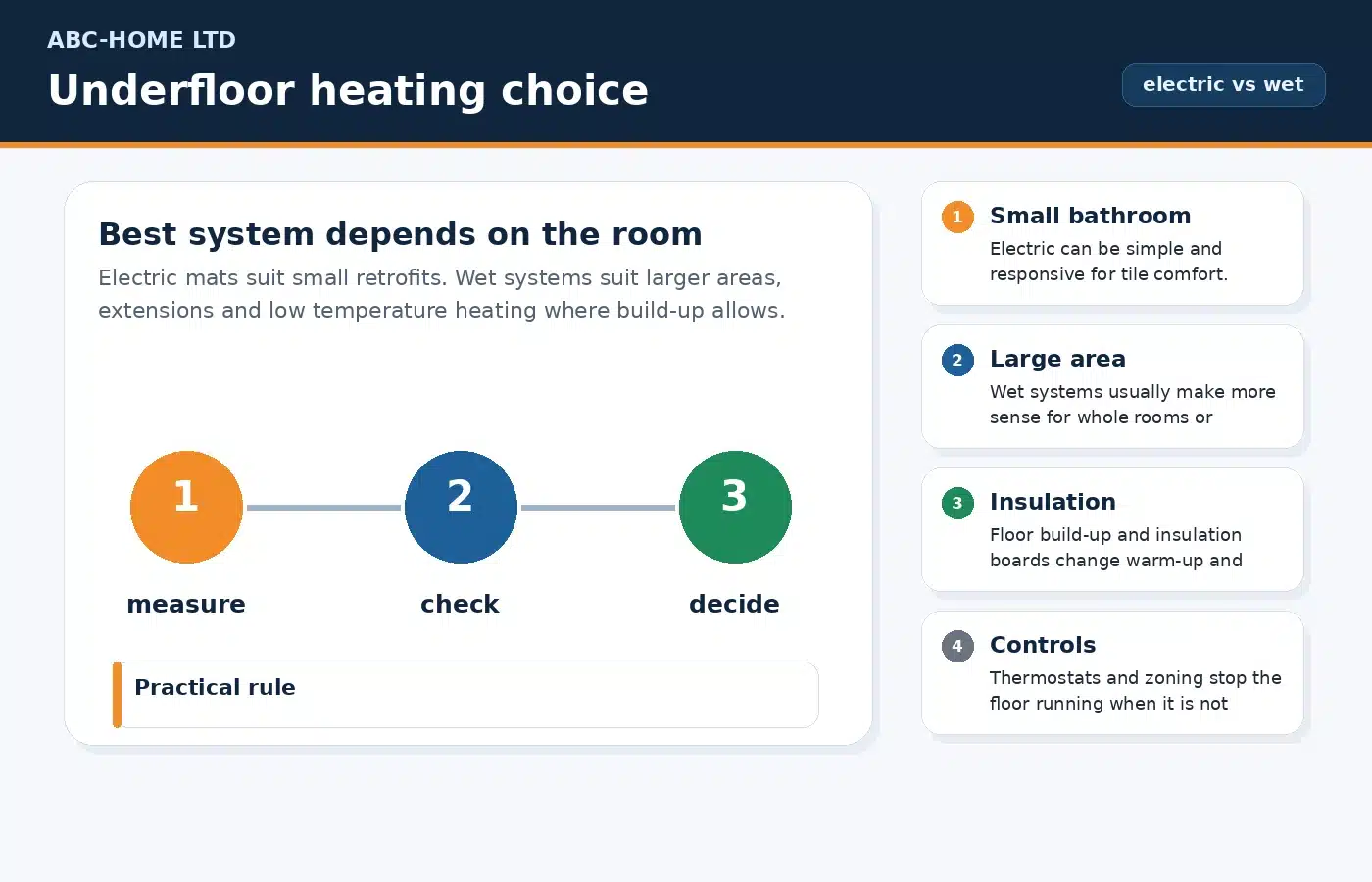
Complementing the passive design, active building systems like efficient HVAC, smart home controls, and renewable energy generation can further enhance the home’s environmental performance. Solar panels, heat pumps, and energy-saving appliances are all valuable additions. The key is integrating these active systems in a holistic way for maximum efficiency.
Integrating renewable energy is another critical component. Whether it’s rooftop solar, ground-source heat pumps, or even small-scale wind turbines, on-site power generation can transform a home extension into a true net-zero energy project. This not only reduces the carbon footprint, but also insulates the homeowners from rising utility costs.
Monitoring Sustainable Building Performance
While the design and construction of sustainable home extensions is essential, ongoing performance monitoring is equally important. This helps ensure the building is operating as intended and identify any areas for optimization.
Sensor-based Monitoring
One of the best ways to track a home extension’s performance is through sensor-based monitoring. This involves installing a network of sensors throughout the property to continuously measure parameters like energy use, indoor air quality, temperature, and humidity. By collecting this real-time data, you can gain valuable insights into how the building is performing.
Simulation-based Evaluation
In addition to physical monitoring, simulation-based evaluation can provide a deeper understanding of the home’s sustainable performance. Advanced building energy models can predict things like heating and cooling loads, renewable energy generation, and overall energy efficiency. These virtual assessments help identify potential issues early on and test different design scenarios.
Occupant Feedback Integration
Of course, the homeowners’ experience is just as crucial as the technical performance metrics. Integrating occupant feedback into the monitoring process is key. This could involve surveys, interviews, and even feedback kiosks to gauge comfort levels, satisfaction, and any operational challenges. Combining occupant insights with the sensor data paints a more holistic picture.
Enhancing Sustainable Building Monitoring
To truly get the most out of sustainable building performance monitoring, it’s important to go beyond just data collection. Effective analysis, optimization, and reporting are essential.
Data Collection and Analysis
First and foremost, the data collected from sensors and simulations needs to be properly organized and analyzed. This could involve cloud-based dashboards, machine learning algorithms, and data visualization techniques. The goal is to transform the raw information into actionable insights.
Optimization Techniques
Armed with a deep understanding of the home extension’s performance, you can then apply optimization techniques to fine-tune the building systems. This might include adjusting HVAC setpoints, retrofitting insulation, or programming smarter controls. An iterative, data-driven approach is key to maximizing efficiency and comfort.
Visualization and Reporting
Finally, clear and compelling visualization and reporting are crucial for communicating the home extension’s sustainable achievements. Intuitive dashboards, interactive timelines, and sustainability scorecards can help the homeowners, designers, and even policymakers understand the building’s true environmental impact.
Sustainable Building Standards and Certifications
As you embark on your home extension project, it’s also important to be aware of the various sustainable building standards and certification programs that can guide the process.
Green Building Rating Systems
Leading green building rating systems like LEED, BREEAM, and Green Globes provide a comprehensive framework for designing, constructing, and operating high-performance buildings. These programs offer guidance on everything from energy efficiency and water conservation to indoor air quality and material selection. Achieving certification through these systems can be a valuable way to validate your home extension’s sustainability.
Energy Efficiency Regulations
In addition to voluntary rating systems, many regions have implemented mandatory energy efficiency regulations for new construction and renovations. For example, the UK’s Building Regulations Part L sets strict requirements for things like insulation levels and maximum energy use. Staying up-to-date on these local codes and standards is crucial.
Life-cycle Assessment Frameworks
Going beyond operational efficiency, life-cycle assessment (LCA) frameworks provide a holistic view of a building’s environmental impact. These methodologies consider everything from embodied carbon in construction materials to end-of-life disposal. Tools like the Sustainable Sites Initiative (SITES) and the Living Building Challenge’s “Petals” can help guide your home extension towards true sustainability.
Integrating Sustainable Home Extensions
Bringing all of these sustainable building approaches, monitoring strategies, and certification systems together can seem daunting. But with the right planning and expertise, you can create a home extension that is not only beautiful and functional, but also a shining example of environmental stewardship.
Architectural Design Considerations
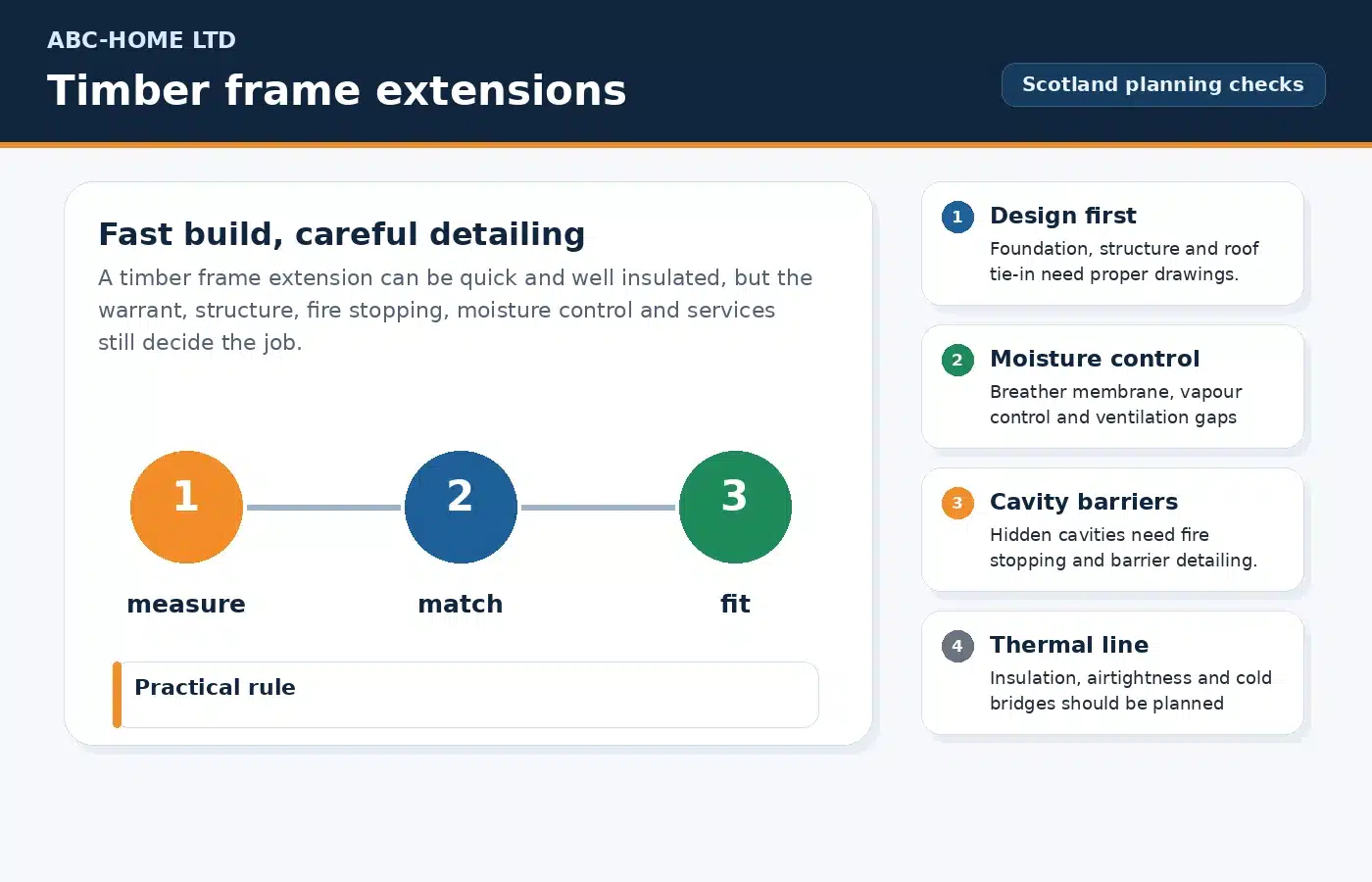
From the outset, the architectural design of your home extension needs to prioritize sustainability. This means thoughtful spatial planning and layout to optimize passive solar performance, as well as careful material selection to minimize embodied carbon. By aligning the aesthetic vision with green building principles, you can create a seamless integration of form and function.
Construction and Installation Processes
During the construction phase, employing prefabricated building components and on-site waste reduction strategies can further enhance the sustainability of your home extension. Factory-built modules and panels not only reduce construction waste, but also improve build quality and efficiency. And by diverting as much material as possible from landfills, you’re closing the loop on the circular economy.
Ultimately, creating a truly sustainable home extension requires a holistic, data-driven approach – from the initial design to the ongoing performance monitoring. By embracing passive strategies, active systems, renewable energy, and rigorous certification standards, you can transform your living space into a model of environmental stewardship. And with the right monitoring in place, you can continually optimize the performance to ensure your home extension is a shining example of sustainability for years to come.
If you’re ready to embark on a sustainable home extension project, our team at ABC Home would be happy to guide you through every step of the process. With our expertise in green building design, construction, and performance optimization, we can help you create the home of your dreams while minimizing the environmental impact. Get in touch today to learn more!