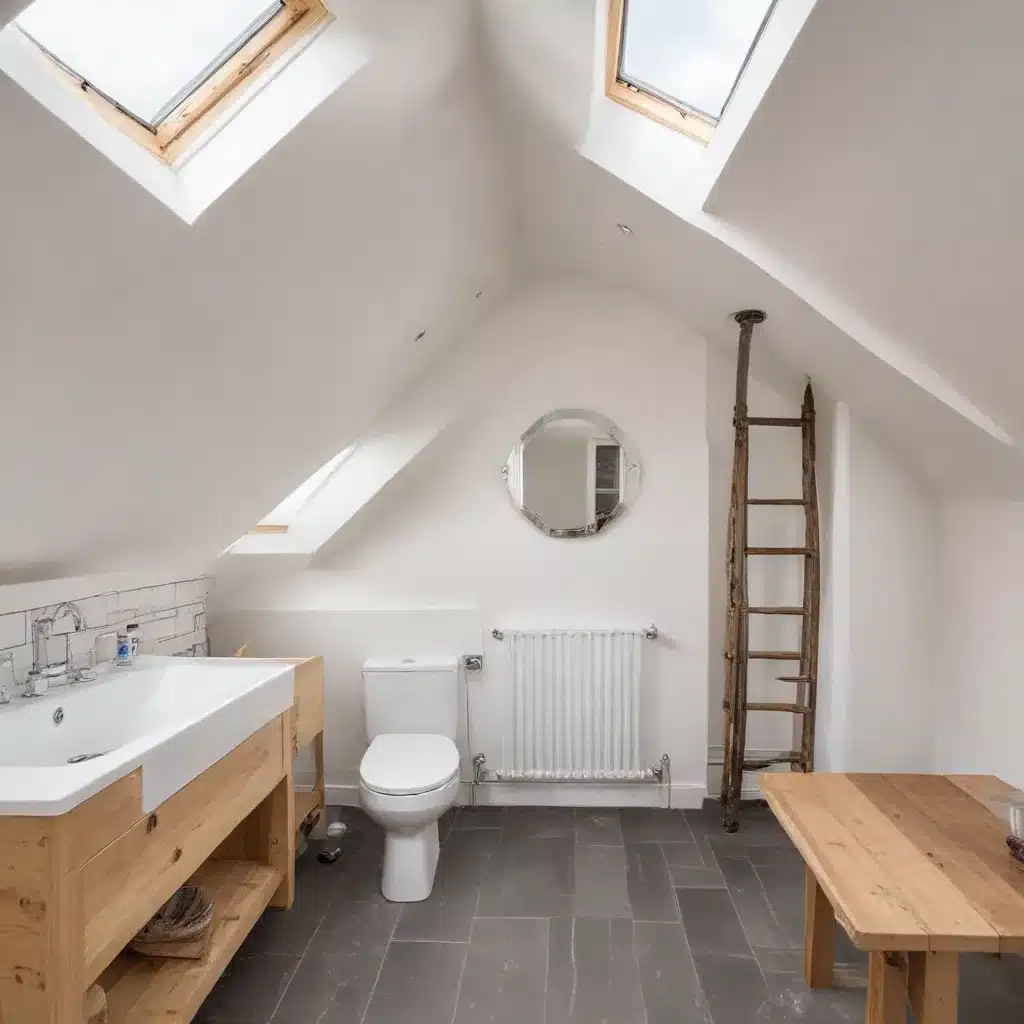
Transforming your loft into a functional living space can be an exciting and rewarding project, but one that requires careful planning and attention to detail – especially when it comes to the plumbing. Loft conversions present unique challenges that can catch even seasoned homeowners off-guard if not properly addressed.
As an experienced home renovation consultant, I’ve seen firsthand the importance of getting the plumbing right from the start. In this comprehensive guide, we’ll explore the key considerations, common pitfalls, and best practices for tackling loft conversion plumbing to ensure a smooth and successful project.
Types of Loft Conversions
Before delving into the plumbing specifics, let’s briefly cover the three most common types of loft conversions:
Dormer Loft Conversions: These involve adding a dormer window to the existing roof, creating additional headroom and floor space within the loft. This is a popular choice as it provides more usable living area without drastically altering the external appearance of the home.
Mansard Loft Conversions: Characterized by a steep, almost vertical, roof slope, mansard loft conversions transform the entire upper storey into a new living space. This approach maximizes the available space but requires more extensive structural work.
Velux Loft Conversions: Also known as “roof light” conversions, these involve installing Velux or similar roof windows to brighten up the loft without significantly altering its footprint. This is often the most cost-effective loft conversion option.
Regardless of the type, each loft conversion comes with its own unique plumbing challenges that must be carefully addressed.
Plumbing Challenges in Loft Conversions
One of the primary obstacles when adding plumbing to a loft conversion is the restricted space. Lofts often have sloped ceilings, limited headroom, and awkward layouts that can complicate the routing of pipes and placement of fixtures. Careful planning is essential to ensure the plumbing system integrates seamlessly with the existing infrastructure.
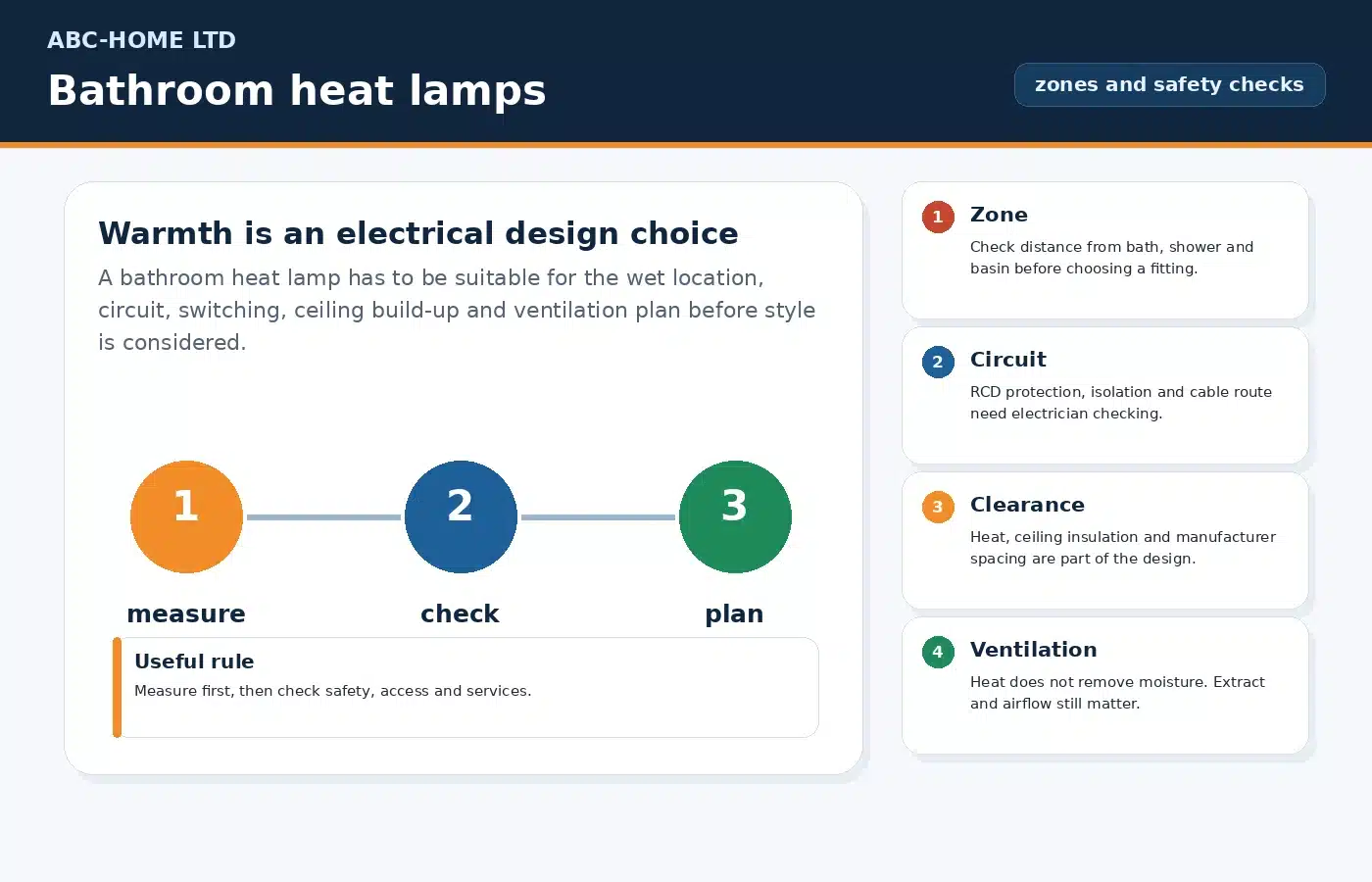
Ventilation is another crucial consideration. Bathrooms and kitchens in loft conversions require effective exhaust systems to manage moisture and prevent issues like mould and damp. Integrated ventilation solutions, such as extractor fans and passive ventilation systems, must be incorporated into the design.
Insulation and heating systems also play a vital role in loft conversions. Ensuring proper insulation around pipes and fixtures can help prevent freezing during the colder months, while integrating the loft’s heating system with the rest of the home’s is important for maintaining comfort and energy efficiency.
Regulatory Compliance for Loft Plumbing
When it comes to loft conversions, compliance with building regulations is non-negotiable. In the UK, the key regulations governing loft plumbing include:
Building Regulations: These cover a wide range of technical requirements, from structural integrity and fire safety to drainage and water supply. Carefully reviewing and adhering to these regulations is crucial to avoid costly rework or even having to undo your entire project.
Drainage Considerations: Loft bathrooms and kitchens must have properly sized and graded waste pipes to ensure efficient water drainage. This may require upgrading or re-routing existing drainage systems.
Water Supply Regulations: Regulations surrounding water pressure, pipe sizing, and backflow prevention must be followed to ensure a safe and reliable water supply to the loft.
In addition to building regulations, you may also need to obtain the necessary permits and approvals from your local authority before proceeding with the loft conversion and its plumbing work. Hiring a qualified, certified plumber is essential to ensure your project is completed in full compliance with all relevant regulations.
Choosing the Right Plumbing Approach
When it comes to loft conversion plumbing, you have two main options: a centralized or decentralized system.
Centralized Plumbing: This approach involves extending the home’s existing plumbing system to the loft, connecting the new fixtures and appliances to the main water supply and drainage lines. This can be more cost-effective but may require more complex pipe routing and structural alterations.
Decentralized Plumbing: Also known as “point-of-use” systems, this approach involves installing independent water heaters, pumps, and drainage in the loft, disconnected from the main house plumbing. This can be a more flexible solution for challenging loft layouts but may require additional maintenance and energy costs.
Within these broad categories, you’ll also need to consider the specific plumbing system design, such as gravity-fed or pumped solutions, to ensure adequate water pressure and efficient drainage.
Eco-friendly plumbing options, such as water-efficient fixtures and sustainable drainage systems, should also be on your radar. Integrating these elements can not only reduce your environmental impact but also lower long-term operating costs.
Common Plumbing Pitfalls to Avoid
Despite careful planning, loft conversion projects can still encounter a variety of plumbing-related issues. Here are some of the most common pitfalls to be aware of:
Leaks and Water Damage: Improper pipe installation, inadequate insulation, or faulty fittings can lead to devastating leaks that can cause water damage, mould, and structural issues. Regular inspections and proactive maintenance are key to avoiding these problems.
Frozen Pipes: Lofts, being the uppermost part of the home, are particularly susceptible to freezing pipes during winter. Ensuring proper insulation and incorporating freeze-protection measures, such as heat tracing or insulation wraps, is essential.
Ventilation and Air Quality: Inadequate bathroom exhaust or poor air circulation can lead to issues like excess moisture, damp, and even carbon monoxide buildup – a serious health hazard. Carefully planning the ventilation system and incorporating safety features is a must.
By anticipating and addressing these common pitfalls during the planning and installation stages, you can help ensure a smooth and successful loft conversion project.
Cost Considerations for Loft Plumbing
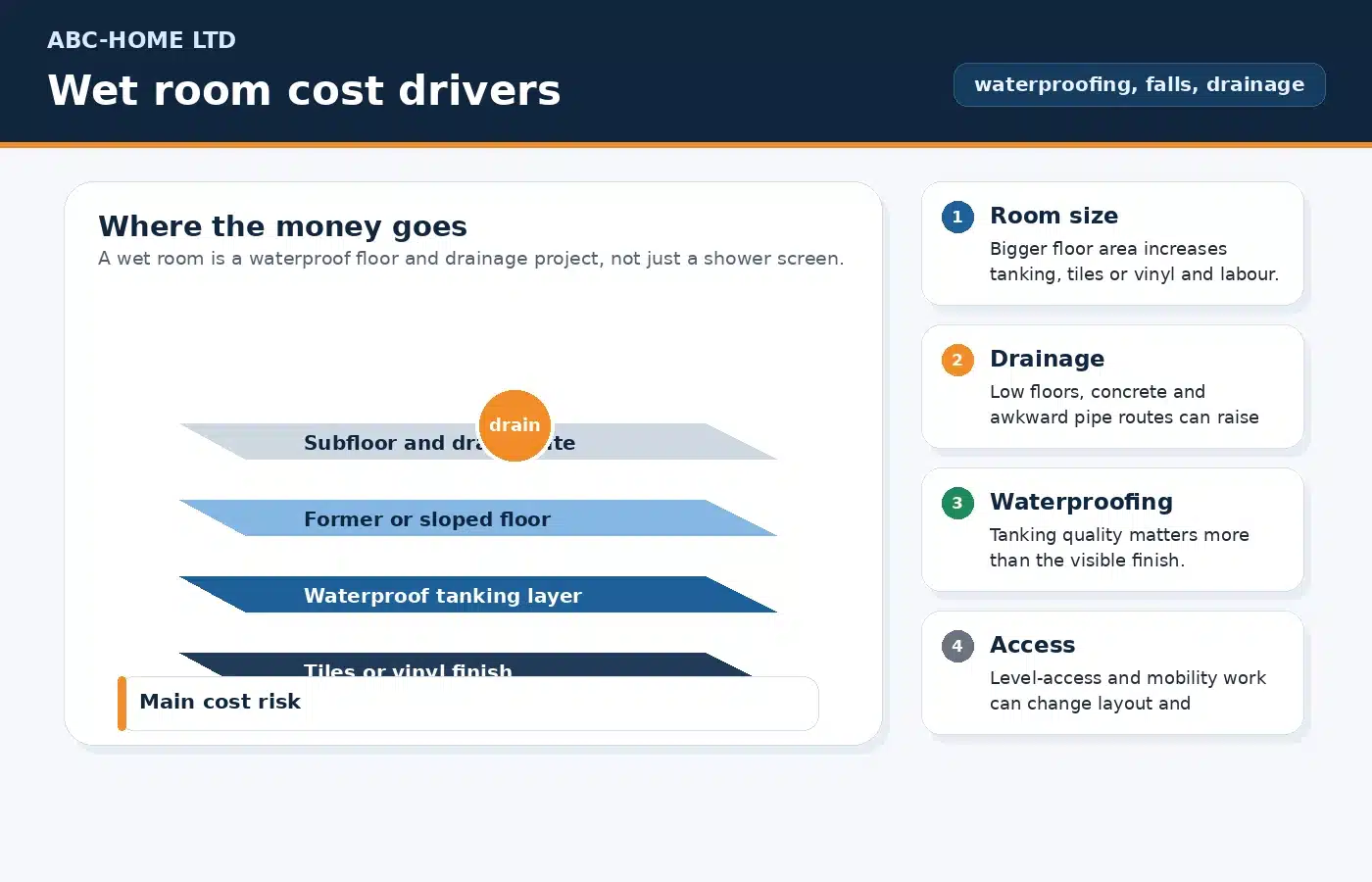
Budgeting for the plumbing aspect of a loft conversion is a critical step. Material costs can vary widely depending on the fixtures, pipes, and fittings required, while labor expenses can quickly add up, especially if you need to reroute or upgrade existing plumbing infrastructure.
When estimating your budget, be sure to factor in the following:
Material Costs: From bathroom suites and kitchen appliances to pipes, fittings, and valves, the materials required can quickly add up. Research prices from reputable suppliers to get a realistic idea of these expenses.
Labor Expenses: Hiring a qualified, experienced plumber is essential for a loft conversion project. Ensure you understand the hourly rates and any additional fees, such as callout charges or waste disposal costs.
If the upfront costs are a concern, explore financing options like mortgage extensions or home improvement loans that can help spread the investment over a longer period. This can make the plumbing upgrades more manageable, especially for complex loft conversions.
Selecting the Appropriate Plumbing Fixtures
In the confined spaces of a loft conversion, choosing the right plumbing fixtures is crucial. Compact, space-saving designs are often the best solution, such as wall-mounted toilets, corner sinks, and slim-profile appliances.
When selecting bathroom suites and kitchen appliances, consider not only the physical dimensions but also the water and energy efficiency ratings. This can help you create a functional, eco-friendly loft space that aligns with your long-term goals.
Aesthetics are also an important consideration, as the plumbing fixtures should seamlessly integrate with the overall design and décor of the loft. Coordinate the finishes, materials, and styles to achieve a cohesive and visually appealing result.
Maintaining Loft Plumbing Systems
Proper maintenance is key to ensuring the longevity and optimal performance of your loft’s plumbing system. Regular inspections, cleaning, and proactive repairs can help you avoid costly issues down the line.
Some essential maintenance tasks include:
Routine Inspections and Maintenance: Checking for leaks, unclogging drains, and ensuring proper water flow can help identify and address problems before they escalate.
Upgrades and Renovations: As your needs and preferences change over time, be prepared to adapt your loft’s plumbing system. Incorporating energy-efficient upgrades or adapting to new fixtures can enhance the functionality and value of your home.
By staying on top of maintenance and being proactive about necessary upgrades, you can ensure your loft conversion’s plumbing system continues to perform reliably for years to come.
For more information on plumbing considerations for your loft conversion, be sure to visit ABC Home’s plumbing and electrical section – a valuable resource for UK homeowners seeking expert guidance on renovation projects.