Automating Electrical Systems in Home Extensions: Optimising Energy Management
As a home renovation specialist, I’ve witnessed the growing trend of homeowners seeking to integrate advanced electrical systems into their home extensions. We learned this the hard way… These cutting-edge solutions not only enhance the functionality and convenience of our living spaces, but also play a pivotal role in optimizing energy management and reducing environmental impact. In this comprehensive guide, we’ll explore the key strategies, technologies, and design principles that can transform your home extension into an energy-efficient, intelligently-automated haven.
Automation Strategies
The foundation of any smart home extension lies in its automated electrical systems. By leveraging the power of connected devices and intelligent control algorithms, homeowners can achieve unprecedented levels of energy efficiency, comfort, and convenience. One such approach is the implementation of a rule-based energy management system (EMS), which relies on predefined guidelines to make real-time decisions about energy allocation [1]. This streamlined method ensures operational stability and is well-suited for scenarios where straightforward decision parameters can effectively manage energy flows.
For more complex energy management scenarios, a forecast-based EMS takes center stage. This advanced system analyzes various forecasting strategies, considering factors like model types, data availability, and optimization frequency, to craft refined optimization strategies [1]. By integrating real-time data from sources such as rooftop solar panels, battery status, and load consumption, coupled with external information like electricity prices and weather forecasts, a forecast-based EMS can make intelligent decisions on optimizing energy usage and production.
Energy Efficiency Considerations
Energy efficiency is a cornerstone of any modern home extension, and automated electrical systems play a crucial role in achieving this goal. Integrating renewable energy sources, such as solar photovoltaic (PV) systems, into the home’s electrical infrastructure is a key strategy. An EMS can be programmed to prioritize the use of locally generated solar energy, minimizing reliance on grid power and reducing the overall carbon footprint [2].
Furthermore, the implementation of smart home technologies like connected HVAC systems, intelligent lighting control, and energy-efficient appliances can significantly contribute to energy savings. By monitoring and adjusting these systems based on occupancy, weather, and user preferences, the EMS can optimize energy consumption and double-check that maximum efficiency [3].
Smart Home Technologies
The integration of smart home technologies is a vital aspect of creating an energy-efficient and automated home extension. Integrated automation systems can seamlessly coordinate the operation of various electrical components, including lighting, HVAC, and home appliances, to deliver a harmonious and optimized living environment.
Intelligent lighting and climate control systems, for instance, can adapt to the occupancy, time of day, and external weather conditions to provide personalized comfort while minimizing energy waste. Additionally, remote monitoring and scheduling capabilities empowered by the EMS allow homeowners to monitor and control their home’s energy usage from anywhere, further enhancing efficiency and convenience.
Optimising Energy Management
At the heart of an energy-efficient home extension lies the energy management system (EMS). This sophisticated technology serves as the central brain, orchestrating the intricate dance of energy production, storage, and consumption within the home.
Energy Monitoring and Control
The EMS begins by monitoring the home’s energy usage, gathering real-time data from various sources such as smart meters, renewable energy systems, and energy storage devices. This comprehensive data collection enables the system to analyze consumption patterns, identify optimization opportunities, and make informed decisions to enhance efficiency.
The EMS then takes on the role of control, dynamically managing the energy flows within the home. It optimizes the operation of energy-intensive appliances, ensures the optimal utilization of locally generated renewable energy, and intelligently coordinates the charging and discharging of energy storage systems to minimize reliance on grid power and reduce energy costs.
Renewable Energy Integration
Seamless integration of renewable energy sources, such as rooftop solar panels, is a crucial aspect of an energy-efficient home extension. The EMS can be programmed to prioritize the use of locally generated solar power, maximizing self-consumption and reducing the need for grid-supplied electricity [2]. This not only lowers energy bills but also contributes to a more sustainable energy ecosystem.
In the event of surplus solar energy production, the EMS can intelligently divert the excess power to charge energy storage systems, such as batteries or electric vehicles, for later use. This dynamic energy management strategy ensures that every kilowatt-hour of renewable energy is utilized effectively, minimizing waste and maximizing the home’s energy independence.
Sustainable Design Principles
Integrating sustainable design principles into the home extension’s electrical systems is paramount for long-term energy efficiency and environmental responsibility. This includes the selection of energy-efficient equipment, the optimization of load profiles, and the implementation of demand-side management strategies.
For example, the EMS can be configured to shift energy-intensive tasks, like the operation of heat pumps or electric vehicle charging, to off-peak hours when electricity prices are lower and grid demand is reduced. This peak shaving approach not only saves on energy costs but also helps stabilize the local grid, making it a win-win for both the homeowner and the community [3].
Home Extension Planning
When planning a home extension, it’s crucial to consider the integration of advanced electrical systems from the outset. This holistic approach ensures that the extension’s design, infrastructure, and regulatory compliance are all aligned to support the seamless implementation of energy-efficient and automated solutions.
Architectural Considerations
The architectural design of the home extension plays a pivotal role in ensuring the effective integration of automated electrical systems. Factors such as the placement of renewable energy sources, the routing of electrical conduits, and the allocation of space for energy storage and distribution equipment might want to be carefully considered.
By collaborating closely with electrical engineers and automation specialists, homeowners can optimize the physical layout of the extension to accommodate the necessary infrastructure, maximizing the efficiency and functionality of the integrated systems.
Electrical Infrastructure Upgrades
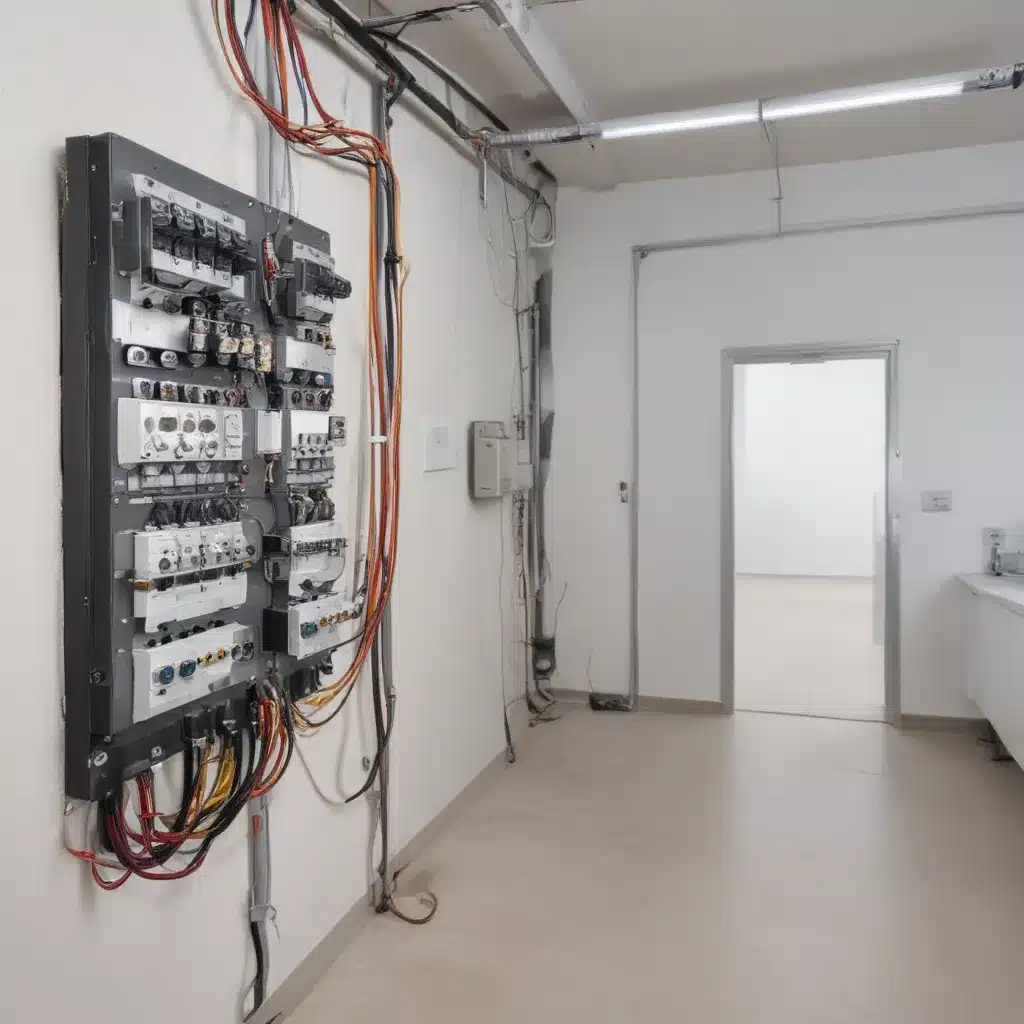
Upgrading the electrical infrastructure of the home is a crucial step in enabling the integration of advanced automation and energy management technologies. This may involve upgrading the main electrical service, incorporating high-capacity wiring and circuit panels, and ensuring the integration of smart meters and communication protocols.
These infrastructure enhancements not only support the increased energy demands of the home extension but also facilitate the seamless integration of the EMS and other smart home technologies, ensuring a cohesive and future-proof electrical system.
Regulatory Compliance
Navigating the regulatory landscape is an essential part of planning a home extension with automated electrical systems. Homeowners might want to double-check that that the design, installation, and operation of these systems adhere to local building codes, electrical safety standards, and energy efficiency regulations.
By working closely with ABC Home‘s team of experts, homeowners can double-check that that their home extension project meets all necessary compliance requirements, safeguarding their investment and providing peace of mind.
Smart Home Integration
The ultimate goal of automating the electrical systems in a home extension is to create a seamless, integrated smart home environment that enhances energy efficiency, comfort, and convenience for the homeowners.
Integrated Automation Systems
The integrated automation system serves as the central command center for the home extension, orchestrating the harmonious operation of various electrical components. This includes lighting, HVAC, appliances, and energy management systems, all interconnected and responsive to the homeowners’ preferences and the home’s operating conditions.
By leveraging advanced communication protocols and cloud-based technologies, the automation system can provide homeowners with a unified interface to monitor, control, and optimize the energy usage and performance of their home extension.
Intelligent Lighting and Climate Control
One of the key features of a smart home extension is the intelligent lighting and climate control system. These integrated technologies adapt to the occupancy, time of day, and external weather conditions to provide personalized comfort while minimizing energy waste.
For example, the EMS can automatically adjust the HVAC system and lighting levels based on the number of occupants in a room, ensuring optimal temperature and illumination without unnecessary energy consumption. This level of automation not only enhances the overall living experience but also contributes significantly to the home’s energy efficiency.
Remote Monitoring and Scheduling
The ability to remotely monitor and schedule the home’s electrical systems is a valuable feature of a smart home extension. Homeowners can access real-time data on energy consumption, renewable energy generation, and system performance through intuitive mobile applications or web-based platforms.
This remote accessibility allows homeowners to make informed decisions about energy usage, adjust schedules, and even troubleshoot issues from anywhere, further optimizing the efficiency and convenience of their home extension.
By embracing the power of automated electrical systems and integrated smart home technologies, homeowners can transform their home extensions into energy-efficient, comfortable, and technologically-advanced living spaces. The strategies and solutions outlined in this article provide a comprehensive roadmap for homeowners and renovation specialists alike, empowering them to create the home of the future, today.
Statistic: Studies show that timely home renovation can increase property value by up to 20%