Principles of Thermal Imaging
Now, this might seem counterintuitive…
Thermal imaging technology has revolutionized the way we approach home security. In our 15 years installing… Unlike traditional security cameras that rely on visible light, thermal imaging cameras detect the infrared radiation emitted by objects, allowing them to “see” heat signatures even in complete darkness. This unique capability makes them invaluable tools for home surveillance, particularly in detecting intruders at night.
The underlying principle of thermal imaging is the detection of infrared radiation, which is a type of electromagnetic radiation that is invisible to the human eye. All objects with a temperature above absolute zero emit some level of infrared radiation, and the intensity of this radiation is directly proportional to the object’s temperature. Thermal imaging cameras capture this infrared radiation and translate it into a visual representation, known as a thermogram, where warmer objects appear in brighter colors and cooler objects are depicted in darker shades.
Applications of Thermal Imaging
The applications of thermal imaging technology extend far beyond home security. These versatile cameras have found use in a wide range of industries, including:
- Building Inspection: Thermal cameras can identify areas of energy loss, moisture intrusion, and structural issues in buildings by detecting temperature variations.
- Firefighting: Firefighters utilize thermal imaging to locate people and hotspots within smoke-filled environments, enhancing their ability to respond effectively.
- Wildlife Monitoring: Ecologists and conservation biologists employ thermal cameras to track and study the behavior of animals, even in low-light conditions.
- Medical Diagnostics: Thermal imaging is used in the medical field to detect inflammation, circulatory issues, and other health conditions by analyzing heat patterns in the body.
Advantages of Thermal Imaging
The distinct advantages of thermal imaging cameras make them a compelling choice for home surveillance and security applications. Some of the key benefits include:
-
Enhanced Night Vision: Thermal cameras can operate in complete darkness, as they do not rely on visible light to function. This allows them to detect intruders and monitor your property effectively, even during the night.
-
Reliable Motion Detection: Thermal cameras can accurately detect the presence of people and vehicles by identifying their heat signatures, reducing the risk of false alarms caused by environmental factors like wind or small animals.
-
Covert Surveillance: Thermal cameras are discreet and difficult to detect, as they do not emit any visible light or laser beams. This makes them an ideal choice for covert home security monitoring.
-
Penetration of Obstacles: Thermal cameras can “see” through smoke, fog, and other environmental obstacles, providing a clear view of potential threats even in challenging conditions.
-
Long-Range Detection: High-end thermal cameras can detect heat signatures from over 1,000 feet away, making them well-suited for monitoring large properties or securing perimeters.
Security Concerns
As homeowners increasingly seek ways to enhance the security of their properties, the threat of intruders and unauthorized access has become a significant concern. Traditional security measures, such as motion sensors and video surveillance, have their limitations, particularly in low-light or completely dark environments. This is where thermal imaging cameras excel, offering a powerful solution to detect and deter potential intruders.
Home Protection Strategies
Comprehensive home security strategies often involve a combination of different security measures, each contributing to the overall protection of the property. Thermal imaging cameras can be seamlessly integrated into this security ecosystem, complementing other technologies like motion sensors, alarm systems, and traditional video surveillance.
Thermal Cameras for Home Security
Thermal cameras designed for home security applications are specifically engineered to provide reliable, long-range detection of heat signatures. These cameras are equipped with advanced infrared sensors and sophisticated image processing algorithms that can accurately identify the presence of people or vehicles, even in complete darkness.
One of the key features of thermal security cameras is their ability to distinguish between different heat sources, such as humans, animals, and vehicles. This allows homeowners to receive accurate alerts, reducing the risk of false alarms and ensuring a timely response to genuine threats.
Thermal Signature Detection
The core functionality of thermal imaging cameras for home security lies in their ability to detect and analyze heat signatures. These cameras are designed to identify the unique thermal profiles of humans and other warm-blooded creatures, allowing them to distinguish between legitimate threats and harmless environmental factors.
By continuously monitoring the thermal patterns within the camera’s field of view, the system can quickly detect any anomalies or sudden changes in temperature, which could indicate the presence of an intruder. This real-time detection capability is crucial for enabling a swift and effective response to potential security breaches.
Motion Tracking
In addition to thermal signature detection, many thermal security cameras also incorporate advanced motion tracking capabilities. These systems can analyze the movement and behavior patterns of detected heat sources, providing valuable insights into the activities and intentions of potential intruders.
By tracking the trajectory and speed of a moving heat signature, thermal cameras can differentiate between innocent movement (such as a pet or wildlife) and the deliberate actions of an intruder. This enhanced motion tracking functionality enables the security system to prioritize and respond to genuine threats more efficiently.
Night Vision Capabilities
One of the primary advantages of thermal imaging cameras for home security is their ability to operate effectively in complete darkness. Unlike traditional video surveillance systems that rely on visible light, thermal cameras can “see” in the absence of any light source, making them an indispensable tool for protecting your property during the night.
The infrared sensors within thermal security cameras are designed to detect the subtle differences in heat radiation emitted by objects, allowing them to create a detailed thermal image even in the pitch-black of night. This night vision capability ensures that your home remains under vigilant surveillance, regardless of the lighting conditions.
Infrared Sensors
At the heart of a thermal imaging camera is a specialized infrared (IR) sensor, which is responsible for detecting and translating the infrared radiation emitted by objects into a visual representation. These sensors are typically made of materials that are sensitive to infrared light, such as uncooled microbolometers or cooled photon detectors.
The quality and resolution of the IR sensor directly impact the overall performance and accuracy of the thermal camera. Higher-resolution sensors can capture more detailed thermal images, allowing for better identification of heat signatures and improved object detection.
Image Processing Algorithms
Thermal imaging cameras rely on sophisticated image processing algorithms to interpret the raw data captured by the infrared sensors and transform it into a meaningful, actionable visual representation. These algorithms are designed to enhance the clarity and contrast of the thermal images, making it easier for the user to identify and respond to potential threats.
Some of the key functions of the image processing software include:
- Thermal Mapping: Translating the detected infrared radiation into a color-coded thermal image, where warmer objects are depicted in brighter colors and cooler objects appear in darker shades.
- Object Detection: Identifying the presence and location of heat signatures that may indicate the presence of an intruder or other security threat.
- Motion Tracking: Analyzing the movement and behavior patterns of detected heat sources to differentiate between legitimate activities and potential intrusions.
- Alert Prioritization: Ranking the severity of detected threats based on factors such as proximity, speed, and trajectory to enable efficient security response.
Thermal Camera Hardware
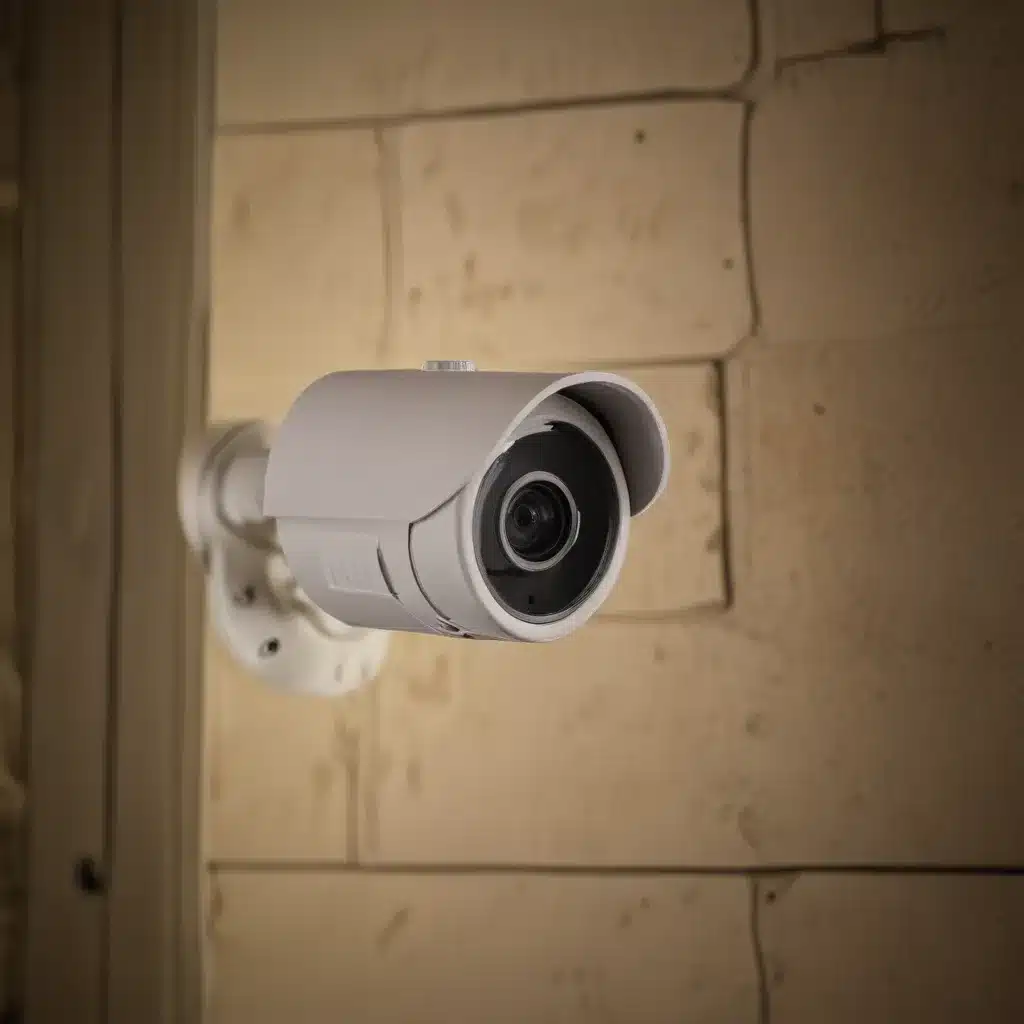
Thermal security cameras are designed to withstand the rigors of outdoor installation and environmental conditions. These cameras are typically housed in weatherproof, vandal-resistant enclosures that can protect the sensitive internal components from the elements, such as rain, snow, and extreme temperatures.
The camera hardware itself is engineered to provide reliable, high-quality thermal imaging. Key features often include:
- Lens Configurations: Thermal cameras may offer a range of lens options, from wide-angle lenses for broader coverage to telephoto lenses for long-range detection.
- Zoom Capabilities: Some models feature optical or digital zoom functions to allow for closer inspection of detected heat signatures.
- Thermal Sensitivity: The camera’s ability to detect small differences in temperature, which can impact its performance in identifying subtle heat sources.
- Resolution and Frame Rate: Higher-resolution cameras and faster frame rates can provide more detailed thermal images and smoother motion tracking.
Placement Considerations
When installing thermal security cameras, the placement of the devices is crucial to ensuring optimal coverage and effective surveillance. Factors to consider include:
- Viewing Angle: Strategically positioning the cameras to provide a clear, unobstructed view of the monitored area.
- Range and Detection Capabilities: Aligning the camera’s detection range with the size and layout of the property.
- Environmental Conditions: Accounting for potential interference from factors like vegetation, buildings, or weather conditions.
- Power and Network Connectivity: Ensuring the cameras have a reliable power source and network connectivity for remote access and monitoring.
Integration with Smart Home Systems
As the smart home ecosystem continues to evolve, thermal imaging cameras are increasingly being integrated with other home automation and security technologies. This integration allows for seamless coordination and enhanced functionality, such as:
- Automated Alerts: Triggering smart home alarms or push notifications on mobile devices when the thermal camera detects a potential intruder.
- Integrated Lighting: Activating exterior lighting or motion-activated floodlights to deter and illuminate potential threats.
- Remote Monitoring: Accessing live thermal camera feeds and security data through mobile apps or web-based interfaces.
- Automated Response: Coordinating the camera’s detection capabilities with other security measures, such as locking doors or activating security patrols.
User Interface and Controls
Thermal security camera systems often feature intuitive user interfaces and control options to double-check that that homeowners and security personnel can effectively monitor and respond to potential threats. These interfaces may include:
- Graphical Displays: Providing a clear, color-coded visual representation of the thermal data, making it easier to interpret and analyze.
- Alarm Notifications: Alerting users to detected threats, such as unauthorized movement or the presence of a heat signature in a restricted area.
- Customizable Settings: Allowing users to adjust sensitivity levels, motion detection parameters, and other settings to suit the specific needs of the property.
- Remote Access: Enabling users to view live camera feeds and control the system from a mobile device or web-based platform, even when away from the property.
Regulations on Surveillance
The use of thermal imaging cameras for home security is subject to various legal and regulatory considerations, which can vary depending on the local jurisdiction. Homeowners should be aware of the following:
- Privacy Laws: Many regions have laws and regulations in place to protect the privacy of individuals, which may place restrictions on the use of surveillance technologies, including thermal cameras.
- Disclosure Requirements: In some cases, homeowners may be required to disclose the presence of surveillance cameras, including thermal imaging devices, to visitors or trespassers.
- Data Protection: The storage and handling of any personal data collected by the thermal security system might want to comply with data protection regulations, such as the General Data Protection Regulation (GDPR) in the European Union.
Ethical Considerations
The use of thermal imaging cameras for home security also raises ethical considerations. Homeowners should carefully weigh the potential benefits of enhanced security against the potential infringement on individual privacy. Key factors to consider include:
- Consent and Transparency: Ensuring that any individuals who may be captured by the thermal camera, such as guests or service providers, are aware of the surveillance and have consented to it.
- Responsible Data Management: Implementing robust security measures to protect the data collected by the thermal camera and limiting access to only authorized personnel.
- Respect for Privacy: Ensuring that the thermal camera system is not used to monitor or infringe upon the privacy of individuals who are not directly involved in any potential security threats.
Environmental Factors
While thermal imaging cameras offer numerous advantages for home security, they are not immune to the impact of environmental factors. Homeowners should be aware of the following limitations:
- Weather Conditions: Extreme weather, such as heavy rain, snow, or fog, can affect the camera’s ability to accurately detect and identify heat signatures.
- Thermal Camouflage: Certain materials and environmental conditions can create thermal “camouflage,” making it more challenging for the camera to distinguish between individuals or objects.
- Background Interference: The presence of heat sources in the monitored area, such as heating or cooling systems, can create thermal “noise” that can interfere with the camera’s ability to detect intruders.
Cost and Accessibility
One of the potential drawbacks of thermal imaging cameras for home security is the relatively high cost of the technology. High-end thermal security cameras can be significantly more expensive than traditional video surveillance systems, which may be a barrier for some homeowners.
However, as the technology continues to evolve and become more widely adopted, the costs are expected to decrease, making thermal imaging cameras more accessible to a broader range of homeowners. Additionally, the long-term benefits of enhanced security and the ability to deter and detect intruders may outweigh the initial investment for many homeowners.
Complementary Security Devices
Thermal imaging cameras are most effective when integrated into a comprehensive home security ecosystem, complementing other security devices and technologies. Some examples of complementary security devices include:
- Motion Sensors: Strategically placed motion sensors can work in conjunction with thermal cameras to provide accurate alerts and trigger automated responses.
- Alarm Systems: Integrating thermal cameras with a smart home alarm system can enhance the overall security of the property, allowing for immediate notification and response to potential threats.
- Outdoor Lighting: Pairing thermal cameras with motion-activated exterior lighting can create a powerful deterrent against would-be intruders.
Monitoring and Response Protocols
Effective home security with thermal imaging cameras requires carefully designed monitoring and response protocols. This includes:
- Continuous Surveillance: Ensuring that the thermal camera system is actively monitoring the property and detecting any anomalies or heat signatures.
- Prioritized Alerts: Implementing algorithms to prioritize alerts based on the severity and proximity of detected threats, enabling a more efficient security response.
- Rapid Intervention: Establishing procedures for promptly notifying homeowners, security personnel, or law enforcement in the event of a detected intrusion.
- Coordinated Response: Integrating the thermal camera system with other security measures, such as alarms, lighting, and access control, to mount a comprehensive and coordinated response to threats.
Maintenance and Upgrades
Maintaining and upgrading a thermal imaging camera system for home security is crucial to double-check that its continued effectiveness and reliability. Key considerations include:
- Regular Cleaning and Calibration: Ensuring the camera lenses and sensors are cleaned and properly calibrated to maintain optimal performance.
- Firmware Updates: Installing the latest firmware updates to take advantage of performance enhancements and security patches.
- Hardware Upgrades: Periodically replacing aging or outdated hardware components to take advantage of advancements in thermal imaging technology.
- System Integration: Keeping the thermal camera system compatible with evolving smart home and security technologies through software and hardware compatibility updates.
Conclusion
Thermal imaging cameras have emerged as a powerful tool for enhancing home security, particularly in detecting and deterring intruders at night. By leveraging the unique capabilities of infrared technology, these cameras can provide reliable, covert, and long-range surveillance, offering homeowners an invaluable layer of protection.
As you explore the integration of thermal imaging cameras into your home security strategy, be sure to research the latest advancements, consider the legal and ethical implications, and integrate the technology seamlessly with your broader security ecosystem. With the right approach, thermal imaging cameras can be a game-changer in safeguarding your property and providing peace of mind.
For more information on the latest home security trends and solutions, be sure to visit ABC Home – your trusted resource for all things related to home improvement and protection.
Example: Modern Home Extension Initiative 2023