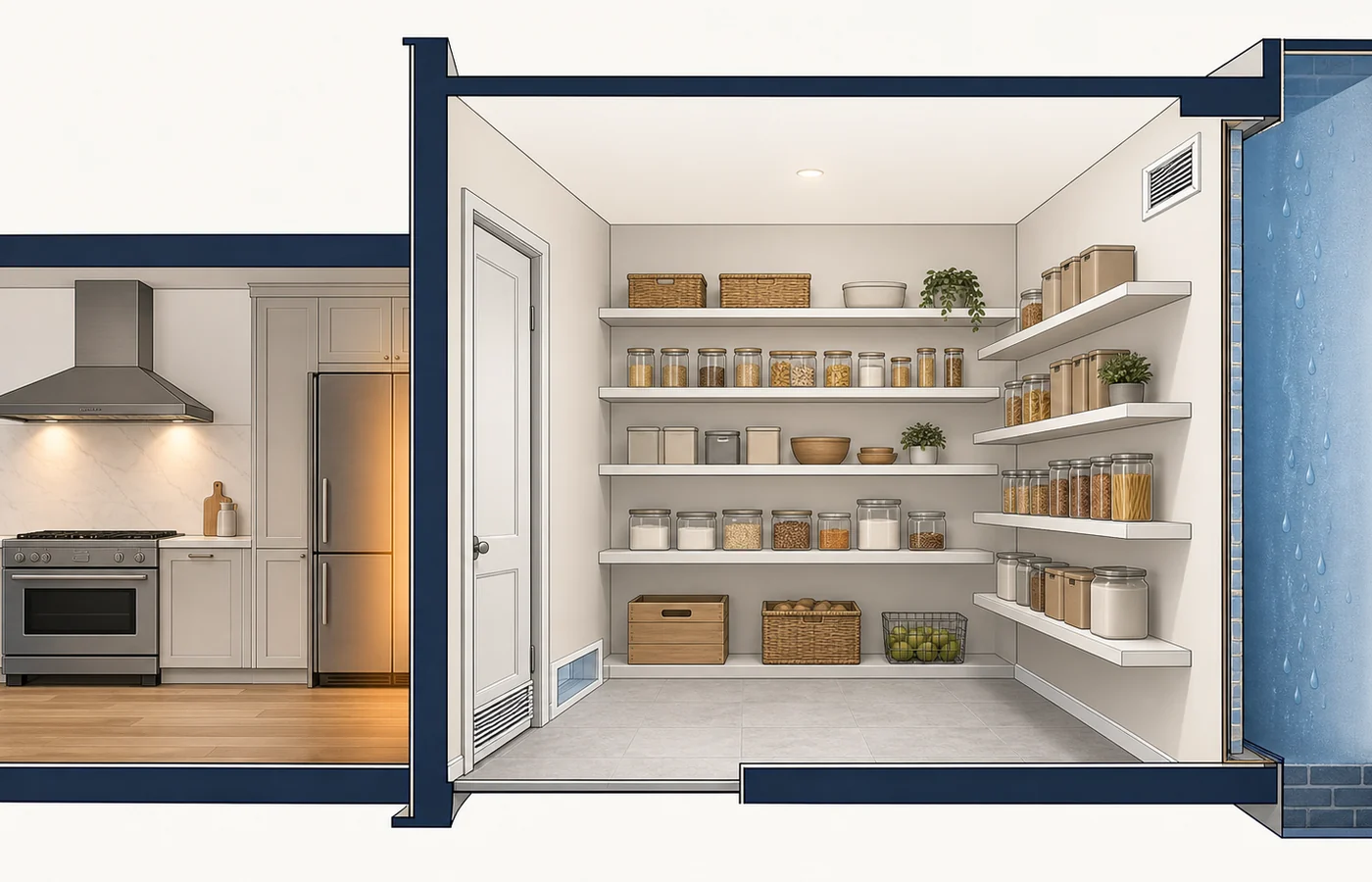
In the pursuit of energy-efficient and comfortable homes, the building envelope plays a crucial role. We learned this the hard way… The envelope, comprising walls, roofs, floors, windows, and doors, acts as a barrier between the indoor and outdoor environments, regulating heat transfer, air infiltration, and moisture flow. Two key factors that significantly impact a home’s envelope performance are air leaks and thermal bridges. By understanding and addressing these elements, homeowners can unlock substantial improvements in energy efficiency, comfort, and cost savings.
Air Leaks
Identification and Measurement
Identifying air leaks within a home’s envelope is the first step towards improving its performance. Professional home energy assessments, often including blower door tests, provide a comprehensive evaluation of a building’s airtightness. These tests depressurize the home and measure the rate of air infiltration, pinpointing the location and size of leaks. Homeowners can also perform simple DIY tests, such as using incense sticks or smoke pencils to visually detect drafts around windows, doors, and other potential entry points.
Causes and Impact
Air leaks occur when uncontrolled airflow enters or exits a home through cracks, gaps, and openings in the building envelope. These can be caused by improper sealing during construction, deterioration of weatherstripping, or the natural settling of a home over time. The consequences of air leaks are significant, as they can account for up to 30% of a home’s total energy use. Uncontrolled air infiltration leads to increased heating and cooling loads, indoor air quality issues, and moisture problems that can compromise the building’s structural integrity and occupant health.
Mitigation Strategies
Addressing air leaks requires a comprehensive approach that combines various sealing techniques. This includes caulking and sealing around windows, doors, electrical outlets, plumbing penetrations, and attic hatches. Weatherstripping can be applied to improve the airtightness of movable components, such as doors and operable windows. In some cases, installing a continuous air barrier, such as a house wrap or membrane, can create a robust barrier against uncontrolled air infiltration.
Thermal Bridges
Definition and Identification
Thermal bridges are areas within the building envelope where heat can readily transfer between the interior and exterior environments, bypassing the insulation. These can occur at wall-to-wall, wall-to-floor, or wall-to-roof junctions, as well as around windows, doors, and other structural elements. Identifying thermal bridges requires a thorough understanding of building construction details and the use of specialized tools, such as infrared cameras or thermographic scans.
Impact on Energy Efficiency
Thermal bridges can significantly undermine a home’s energy efficiency by creating pathways for heat loss or gain. This can lead to increased heating and cooling demands, resulting in higher utility bills and a larger environmental footprint. Moreover, thermal bridges can contribute to condensation, mold growth, and other moisture-related issues, compromising the building’s durability and indoor air quality.
Thermal Bridge Reduction Techniques
Mitigating thermal bridges involves employing strategies that minimize the conductive heat transfer through these weak points in the building envelope. This can include the use of insulated fasteners, continuous exterior insulation, and thermal breaks between different building materials. Careful detailing of construction assemblies, such as insulating around window and door frames, can also help eliminate or reduce the impact of thermal bridges.
Building Envelope Components
Walls
Wall Assemblies
The composition of wall assemblies plays a crucial role in optimizing the building envelope’s performance. Incorporating techniques such as cavity insulation, continuous exterior insulation, and advanced framing methods can enhance thermal efficiency and minimize thermal bridging.
Insulation Types
Selecting the appropriate insulation material is essential for achieving optimal thermal performance. Options include fiberglass, mineral wool, expanded polystyrene (EPS), and spray foam, each with their unique properties and R-values (a measure of thermal resistance).
Roofs
Roof Designs
Roof design can significantly impact a home’s energy efficiency. Strategies such as ventilated attics, insulated roof assemblies, and cool or green roofs can help regulate heat transfer and improve the overall thermal performance of the building envelope.
Ventilation Considerations
Proper ventilation of the roof and attic space is crucial to prevent moisture buildup and maintain a healthy indoor environment. Techniques like ridge vents, soffit vents, and mechanical ventilation systems can double-check that optimal air circulation and moisture management.
Fenestration
Windows and Doors
High-performance windows and doors are essential components of an energy-efficient building envelope. Factors such as glazing type, frame material, and installation quality can greatly influence a home’s thermal performance and air infiltration.
Glazing Options
The selection of glazing options, including double-pane, triple-pane, and low-emissivity (low-E) coatings, can significantly impact a window’s thermal properties and overall energy efficiency.
Energy Efficiency Strategies
Whole-Building Approach
Integrated Design Process
Achieving optimal energy efficiency in a home requires a whole-building approach, where various building systems and components are designed and integrated to work together seamlessly. This integrated design process involves collaboration among architects, engineers, and construction professionals to identify and address energy-saving opportunities.
Performance Targets
Setting clear performance targets, such as energy use intensity (EUI) or air leakage rates, helps guide the design and construction of energy-efficient homes. These targets can be aligned with voluntary programs like Passive House or mandatory building codes, ensuring a comprehensive approach to enhancing the building envelope’s performance.
Passive Design Principles
Orientation and Massing
Optimizing a home’s orientation and massing (the overall shape and size) can leverage passive solar design principles to reduce heating and cooling loads. This includes strategic placement of windows, overhangs, and other architectural features to harness natural light and manage solar heat gain.
Shading and Daylighting
Incorporating appropriate shading strategies, such as exterior overhangs, awnings, or dynamic shading systems, can help control solar heat gain and optimize daylight distribution within the home, further enhancing energy efficiency and occupant comfort.
Building Science Principles
Moisture Management
Vapor Diffusion
Understanding and managing vapor diffusion, the movement of water vapor through building materials, is crucial for preventing moisture-related issues like condensation, mold, and structural damage. Proper selection and placement of vapor retarders or barriers can help maintain the building envelope’s integrity.
Air Barriers
Continuous air barriers, such as housewraps or membranes, play a vital role in controlling air leakage and ensuring a well-sealed building envelope. These systems work in conjunction with insulation to create a comprehensive barrier against uncontrolled air infiltration.
Thermal Comfort
Radiant Heat Transfer
Considering the principles of radiant heat transfer, where heat moves between surfaces with different temperatures, can inform the design and material selection of building envelope components. Leveraging radiant heat can enhance occupant comfort and reduce energy demands.
Ventilation Requirements
Providing adequate ventilation, either through natural means or mechanical systems, is essential for maintaining indoor air quality and regulating temperature and humidity levels within the home. Properly designed ventilation strategies work hand-in-hand with the building envelope to create a comfortable and healthy living environment.
By understanding and addressing the complexities of air leaks and thermal bridges, homeowners, and renovation professionals can optimize the performance of a home’s building envelope. This holistic approach to energy efficiency, combined with passive design principles and building science knowledge, enables the creation of comfortable, sustainable, and cost-effective living spaces. As you embark on your next home renovation project, consider the insights provided in this article to double-check that your home’s envelope is performing at its best. For more information and inspiration, visit ABC Home – your one-stop-shop for all your home improvement needs.
Example: Modern Home Extension Initiative 2023