
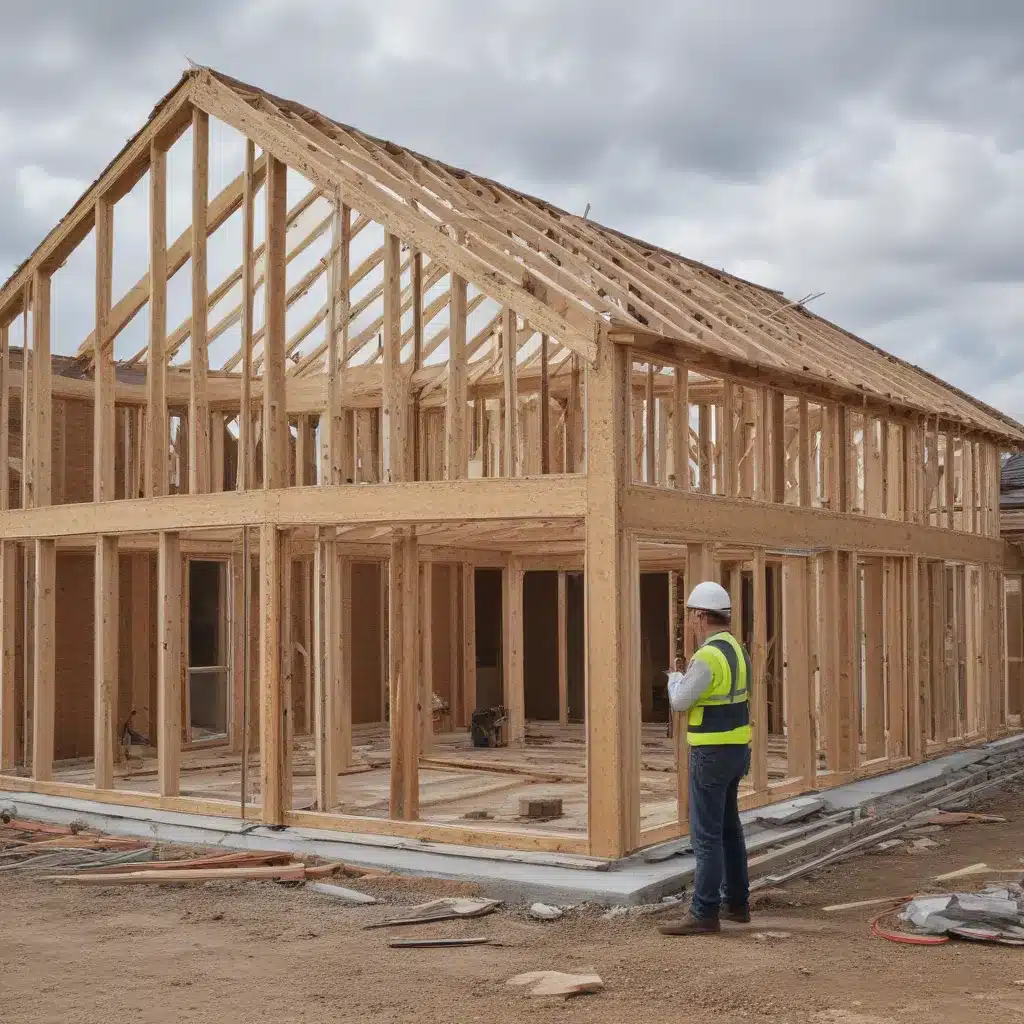
Navigating the Maze of Building Regulations: A Homeowner’s Survival Guide
As a homeowner in Aberdeen, UK, I know all too well the daunting task of tackling home renovation projects. The web of building regulations can seem like a never-ending maze, filled with legal jargon and bureaucratic red tape. But fear not, my fellow DIY enthusiasts! In this comprehensive guide, I’ll take you by the hand and guide you through the intricacies of building regulations, ensuring your home improvement journey is as smooth as a freshly sanded floorboard.
Understanding the Basics of Building Regulations
Building regulations are a set of standards and requirements that all new construction, renovations, and alterations must adhere to. These regulations are in place to ensure the safety, accessibility, and energy efficiency of our homes. Think of them as the traffic laws of the construction world – they keep us all safe and on the right track.
One of the key things to understand about building regulations is that they are constantly evolving. As the construction industry advances and new technologies emerge, the regulations are updated to reflect these changes. It’s crucial to stay up-to-date with the latest requirements, as falling behind can lead to costly delays and potential legal issues.
Determining When a Building Permit is Necessary
The first step in navigating building regulations is to determine whether your proposed project requires a building permit. This can be a tricky task, as the rules can vary depending on the type of work you’re undertaking.
As a general rule of thumb, any structural changes, alterations to the building’s layout, or additions that affect the overall size and footprint of your home will typically require a permit. This includes things like:
- Constructing a new room or extension
- Modifying the roof structure
- Altering the internal walls or staircase
- Installing a new kitchen or bathroom
On the other hand, more minor cosmetic updates like painting, wallpapering, or replacing flooring may not require a permit. It’s always best to check with your local building authority to understand the specific requirements for your project.
Navigating the Permit Application Process
Once you’ve determined that your project requires a building permit, it’s time to tackle the application process. This can seem daunting, but with a little preparation and organization, it can be a relatively straightforward experience.
The first step is to gather all the necessary documentation, including your completed permit application, detailed construction plans, and any other supporting materials required by your local authority. It’s also important to ensure that your property is not subject to any outstanding taxes, fees, or property maintenance violations, as these can stall the application process.
When you’re ready to submit your application, be prepared to work closely with the building officials to address any questions or concerns they may have. They’re there to help ensure your project meets all the necessary safety and compliance standards, so view them as allies in your home improvement journey, not adversaries.
Understanding the Importance of Flood Hazard Regulations
One aspect of building regulations that’s often overlooked by homeowners is the consideration of flood hazards. If your home is located in a designated flood-prone area, there are specific regulations you’ll need to adhere to in order to protect your property and ensure the safety of your family.
These regulations may include requirements for elevated foundations, floodproofing measures, and the use of flood-resistant materials. Ignoring these guidelines can not only put your home at risk but can also jeopardize your eligibility for flood insurance coverage.
Embracing the Role of Building Inspectors
While the thought of a building inspector showing up at your doorstep may fill you with dread, it’s important to remember that they’re there to help, not to hinder your progress. These professionals are trained to ensure your project meets all the necessary safety and compliance standards, and their feedback can be invaluable in helping you avoid costly mistakes.
Rather than viewing them as the construction police, try to see them as your personal construction coaches. Embrace their expertise, ask questions, and work collaboratively to ensure your project is a resounding success.
Navigating the Complexities of Substantial Damage and Substantial Improvement
One area of building regulations that can be particularly tricky for homeowners is the concept of “substantial damage” and “substantial improvement.” These terms refer to situations where the cost of repairing a damaged structure or improving an existing one exceeds 50% of the market value of the property.
When this threshold is met, the structure must be brought into full compliance with current building codes, which can be a significant undertaking. This can be especially challenging for homeowners in flood-prone areas, where substantial damage is a more common occurrence.
Navigating these regulations requires careful cost calculations, market value assessments, and close coordination with local building officials. But by staying informed and proactive, you can ensure your home renovation project stays on track and avoids any costly setbacks.
Embracing the Benefits of Compliance
While the process of navigating building regulations may sometimes feel like a never-ending obstacle course, it’s important to remember the valuable benefits it provides. Compliance with these standards not only ensures the safety and integrity of your home but can also enhance its long-term value and sustainability.
By adhering to the latest building codes, you’re investing in the future of your property, making it more resilient, energy-efficient, and attractive to potential buyers. And let’s not forget the peace of mind that comes with knowing your home meets the highest safety and quality standards.
So, the next time you’re tempted to take a shortcut or bypass the permit process, remember the wise words of a seasoned DIY veteran: “The only shortcuts in life are the ones that lead to regret.” Embrace the building regulations as your allies in creating a safer, more beautiful, and more valuable home.
Conclusion: Empowering Homeowners Through Building Regulation Literacy
In the end, the key to navigating the maze of building regulations is not to see them as a burden, but rather as an opportunity to take control of your home improvement journey. By arming yourself with knowledge, staying organized, and collaborating with the experts, you can turn what might have been a daunting task into a rewarding and empowering experience.
So, my fellow Aberdeen homeowners, let’s raise a glass (of non-toxic, eco-friendly paint thinner, of course) to the power of building regulation literacy. With this guide as your trusty compass, you’re well on your way to becoming a home renovation superhero, tackling even the most complex projects with confidence and ease.
And remember, if you ever find yourself in need of inspiration or a helping hand, the team at ABC Home & Renovation is always here to lend an expert eye and a friendly smile. Happy building, my friends!


