
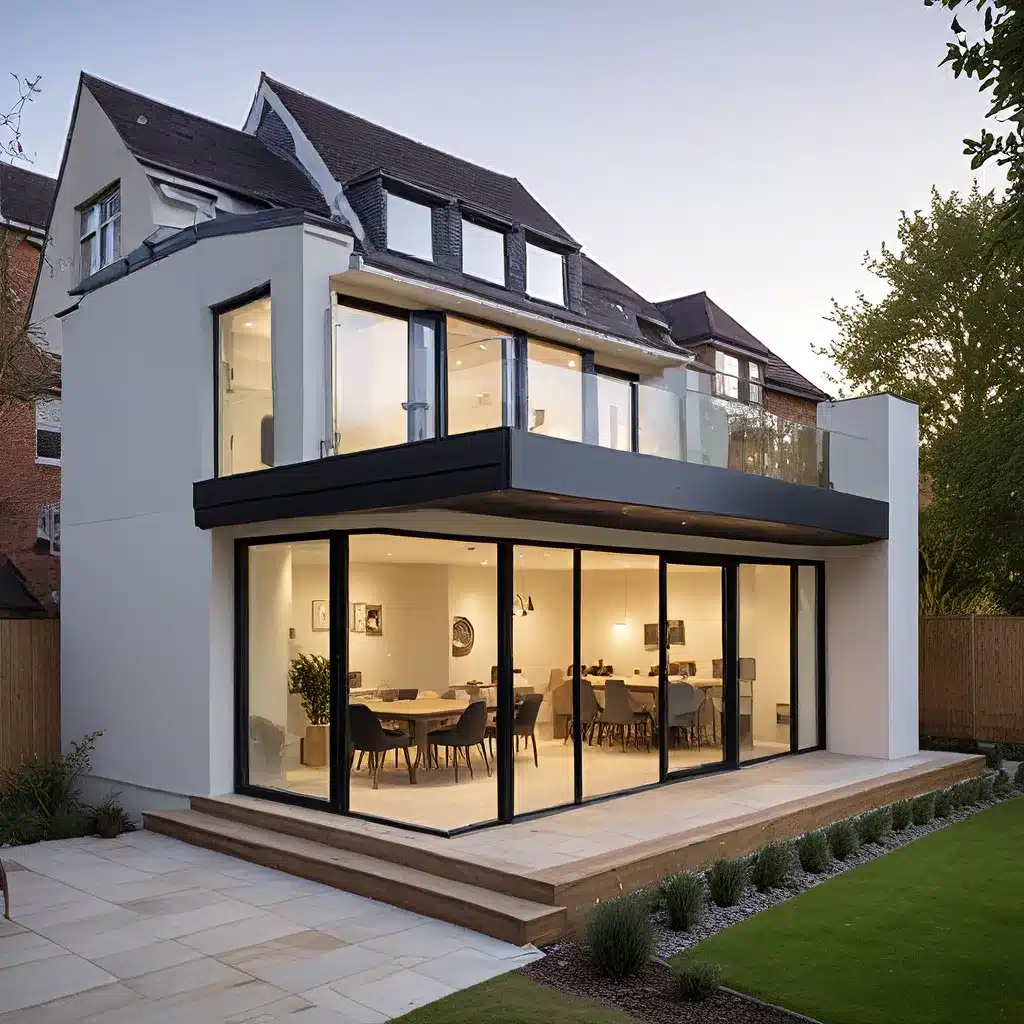
As a homeowner, I’ve always been fascinated by the concept of adaptable living spaces. The idea that our homes can evolve and transform to meet our changing needs over time is truly inspiring. Whether it’s welcoming a new addition to the family, accommodating aging parents, or simply reflecting our evolving lifestyles, the ability to modify our living environments is a powerful tool.
Recently, I embarked on a journey to explore the world of home extensions and conversions, driven by a desire to create a space that would seamlessly adapt to my family’s dynamic needs. What I discovered was a wealth of innovative design strategies and practical solutions that can help homeowners like myself create truly adaptive spaces.
Embracing Flexibility: The Key to Future-Proofing Your Home
One of the fundamental principles I learned in my research is the importance of flexibility in home design. Rather than designing for a static set of requirements, the most successful home extensions and conversions are those that anticipate and accommodate change.
This might involve incorporating modular furniture and multi-functional rooms that can be easily reconfigured as needs shift. It could also mean incorporating adaptable storage solutions that can be easily expanded or rearranged to suit different stages of life.
Interestingly, many of these flexible design principles were initially developed for child care environments to better support children with special needs. As I delved deeper, I discovered that these same strategies can be equally applicable to our homes, helping us create spaces that grow and evolve alongside us.
Adapting the child care environment for children with special needs is a great resource that highlights the importance of focusing on each child’s strengths and abilities, rather than simply trying to accommodate their disabilities. This mindset can be incredibly powerful when applied to home design as well.
Designing for Diverse Needs: Accessibility, Inclusivity, and Comfort
One of the key insights I gained was the need to consider a wide range of accessibility and inclusivity factors when planning a home extension or conversion. This goes beyond just meeting building code requirements; it’s about creating a space that truly empowers all occupants, regardless of their age, mobility, or physical abilities.
This might involve incorporating universal design principles, such as wide doorways, level thresholds, and easy-to-reach storage solutions. It could also mean integrating assistive technologies, like voice-controlled smart home systems or adjustable lighting that can be tailored to individual needs.
Interestingly, many of these accessibility features not only benefit those with special needs, but can also enhance the comfort and convenience for all occupants. For example, open floor plans and seamless transitions between indoor and outdoor spaces can make a home feel more spacious and welcoming, while also improving mobility for those with mobility challenges.
The 2010 ADA Standards for Accessible Design provide a comprehensive guide on the various accessibility requirements and best practices that can be incorporated into home renovations and extensions.
Balancing Aesthetics and Functionality
One of the common misconceptions I encountered was that creating an adaptive, accessible home meant sacrificing style and visual appeal. However, my research has shown that this couldn’t be further from the truth.
In fact, some of the most innovative and visually stunning home extensions I’ve come across have been designed with adaptability and inclusivity in mind from the very beginning. By integrating accessibility features seamlessly into the overall design, these spaces manage to strike a perfect balance between form and function.
For example, wide, open stairwells with gentle inclines can not only accommodate those with mobility challenges, but also create a sense of grandeur and light-filled elegance. Similarly, thoughtfully placed windows and skylights can enhance the feeling of spaciousness while also providing ample natural lighting for those with visual impairments.
Adaptive Living: Designing for All Abilities showcases some inspiring examples of how adaptable design can be both functional and aesthetically pleasing.
Embracing the Future: Adaptable Spaces for Changing Needs
As I’ve delved deeper into the world of home extensions and conversions, I’ve come to realize that the true power of adaptive design lies in its ability to future-proof our living spaces. By incorporating flexibility, accessibility, and a keen eye for aesthetics, we can create homes that not only meet our current needs, but also evolve alongside us as our lives and circumstances change.
Whether it’s welcoming a new child, caring for aging parents, or simply reflecting our evolving lifestyles, the ability to adapt our living environments can have a profound impact on our overall well-being and quality of life. And with the wealth of innovative design strategies and practical solutions available, the possibilities for creating truly adaptive spaces are truly endless.
So, if you’re like me and are considering a home extension or conversion, I encourage you to embrace the power of adaptability. By designing with flexibility, accessibility, and aesthetics in mind, you can create a space that not only meets your current needs, but also grows and evolves alongside you and your family for years to come.
And if you’re in the Aberdeen, UK area and are looking for expert guidance on your home extension or conversion project, be sure to check out the services offered by ABC Home. Their experienced team can help you navigate the design process and ensure that your new space is both functional and beautiful.


